







 Publish to Newswire
 Add an Event
From the Open-Publishing Calendar
From the Open-Publishing Newswire
Indybay Feature
Stop Poisoning Residents, Public Places/Workers at Apple Plant, Stop Retaliation of Workers
 Import event into your personal calendar
Date:
Saturday, August 16, 2025
Time:
12:00 PM
-
1:00 PM
Event Type:
Press Conference
Organizer/Author:
United Front Committee For A Labor Party
Location Details:
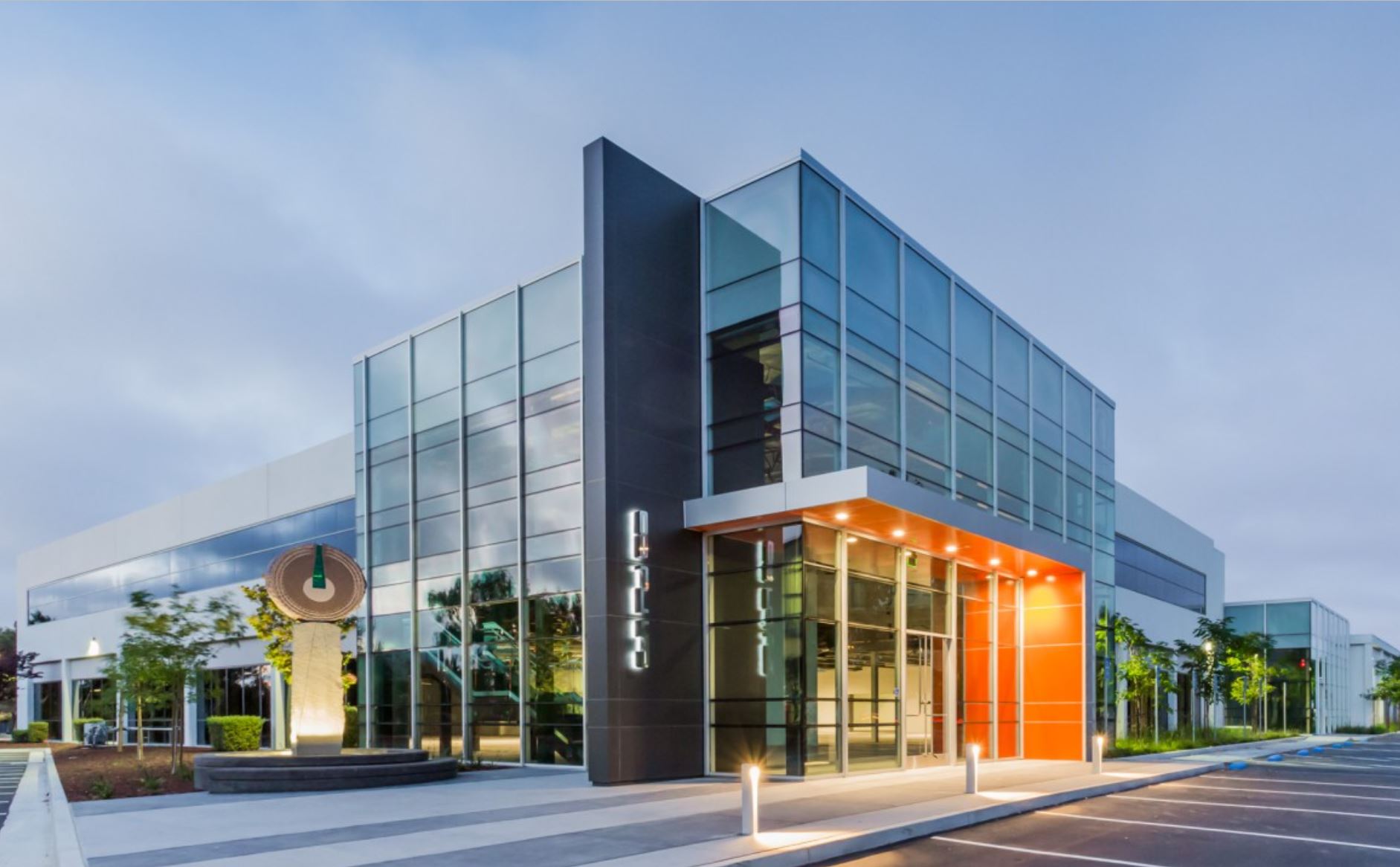
Apple Inc. Semiconductor chip manufacturing plant in Santa Clara, 3250 Scott Blvd, Santa Clara, CA
Press Conference/Rally to Protest APPLE, INC.
Stop Poisoning Residents, Public Places And Workers at Apple Plant
Stop Retaliation Of Workers & Full Staffing Of CA OSHA To Protect Workers
Sat, Aug 16, 2025 12:00pm - 2:00pm | US/Pacific
PRESS CONFERENE
LOCATION: Apple Inc. Semiconductor chip manufacturing plant in Santa Clara, 3250 Scott Blvd, Santa Clara, CA
Apple executives are illegally operating the semiconductor chip manufacturing plant (herein after "the plant" next to a residential housing complex, senior care center, grocery store, and public playground. Apple reported releasing toxic chemicals like benzene, mercury, carbon monoxide, and formaldehyde into the air -- but city records show even more chemical spills and leaks that were never reported to the community (including deadly phosphine, silane, and fluorine gases).
The US EPA inspected Apple's plant in 2023 and found extensive hazardous waste violations. In June 2025, US EPA notified Apple they plan to take enforcement action against them over their hazardous waste operations at the plant. And an air quality Board has also cited Apple for air pollution and operating without air pollution permits at the plant.
The plant never went through the normal permitting process or environmental studies, and the City of Santa Clara covered-up reports of illness from multiple residents next to the plant. Multiple people reported chemical exposure health issues to the government starting in at least 2021, and the city did nothing. One resident, Ashley Gjovik, has active civil claims against Apple over employment retaliation due to her reporting Apple's hazardous waste emissions in 2020-2021. On June 30 2025, Gjovik also gave notice to US EPA, Apple, city of Santa Clara, and the property owner of an incoming private right of action suit under five environmental statutes. Gjovik's sixty-day notice also includes notice of a public nuisance claim against all three parties and intention to request the court to shut down the plant until it can come into compliance with environmental, health, & safety laws.
As of today, the plant continues to operate and risk the health and safety of everyone inside and around it. We're meeting on 8/16 to protest the existence of this plant producing hazardous waste next to homes and parks, and demand that the city order the plant to stop operations. Meet us there (and bring an N95 in case Apple is exhausting more pollution into the air!
Don't let Apple Inc. get away with a flimsy settlement with EPA amounting to a mere slap on the hand!! We must ensure everyone is breathing safe air, drinking safe water and not allow Apple Inc. to continually pay settlement money to get government leaders to cover this up year after year!!
Safety before Profits!! Labor & Community Have A Right To Health And Safety
Enough Is Enough
Stop Poisoning Residents, public places & workers at or near the Apple plant
Stop Retaliating against Apple Whistleblowers
Endorsed By
Whistler Blowers United WBU
Californai Coaliton For Workers Memorial Day
http://www.workersmemorialday.org
WorkWeek, United Front Committee For A Labor Party UFCLP
Federal Court Allows Major Retaliation Claims Against Apple to Proceed; NLRB Charges Apple with Labor Violations for Suspending & Firing Me
https://www.ashleygjovik.com/?fbclid=IwY2xjawIyxwdleHRuA2FlbQIxMQABHRY93lyf0xELvJq58laNU4Tbrm8ZdVeBKGlE79fzd8AoJc9qfQoWNzmEQg_aem_ve_EBnZ6DI29o5xhWsgF2A
On February 27, 2025, the U.S. District Court ruled that my retaliation and labor law claims will move forward, rejecting Apple’s attempt to dismiss them. This decision represents a major step toward holding Apple accountable for its retaliation, whistleblower suppression, and workplace safety violations, and it sets an important precedent for corporate accountability, labor rights, and environmental justice. You can read the full court decision here.
The court ruled that Apple failed to dismiss my core claims (see my complaint), confirming that my allegations are legally viable and must proceed toward trial. The decision also recognizes the extraordinary nature of Apple’s retaliation, allowing me to seek penalties (special damages) for labor violations, a rare ruling in an individual lawsuit. This means Apple could now face financial liability, beyond traditional damages, for violating labor laws.
The court also confirmed that I have a valid claim that Apple retaliated against me for reporting environmental crimes, a key issue in this case. In 2020, Apple was secretly operating a semiconductor fabrication facility near my home, illegally venting hazardous and carcinogenic chemicals into the air (read more here). These exposures severely harmed my health. Apple not only failed to disclose its environmental violations but retaliated against me for raising concerns about the exposures, obstructed my ability to seek accountability, and attempted to cover up its involvement in my harm. The court’s ruling affirms that my Crime Victim Retaliation claim under California Labor Code § 230(e) will proceed. This may be the first time a workplace retaliation case has successfully invoked California’s Crime Victim Protection laws. The court denied statutory penalties for this claim due to my later discovery of Apple’s role in the pollution, but the underlying cause of action remains intact.
In addition, the court ruled that Apple must face liability for retaliating against me for reporting violations of environmental and workplace safety laws—including my disclosures about hazardous conditions at my Apple office, which was built on a Superfund site (read more here). The court expressly rejected Apple’s arguments to dismiss these claims, ensuring that Apple must answer for its unlawful conduct. Notably, the court also ruled that I can seek special damages (penalties) under § 1102.5, which is unusual in individual labor lawsuits.
The court also allowed my claims under California Labor Code § 6310 (workplace safety retaliation) and § 98.6 (general employment retaliation) to proceed. This includes Apple’s retaliation against me for filing complaints with California labor agencies, the NLRB, OSHA, the EPA, and other regulators; for discussing workplace conditions, safety hazards, and wages; and for engaging in legally protected speech. The ruling ensures that Apple must answer for its efforts to suppress workplace concerns and punish employees for exercising their rights.
One of the most significant aspects of the court’s ruling is its decision to allow my California Labor Code § 1102.5 whistleblower retaliation claim to move forward with a privacy-based whistleblower claim, something that is very rare. Courts often dismiss privacy-related retaliation claims under § 1102.5 because they do not fit the traditional framework of whistleblower disclosures. However, I successfully argued that Apple retaliated against me for opposing its illegal surveillance, unethical medical experiments on employees, and unlawful AI-driven data collection practices. This is the first known case in which a § 1102.5 claim is based on protesting non-consensual human research and AI-related privacy violations. I alleged that Apple was secretly collecting employees' biometric and psychological data for AI development, engaging in deceptive human subject research, and violating medical ethics and California privacy laws. The court’s ruling confirms that retaliation for exposing these practices qualifies as whistleblower retaliation under § 1102.5, setting a groundbreaking precedent for AI ethics, privacy, and labor rights.
The court also upheld my legislative witness retaliation claim under California Government Code § 9149.4, which protects employees from retaliation for providing testimony to legislative bodies. This claim is particularly significant because very few cases have successfully invoked legislative witness protections in employment retaliation lawsuits. I alleged that Apple retaliated against me after I engaged with lawmakers and government agencies regarding environmental hazards and corporate misconduct. The ruling affirms that employees have the right to participate in the legislative process and report corporate wrongdoing without fear of retaliation. This decision reinforces strong protections for whistleblowers who assist in policy reform and government investigations, ensuring that corporations cannot silence employees.
Another highly unusual win is the court’s decision to allow my California Labor Code § 96(k) retaliation claim to proceed. Most attorneys fail to meet the “constitutional rights” requirement of § 96(k), and courts routinely dismiss these claims. However, I successfully argued that Apple retaliated against me for exercising fundamental rights protected by the California Constitution, including my right to privacy (Article I, Section 1) and my rights as a victim of crime (Article I, Section 28). Specifically, I alleged that Apple punished me for protesting unlawful workplace surveillance, speaking out about Apple’s toxic chemical exposure that made me a crime victim, and advocating for crime victims’ rights. The court’s decision allows this rarely successful claim to move forward, reinforcing employee protections against corporate retaliation for lawful off-duty speech and advocacy. This ruling strengthens protections for employees who speak publicly about workplace misconduct, privacy violations, and environmental crimes, ensuring that corporations cannot weaponize termination to silence those who expose their wrongdoing.
In my case, the court also recognized that California’s environmental laws, including the California Hazardous Substances Act, the Safe Drinking Water and Toxic Enforcement Act (Proposition 65), and federal laws like CERCLA (Superfund) and the Clean Air Act, embody fundamental public policies designed to protect public health, worker safety, and the environment. The fact that my wrongful termination claim under Tameny is moving forward on the basis of environmental violations is highly unusual and reinforces the growing recognition that environmental protections are not just regulatory requirements but core societal values. Additionally, whistleblower retaliation claims under Labor Code § 1102.5 rarely proceed on environmental law violations alone. However, the court’s ruling in my case affirms that employees who report environmental hazards, especially those that pose a risk to public health—are protected under both California’s general whistleblower statute and common law wrongful termination protections. This decision sets a critical precedent that corporations cannot retaliate against employees for exposing toxic pollution, illegal hazardous waste disposal, or other environmental crimes.
The court’s ruling allows me to seek a broad range of damages against Apple, including penalties, punitive damages, injunctive relief, compensatory damages, and declaratory relief. Notably, the court approved penalties under California Labor Code §§ 1102.5 and 98.6, which is highly unusual in an individual lawsuit. Typically, only California’s Labor Commissioner or PAGA lawsuits seek statutory penalties, but I can now pursue them directly against Apple, including $10,000 per violation of whistleblower protections and labor retaliation laws. Additionally, the court upheld my right to seek punitive damages, which are reserved for cases involving malicious or reckless misconduct. Apple now faces significant financial liability beyond standard lost wages and emotional distress damages, as punitive damages serve to punish and deter corporate retaliation and legal violations.
The ruling also allows me to pursue injunctive relief, which could force Apple to reform its employment policies and workplace safety practices. This could include court-ordered protections for whistleblowers, mandatory disclosures about hazardous workplace conditions, and external oversight of Apple’s compliance with labor laws. Beyond financial penalties, I am also entitled to compensatory damages for lost wages, emotional distress, medical costs related to chemical exposure, and reputational harm caused by Apple’s retaliation. The court has further allowed me to seek declaratory relief, establishing a legal record that Apple violated my rights. This ruling is a major step toward holding Apple accountable for its labor violations, workplace safety failures, and corporate misconduct, ensuring that its unlawful practices cannot simply be hidden behind a settlement.
Recent court precedents and legislative changes in California significantly strengthen my case and increase the likelihood of success on multiple claims. The California Supreme Court’s decision in Lawson v. PPG Architectural Finishes, Inc. (2022) confirmed that Labor Code § 1102.5 whistleblower retaliation claims must be analyzed under Labor Code § 1102.6’s burden-shifting framework, which favors employees by placing the burden on employers to prove, by clear and convincing evidence, that they would have fired the employee for independent reasons. Additionally, People ex rel. Garcia-Brower v. Kolla’s Inc. (2023) expanded the definition of “disclosure” under § 1102.5, protecting employees even if their employer was already aware of the violations. Similarly, the Ninth Circuit’s ruling in Killgore v. SpecPro Professional Services, LLC (2022) held that internal reports to a supervisor without corrective authority still qualify as protected disclosures, further strengthening my case.
Recent legislative changes further increase Apple’s legal burden. Senate Bill 497 (2024) amended Labor Code §§ 1102.5 and 98.6 to create a rebuttable presumption of retaliation if an employer takes adverse action within 90 days of an employee’s protected activity. Because I was fired well within that timeframe, Apple now bears the burden of proving, by clear and convincing evidence, that my termination was unrelated to my whistleblowing. Additionally, California recently amended Labor Code § 230(e) to make crime victim retaliation a standalone claim, reinforcing the legal significance of my precedent-setting case. These legal developments, combined with the court’s decision to allow my claims to proceed, make it much more difficult for Apple to escape liability for its retaliation, workplace violations, and environmental misconduct.
In addition, the National Labor Relations Board (NLRB) has formally charged Apple with violating federal labor law over my 2021 suspension and termination. The NLRB’s complaint alleges that Apple unlawfully threatened me, placed me on leave, suspended me, and terminated my employment in retaliation for protected speech and workplace organizing. In addition, based on my October 2021 charges, the NLRB has also found that Apple maintains unlawful employment policies restricting employee speech and organizing, which have broader implications for Apple’s workforce. If the NLRB prevails, Apple could be ordered to reinstate me with back pay, rescind its unlawful policies, apologize to me, and take corrective action to prevent future retaliation. Read more about the NLRB case here.
This case is about more than just Apple—it is about whether corporate employers can violate labor laws with impunity, whether whistleblowers can be silenced without consequence, and whether companies can conceal environmental and workplace safety violations by retaliating against those who speak out. The court’s ruling confirms that Apple will be held accountable under California law, and the NLRB’s prosecution will determine whether Apple also violated federal labor laws. Apple has spent years trying to shut this lawsuit down, but this ruling confirms that my claims are legally valid and must be heard. With this decision, my case moves into discovery and trial preparation, and I will now expand my pending Ninth Circuit appeal to challenge the wrongful dismissal of my Toxic Tort and Intentional Infliction of Emotional Distress (IIED) claims, in addition to my RICO, Cal. Biz & Prof. Code § 17200, breach of contract, Dodd-Frank, and SOX whistleblower claims. The case against Apple is far from over, and I will continue pushing for justice and accountability.
For the past several years, I have been supporting myself financially on my own, funding this legal battle while covering basic living expenses without income for most of the period. I exhausted my savings, maxed out my credit cards, and am now declaring bankruptcy. My unemployment insurance does not even cover my rent, yet it still counts as "income," disqualifying me from government assistance. As a result, I no longer have health insurance because I cannot afford the premiums. Donations are deeply appreciated to help cover legal expenses, including Westlaw, discovery software, and drafting tools, as well as basic living expenses while I continue this fight. If you would like to contribute, please visit: http://www.ashleygjovik.com/donate.html. Thank you for your support — it truly makes a difference.
I appreciate all of the support from those following this case. I will provide further updates as the case progresses. If you have any media inquiries or would like to discuss these developments further, feel free to reach out.
Ashley Gjovik, BS, JD, PMP
ashleymgjovik [at] protonmail.com
https://www.ashleygjovik.com
Major Labor Rights Victory: Apple Compelled to Rescind Unlawful Employee Policies Nationwide Following My NLRB Case
[https://www.ashleygjovik.com/blog/04082025-nlrb-win-apple-compelled-to-rescind-unlawful-policies-nationwide](https://www.ashleygjovik.com/blog/04082025-nlrb-win-apple-compelled-to-rescind-unlawful-policies-nationwide)
April 8 2025
Silicon Valley, CA — Today marks a watershed moment for corporate accountability and employee rights. The National Labor Relations Board (NLRB) has finalized a nationwide settlement with Apple Inc., requiring the tech giant to rescind a series of unlawful workplace policies that suppressed lawful employee activities. This action follows years of determined advocacy on my part, after I blew the whistle on Apple’s practices.
The settlement forces Apple to overhaul its internal rules governing employee speech, privacy, and workplace rights — changes that apply to all Apple employees across the United States. Notably, this is the first public labor settlement of its kind Apple has ever executed.
Under this agreement, Apple must:
Post public compliance notices on both its internal intranet and external websites, visible for at least 60 days.
Rescind or revise overly broad policies concerning confidentiality, proprietary information, workplace searches, public communications, and employee discipline — with explicit clarifications that employees have the right to discuss wages, working conditions, unionizing, and whistleblower activities.
Submit direct proof of compliance to the NLRB and me, including screenshots, certification forms, and evidence of internal updates.
Cease using surveillance policies to monitor protected employee activities.
Apple once claimed its policies were untouchable — but this settlement proves otherwise. They fired me under these same unlawful policies. This is more than personal vindication — it’s a historic precedent for every tech worker silenced by overreaching corporate controls.
A Case of Corporate Denial vs. Legal Reality
While Apple refuses to admit liability under the settlement terms, their agreement to overhaul these policies is a clear acknowledgment of prior violations. Importantly, Apple will provide direct compliance documentation — a rare and powerful accountability measure.
In my Statement of Joinder to the NLRB agreement, I made clear:
I preserve all legal claims. The settlement does not resolve my pending federal lawsuits, other NLRB cases, Department of Labor whistleblower complaints, or SEC filings related to Apple’s misleading disclosures to shareholders.
I challenged Apple’s pattern of public deception. Apple previously denied in court, regulatory filings, and to investors that these policies were problematic — even as it secretly negotiated this settlement to rescind them.
I called for transparency. I continued to press for Apple to publicly disclose its revised policy language and compliance materials, for the benefit of employees and the public.
This isn’t over. Apple cannot quietly fix its policies behind closed doors and pretend none of this happened. Workers deserve full transparency. Shareholders deserve honesty. Regulators must ensure accountability.
Message to Apple Employees Nationwide
In a personal message included in my official NLRB filing, I spoke directly to Apple’s workforce: “To every Apple employee: you now have clear, formal confirmation that discussing your pay, conditions, or organizing is protected by law. If you’re told otherwise: they are wrong. And you have the right to report it. Keep records. Know your rights. No corporation is above the law — not even Apple.”
Implications for Tech Industry and Corporate Governance
This resolution sends a resounding message across Silicon Valley and beyond: overbroad corporate policies that chill lawful employee speech and organizing will not stand. The case also highlights risks for corporate governance, as Apple’s misleading statements to the SEC and courts remain under scrutiny in my parallel proceedings.
Apple will remain under NLRB monitoring, and future violations of the agreement could trigger renewed enforcement actions.
Resources for Apple Employees:
File an NLRB charge: [http://www.nlrb.gov](x-webdoc://6F30B41F-95B2-4346-940C-016524984A1A/http://www.nlrb.gov)
Contact Ashley Gjovik: [legal [at] ashleygjovik.com](mailto:legal [at] ashleygjovik.com)
(Note: Gjovik is not acting as legal counsel, but as a resource for peers navigating similar issues.)
Case References:
NLRB Case: 32-CA-284428
Related Cases: 32-CA-282142, 32-CA-283161, 32-CA-284441
Settlement Agreement (PDF): [https://www.ashleygjovik.com/uploads/1/3/7/0/137008339/set.32-ca-284428.apple_set_ag_signed_certified.pdf](https://www.ashleygjovik.com/uploads/1/3/7/0/137008339/set.32-ca-284428.apple_set_ag_signed_certified.pdf)
Statement of Joinder (PDF): [https://www.ashleygjovik.com/uploads/1/3/7/0/137008339/set.32-ca-284428.apple_-_charging_party_letter_and_joinder.pdf](https://www.ashleygjovik.com/uploads/1/3/7/0/137008339/set.32-ca-284428.apple_-_charging_party_letter_and_joinder.pdf)
Blog Post: [https://www.ashleygjovik.com/blog/04082025-nlrb-win-apple-compelled-to-rescind-unlawful-policies-nationwide](https://www.ashleygjovik.com/blog/04082025-nlrb-win-apple-compelled-to-rescind-unlawful-policies-nationwide)
Media Contact: Ashley M. Gjovik, [legal [at] ashleygjovik.com](mailto:legal [at] ashleygjovik.com), [http://www.ashleygjovik.com](x-webdoc://6F30B41F-95B2-4346-940C-016524984A1A/http://www.ashleygjovik.com)
I’m Ashley M. Gjovik — a lawyer, researcher, systems architect, and internationally recognized whistleblower. Formerly a senior engineering program manager and chief of staff at Apple Inc., I now champion corporate accountability, worker rights, anti-corruption, and public transparency in the tech industry.
Democratic Governor Newsom Killing Cal OSHA & Harming Worker Safety
California OSHA inspectors don’t visit worksites even when workers are injured
https://calmatters.org/politics/2025/07/california-osha-inspections-state-audit/?_gl=1*1g6valp*_ga*MTUxMDkyNDE5LjE3NTMxNDAxMDU.*_ga_5TKXNLE5NK*czE3NTMxNDAxMDQkbzEkZzAkdDE3NTMxNDAxMDQkajYwJGwwJGgw*_ga_DX0K9PCWYH*czE3NTMxNDAxMDQkbzEkZzAkdDE3NTMxNDAxMDQkajYwJGwwJGgw
Avatar photo
BY JEANNE KUANG
JULY 19, 2025
A person carries a large plastic bucket filled with produce on their shoulder while working in a field of green crops during harvest. Surrounded by others bending over the plants, the individual wears a long-sleeve shirt, hat, and face covering for sun protection. A tractor and trailer are visible in the background under the warm early morning or late afternoon light.
Farmworkers harvest banana peppers at a farm near the town of Helm on July 1, 2025. Photo by Larry Valenzuela,
IN SUMMARY
Nearly a third of Cal/OSHA positions were vacant last year. A new state audit found that caused the agency to skip in-person inspections, even when workers were injured.
Welcome to CalMatters, the only nonprofit newsroom devoted solely to covering issues that affect all Californians. Sign up for WhatMatters to receive the latest news and commentary on the most important issues in the Golden State.
California’s worker safety agency is under-inspecting workplaces after accidents and worker injuries, failing to enforce labor regulations in a way that “may undermine” them because it does not have enough employees to do the inspections, a state audit found.
In a review of the California Division of Occupational Safety and Health published Thursday, state auditors found understaffing was a primary factor leading inspectors to skip in-person inspections of worksites even in cases where auditors found — and division managers agreed — it was likely warranted.
Nearly one-third of the division’s 800-plus positions were vacant last year, a rate that is even worse in some district offices and among some of the staff responsible for inspections and enforcement.
“When it does perform inspections, Cal/OSHA’s process has critical weaknesses,” state auditor Grant Parks wrote.
The weaknesses, he wrote, included inspectors failing to review employers’ required injury prevention plans, document notes from interviews with workers, initiate inspections quickly and ensure employers had addressed alleged hazards before closing a case file.
State law allows Cal/OSHA to inspect workplaces in-person proactively, after accidents or in response to a complaint. But it only mandates inspections for workplace deaths or “serious” accidents, generally defined as those requiring inpatient hospital care or resulting in “serious permanent disfiguration.”
Enforcement staff first determine if the complaints are valid, and then often choose to inspect “by letter” instead, which involves writing to employers asking them to investigate the complaints themselves and document how they’ve addressed hazards.
Last year out of more than 12,000 complaints, the agency found 87% valid; staff inspected just 17% of those workplaces in person rather than investigating “by letter.” Out of 5,800 workplace accidents, the agency deemed 42% serious enough to send an inspector.
Auditors found staff didn’t always investigate a complaint or inspect a worksite when they should have.
In one case, a union representative filed a complaint saying that construction workers were riding on heavy machinery on the road with no seat belts, and another worker was hanging off the side of the vehicle, in danger of falling and being hit in oncoming traffic. Cal/OSHA declined to investigate because the incident was on a public road and therefore outside the agency’s jurisdiction. But the audit found the agency should have opened the complaint because workers were riding in a company vehicle — activity covered by workplace safety regulations.
Auditors reviewed another complaint from a kitchen worker who was taken to the ER by ambulance, possibly from heat illness. The worker reported poor ventilation, broken air conditioning and temperatures that reached 90 degrees indoors. Despite agency policies requiring on-site inspections for serious hazards involving current employees, and for any heat-related complaints, Cal/OSHA sent the employer a letter. Auditors reviewing the case records found the employer had not responded.
Serious injuries investigated by letter
The audit also highlighted two injuries that Cal/OSHA said weren’t “serious” enough to inspect in person; in one, a worker was cut by a chainsaw, requiring surgery and an overnight hospital stay, and in another a worker was knocked out when hit in the head and suffered a skull fracture, but was not formally admitted to the hospital.
In the chainsaw case, managers told auditors the worker was wearing protective equipment so there was less reason to suspect workplace violations. In general, the audit found that managers overwhelmingly reported understaffing as the reason for not inspecting.
The agency, the audit noted, doesn’t have a complaint form on its website. To file a complaint, workers must call or email a Cal/OSHA district office, or fill out a complaint form on the federal OSHA website.
The audit places further pressure on Cal/OSHA and its beleaguered parent agency, the Department of Industrial Relations, to deal with a trenchant staffing problem that advocates and lawmakers say renders some of the strictest worker protections in the nation toothless.
It comes a year after a similar audit of the Labor Commissioner’s Office, also a part of that department, which found workers complaining to the agency about wage theft were waiting more than two years on average to get their claims resolved — six times longer than the time required by law.
Both audits were ordered by state lawmakers, who are by now familiar with the understaffing complaints. One bill this year would require the department to study how to make more appealing career paths for the inspector positions, some of which require engineering degrees.
Stephen Knight, director of the advocacy group Worksafe, called the audit’s findings “really disappointing.”
“It confirms that California’s promise to hold employers accountable remains unfulfilled,” Knight said. “There’s a lot of good solid detail and suggestions in the audit, nothing they couldn’t have figured out beforehand. Certainly what it would require is resources and political leadership that sides with workers over corner-cutting employers.”
The problem is urgent, he said, noting workplace accidents have killed three teenagers in California just the past two weeks: one who fell into a meat grinder at a burrito factory in Los Angeles County and two who died in a fireworks warehouse explosion in rural Yolo County.
The workplace agency has been the subject of several investigations in recent years. Last year the Sacramento Bee found the division of Cal/OSHA that recommends cases for criminal prosecution was so understaffed it couldn’t even consider cases in which workers suffered severe but nonfatal accidents, such as ones that caused paralysis. CalMatters last year reported that the agency’s inspections and citations of heat-related hazards had plummeted since the pandemic, despite the rising risks of extreme heat for outdoor workers.
In a letter dated June 27 responding to the audit, Department of Industrial Relations director Katrina Hagen wrote that the department “has been working to address structural and process issues, as well as recruitment and retention issues,” including studying the agency’s pay and job responsibility levels. Hagen wrote that Cal/OSHA’s vacancy rate had dropped to 12% this year; the auditor responded they hadn’t seen up-to-date data showing that.
Hagen also wrote that Cal/OSHA is working on making an online complaint form, and said the agency is getting a new case management system that will flag cases that should have gotten an in-person inspection, but didn’t. Both upgrades, she wrote, are expected in 2027.
‘What’s the point?’
The audit also questioned Cal/OSHA’s practice of reducing the fines it issued to employers after citing them for safety violations. Employers often appeal citations, a process that can take years to resolve, and the fines or violations can be reduced during settlement conferences, but the auditors wrote that the reasons aren’t always documented. In a four-year period reviewed by auditors, the average reduction was more than half the original fine.
Assembly Labor Committee Chair Liz Ortega, a Hayward Democrat who requested the audit last year, slammed the practice.
“This Cal/OSHA standard operating procedure can stop TODAY,” she wrote in response to a query from CalMatters. “Injuries won’t abate until there are consequences. If Cal/OSHA won’t do it, we should get someone who will.”
She said she wanted to see the agency increase its referrals for criminal prosecution to 5% of serious cases this year, and called the investigations that don’t include in-person inspections “fake.”
“Sending a letter!!!” Ortega wrote. “What’s the point?”
Stop Poisoning Residents, Public Places And Workers at Apple Plant
Stop Retaliation Of Workers & Full Staffing Of CA OSHA To Protect Workers
Sat, Aug 16, 2025 12:00pm - 2:00pm | US/Pacific
PRESS CONFERENE
LOCATION: Apple Inc. Semiconductor chip manufacturing plant in Santa Clara, 3250 Scott Blvd, Santa Clara, CA
Apple executives are illegally operating the semiconductor chip manufacturing plant (herein after "the plant" next to a residential housing complex, senior care center, grocery store, and public playground. Apple reported releasing toxic chemicals like benzene, mercury, carbon monoxide, and formaldehyde into the air -- but city records show even more chemical spills and leaks that were never reported to the community (including deadly phosphine, silane, and fluorine gases).
The US EPA inspected Apple's plant in 2023 and found extensive hazardous waste violations. In June 2025, US EPA notified Apple they plan to take enforcement action against them over their hazardous waste operations at the plant. And an air quality Board has also cited Apple for air pollution and operating without air pollution permits at the plant.
The plant never went through the normal permitting process or environmental studies, and the City of Santa Clara covered-up reports of illness from multiple residents next to the plant. Multiple people reported chemical exposure health issues to the government starting in at least 2021, and the city did nothing. One resident, Ashley Gjovik, has active civil claims against Apple over employment retaliation due to her reporting Apple's hazardous waste emissions in 2020-2021. On June 30 2025, Gjovik also gave notice to US EPA, Apple, city of Santa Clara, and the property owner of an incoming private right of action suit under five environmental statutes. Gjovik's sixty-day notice also includes notice of a public nuisance claim against all three parties and intention to request the court to shut down the plant until it can come into compliance with environmental, health, & safety laws.
As of today, the plant continues to operate and risk the health and safety of everyone inside and around it. We're meeting on 8/16 to protest the existence of this plant producing hazardous waste next to homes and parks, and demand that the city order the plant to stop operations. Meet us there (and bring an N95 in case Apple is exhausting more pollution into the air!
Don't let Apple Inc. get away with a flimsy settlement with EPA amounting to a mere slap on the hand!! We must ensure everyone is breathing safe air, drinking safe water and not allow Apple Inc. to continually pay settlement money to get government leaders to cover this up year after year!!
Safety before Profits!! Labor & Community Have A Right To Health And Safety
Enough Is Enough
Stop Poisoning Residents, public places & workers at or near the Apple plant
Stop Retaliating against Apple Whistleblowers
Endorsed By
Whistler Blowers United WBU
Californai Coaliton For Workers Memorial Day
http://www.workersmemorialday.org
WorkWeek, United Front Committee For A Labor Party UFCLP
Federal Court Allows Major Retaliation Claims Against Apple to Proceed; NLRB Charges Apple with Labor Violations for Suspending & Firing Me
https://www.ashleygjovik.com/?fbclid=IwY2xjawIyxwdleHRuA2FlbQIxMQABHRY93lyf0xELvJq58laNU4Tbrm8ZdVeBKGlE79fzd8AoJc9qfQoWNzmEQg_aem_ve_EBnZ6DI29o5xhWsgF2A
On February 27, 2025, the U.S. District Court ruled that my retaliation and labor law claims will move forward, rejecting Apple’s attempt to dismiss them. This decision represents a major step toward holding Apple accountable for its retaliation, whistleblower suppression, and workplace safety violations, and it sets an important precedent for corporate accountability, labor rights, and environmental justice. You can read the full court decision here.
The court ruled that Apple failed to dismiss my core claims (see my complaint), confirming that my allegations are legally viable and must proceed toward trial. The decision also recognizes the extraordinary nature of Apple’s retaliation, allowing me to seek penalties (special damages) for labor violations, a rare ruling in an individual lawsuit. This means Apple could now face financial liability, beyond traditional damages, for violating labor laws.
The court also confirmed that I have a valid claim that Apple retaliated against me for reporting environmental crimes, a key issue in this case. In 2020, Apple was secretly operating a semiconductor fabrication facility near my home, illegally venting hazardous and carcinogenic chemicals into the air (read more here). These exposures severely harmed my health. Apple not only failed to disclose its environmental violations but retaliated against me for raising concerns about the exposures, obstructed my ability to seek accountability, and attempted to cover up its involvement in my harm. The court’s ruling affirms that my Crime Victim Retaliation claim under California Labor Code § 230(e) will proceed. This may be the first time a workplace retaliation case has successfully invoked California’s Crime Victim Protection laws. The court denied statutory penalties for this claim due to my later discovery of Apple’s role in the pollution, but the underlying cause of action remains intact.
In addition, the court ruled that Apple must face liability for retaliating against me for reporting violations of environmental and workplace safety laws—including my disclosures about hazardous conditions at my Apple office, which was built on a Superfund site (read more here). The court expressly rejected Apple’s arguments to dismiss these claims, ensuring that Apple must answer for its unlawful conduct. Notably, the court also ruled that I can seek special damages (penalties) under § 1102.5, which is unusual in individual labor lawsuits.
The court also allowed my claims under California Labor Code § 6310 (workplace safety retaliation) and § 98.6 (general employment retaliation) to proceed. This includes Apple’s retaliation against me for filing complaints with California labor agencies, the NLRB, OSHA, the EPA, and other regulators; for discussing workplace conditions, safety hazards, and wages; and for engaging in legally protected speech. The ruling ensures that Apple must answer for its efforts to suppress workplace concerns and punish employees for exercising their rights.
One of the most significant aspects of the court’s ruling is its decision to allow my California Labor Code § 1102.5 whistleblower retaliation claim to move forward with a privacy-based whistleblower claim, something that is very rare. Courts often dismiss privacy-related retaliation claims under § 1102.5 because they do not fit the traditional framework of whistleblower disclosures. However, I successfully argued that Apple retaliated against me for opposing its illegal surveillance, unethical medical experiments on employees, and unlawful AI-driven data collection practices. This is the first known case in which a § 1102.5 claim is based on protesting non-consensual human research and AI-related privacy violations. I alleged that Apple was secretly collecting employees' biometric and psychological data for AI development, engaging in deceptive human subject research, and violating medical ethics and California privacy laws. The court’s ruling confirms that retaliation for exposing these practices qualifies as whistleblower retaliation under § 1102.5, setting a groundbreaking precedent for AI ethics, privacy, and labor rights.
The court also upheld my legislative witness retaliation claim under California Government Code § 9149.4, which protects employees from retaliation for providing testimony to legislative bodies. This claim is particularly significant because very few cases have successfully invoked legislative witness protections in employment retaliation lawsuits. I alleged that Apple retaliated against me after I engaged with lawmakers and government agencies regarding environmental hazards and corporate misconduct. The ruling affirms that employees have the right to participate in the legislative process and report corporate wrongdoing without fear of retaliation. This decision reinforces strong protections for whistleblowers who assist in policy reform and government investigations, ensuring that corporations cannot silence employees.
Another highly unusual win is the court’s decision to allow my California Labor Code § 96(k) retaliation claim to proceed. Most attorneys fail to meet the “constitutional rights” requirement of § 96(k), and courts routinely dismiss these claims. However, I successfully argued that Apple retaliated against me for exercising fundamental rights protected by the California Constitution, including my right to privacy (Article I, Section 1) and my rights as a victim of crime (Article I, Section 28). Specifically, I alleged that Apple punished me for protesting unlawful workplace surveillance, speaking out about Apple’s toxic chemical exposure that made me a crime victim, and advocating for crime victims’ rights. The court’s decision allows this rarely successful claim to move forward, reinforcing employee protections against corporate retaliation for lawful off-duty speech and advocacy. This ruling strengthens protections for employees who speak publicly about workplace misconduct, privacy violations, and environmental crimes, ensuring that corporations cannot weaponize termination to silence those who expose their wrongdoing.
In my case, the court also recognized that California’s environmental laws, including the California Hazardous Substances Act, the Safe Drinking Water and Toxic Enforcement Act (Proposition 65), and federal laws like CERCLA (Superfund) and the Clean Air Act, embody fundamental public policies designed to protect public health, worker safety, and the environment. The fact that my wrongful termination claim under Tameny is moving forward on the basis of environmental violations is highly unusual and reinforces the growing recognition that environmental protections are not just regulatory requirements but core societal values. Additionally, whistleblower retaliation claims under Labor Code § 1102.5 rarely proceed on environmental law violations alone. However, the court’s ruling in my case affirms that employees who report environmental hazards, especially those that pose a risk to public health—are protected under both California’s general whistleblower statute and common law wrongful termination protections. This decision sets a critical precedent that corporations cannot retaliate against employees for exposing toxic pollution, illegal hazardous waste disposal, or other environmental crimes.
The court’s ruling allows me to seek a broad range of damages against Apple, including penalties, punitive damages, injunctive relief, compensatory damages, and declaratory relief. Notably, the court approved penalties under California Labor Code §§ 1102.5 and 98.6, which is highly unusual in an individual lawsuit. Typically, only California’s Labor Commissioner or PAGA lawsuits seek statutory penalties, but I can now pursue them directly against Apple, including $10,000 per violation of whistleblower protections and labor retaliation laws. Additionally, the court upheld my right to seek punitive damages, which are reserved for cases involving malicious or reckless misconduct. Apple now faces significant financial liability beyond standard lost wages and emotional distress damages, as punitive damages serve to punish and deter corporate retaliation and legal violations.
The ruling also allows me to pursue injunctive relief, which could force Apple to reform its employment policies and workplace safety practices. This could include court-ordered protections for whistleblowers, mandatory disclosures about hazardous workplace conditions, and external oversight of Apple’s compliance with labor laws. Beyond financial penalties, I am also entitled to compensatory damages for lost wages, emotional distress, medical costs related to chemical exposure, and reputational harm caused by Apple’s retaliation. The court has further allowed me to seek declaratory relief, establishing a legal record that Apple violated my rights. This ruling is a major step toward holding Apple accountable for its labor violations, workplace safety failures, and corporate misconduct, ensuring that its unlawful practices cannot simply be hidden behind a settlement.
Recent court precedents and legislative changes in California significantly strengthen my case and increase the likelihood of success on multiple claims. The California Supreme Court’s decision in Lawson v. PPG Architectural Finishes, Inc. (2022) confirmed that Labor Code § 1102.5 whistleblower retaliation claims must be analyzed under Labor Code § 1102.6’s burden-shifting framework, which favors employees by placing the burden on employers to prove, by clear and convincing evidence, that they would have fired the employee for independent reasons. Additionally, People ex rel. Garcia-Brower v. Kolla’s Inc. (2023) expanded the definition of “disclosure” under § 1102.5, protecting employees even if their employer was already aware of the violations. Similarly, the Ninth Circuit’s ruling in Killgore v. SpecPro Professional Services, LLC (2022) held that internal reports to a supervisor without corrective authority still qualify as protected disclosures, further strengthening my case.
Recent legislative changes further increase Apple’s legal burden. Senate Bill 497 (2024) amended Labor Code §§ 1102.5 and 98.6 to create a rebuttable presumption of retaliation if an employer takes adverse action within 90 days of an employee’s protected activity. Because I was fired well within that timeframe, Apple now bears the burden of proving, by clear and convincing evidence, that my termination was unrelated to my whistleblowing. Additionally, California recently amended Labor Code § 230(e) to make crime victim retaliation a standalone claim, reinforcing the legal significance of my precedent-setting case. These legal developments, combined with the court’s decision to allow my claims to proceed, make it much more difficult for Apple to escape liability for its retaliation, workplace violations, and environmental misconduct.
In addition, the National Labor Relations Board (NLRB) has formally charged Apple with violating federal labor law over my 2021 suspension and termination. The NLRB’s complaint alleges that Apple unlawfully threatened me, placed me on leave, suspended me, and terminated my employment in retaliation for protected speech and workplace organizing. In addition, based on my October 2021 charges, the NLRB has also found that Apple maintains unlawful employment policies restricting employee speech and organizing, which have broader implications for Apple’s workforce. If the NLRB prevails, Apple could be ordered to reinstate me with back pay, rescind its unlawful policies, apologize to me, and take corrective action to prevent future retaliation. Read more about the NLRB case here.
This case is about more than just Apple—it is about whether corporate employers can violate labor laws with impunity, whether whistleblowers can be silenced without consequence, and whether companies can conceal environmental and workplace safety violations by retaliating against those who speak out. The court’s ruling confirms that Apple will be held accountable under California law, and the NLRB’s prosecution will determine whether Apple also violated federal labor laws. Apple has spent years trying to shut this lawsuit down, but this ruling confirms that my claims are legally valid and must be heard. With this decision, my case moves into discovery and trial preparation, and I will now expand my pending Ninth Circuit appeal to challenge the wrongful dismissal of my Toxic Tort and Intentional Infliction of Emotional Distress (IIED) claims, in addition to my RICO, Cal. Biz & Prof. Code § 17200, breach of contract, Dodd-Frank, and SOX whistleblower claims. The case against Apple is far from over, and I will continue pushing for justice and accountability.
For the past several years, I have been supporting myself financially on my own, funding this legal battle while covering basic living expenses without income for most of the period. I exhausted my savings, maxed out my credit cards, and am now declaring bankruptcy. My unemployment insurance does not even cover my rent, yet it still counts as "income," disqualifying me from government assistance. As a result, I no longer have health insurance because I cannot afford the premiums. Donations are deeply appreciated to help cover legal expenses, including Westlaw, discovery software, and drafting tools, as well as basic living expenses while I continue this fight. If you would like to contribute, please visit: http://www.ashleygjovik.com/donate.html. Thank you for your support — it truly makes a difference.
I appreciate all of the support from those following this case. I will provide further updates as the case progresses. If you have any media inquiries or would like to discuss these developments further, feel free to reach out.
Ashley Gjovik, BS, JD, PMP
ashleymgjovik [at] protonmail.com
https://www.ashleygjovik.com
Major Labor Rights Victory: Apple Compelled to Rescind Unlawful Employee Policies Nationwide Following My NLRB Case
[https://www.ashleygjovik.com/blog/04082025-nlrb-win-apple-compelled-to-rescind-unlawful-policies-nationwide](https://www.ashleygjovik.com/blog/04082025-nlrb-win-apple-compelled-to-rescind-unlawful-policies-nationwide)
April 8 2025
Silicon Valley, CA — Today marks a watershed moment for corporate accountability and employee rights. The National Labor Relations Board (NLRB) has finalized a nationwide settlement with Apple Inc., requiring the tech giant to rescind a series of unlawful workplace policies that suppressed lawful employee activities. This action follows years of determined advocacy on my part, after I blew the whistle on Apple’s practices.
The settlement forces Apple to overhaul its internal rules governing employee speech, privacy, and workplace rights — changes that apply to all Apple employees across the United States. Notably, this is the first public labor settlement of its kind Apple has ever executed.
Under this agreement, Apple must:
Post public compliance notices on both its internal intranet and external websites, visible for at least 60 days.
Rescind or revise overly broad policies concerning confidentiality, proprietary information, workplace searches, public communications, and employee discipline — with explicit clarifications that employees have the right to discuss wages, working conditions, unionizing, and whistleblower activities.
Submit direct proof of compliance to the NLRB and me, including screenshots, certification forms, and evidence of internal updates.
Cease using surveillance policies to monitor protected employee activities.
Apple once claimed its policies were untouchable — but this settlement proves otherwise. They fired me under these same unlawful policies. This is more than personal vindication — it’s a historic precedent for every tech worker silenced by overreaching corporate controls.
A Case of Corporate Denial vs. Legal Reality
While Apple refuses to admit liability under the settlement terms, their agreement to overhaul these policies is a clear acknowledgment of prior violations. Importantly, Apple will provide direct compliance documentation — a rare and powerful accountability measure.
In my Statement of Joinder to the NLRB agreement, I made clear:
I preserve all legal claims. The settlement does not resolve my pending federal lawsuits, other NLRB cases, Department of Labor whistleblower complaints, or SEC filings related to Apple’s misleading disclosures to shareholders.
I challenged Apple’s pattern of public deception. Apple previously denied in court, regulatory filings, and to investors that these policies were problematic — even as it secretly negotiated this settlement to rescind them.
I called for transparency. I continued to press for Apple to publicly disclose its revised policy language and compliance materials, for the benefit of employees and the public.
This isn’t over. Apple cannot quietly fix its policies behind closed doors and pretend none of this happened. Workers deserve full transparency. Shareholders deserve honesty. Regulators must ensure accountability.
Message to Apple Employees Nationwide
In a personal message included in my official NLRB filing, I spoke directly to Apple’s workforce: “To every Apple employee: you now have clear, formal confirmation that discussing your pay, conditions, or organizing is protected by law. If you’re told otherwise: they are wrong. And you have the right to report it. Keep records. Know your rights. No corporation is above the law — not even Apple.”
Implications for Tech Industry and Corporate Governance
This resolution sends a resounding message across Silicon Valley and beyond: overbroad corporate policies that chill lawful employee speech and organizing will not stand. The case also highlights risks for corporate governance, as Apple’s misleading statements to the SEC and courts remain under scrutiny in my parallel proceedings.
Apple will remain under NLRB monitoring, and future violations of the agreement could trigger renewed enforcement actions.
Resources for Apple Employees:
File an NLRB charge: [http://www.nlrb.gov](x-webdoc://6F30B41F-95B2-4346-940C-016524984A1A/http://www.nlrb.gov)
Contact Ashley Gjovik: [legal [at] ashleygjovik.com](mailto:legal [at] ashleygjovik.com)
(Note: Gjovik is not acting as legal counsel, but as a resource for peers navigating similar issues.)
Case References:
NLRB Case: 32-CA-284428
Related Cases: 32-CA-282142, 32-CA-283161, 32-CA-284441
Settlement Agreement (PDF): [https://www.ashleygjovik.com/uploads/1/3/7/0/137008339/set.32-ca-284428.apple_set_ag_signed_certified.pdf](https://www.ashleygjovik.com/uploads/1/3/7/0/137008339/set.32-ca-284428.apple_set_ag_signed_certified.pdf)
Statement of Joinder (PDF): [https://www.ashleygjovik.com/uploads/1/3/7/0/137008339/set.32-ca-284428.apple_-_charging_party_letter_and_joinder.pdf](https://www.ashleygjovik.com/uploads/1/3/7/0/137008339/set.32-ca-284428.apple_-_charging_party_letter_and_joinder.pdf)
Blog Post: [https://www.ashleygjovik.com/blog/04082025-nlrb-win-apple-compelled-to-rescind-unlawful-policies-nationwide](https://www.ashleygjovik.com/blog/04082025-nlrb-win-apple-compelled-to-rescind-unlawful-policies-nationwide)
Media Contact: Ashley M. Gjovik, [legal [at] ashleygjovik.com](mailto:legal [at] ashleygjovik.com), [http://www.ashleygjovik.com](x-webdoc://6F30B41F-95B2-4346-940C-016524984A1A/http://www.ashleygjovik.com)
I’m Ashley M. Gjovik — a lawyer, researcher, systems architect, and internationally recognized whistleblower. Formerly a senior engineering program manager and chief of staff at Apple Inc., I now champion corporate accountability, worker rights, anti-corruption, and public transparency in the tech industry.
Democratic Governor Newsom Killing Cal OSHA & Harming Worker Safety
California OSHA inspectors don’t visit worksites even when workers are injured
https://calmatters.org/politics/2025/07/california-osha-inspections-state-audit/?_gl=1*1g6valp*_ga*MTUxMDkyNDE5LjE3NTMxNDAxMDU.*_ga_5TKXNLE5NK*czE3NTMxNDAxMDQkbzEkZzAkdDE3NTMxNDAxMDQkajYwJGwwJGgw*_ga_DX0K9PCWYH*czE3NTMxNDAxMDQkbzEkZzAkdDE3NTMxNDAxMDQkajYwJGwwJGgw
Avatar photo
BY JEANNE KUANG
JULY 19, 2025
A person carries a large plastic bucket filled with produce on their shoulder while working in a field of green crops during harvest. Surrounded by others bending over the plants, the individual wears a long-sleeve shirt, hat, and face covering for sun protection. A tractor and trailer are visible in the background under the warm early morning or late afternoon light.
Farmworkers harvest banana peppers at a farm near the town of Helm on July 1, 2025. Photo by Larry Valenzuela,
IN SUMMARY
Nearly a third of Cal/OSHA positions were vacant last year. A new state audit found that caused the agency to skip in-person inspections, even when workers were injured.
Welcome to CalMatters, the only nonprofit newsroom devoted solely to covering issues that affect all Californians. Sign up for WhatMatters to receive the latest news and commentary on the most important issues in the Golden State.
California’s worker safety agency is under-inspecting workplaces after accidents and worker injuries, failing to enforce labor regulations in a way that “may undermine” them because it does not have enough employees to do the inspections, a state audit found.
In a review of the California Division of Occupational Safety and Health published Thursday, state auditors found understaffing was a primary factor leading inspectors to skip in-person inspections of worksites even in cases where auditors found — and division managers agreed — it was likely warranted.
Nearly one-third of the division’s 800-plus positions were vacant last year, a rate that is even worse in some district offices and among some of the staff responsible for inspections and enforcement.
“When it does perform inspections, Cal/OSHA’s process has critical weaknesses,” state auditor Grant Parks wrote.
The weaknesses, he wrote, included inspectors failing to review employers’ required injury prevention plans, document notes from interviews with workers, initiate inspections quickly and ensure employers had addressed alleged hazards before closing a case file.
State law allows Cal/OSHA to inspect workplaces in-person proactively, after accidents or in response to a complaint. But it only mandates inspections for workplace deaths or “serious” accidents, generally defined as those requiring inpatient hospital care or resulting in “serious permanent disfiguration.”
Enforcement staff first determine if the complaints are valid, and then often choose to inspect “by letter” instead, which involves writing to employers asking them to investigate the complaints themselves and document how they’ve addressed hazards.
Last year out of more than 12,000 complaints, the agency found 87% valid; staff inspected just 17% of those workplaces in person rather than investigating “by letter.” Out of 5,800 workplace accidents, the agency deemed 42% serious enough to send an inspector.
Auditors found staff didn’t always investigate a complaint or inspect a worksite when they should have.
In one case, a union representative filed a complaint saying that construction workers were riding on heavy machinery on the road with no seat belts, and another worker was hanging off the side of the vehicle, in danger of falling and being hit in oncoming traffic. Cal/OSHA declined to investigate because the incident was on a public road and therefore outside the agency’s jurisdiction. But the audit found the agency should have opened the complaint because workers were riding in a company vehicle — activity covered by workplace safety regulations.
Auditors reviewed another complaint from a kitchen worker who was taken to the ER by ambulance, possibly from heat illness. The worker reported poor ventilation, broken air conditioning and temperatures that reached 90 degrees indoors. Despite agency policies requiring on-site inspections for serious hazards involving current employees, and for any heat-related complaints, Cal/OSHA sent the employer a letter. Auditors reviewing the case records found the employer had not responded.
Serious injuries investigated by letter
The audit also highlighted two injuries that Cal/OSHA said weren’t “serious” enough to inspect in person; in one, a worker was cut by a chainsaw, requiring surgery and an overnight hospital stay, and in another a worker was knocked out when hit in the head and suffered a skull fracture, but was not formally admitted to the hospital.
In the chainsaw case, managers told auditors the worker was wearing protective equipment so there was less reason to suspect workplace violations. In general, the audit found that managers overwhelmingly reported understaffing as the reason for not inspecting.
The agency, the audit noted, doesn’t have a complaint form on its website. To file a complaint, workers must call or email a Cal/OSHA district office, or fill out a complaint form on the federal OSHA website.
The audit places further pressure on Cal/OSHA and its beleaguered parent agency, the Department of Industrial Relations, to deal with a trenchant staffing problem that advocates and lawmakers say renders some of the strictest worker protections in the nation toothless.
It comes a year after a similar audit of the Labor Commissioner’s Office, also a part of that department, which found workers complaining to the agency about wage theft were waiting more than two years on average to get their claims resolved — six times longer than the time required by law.
Both audits were ordered by state lawmakers, who are by now familiar with the understaffing complaints. One bill this year would require the department to study how to make more appealing career paths for the inspector positions, some of which require engineering degrees.
Stephen Knight, director of the advocacy group Worksafe, called the audit’s findings “really disappointing.”
“It confirms that California’s promise to hold employers accountable remains unfulfilled,” Knight said. “There’s a lot of good solid detail and suggestions in the audit, nothing they couldn’t have figured out beforehand. Certainly what it would require is resources and political leadership that sides with workers over corner-cutting employers.”
The problem is urgent, he said, noting workplace accidents have killed three teenagers in California just the past two weeks: one who fell into a meat grinder at a burrito factory in Los Angeles County and two who died in a fireworks warehouse explosion in rural Yolo County.
The workplace agency has been the subject of several investigations in recent years. Last year the Sacramento Bee found the division of Cal/OSHA that recommends cases for criminal prosecution was so understaffed it couldn’t even consider cases in which workers suffered severe but nonfatal accidents, such as ones that caused paralysis. CalMatters last year reported that the agency’s inspections and citations of heat-related hazards had plummeted since the pandemic, despite the rising risks of extreme heat for outdoor workers.
In a letter dated June 27 responding to the audit, Department of Industrial Relations director Katrina Hagen wrote that the department “has been working to address structural and process issues, as well as recruitment and retention issues,” including studying the agency’s pay and job responsibility levels. Hagen wrote that Cal/OSHA’s vacancy rate had dropped to 12% this year; the auditor responded they hadn’t seen up-to-date data showing that.
Hagen also wrote that Cal/OSHA is working on making an online complaint form, and said the agency is getting a new case management system that will flag cases that should have gotten an in-person inspection, but didn’t. Both upgrades, she wrote, are expected in 2027.
‘What’s the point?’
The audit also questioned Cal/OSHA’s practice of reducing the fines it issued to employers after citing them for safety violations. Employers often appeal citations, a process that can take years to resolve, and the fines or violations can be reduced during settlement conferences, but the auditors wrote that the reasons aren’t always documented. In a four-year period reviewed by auditors, the average reduction was more than half the original fine.
Assembly Labor Committee Chair Liz Ortega, a Hayward Democrat who requested the audit last year, slammed the practice.
“This Cal/OSHA standard operating procedure can stop TODAY,” she wrote in response to a query from CalMatters. “Injuries won’t abate until there are consequences. If Cal/OSHA won’t do it, we should get someone who will.”
She said she wanted to see the agency increase its referrals for criminal prosecution to 5% of serious cases this year, and called the investigations that don’t include in-person inspections “fake.”
“Sending a letter!!!” Ortega wrote. “What’s the point?”
For more information:
http://www.workersmemorialday.org
Added to the calendar on Mon, Jul 28, 2025 12:33PM


Add Your Comments
Comments
(Hide Comments)
Apple Manufacturing Facility Has 19 ‘Potential Violations Manufacturing Facility Has 19 ‘Potential Violations’
California Apple Manufacturing Facility Has 19 ‘Potential Violations’ of EPA Regulations
JULES ROSCOE
·
JUN 25, 2024
A new report by the Environmental Protection Agency suggests that Apple also miscalculated the effectiveness of its hazardous compound air filters.
California Apple Manufacturing Facility Has 19 ‘Potential Violations’ of EPA Regulations.png
PHOTOS OF APPLE'S POTENTIAL VIOLATIONS FROM THE EPA REPORT.
An Apple manufacturing facility in Santa Clara, California is misclassifying its hazardous waste and has more than a dozen other “potential violations” of environmental regulations, according to a report by the Environmental Protection Agency. The report, released Friday, found that the site was also improperly treating corrosive chemicals and filtering airborne compounds.
The report, which the EPA said is part of an ongoing investigation of the facility, comes after two inspection visits to Apple’s Santa Clara manufacturing plant in August of 2023 and one follow-up visit in January, based on a “Tip and Complaint from the public.” It details 19 “potential violations” of EPA hazardous waste regulations, five of which Apple resolved in early September, and many of which are “still outstanding” as of the end of April, when the report was issued. The EPA published the documents on its website last week.
The report describes the plant as an “electronic computer manufacturing” facility. Apple acquired the warehouse in 2012 as part of a wider expansion into the area. In 2018, Bloomberg reported that the company was developing microLED screens at the Santa Clara facility. The report details a series of violations that the government expects Apple to fix, which range from not labeling its waste canisters to claiming without justification that its waste is not subject to federal regulations.
The inspection found that Apple had a 1,700-gallon hazardous solvent waste tank labeled as such, but that its contents were being improperly treated as state-regulated hazardous waste. Certain substances in the state of California are not covered by the federal Resource Conservation and Recovery Act(RCRA). These substances are called non-RCRA hazardous waste (NRHW) or “California Only waste,” and they include substances that contain mercury, corrosive solids, or things that are “toxic for anything except for federal toxicity.”
“To date, Apple has not provided evidence regarding how the spent solvents were determined to be California Only waste,” the EPA report stated. The agency determined that the waste in the tank was “characteristic for ignitability” and should be managed, “at minimum,” as an EPA-regulated ignitable substance.
“The report is an initial observation by EPA’s inspectors; it is not a final determination of facts or liability,” an EPA spokesperson told 404 Media in an email. “Until there is a final determination, EPA cannot comment on ongoing investigations. Federal law provides for penalties and corrective actions upon final determinations of non-compliance. This is an ongoing investigation and EPA cannot further comment.”
The EPA inspections were requested by Ashley Gjøvik, a former Apple employee who was fired in 2021 for allegedly leaking intellectual property and has filed more than a dozen legal complaints against the company alleging labor law violations and retaliation. Most recently, she filed a 650-page lawsuit against the company, the majority of which was dismissed. On Monday, Gjøvik posted the EPA report on X naming herself as the person responsible for tipping off the agency.
The inspection also found that Apple had improperly calculated the effectiveness of the activated carbon filters it used to prevent hazardous chemicals from leaking into the air.
“The purpose of the ‘Activated Carbon’ boxes is to capture any VOCs [volatile organic compounds] introduced to the solvent exhaust system, prior to the vapors being released directly to the atmosphere through the two general exhaust stacks,” the report stated. “Based on the information provided to the EPA, it does not appear that the facility has properly tested the ‘Activated Carbon’ for the purposes of disposal.”
“Apple also does not appear to have included all of the solvent waste streams when calculating the breakthrough times for the ‘Activated Carbon’ boxes to ensure that no VOCs are released into the atmosphere onsite,” the report continued.
The EPA’s observation is that Apple likely did not account for all of its airborne waste in determining when the filters would be broken through and need replacing, meaning that it is possible for some compounds to have escaped a worn out filter. The potential violation lies in the fact that Apple has been mischaracterizing those filters as state-regulated hazardous waste, but provided the EPA with no evidence that its filters should qualify for this less stringent categorization of hazardous waste, according to the report. A 55-gallon canister of activated carbon attached to the 1,700-gallon waste tank had also been treated as NRHW since December of 2020 without proper justification, the report found. The report continued to say that Apple also improperly shipped these filters as NRHW, which “may have resulted in the improper treatment and disposal of this waste stream” under federal regulations.
Apple did not respond to a request for comment.
The EPA found 19 five-gallon containers of corrosive waste, with a pH of 13.2. The report stated that Apple “does not appear to have performed a waste determination on the spent waste,” which qualifies as regulable by the federal standard because of its pH. “Moreover, Apple does not appear to have a permit to treat its solvent or corrosive waste in the 5-gallon carboy units,” the report states. Apple was additionally missing multiple daily inspection records and labels on numerous waste containers.
ABOUT THE AUTHOR
Jules is 404 Media’s first fellow. They care about unions, global politics, and how AI is changing the world of labor.
California Apple Manufacturing Facility Has 19 ‘Potential Violations’ of EPA Regulations
JULES ROSCOE
·
JUN 25, 2024
A new report by the Environmental Protection Agency suggests that Apple also miscalculated the effectiveness of its hazardous compound air filters.
California Apple Manufacturing Facility Has 19 ‘Potential Violations’ of EPA Regulations.png
PHOTOS OF APPLE'S POTENTIAL VIOLATIONS FROM THE EPA REPORT.
An Apple manufacturing facility in Santa Clara, California is misclassifying its hazardous waste and has more than a dozen other “potential violations” of environmental regulations, according to a report by the Environmental Protection Agency. The report, released Friday, found that the site was also improperly treating corrosive chemicals and filtering airborne compounds.
The report, which the EPA said is part of an ongoing investigation of the facility, comes after two inspection visits to Apple’s Santa Clara manufacturing plant in August of 2023 and one follow-up visit in January, based on a “Tip and Complaint from the public.” It details 19 “potential violations” of EPA hazardous waste regulations, five of which Apple resolved in early September, and many of which are “still outstanding” as of the end of April, when the report was issued. The EPA published the documents on its website last week.
The report describes the plant as an “electronic computer manufacturing” facility. Apple acquired the warehouse in 2012 as part of a wider expansion into the area. In 2018, Bloomberg reported that the company was developing microLED screens at the Santa Clara facility. The report details a series of violations that the government expects Apple to fix, which range from not labeling its waste canisters to claiming without justification that its waste is not subject to federal regulations.
The inspection found that Apple had a 1,700-gallon hazardous solvent waste tank labeled as such, but that its contents were being improperly treated as state-regulated hazardous waste. Certain substances in the state of California are not covered by the federal Resource Conservation and Recovery Act(RCRA). These substances are called non-RCRA hazardous waste (NRHW) or “California Only waste,” and they include substances that contain mercury, corrosive solids, or things that are “toxic for anything except for federal toxicity.”
“To date, Apple has not provided evidence regarding how the spent solvents were determined to be California Only waste,” the EPA report stated. The agency determined that the waste in the tank was “characteristic for ignitability” and should be managed, “at minimum,” as an EPA-regulated ignitable substance.
“The report is an initial observation by EPA’s inspectors; it is not a final determination of facts or liability,” an EPA spokesperson told 404 Media in an email. “Until there is a final determination, EPA cannot comment on ongoing investigations. Federal law provides for penalties and corrective actions upon final determinations of non-compliance. This is an ongoing investigation and EPA cannot further comment.”
The EPA inspections were requested by Ashley Gjøvik, a former Apple employee who was fired in 2021 for allegedly leaking intellectual property and has filed more than a dozen legal complaints against the company alleging labor law violations and retaliation. Most recently, she filed a 650-page lawsuit against the company, the majority of which was dismissed. On Monday, Gjøvik posted the EPA report on X naming herself as the person responsible for tipping off the agency.
The inspection also found that Apple had improperly calculated the effectiveness of the activated carbon filters it used to prevent hazardous chemicals from leaking into the air.
“The purpose of the ‘Activated Carbon’ boxes is to capture any VOCs [volatile organic compounds] introduced to the solvent exhaust system, prior to the vapors being released directly to the atmosphere through the two general exhaust stacks,” the report stated. “Based on the information provided to the EPA, it does not appear that the facility has properly tested the ‘Activated Carbon’ for the purposes of disposal.”
“Apple also does not appear to have included all of the solvent waste streams when calculating the breakthrough times for the ‘Activated Carbon’ boxes to ensure that no VOCs are released into the atmosphere onsite,” the report continued.
The EPA’s observation is that Apple likely did not account for all of its airborne waste in determining when the filters would be broken through and need replacing, meaning that it is possible for some compounds to have escaped a worn out filter. The potential violation lies in the fact that Apple has been mischaracterizing those filters as state-regulated hazardous waste, but provided the EPA with no evidence that its filters should qualify for this less stringent categorization of hazardous waste, according to the report. A 55-gallon canister of activated carbon attached to the 1,700-gallon waste tank had also been treated as NRHW since December of 2020 without proper justification, the report found. The report continued to say that Apple also improperly shipped these filters as NRHW, which “may have resulted in the improper treatment and disposal of this waste stream” under federal regulations.
Apple did not respond to a request for comment.
The EPA found 19 five-gallon containers of corrosive waste, with a pH of 13.2. The report stated that Apple “does not appear to have performed a waste determination on the spent waste,” which qualifies as regulable by the federal standard because of its pH. “Moreover, Apple does not appear to have a permit to treat its solvent or corrosive waste in the 5-gallon carboy units,” the report states. Apple was additionally missing multiple daily inspection records and labels on numerous waste containers.
ABOUT THE AUTHOR
Jules is 404 Media’s first fellow. They care about unions, global politics, and how AI is changing the world of labor.
For more information:
https://www.404media.co/california-apple-m...
We are 100% volunteer and depend on your participation to sustain our efforts!
Donate

$155.00 donated
in the past month
Get Involved
If you'd like to help with maintaining or developing the website, contact us.
Publish
Publish your stories and upcoming events on Indybay.
Topics
More
Search Indybay's Archives
Advanced Search
►
▼
IMC Network