







 Publish to Newswire
 Add an Event
From the Open-Publishing Calendar
From the Open-Publishing Newswire
Indybay Feature
California Buffalo Soldiers Heritage: A Chaplin and A Scholar plan the town of Allensworth
Today, few visitors to Colonel Allensworth State Historic Park know the names of the Buffalo Soldiers who built this townsite. Yet their collective legacy surrounds every reconstructed building and every surviving pathway. They were the farmers who planted fields, the fathers who supported schools, the church members who sustained congregations, the entrepreneurs who opened businesses, and the veterans who demonstrated that military service could become community leadership.
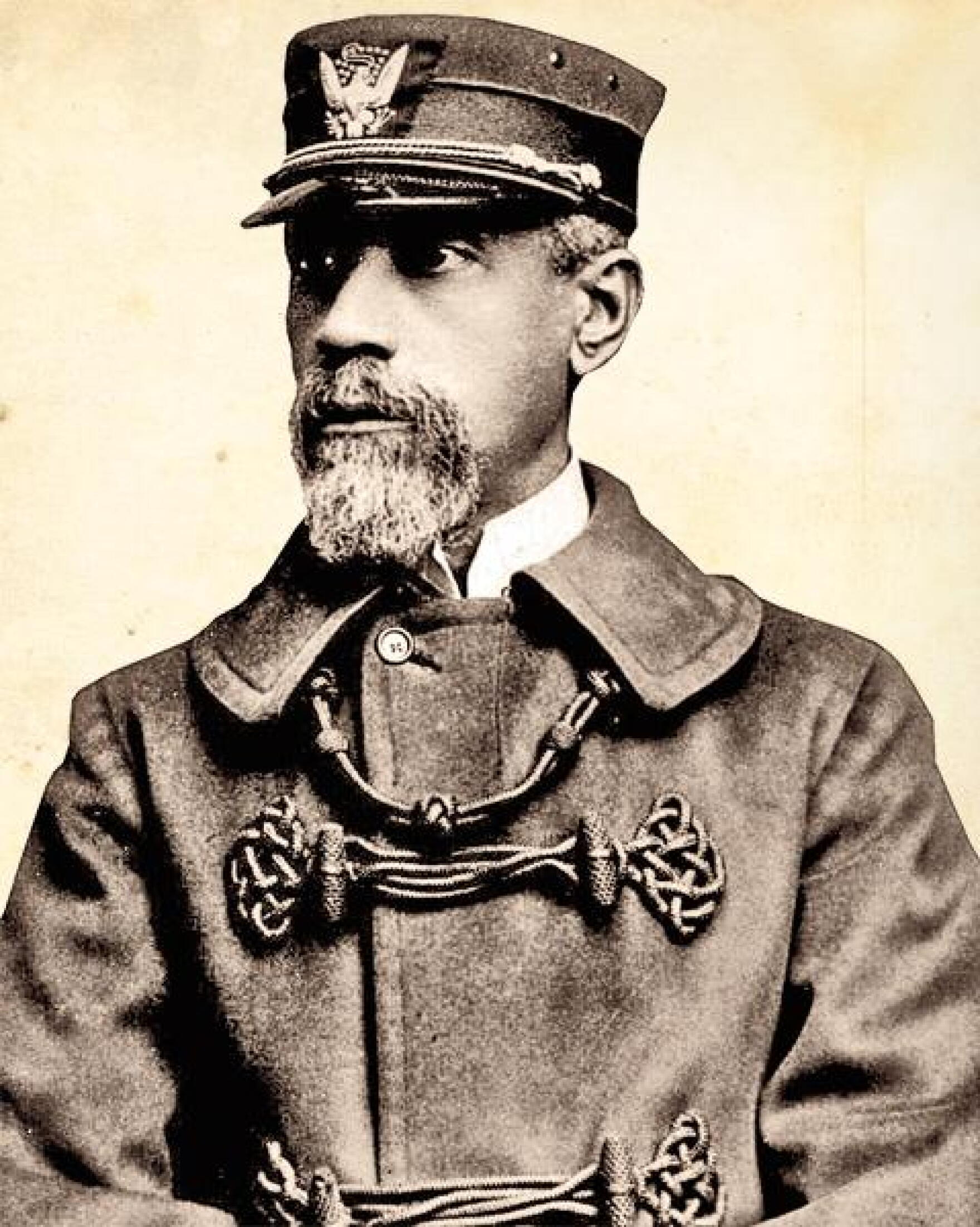
One of the greatest historical oversights in the story of the town named for Chaplin Lt. Colonel Allen Allensworth is that we know the names of its founders but often not the names of the dozens of Black Veterans whose labor transformed a vision into a functioning town.
History remembers Colonel Allen Allensworth and Professor William Payne because their leadership, essential. Yet the 900-acre colony was built equally by men whose names appeared only briefly in voter rolls, land records, church registers, railroad payrolls, military discharge papers, and family memories. The legacy cannot be "contained" by the California State Parks Historic Allensworth effort, political winds and come and go... thus a complete legacy still missing.
These unnamed Black Veterans were the living foundation of Allensworth. Our California Buffalo Soldiers Heritage Trail opens the archives, records, and seeks to unearth buried memories this special 160th Anniversary of the Buffalo Soldiers.
Chaplin Allensworth sought out residents had served in the 9th Cavalry, 10th Cavalry, 24th Infantry, and 25th Infantry, the four historic Buffalo Soldier regiments. Some had ridden thousands of miles across the deserts of Arizona and New Mexico. Others had guarded stagecoach routes, protected settlers, escorted survey parties, constructed military roads, and maintained communications across vast stretches of the American frontier.
A number of Buffalo Soldiers returned through the Presidio of San Francisco experiencing bloody jungle warfare during the Spanish-American War and the Philippine War campaigns. Nearly all had spent significant portions of their lives in isolated military posts where excellence and discipline were expected but equality was not guaranteed.
When these soldiers retired from military service, they faced a difficult reality. The nation they had served often offered them little opportunity for advancement. Housing discrimination, limited employment opportunities, segregated social institutions, and restricted access to capital confronted them throughout the West. While their uniforms commanded respect within military ranks, civilian life frequently reminded them that racial barriers remained firmly in place.
The California Colony and Home Promoting Association, the town of Allensworth represented an alternative future.
For many veterans, purchasing land in the colony was the first opportunity they had ever been offered to own property on equal terms. The promise was powerful: instead of spending retirement years as laborers on someone else's land, they could become landowners themselves. They could cultivate crops, establish businesses, build homes, and participate directly in local government.
The military experience shaped the culture these veterans brought to the colony. They understood responsibility to the larger community. They had learned to organize, cooperate, solve practical problems, and survive under difficult conditions. Building canals, maintaining roads, erecting structures, managing supplies, and operating under harsh environmental conditions were all skills familiar to former Buffalo Soldiers.
In many respects, Allensworth functioned as a civilian continuation of that experience.
The town's grain warehouses, agricultural operations, businesses, churches, and civic organizations reflected the disciplined habits veterans had developed during years of service. Residents understood that the colony's success depended upon collective effort.
Every home built, every acre cultivated, every child educated, and every business opened represented more than an individual achievement. It became evidence that African Americans could successfully manage their own institutions.
The veterans also understood something that many outside observers did not. They were not merely creating a place to live. They were creating a place to belong.
For decades, Black soldiers had been assigned to remote western posts where they protected communities from which they were often excluded socially and politically. In Allensworth they sought to create a town where their families could enjoy the benefits of citizenship that their military service had helped secure. The colony offered stability for wives, opportunity for children, and dignity for aging veterans.
Some became farmers. Others became craftsmen, laborers, merchants, teamsters, stockmen, railroad workers, church leaders, or civic officials. Together they created the economic engine that made Allensworth one of the most successful African American settlements in California before World War I.
Equally important was their role as examples for younger generations. Children growing up in Allensworth witnessed Black veterans who owned property, operated businesses, voted, held public office, built institutions, and commanded community respect.
In an era when national media and political leaders often portrayed African Americans through degrading stereotypes, these veterans embodied an entirely different reality.
The community's schools, debating societies, library, churches, and musical organizations reflected the veterans' belief that progress required preparation. Many former soldiers had learned firsthand that education was a pathway to advancement. Consequently, they supported the educational mission of the colony with the same seriousness they once devoted to military duty.
Seen through this lens, the 900-acre colony was not simply an agricultural settlement. It was our California Black Veterans Agriculture town.
The same men who had guarded frontier forts now guarded a vision. The same soldiers who had built roads across the West now built streets, homes, and institutions. The same Buffalo Soldiers whose service helped secure America's expansion now labored to secure a future for their own families.
Today, few visitors to Colonel Allensworth State Historic Park know the names of these men. Yet their collective legacy surrounds every reconstructed building and every surviving pathway. They were the farmers who planted fields, the fathers who supported schools, the church members who sustained congregations, the entrepreneurs who opened businesses, and the veterans who demonstrated that military service could become community leadership.
If Chaplin US Army Lt. Colonel Allensworth was the architect of the dream, these unnamed Buffalo Soldiers were its builders.
Their story reminds us that the history of Allensworth is not only the biography of one remarkable officer. It is the story of an entire generation of Black veterans who sought to transform sacrifice into ownership, service into citizenship, and hope into a permanent community on 900 acres of California soil. In doing so, they created one of the most important Buffalo Soldier legacies in the American West
Add Your Comments
We are 100% volunteer and depend on your participation to sustain our efforts!
Donate

$30.00 donated
in the past month
Get Involved
If you'd like to help with maintaining or developing the website, contact us.
Publish
Publish your stories and upcoming events on Indybay.
Topics
More
Search Indybay's Archives
Advanced Search
►
▼
IMC Network