


 Publish to Newswire
 Add an Event
From the Open-Publishing Calendar
From the Open-Publishing Newswire
Indybay Feature
Unions, Pensioners Dig in as France's Strike Movement Grows
Nation-wide strikes continue to grow in France as workers, retirees, students and teachers demand wage increases in an attempt to keep up with the rising costs of living.

PARIS (11-17) – The government’s offer to increase the monthly wages for six million public employees by €34 ($37) has been rejected by unions who have made it known as insufficient to keep up with the escalating cost of living, thus giving impetus to another nationwide strike and march by public sector workers across France on November 17 in bringing attention again to their demands for a greater increase in pay as they see their salaries’ buying power shrinking.
The effort to buy off the public sector workers with such a small increase is an indicator of a government mostly run by the rich completely out of touch with those whose lives depend on a monthly salary.
An offer made by the government is to increase the minimum wage for workers to €1,502 a month ($1,654). The offer is seen as too little and has caused the workers and unions to dig in for a net increase of €100 to €150 ($110-$165) a month with future annual wage increases based on inflation, that in October was 3.4 percent in France.
France’s 17 million pensioners are also striking ahead of a final decision regarding a statutory 1.8 percent increase in their 2027 retirement benefits for those earning €1,260 ($1,384). For those receiving more than €1,260 the government is proposing to freeze any increase. Both proposals are being rejected by retirees.
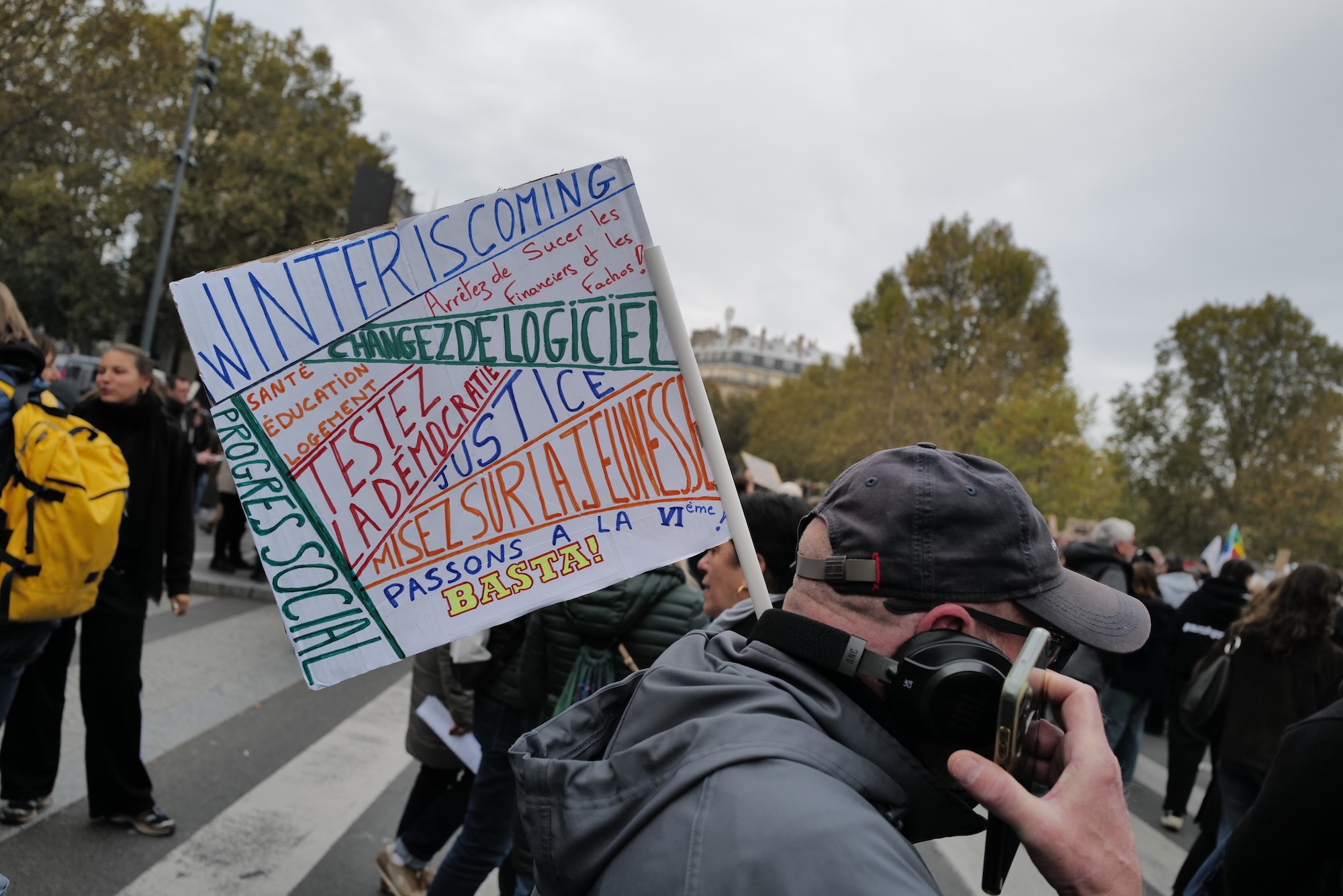
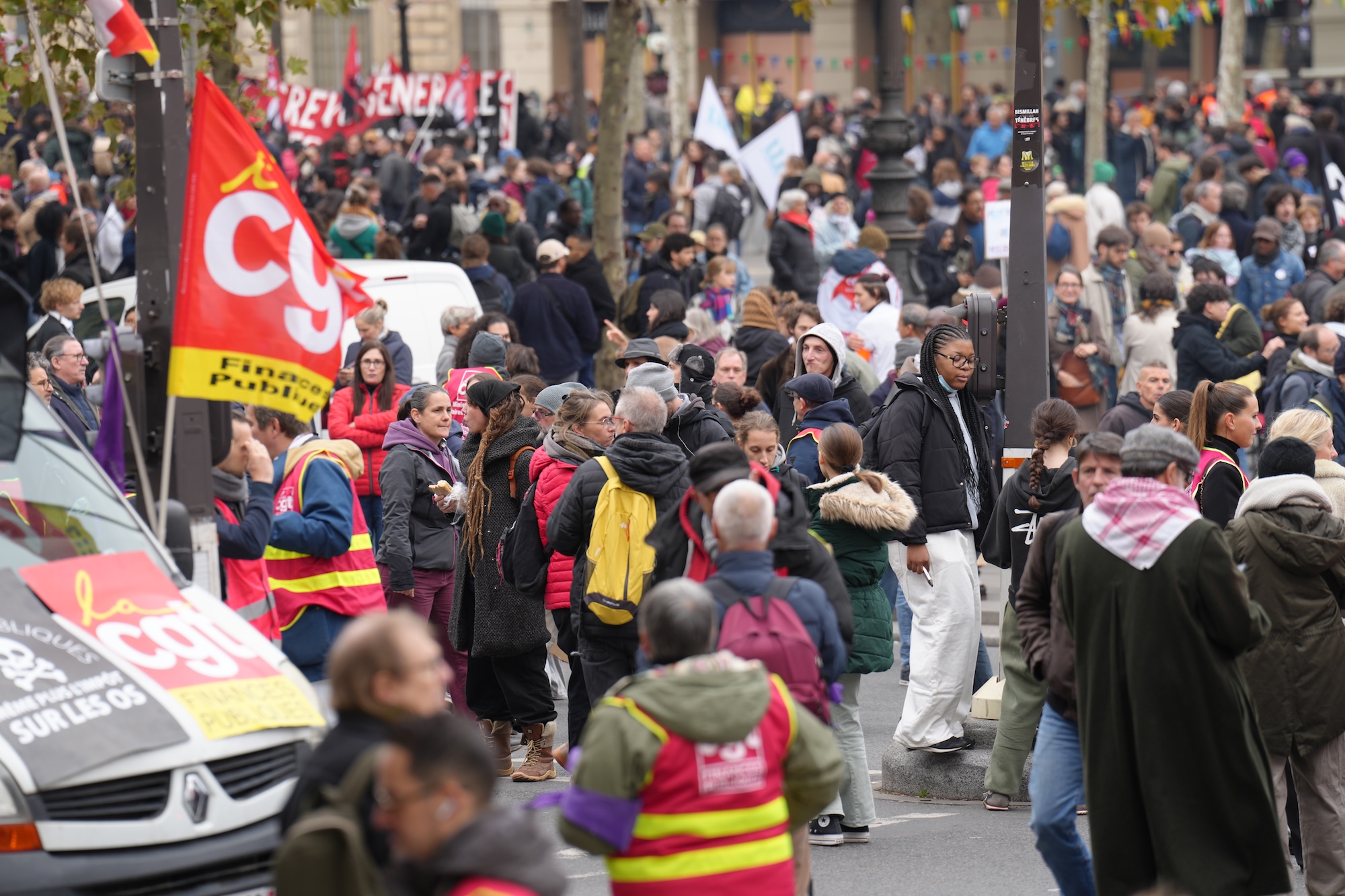
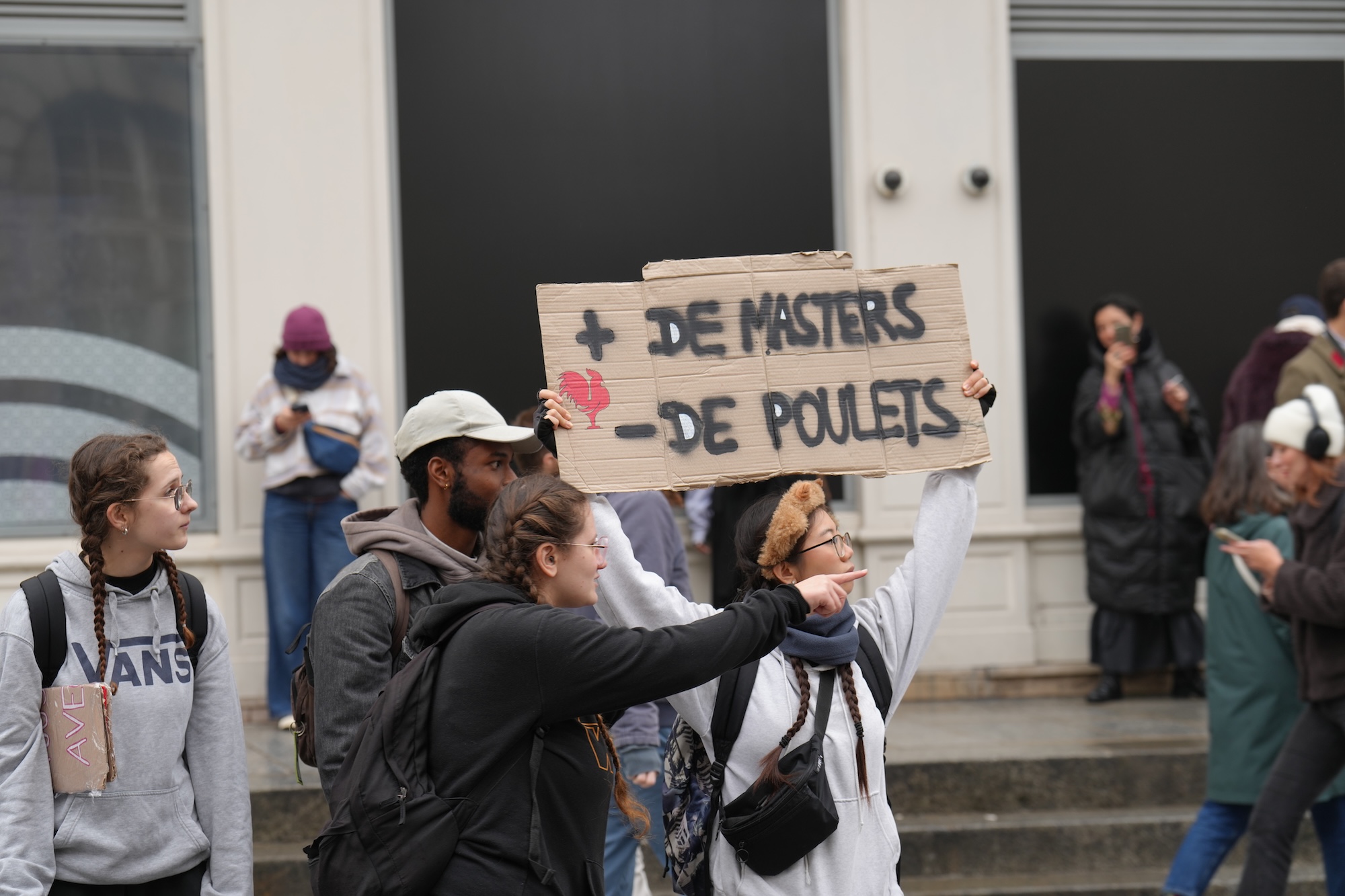
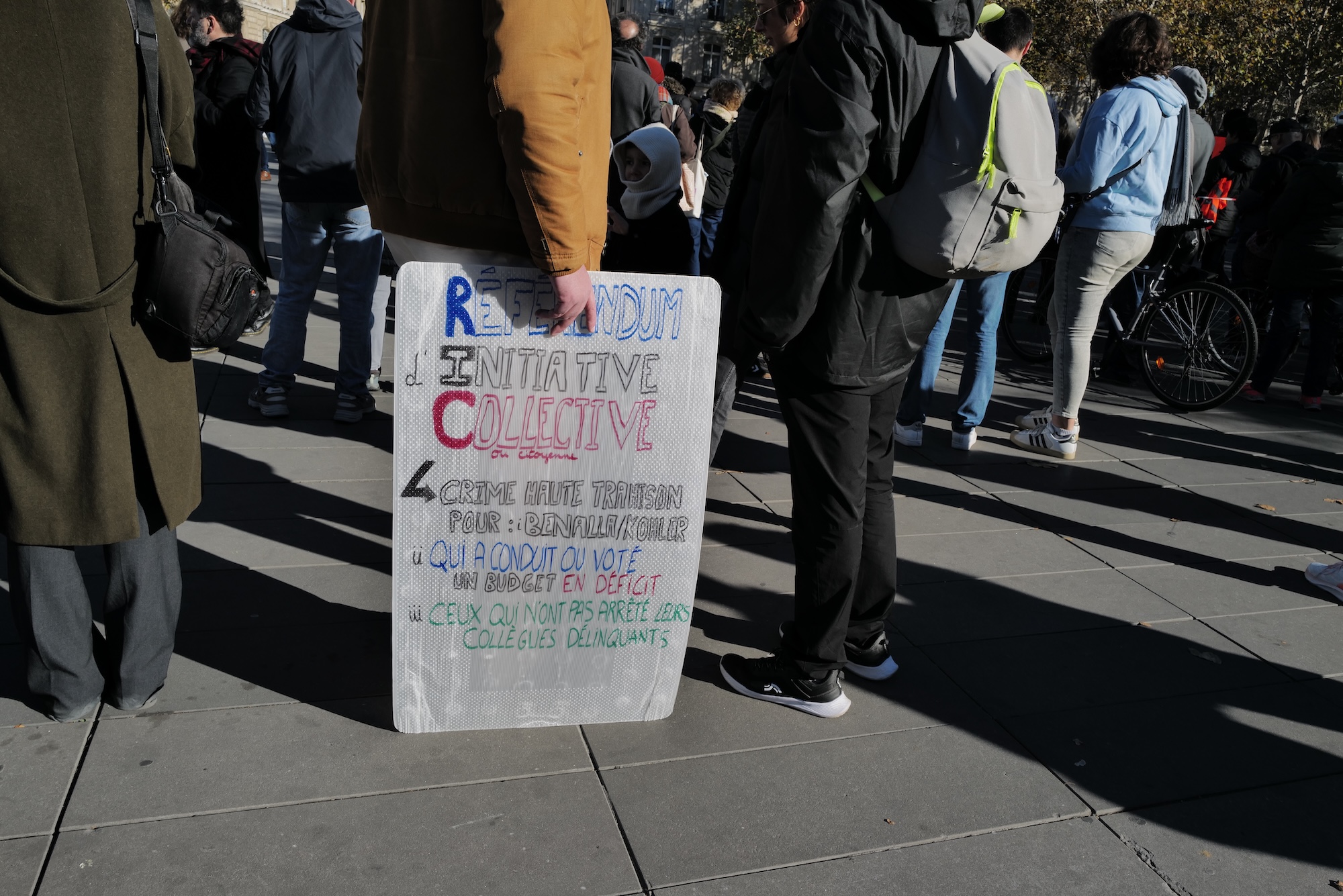
The strike and march saw union members, public and private-sector workers, railway workers, high school and university students, teacher union members and gilets jaunes (yellow jackets) joined in solidarity and clamoring for the reforms they have been demanding for the past two months with no resolution in sight.
Another proposal being considered by the “lame-duck” government would replace public employees with lower-cost private contractors, shifting responsibility for negotiating wages, benefits, and retirement plans to those contractors. The unions are up in arms over this and promise to dig in further by continuing their nationwide strikes until they realize all their goals.
The government for its part has said that it will address issues around wage increases for public sector workers on December 11. This tactic indicates they are hoping the strike momentum that continues to build will instead burn itself out offering them an upper hand in negotiations.
Even so, the financial strain of the upcoming holidays is likely to strengthen strikers’ resolve. This is a difficult time of year, when added personal expenses for celebrations and winter heating weigh even more heavily on household budgets.
Another government concern is what it terms “sick leave benefits abuse.” As costs continue to rise for the program, officials are considering new rules to change the benefits and eligibility requirements—proposals that have drawn opposition from unions and workers.
The government is also weighing further austerity measures in its 2027 budget to avoid a financial collapse. Meanwhile, students and strikers across Europe see a path to higher wages and benefits, as reflected in protest signs, to wit: cutting defense spending for war and redirecting those savings to ease the cost of living for working-class families and retirees.
To maintain control over student assemblies this week, police have taken an unusual step to ban unauthorized gatherings or marches within a 100-meter perimeter around ten highs schools and five universities in Paris until Friday, November 20.
Report and photos by Phil Pasquini
© 2026 nuzeink all rights reserved worldwide
For more information:
https://www.facebook.com/media/set/?vanity...









Add Your Comments
We are 100% volunteer and depend on your participation to sustain our efforts!
Donate

$30.00 donated
in the past month
Get Involved
If you'd like to help with maintaining or developing the website, contact us.
Publish
Publish your stories and upcoming events on Indybay.
Topics
More
Search Indybay's Archives
Advanced Search
►
▼
IMC Network