


 Publish to Newswire
 Add an Event
From the Open-Publishing Calendar
From the Open-Publishing Newswire
Indybay Feature
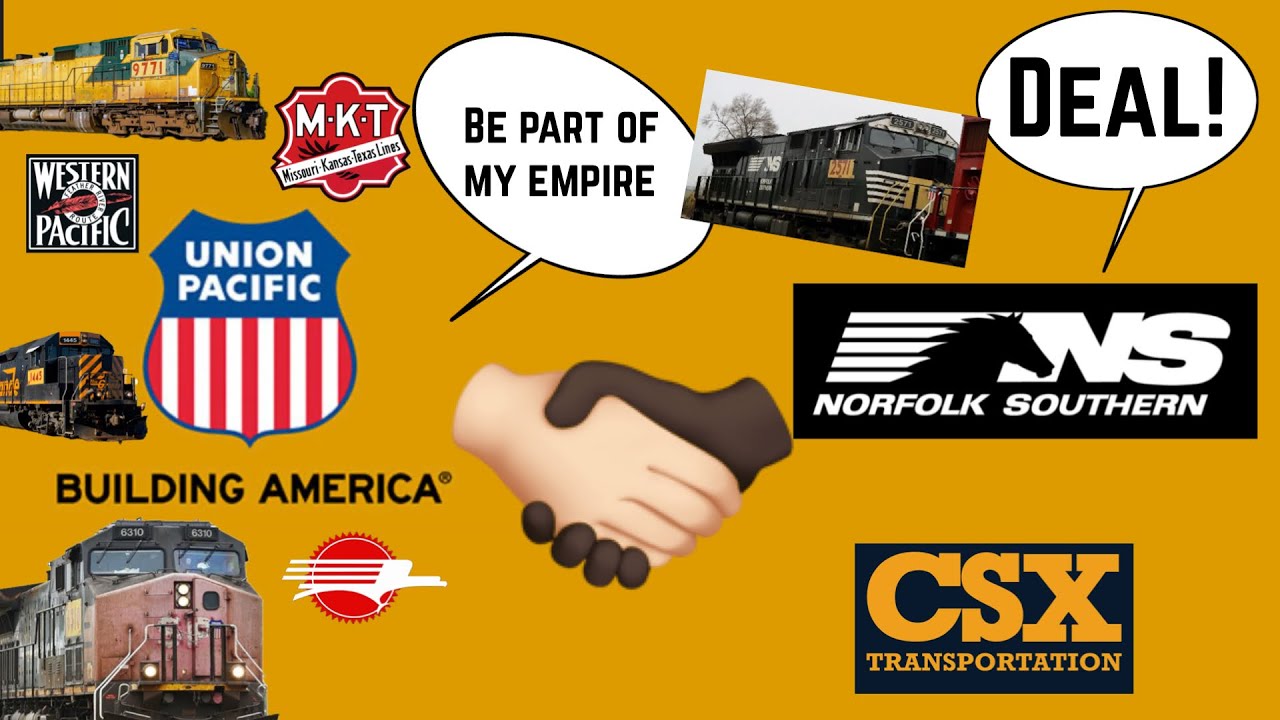
National Day Of Action To Stop Union Pacific-Norfolk Southern Rail Merger-BA Rally At Port
 Import event into your personal calendar
Date:
Saturday, November 21, 2026
Time:
12:00 PM
-
1:00 PM
Event Type:
Press Conference
Organizer/Author:
RWU Called National Day Of Action
Location Details:
Oakland Shoreline Park
32777 Middle Harbor Rd, Oakland, CA 94607
32777 Middle Harbor Rd, Oakland, CA 94607
11/21 Saturday National Day Of Action To Stop Union Pacific-Norfolk Southern Rail Merger-BA Rally At Port Of Oakland 12:00 noon pm
STOP The Derailments & Contaminating Workers & Communities, Public Rails NOW!
Oakland Shoreline Park
32777 Middle Harbor Rd, Oakland, CA 94607
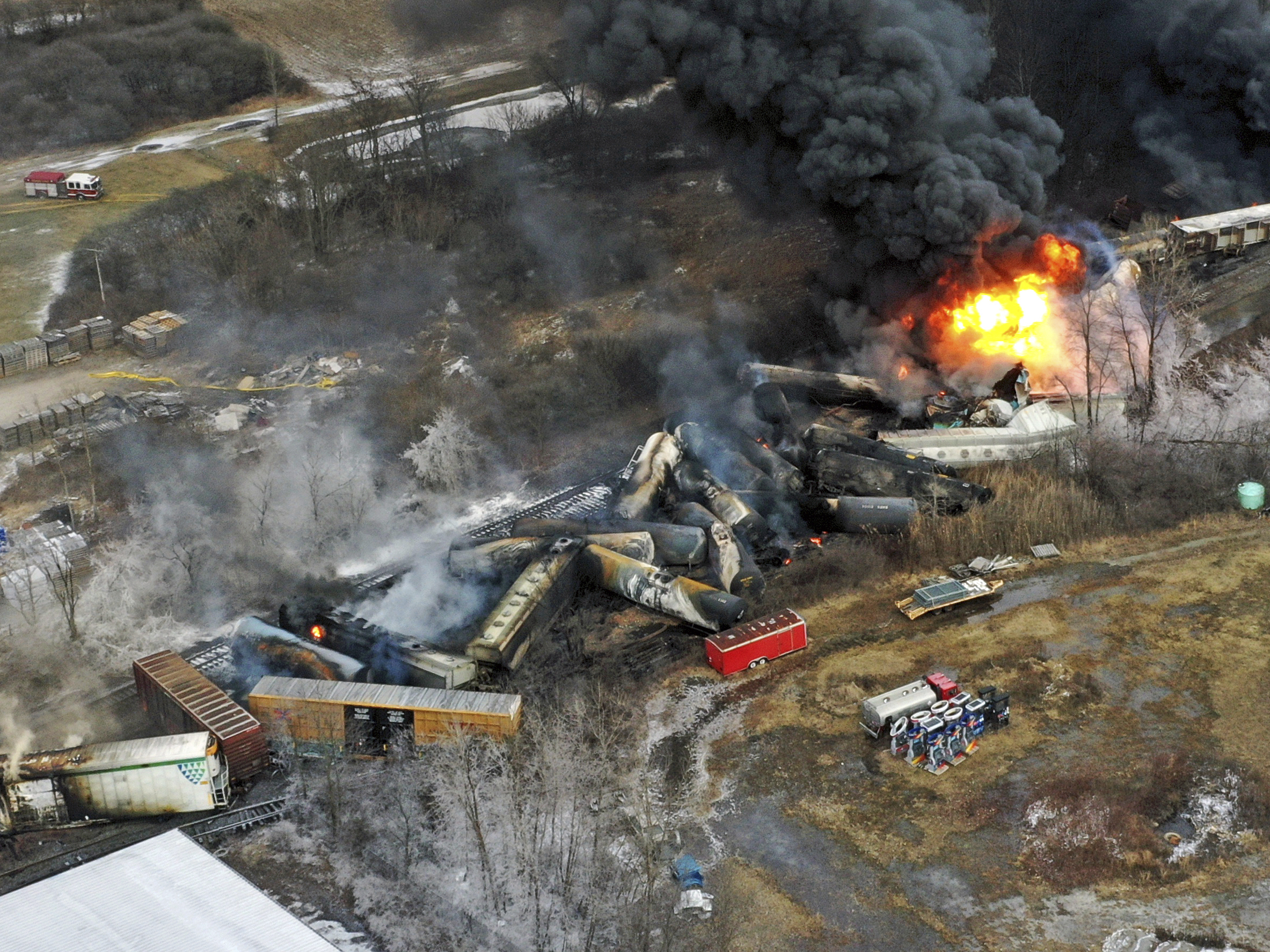
On November 21, RWU has called for a national day of action against the merger of NS and UP. We should work to have actions in every city and community we can and do videos of what the crimes that they and the cover-ups that have been committed are in these various communities including the continued train wrecks after East Palestine. . The residents and workers are still being contaminated and some are stuck in their homes because of the failure of the government, Democrats and Republicans to use the Stafford Act to provide healthcare and funds to pay for their homes so they can move out.
https://myemail.constantcontact.com/RWU-Special-Bulletin---Help-Spread-the-Word---Stop-the-UP-NS-Merger--.html?soid=1116509035139&aid=-g8diTnIPv8
Union Pacific’s steam locomotives Big Boy No. 4014 (https://www.up.com/about-us/history/steam/big-boy-4014) and Living Legend No. 844 (https://www.up.com/about-us/history/steam/living-legend-844) will make a special trip from Cheyenne, WY to Denver, CO on Saturday, November 21st. Thousands of citizens are expected to turn out to see - and ride behind - these fantastic pieces of railroad history.
Meantime, Union Pacific has been struggling in recent months to convince the Surface Transportation Board (STB), the government at all levels, and of course the American people that their ill-conceived merger with the Norfolk Southern is in everyone's interest, despite the fact that the vast majority of citizens, shipping groups, railroad workers and their unions are opposed to the creating of such a mega-railroad with untold monopoly power.
This past spring/summer, the railroad conducted a coast-to-coast tour of their historic steam train, making stops at dozes of communities along the way. Many folks viewed the event as a bit of a propaganda tour, an opportunity to build public relations and to tout the proposed mega-merger. RWU members and supporters were on hand at more than a dozen locations - including Portola and Roseville, CA, Ogden, UT, West Chicago, IL, Philadelphia, PA, Fostoria, OH and St. Louis, MO to help educate the public about the detrimental effects that such a merger would have on rail workers, trackside communities, farmers, shippers, Amtrak and passenger rail, competition, inflation, and the economy as a whole. We handed out thousands of flyers and leaflets, and hundreds of stickers and buttons.
This coming November 21st might be our last chance to reach the public in such a manner. We encourage all rail workers - and all concerned citizens in the "Front Range" area - to turn out and assist with handing out information to the general public. Please contact us at info [at] railroadworkersunited.org. Feel free to make copies of flyers and leaflets at the links below, and to order stickers and buttons from the RWU Store. Together we can Stop the Merger!
Endorsed By Railway Workers United, WorkWeek, United Front Committee For A Labor Party,
For endorsement and to speak
labormedia1 [at] gmail.com
Multi cancers killed my husband richard blakeman he was riddled with cancer . Pike cleanup
by Mary Blakeman (mary.blakeman62 [at] gmail.com)
Wed, Aug 27, 2025 9:59AM
My husband Richard Blakeman better known as Ricky at pike sanitation. He and four other men were drivers that was part of the beginning of the plant cleanup and removal of contaminated materials from the plant. My husband was diagnosed with bone cancer from head to toe,lung cancer and bladder cancer. In a five year time frame all the drivers he drove with all parished from cancers that ate them up I feel the plant should compensate all the widows and their children for the horrible diress and heart aches we all suffered from watching our men suffer horrible before they died. Trying to move on and survive is an every day struggle for me. Please hear us and do something to help pike county survivors.Thank you for your time.
Norfolk Southern got safer after Ohio crash. Unions warn of merger risk
https://www.gmtoday.com/business/norfolk-southern-got-safer-after-ohio-crash-unions-warn-of-merger-risk/article_eac40554-12db-4a6e-b4cf-0a37894139ad.html
Emma Hurt - The Atlanta Journal-Constitution (TNS) Nov 10, 2025 Updated Nov 10, 2025
BIZ-NORFOLK-SOUTHERN-SAFETY-AT
Workers are seen at the Norfolk Southern Training Center in McDonough, Georgia, on Friday, March 7, 2025.
Arvin Temkar/The Atlanta Journal Constitution/TNS
In the two and half years since Norfolk Southern’s devastating train derailment in East Palestine, Ohio, the company has undergone what it calls a “safety transformation.”
The 2023 derailment was a wake-up call for Norfolk Southern and the industry. The crash, fire and chemical plume forced the town to evacuate, and residents still fear long-term effects of pollution.
The Atlanta-based railroad has since recruited unions and regulators to advise its effort to remake a safety culture and has trumpeted its progress.
It has spent hundreds of millions on new digital train inspection technology to prevent derailments. It has adjusted trainings across the company from its academy to its leadership to continuing education in the field.
In its most recent quarterly earnings, the company touted its year-to-date personal injury and train accident rates have dropped 8% and 28% respectively, compared to 2024.
But as Norfolk Southern nears a potential merger with Omaha-based Union Pacific, some union leaders say they’re concerned about the safety implications of such a massive consolidation.
Last year, federal rail regulators canceled a safety culture assessment at Union Pacific alleging the railroad coached employees and threatened discipline.
Railroad mergers of the past have infamously caused service meltdowns.
Some industry observers worry the combination of Norfolk Southern and Union Pacific, the largest rail industry merger to date could trigger an even worse situation.
The combined railroad, which promises to create the country’s first transcontinental railroad company, would cover more than 50,000 miles across 43 American states and control nearly half of U.S. rail tonnage.
Company leaders have said they’re committed to learning from past mergers’ mistakes to unite their operations safely and in a way that minimizes disruption.
But in a memo against the merger, Union Pacific’s competitor BNSF warned the deal could cause “supply chain chaos” and service disruption that will extend “to the entire U.S. rail network and supply chain as failed merger integrations always have.”
Forty members of the American Chemistry Council have also come out against the deal, warning it would disrupt service, increase costs and make U.S. manufacturing less competitive.
“Safety is a function of … consistency and predictability and accountability,” said Rick Paterson, an independent transport industry analyst.
Employees “know what they’ve got to do, and they’re held to account by their managers. It’s a disciplined, predictable, stable, accountable environment, and that’s where safety is maximized,” he said.
“And as you can imagine, you do a mega merger, and all those things take a hit. You haven’t got stability, you haven’t got predictability, and you’ve got a lot of people running around with their hair on fire.”
John Orr, chief operating officer of Norfolk Southern, told The Atlanta Journal-Constitution in a recent interview that a safety plan will be an important part of the companies’ upcoming application to the Surface Transportation Board. Union Pacific’s CEO has promised to file it before Dec. 1.
That safety plan “will include the elements that have helped to improve (Norfolk Southern’s) safety record for the last 18 months,” Orr said.
“We’re going to continue that path and be very aware,” he said. “Our objective is to continue to keep people focused, keep our safety systems as robust as we have to date, and have that integration as seamless as possible.”
In a statement to the AJC, Union Pacific spokeswoman Robynn Tysver said: “The combined company’s focus will remain on ensuring every employee goes home safe to their families and protecting the communities where we operate. Both Union Pacific and Norfolk Southern have strong safety cultures and we will take the best from each railroad to create a cohesive, robust safety culture.”
Union Pacifichighlights that last year it saw a 23% decrease in personal injuries and a 20% decrease in derailment incidents.
Federal Railroad Administration safety data offers innumerable ways to track rail safety metrics.
A study of key figures adjusted for scale of the operation shows that Norfolk Southern’s overall accident rate has been lower than Union Pacific’s for the last four years. Its main line derailment rate has also largely fallen below Union Pacific’s since 2018.
Union Pacific’s injury rate, however, was better than Norfolk Southern’s last year.
‘Definitely a concern’
Union Pacific and Norfolk Southern both have about a dozen unions across their networks. The Brotherhood of Locomotive Engineers & Trainmen represents more than 10,000 members at both.
While the union hasn’t taken a stance on the merger, Mark Wallace, its national president, told the AJC that based on a recent review of 2024 safety data from the FRA, Norfolk Southern “has a far superior record in almost every category as compared to (Union Pacific).”
Crucially, he said, Norfolk Southern was also the first Class 1 railroad to implement a pilot of the agency’s independent, voluntary Confidential Close Call Reporting program, an effort to target the railroad industry’s long criticized cultural of pressure against reporting safety concerns.
Norfolk Southern, Wallace said, “is a little different than the other large freight carriers” because of that.
Union Pacific told the AJC that while it has committed to join the reporting program known as C3RS, it is still “working through the process.”
Wallace pointed to the railroad’s push into remote-control locomotive technology, which his union has criticized, as an example of Union Pacific’s operating model of “doing more with less.”
A Union Pacific spokeswoman defended the company’s safety record.
“Our record stands for itself, personal injury and derailment rates are down,” she said. “We’ve been very clear that both companies have best practices, especially when it comes to safety; we will take and learn from one another.”
Josh Hartford is special assistant to the president of the IAM union’s rail division, which has 35,000 members across both railroads. He said there is “definitely a concern” about safety related to the merger.
“There is a difference,” he said of the two cultures.
“I wouldn’t say Norfolk Southern is perfect by no means. I would say they have improved some. It is concerning on how Union Pacific has been acting with safety and in my opinion, disregard for the FRA trying to improve safety there.”
The disparities, he noted, are why his and other unions have been advocating for stalled federal railroad safety legislationthat would set national standards.
Efforts by the AJC to confirm the status of the FRA’s safety culture assessment at Union Pacific were unsuccessful because of the government shutdown. The company said the agency had planned to restart it just before the shutdown.
Last year, Union PacifictoldThe Associated Press it believed regulators’ concerns about the canceled assessment were about a message from one manager intended to educate employees and apologized for any “confusion.”
The SMART-TD union, which represents more than 14,000 Norfolk Southern and Union Pacific employees, has recently come out in favor of the merger after striking a deal that protects its members’ jobs.
But in an interview earlier this summer, the union’s safety and legislative director, Jared Cassity told the AJC that Union Pacific has a reputation as the “worst railroad in the country.”
“Ironically, Norfolk Southern used to own that reputation,” he said, but has seen improvement since the East Palestine crash.
In a separate interview after the deal, the union’s transportation division president, Jeremy Ferguson, declined to comment on the two railroad’s safety records, but noted Norfolk Southern’s progress has set it apart since East Palestine.
As to how to go about the merger in a safe way, he said they will do so “very carefully.”
“That includes not flipping the switch on day one and making everybody change … best practices for the last 30 years. We’re going to have to transition much, much slower than we ever have in the past,” he said.
For Ron Kaminkow, a recently retired engineer and trustee for Railroad Workers United, it doesn’t actually matter which railroad is merging.
The most recent one, between Canadian Pacific and Kansas City Southern was far smaller, he noted, but still caused disruption as the two tried to combine IT systems.
And disruption can quickly translate into safety problems, Kaminkow said.
“When things are buggered up on the railroad and crews are exhausted and fatigued, that’s never a safe work situation.”
‘Cannot have a misstep’
A hallmark of Norfolk Southern’s recent safety investments is its digital train inspection technology, which takes images of moving trains and uses a machine learning algorithm to prevent derailments.
The company has nine digital train inspection “portals” on its network and has created a smaller “wheel detection device” just for train wheels, Orr told investors on a recent earnings call.
He estimated the company has already prevented more than 40 derailments with the wheel inspection devices.
“That ability to take ideas, understand the business, convert them into actionable items, and then put them into field use at scale, is testament to the commitment we’ve got on safety,” he said.
The impending merger plans, Union Pacific spokeswoman Tysver said, will include Norfolk Southern’s technology as well as Union Pacific’s “Physics Train Builder,” which uses predictive technology to calculate rail car placement and power.
As the details are worked out, the stakes of avoiding a derailment and service disruption are high for the two railroads in this $85 billion deal.
Norfolk Southern CEO Mark George told investors last month it’s “of paramount importance” next year to “continue this quest toward improving and preserving a very safe railroad.”
“We cannot have a misstep,” he said.
“We’re going to learn from the lessons of the past. We’re going to study that carefully."
East Palestine residents cause a stir in Columbus, attempt to get emergency declaration
https://www.unionprogress.com/2023/06/15/east-palestine-residents-cause-a-stir-in-columbus-attempt-to-get-emergency-declaration/?mibextid=Zxz2cZ&fbclid=IwY2xjawSdX25leHRuA2FlbQIxMQBicmlkETF0RjM3SDJxazRKUTJwYXVQc3J0YwZhcHBfaWQQMjIyMDM5MTc4ODIwMDg5MgABHmYjpCPaEXWxbtRVPthXzva615Do0koBIgOY8PyhTEDDy6ikVUpTbNAcQlBI_aem_7ZFVPq1Ja2eGPkRq7Jq1tg
by Steve Mellon
June 15, 2023
This image from a video shared on Twitter shows a security official grabbing Jess Conard by the arm in the balcony of the Ohio House Chamber on Wednesday, June 15, 2023.
Sitting in the balcony of the Ohio House Chambers early Wednesday afternoon, Jami Wallace could hear lawmakers gathered below discussing the importance of making heart defibrillators easily available so lives could be saved.
Wait, Wallace thought, “OUR lives need to be saved.”
Earlier that day, Wallace and dozens of others had driven from the small town of East Palestine, Ohio, and surrounding areas to the Ohio State Capitol in Columbus. Their goal was to meet with Gov. Mike DeWine and persuade him to declare a state of emergency — an action that would unlock federal resources to assist residents who were, as one resident said, “doused with a toxic chemical cocktail” when a Norfolk Southern train derailed in early February.
With Ohio’s elected leaders sitting in the glow of ornate bronze chandeliers and discussing health, Wallace thought, “Now is the time.”
She stood up and called down to lawmakers, interrupting the official proceedings. Hours later, while driving home, she could not recall exactly what she said — there was a lot of adrenaline involved in the moment — but it was something about the town’s children being sickened by spilled chemicals. Perhaps it was “Save our kids.”
Her outburst definitely got the attention of lawmakers. And security officers. Within moments, two men in suits descended upon her.
That’s when fellow East Palestine resident Ashley McCollum stood up and joined in. By then, a TV crew on the House floor had taken notice and focused a camera on the protest. The video, aired later on a Columbus TV station, shows McCollum calling out, “Our houses aren’t safe. I can’t breathe in my house.”
Men in suits escorted both women up a set of steps and toward the balcony exit.
Then came Jess Conard’s turn. She lives 2 miles from the crash site. The toxic train was ablaze as it passed her house on Feb. 3. She stood and held aloft a handmade sign reading, “Declare Emergency Now.” She called out to the legislators about the dangers of vinyl chloride, one of the toxic substances spilled in her town. A tall bald man in a suit quickly approached Conard and began escorting her out. While walking toward the exit, Conard continued speaking. She listed symptoms residents are experiencing.
“Nosebleeds,” she said. “Neurological symptoms. Tremors. Seizures.” Now she was standing at the back of the balcony, with Wallace and McCollum. “Please declare an emergency declaration,” she called out.
That’s when the bald man grabbed her by the arm, yanked away her sign and began pushing her toward the exit.
“Don’t put your hands on her,” Wallace demanded.
As the three women were escorted through an exit door, Wallace made one last plea: “Save our kids!”
Once outside the chambers, McCollum felt numb. She’d never done anything like this. A year ago she was living a quiet life, now she was yelling at legislators. She found it impossible to discuss the moment — “I couldn’t make words,” she said.
The women’s protest had upset a boy visiting the chamber. As she was exiting the balcony, McCollum saw the tears in his eyes. “I pictured my own son crying,” she said — crying because his family had to leave home in the aftermath of the derailment, crying when a fire alarm went off in a hotel where the family has been living temporarily. “I relived all of that,” McCollum said. “It hurts to see kids crying.”
Afterward, the women apologized to the weeping boy’s mother. “I didn’t mean to scare your child while fighting for mine,” Wallace said.
Wallace later recalled the mother’s response: Don’t worry about it. The mother said she knew what was happening in East Palestine and had explained it to the boy. She used the women’s protest to explain to him the importance of using your voice to stand up for yourself and others.
Wallace doesn’t think of herself as a natural protester. To her, however, this extraordinary situation required an extraordinary effort.
“As parents we all say we’d fight to death for our children,” Wallace said. “Now is the time to back up those words. We’re literally fighting for our children’s lives.”
• • •
After being escorted from the House Chambers, the three women made their way to the capitol rotunda to join other East Palestine residents and supporters who were holding signs and chanting, “This is what democracy looks like,” and “We want an emergency declaration today.”
It was part of a day of activism conducted by about 50 East Palestine residents and their supporters. Those affected by the derailment feel political leaders and the news media have forgotten about them and the dangers they face.
“We really wanted to help people understand there is still a very serious need in East Palestine,” Conard said. “Our lives have been disrupted, and no one is listening.”
A number of East Palestine residents continue to face financial hardships, health issues and uncertainty, she added. On Wednesday they were determined to leave an impression, even if it offended some.
Ohio Speaker of the House Jason Stephens told a TV reporter he felt the women’s disruptive tactic in the balcony was counterproductive. “I think when folks do that, they actually lose the influence as opposed to the real impact of having meetings and sitting down,” he said.
McCollum was having none of it. “We’ve tried that,” she said. “We’ve been trying to get in touch with our representatives for 4½ months now. We’re being left behind.”
• • •
Conard, who grew up in East Palestine, is frustrated on several levels — by inadequate testing that she said fails to answer residents’ questions about the safety of their homes, their water and their air; by DeWine’s reluctance to declare an emergency; and by the federal Centers for Disease Control and Prevention.
The CDC, she said, has indicated it can do little once dioxins are already in a person’s body. “The plan is to wait until we get cancer because they can treat our cancer,” she said. “That’s what we’re dealing with. That’s why we came to Columbus.”
Conard said she wants everyone in the community to be covered by Medicare for life. That’s what happened in Libby, Mont., where a vermiculite mine unleashed deadly airborne asbestos that killed hundreds. In 2010, lawmakers in Washington, D.C., made certain Medicare covered the entire community.
Zsuzsa Gyenes, who lived a mile from the crash site and is now staying with her family in a hotel, said Wednesday’s actions were a good first step but more needs to be done. “I definitely feel we’ll need to go back,” she said. “I don’t think DeWine will take action from this, but we definitely got his attention. He can’t run from us forever.”
At one point on Wednesday, the East Palestine residents walked to DeWine’s office and asked to speak to him. The governor wasn’t in, they were told. A DeWine staff member “acted like he’d never heard of us,” Gyenes said. This left her disappointed — East Palestine residents have reached out to the governor’s office on a number of occasions. “At least we got on their radar today.”
Gyenes worries about what she calls the “chemical cocktail” residents have been exposed to in the aftermath of the derailment. The mix of chemicals spilled from damaged rail cars is more dangerous than the individual chemicals themselves, she said. Exactly what is that danger?
“There is no data,” she said. “Typically towns are not doused with all these chemicals. We’re the guinea pigs.”
She feels some urgency in getting DeWine’s involvement. She’s heard Norfolk Southern will soon cease reimbursements to families living hotel rooms because of unsafe conditions in their homes.
“I still don’t have a home to go back to,” she said. “Norfolk Southern brags about all the money they’ve spent, but it’s only putting us in purgatory life.”
• • •
Among those who traveled to Columbus were six people from Pittsburgh, including Andrew Woomer, advocacy coordinator for Pittsburgh’s Clean Air Council, which has been furnishing high-quality air purifiers to people in East Palestine.
“We try to support these folks by coming out,” he said. “The media has moved on, and in many ways it’s not a hot button issue for officials anymore. So continuing to show up for people is really important.”
For more information:
https://myemail.constantcontact.com/RWU-Sp...
Added to the calendar on Sat, Nov 7, 2026 7:00PM

Add Your Comments
We are 100% volunteer and depend on your participation to sustain our efforts!
Donate

$55.00 donated
in the past month
Get Involved
If you'd like to help with maintaining or developing the website, contact us.
Publish
Publish your stories and upcoming events on Indybay.
Topics
More
Search Indybay's Archives
Advanced Search
►
▼
IMC Network