



 Publish to Newswire
 Add an Event
From the Open-Publishing Calendar
From the Open-Publishing Newswire
Indybay Feature
How Domestication Has Affected Once Wild Animals
Animals have been domesticated for thousands of years, starting with the first wolves that early cave men fed. However, recently domestication and altering species has taken it's toll on the species health.
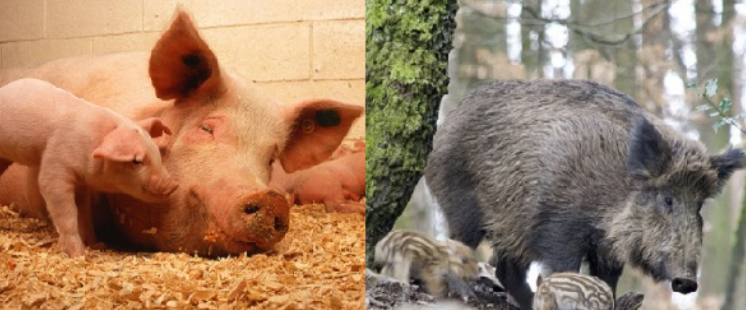
Evolution is normal, and wonderful in many cases. This progression shows the species desire to survive. Over millions of years, humans evolved from early primates. Evolution is natural, but domestication is not. selective breeding has led to over 500+ dog breeds, 400+ horse breeds, and 73 cat breeds, dogs evolving from Wolves, horses from Wild Mustangs and cats from African Wildcats.
Some domesticated breeds like pugs, race horses, and Scottish folds are very unhealthy and are at a higher risk for many health conditions compared to their wild counterparts. Selective breeding has lead to many unique colors, shapes, and sizes. However slective breeding has also lead to the decrease of any involved species’s health and inbreeding with the ‘perfect’ individual.
when comparing wild animals of the domestic animal’s origin to the domesticated species -especially in farm animals- muscle type and fur/feathers/scales are so altered or gone in some species. Additionaly, domesticated animals are often larger, so they produce more meat or product. This results in a higher amount of unhealthy and/or deformed animals especially when adding in the inhumane conditions on factory farms.
Beloved pets or farm animals, they both suffer from this. Cut off of their evolution track and modified and shifted faster than naturally, nature does not agree with these ways. pugs eyes will someday explode inside their heads because of the selective breeding happening now. race horses live shorter lives than wild horses and have fragil bird-like bones. genetically mutated with growth hormones, domestic pigs on farms develope disorders that disable them from walking without pain.
Selective breeding and other methods industrially used to evolve animals like something in a child’s game are inhumane, and need to be changed before pug’s eyes explode into their brains, before racehorses can’t support themselves and before domestic pigs can not stand up.
For more information:
https://www.sciencing.com/advantages-disad...
Add Your Comments
We are 100% volunteer and depend on your participation to sustain our efforts!
Donate

$55.00 donated
in the past month
Get Involved
If you'd like to help with maintaining or developing the website, contact us.
Publish
Publish your stories and upcoming events on Indybay.
Topics
More
Search Indybay's Archives
Advanced Search
►
▼
IMC Network