



 Publish to Newswire
 Add an Event
From the Open-Publishing Calendar
From the Open-Publishing Newswire
Indybay Feature
French Unions Protest Cuts on Education, Public Sector Funding
French unions and workers along with students continue to pressure the government on the high cost of living and proposed budget cuts for 2027, with yet another massive nationwide protest.
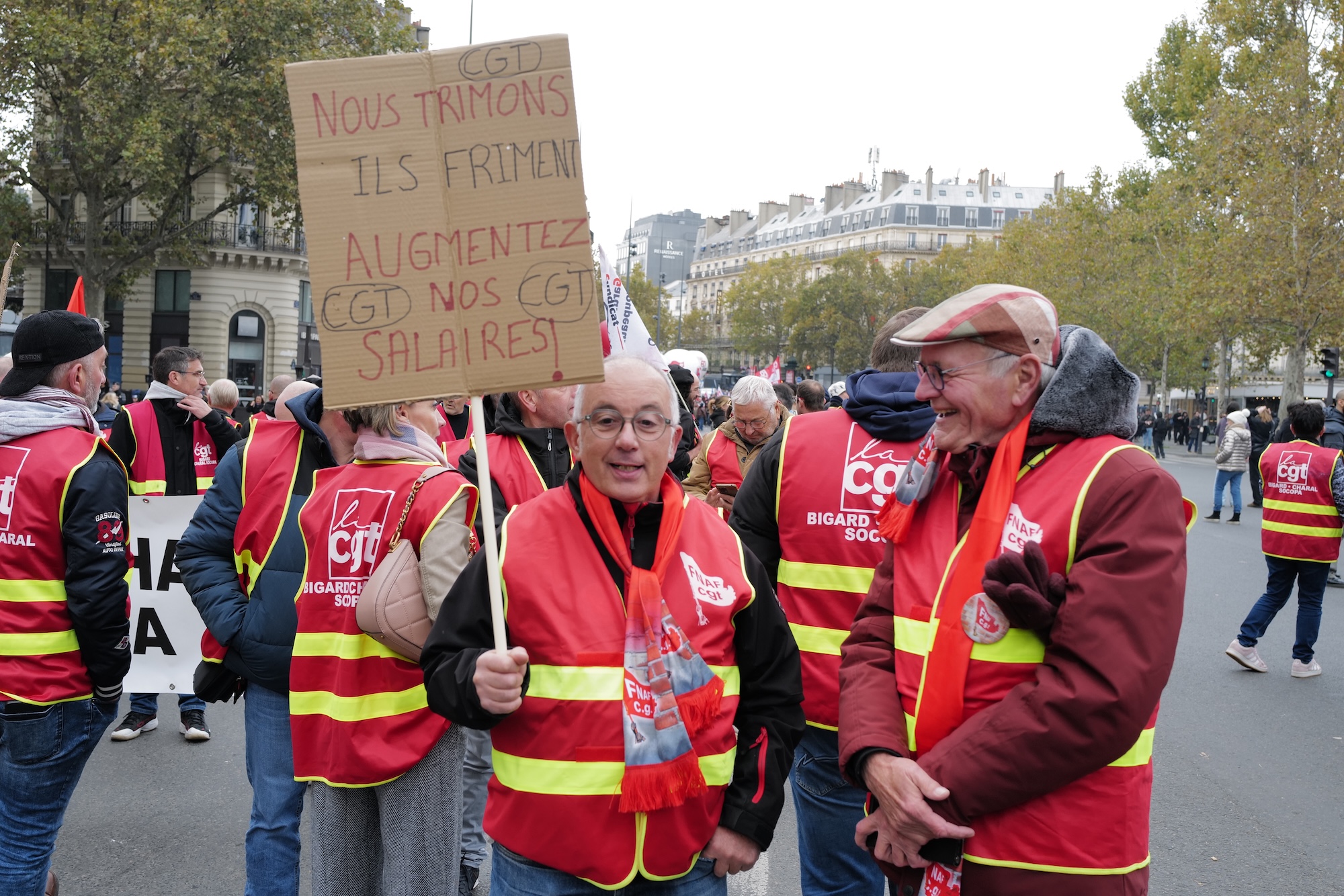
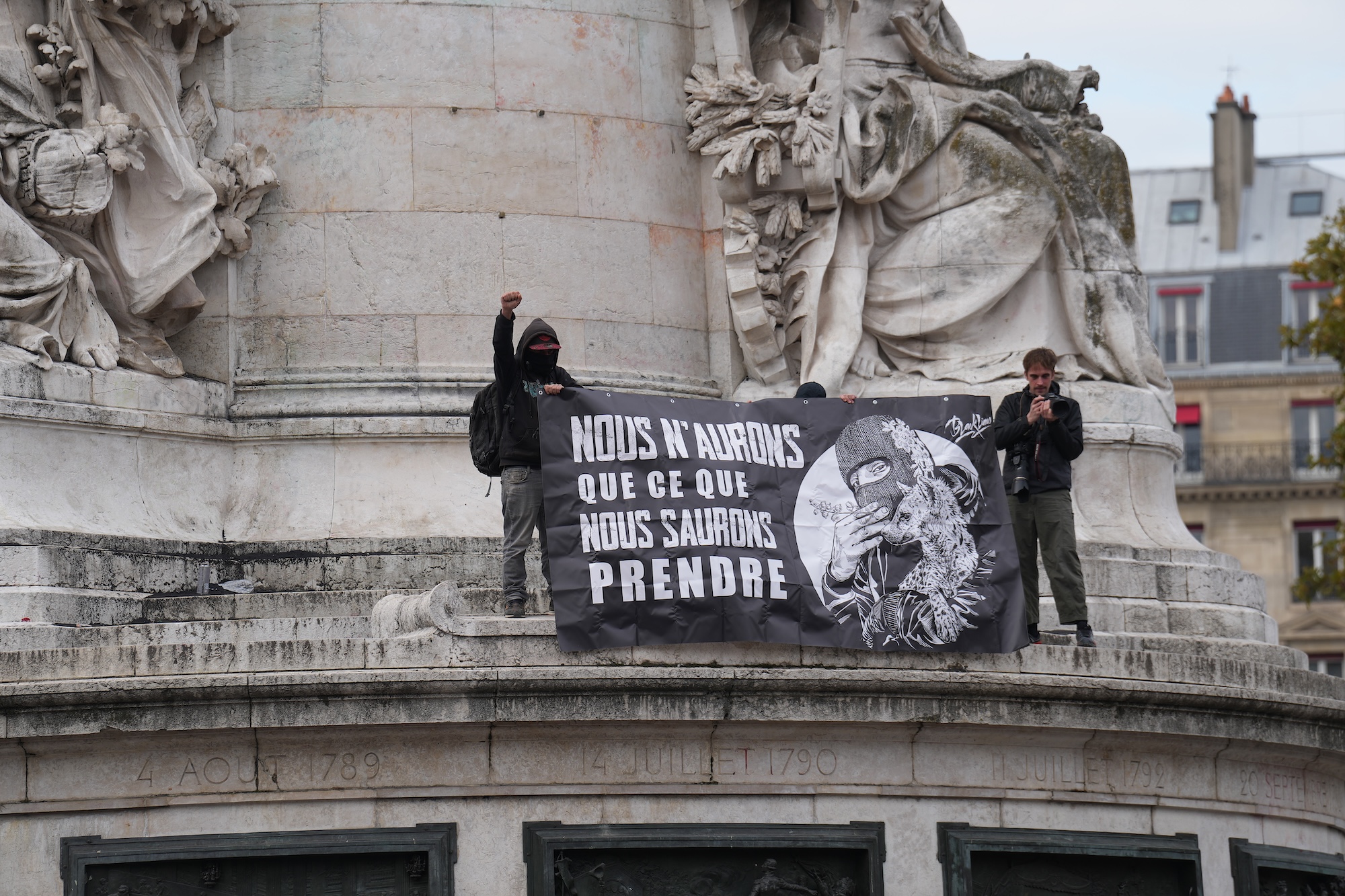
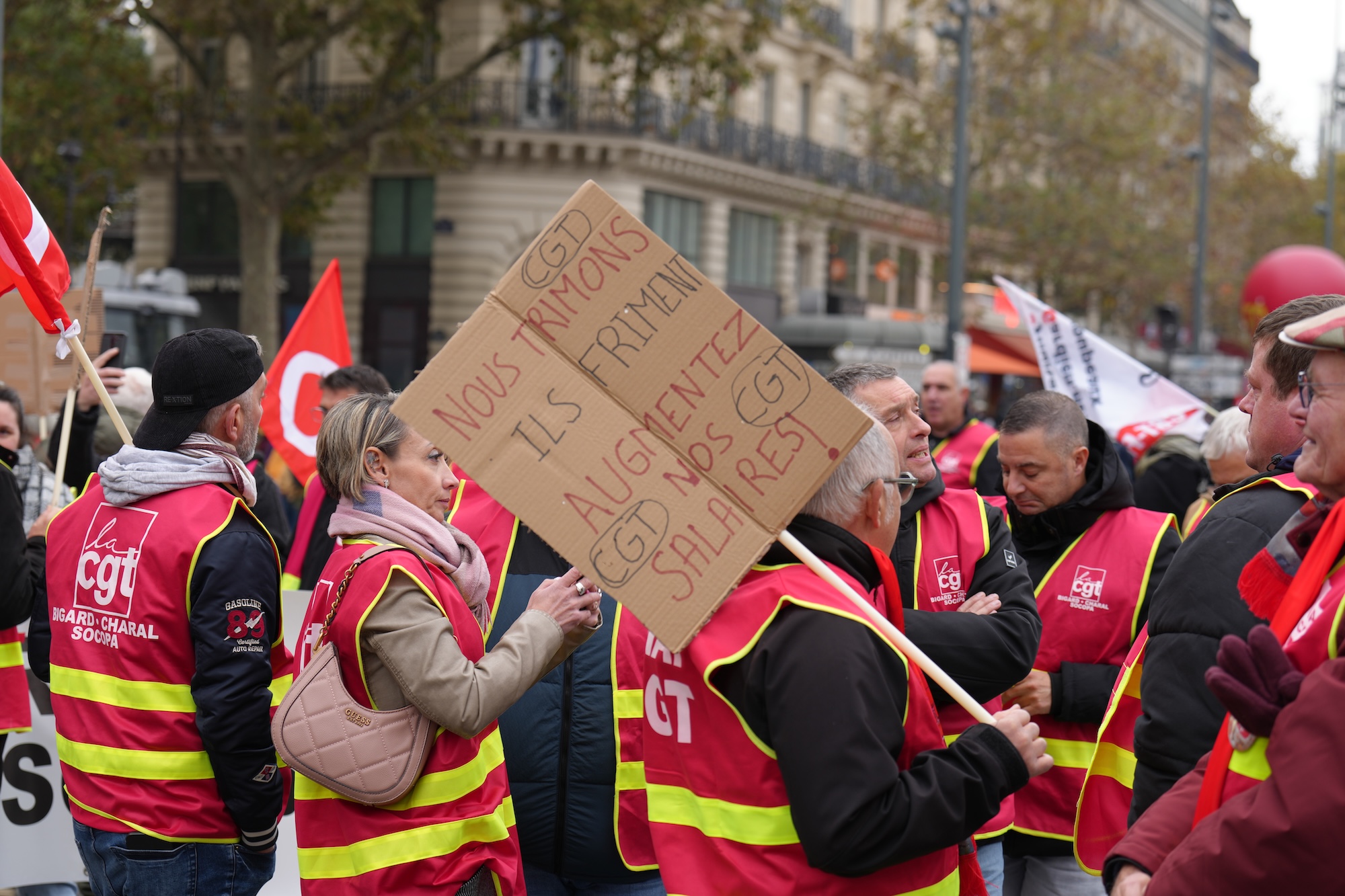
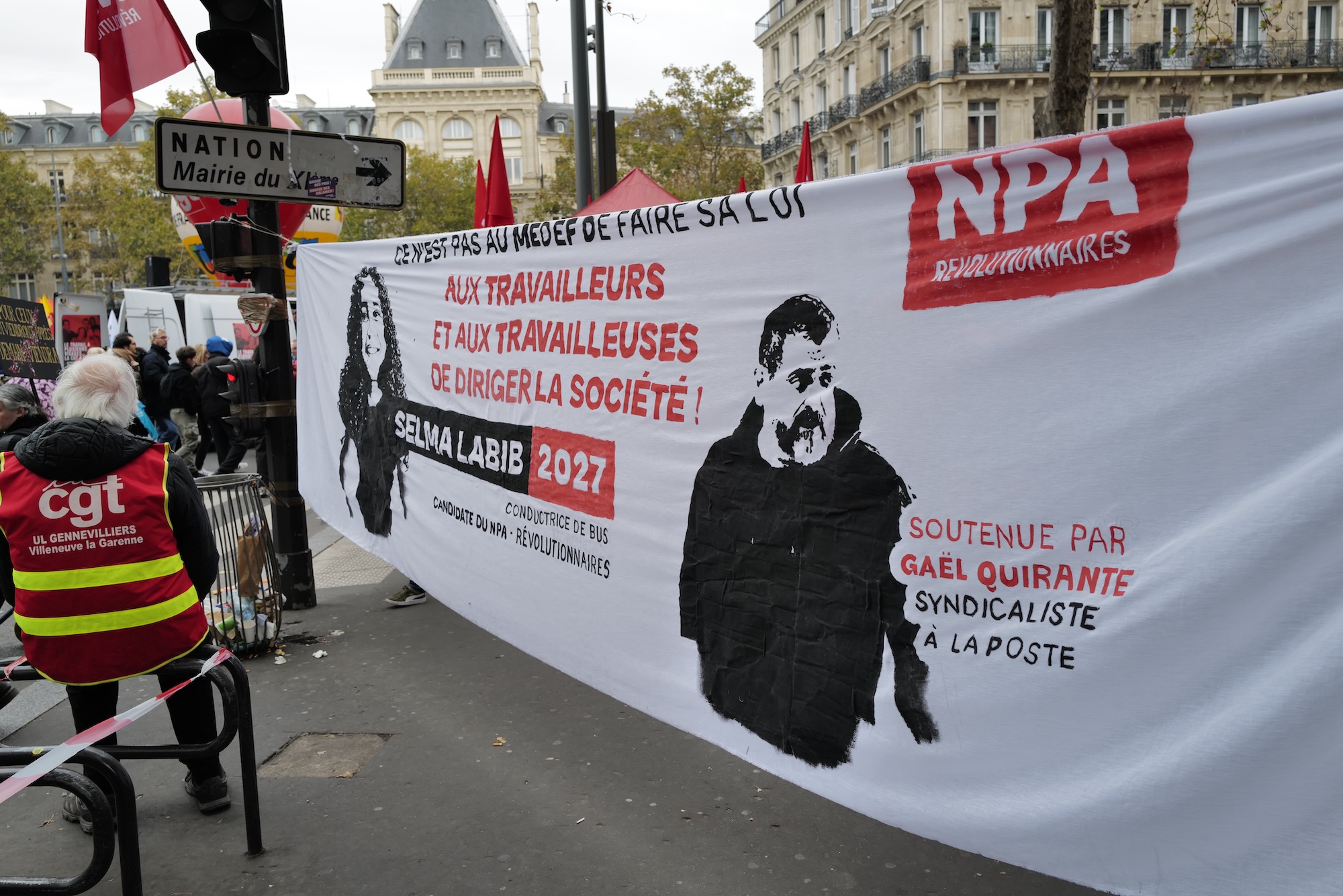
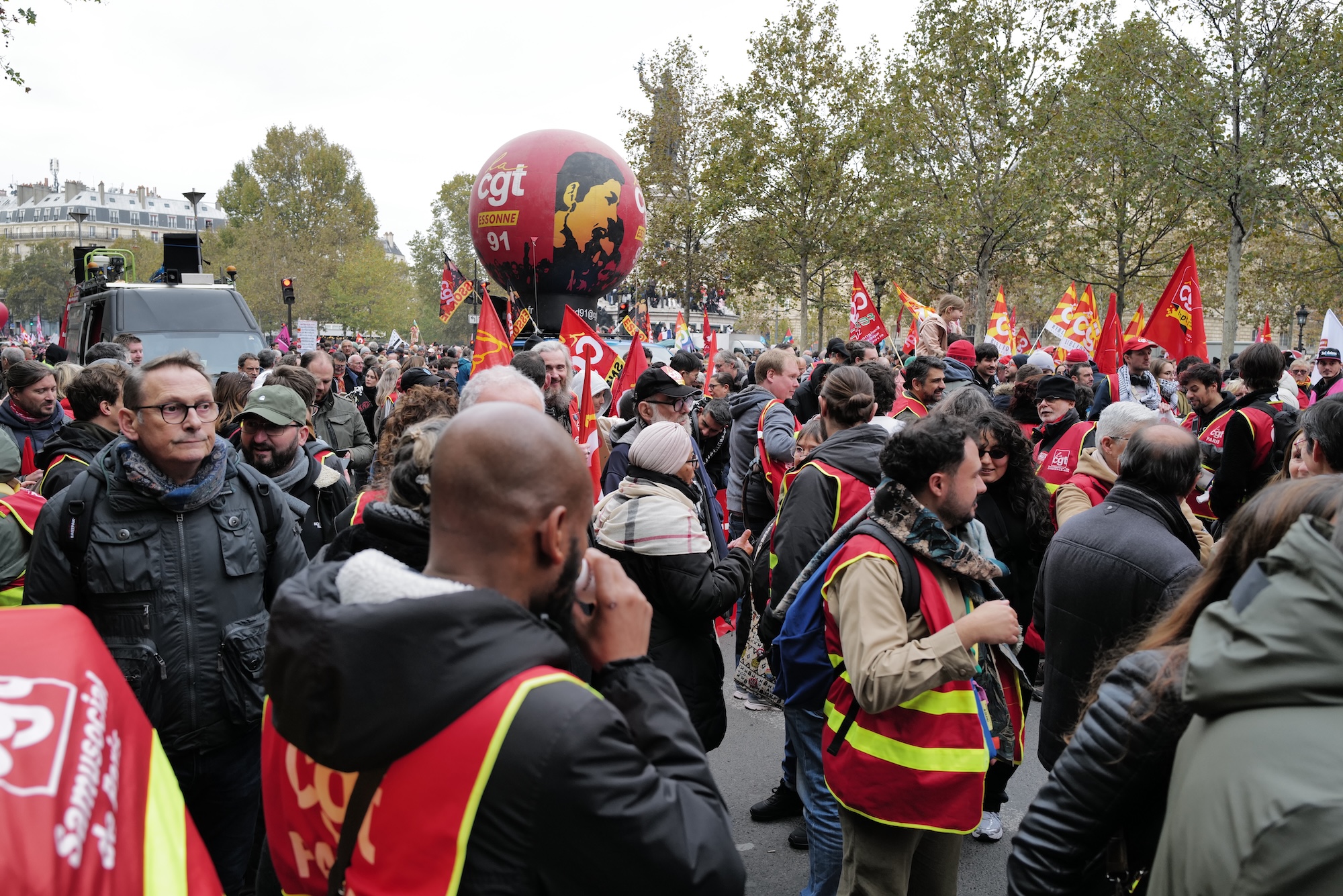
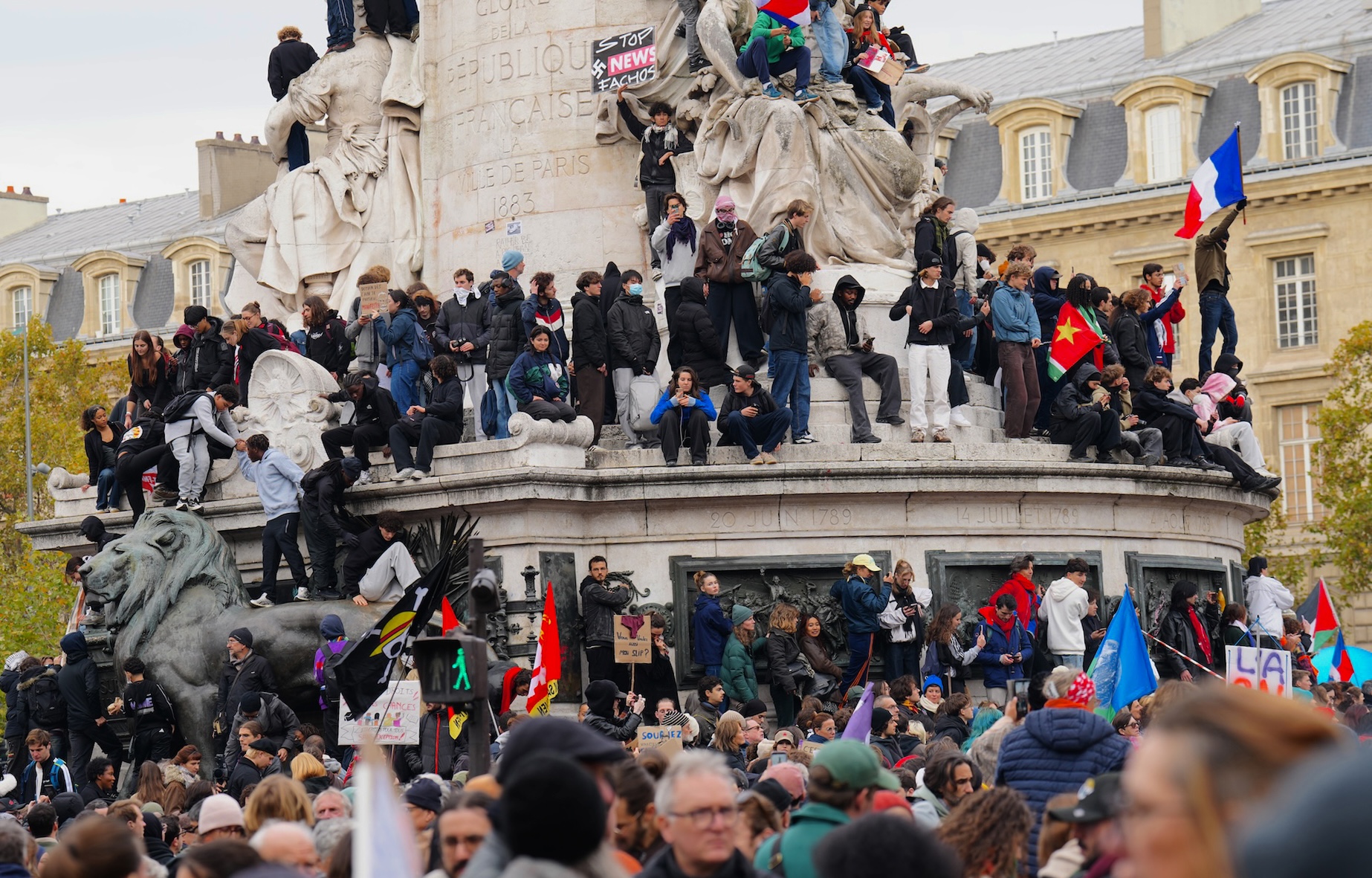
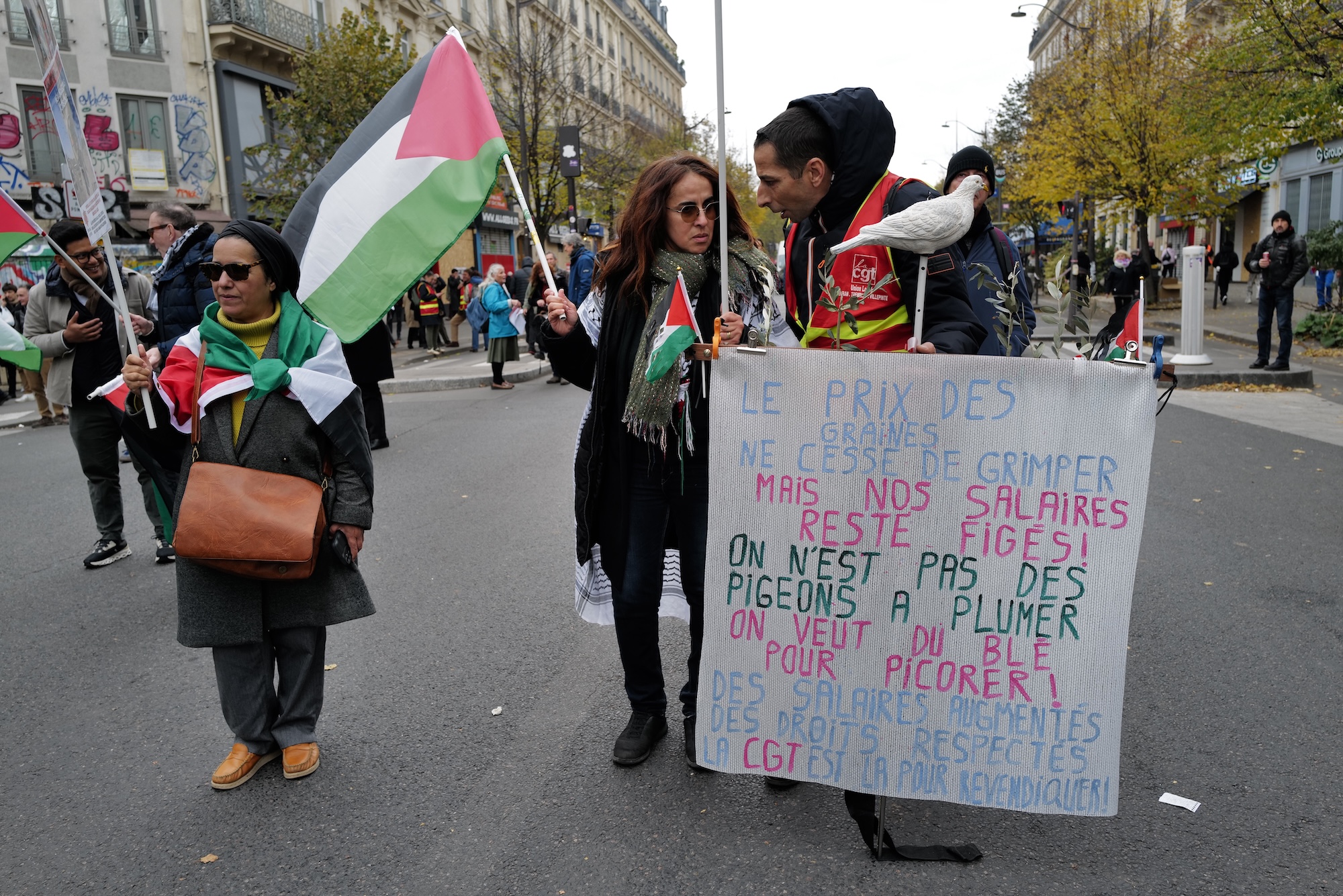
PARIS (11-06) – A national strike November 5 paralyzed France as Parliament was set to debate drastic funding cuts in the national budget for 2027. Education, public sector funding, social services, and retirement benefits would be especially affected. Union members, students, retirees, healthcare workers, and members of the “gilets jaunes” (yellow vest) movement, among others, protested the proposed cuts and reductions, instead demanding higher wages and benefits. They have been joined in their protest efforts by left wing politicians who view the budget cuts as “catastrophic.”
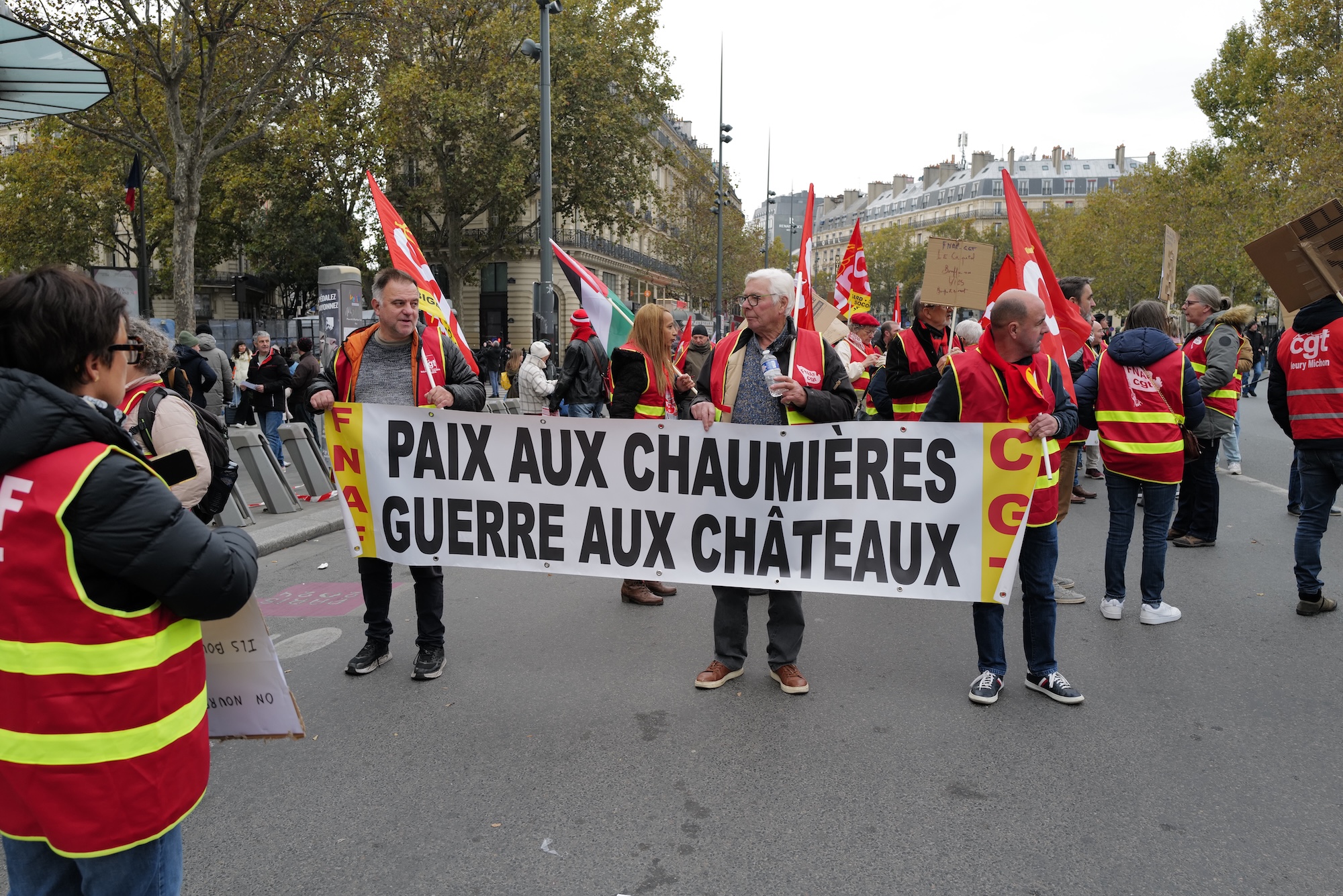
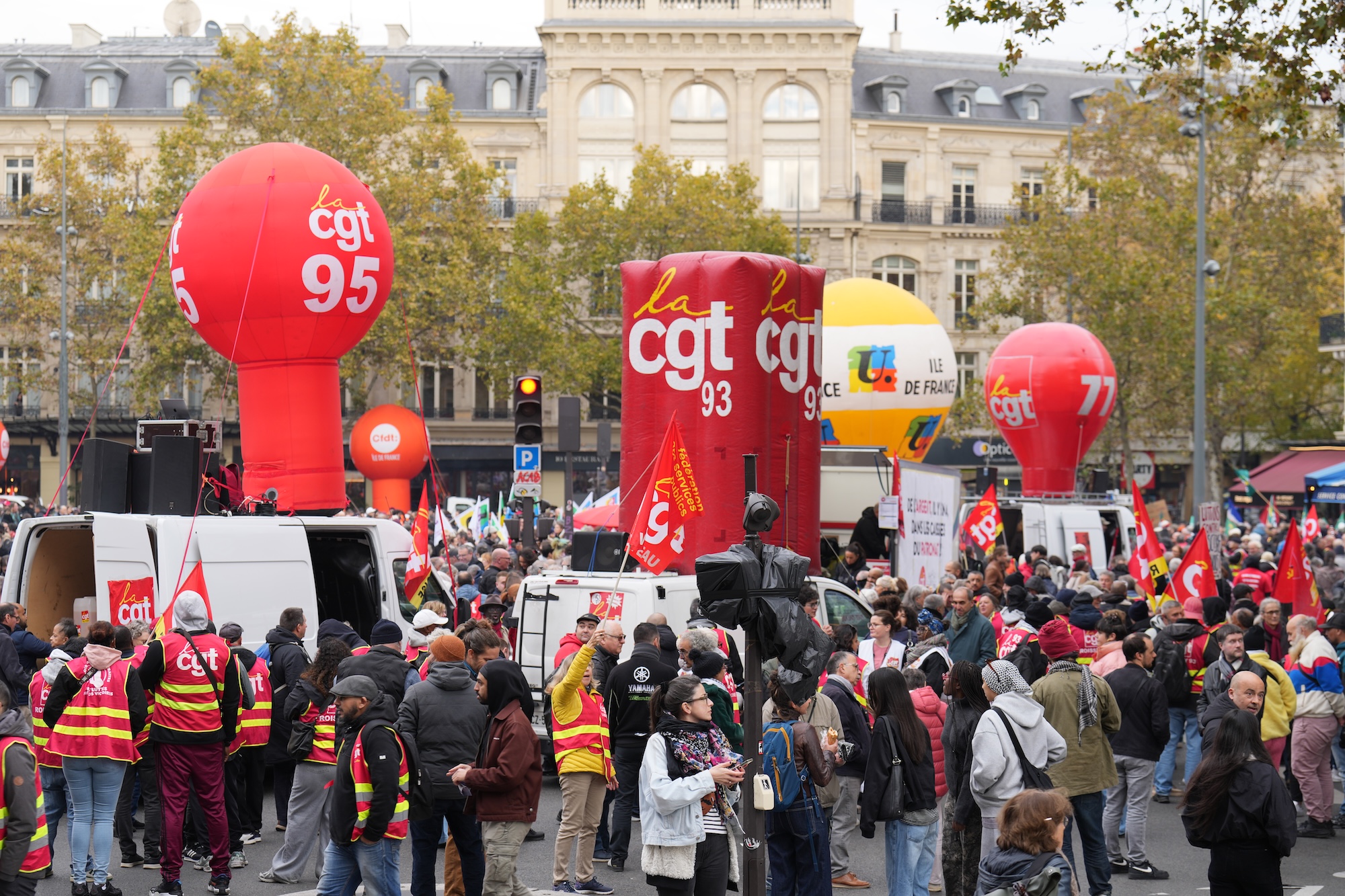
The strike and march were organized by an inter-union coalition made up of the CFDT, one of France’s oldest unions, along with the CGT, FO, UNSA, and FSU, and were joined by the trade unions. Collectively, the unions are calling for the application of a simple concept, “We want to make a living from our work.”
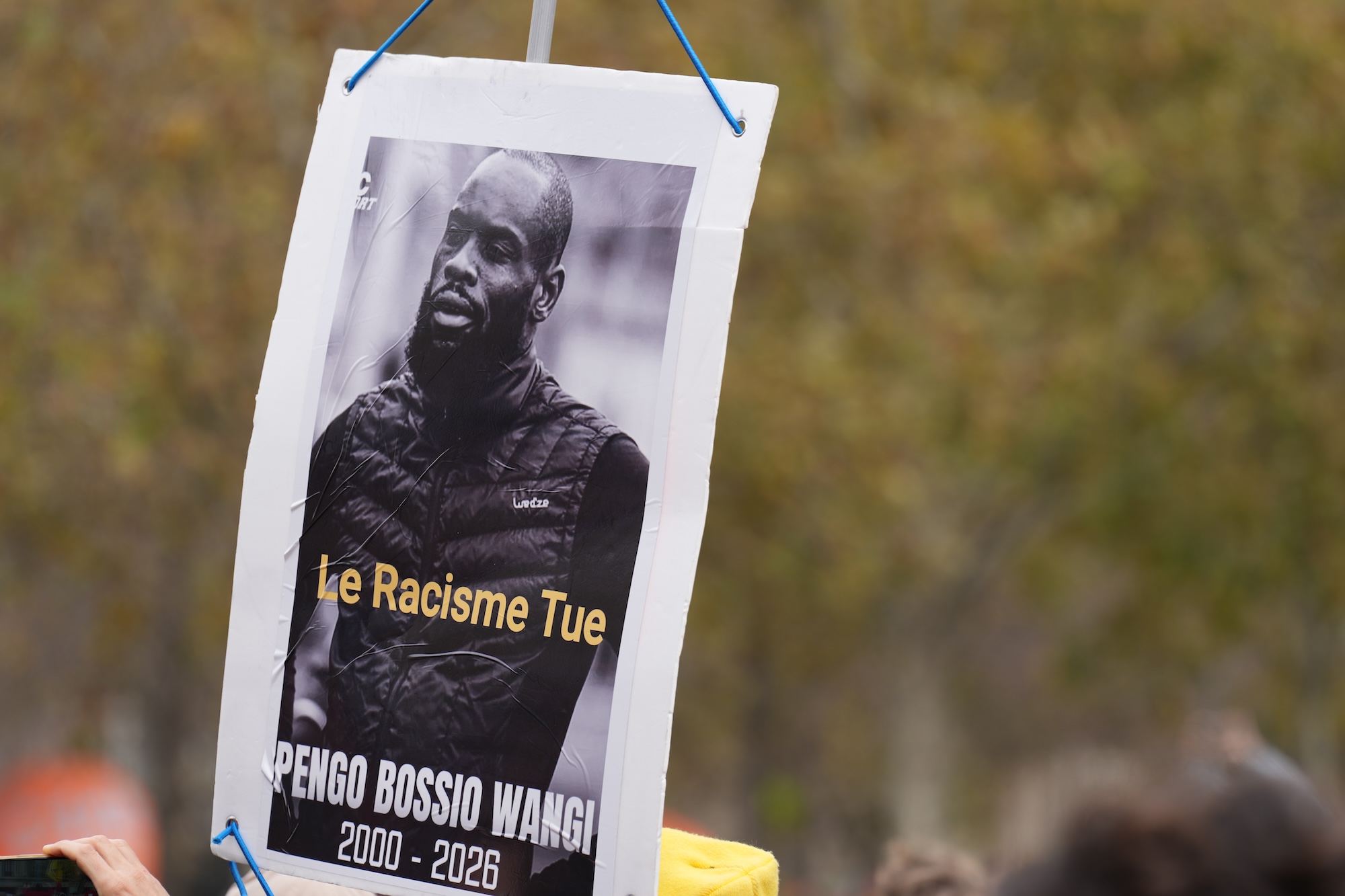
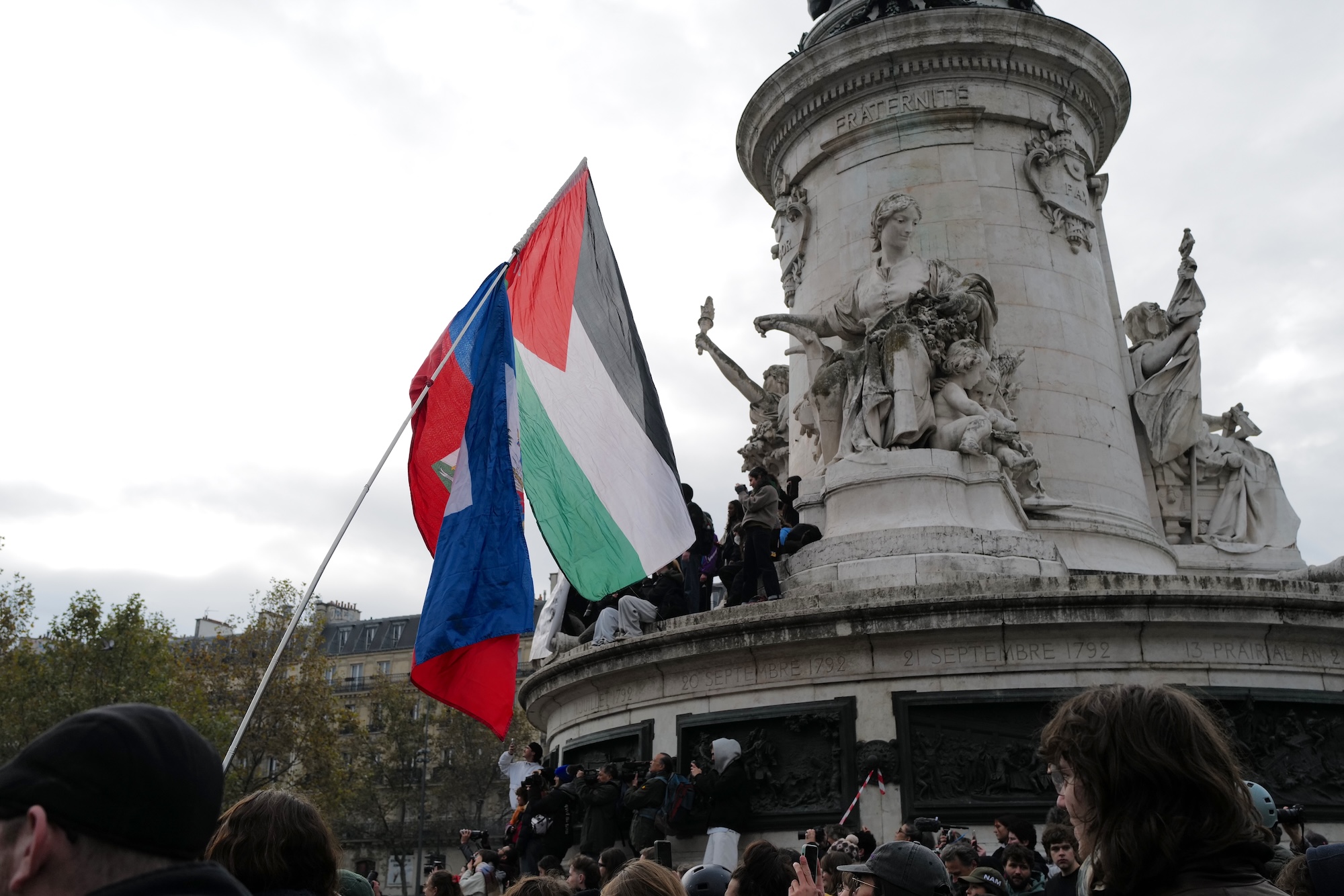
The unions are demanding salary increases for all workers, including a higher minimum wage to keep up with the escalating cost of living. They are also calling for respect of workers, action on climate change, an end to racism, terrorism, wars, and military spending, fighting against the far right, equal pay for women, job security, pension reform, and an end to occupation and the Genocide in Gaza.
The normally busy streets in Paris were unusually empty for a weekday as people avoided going outdoors, tourists left town, while many participated in a day long boycott by not buying anything in support of the students and workers. The nationwide strike also saw slowdowns in the transportation sector affecting buses, METRO, trains, RER, TGV while some flights in and out of Orly and Roissy-CDG airports were only mildly disrupted. Passengers, however, had difficulty getting to the airports by public transportation for departing flights.
Some museums in the city were also affected by shorter hours or by closing some galleries to visitors. The city’s most famous landmark, the Eiffel Tower, was closed all day due to the strike.
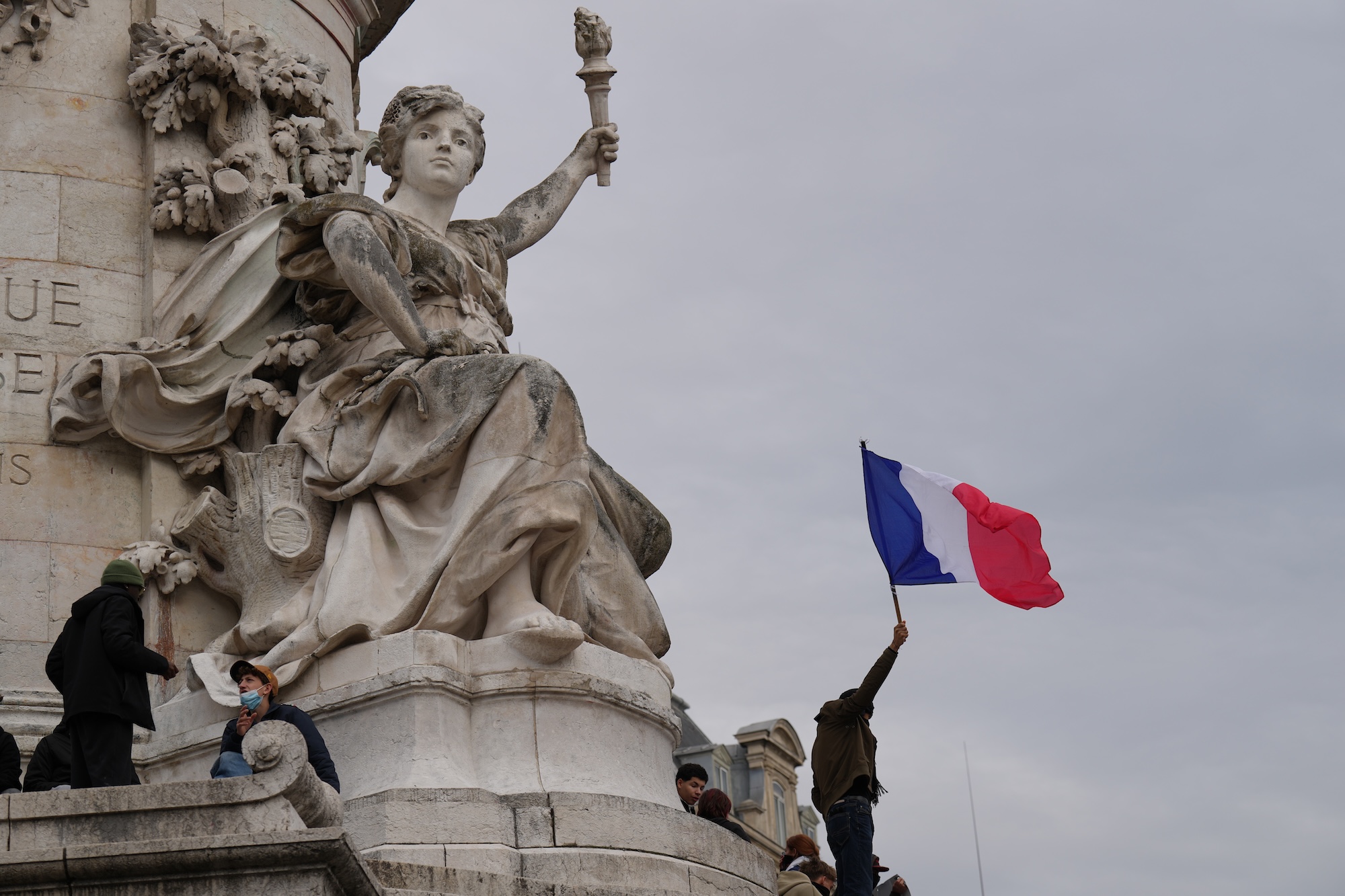
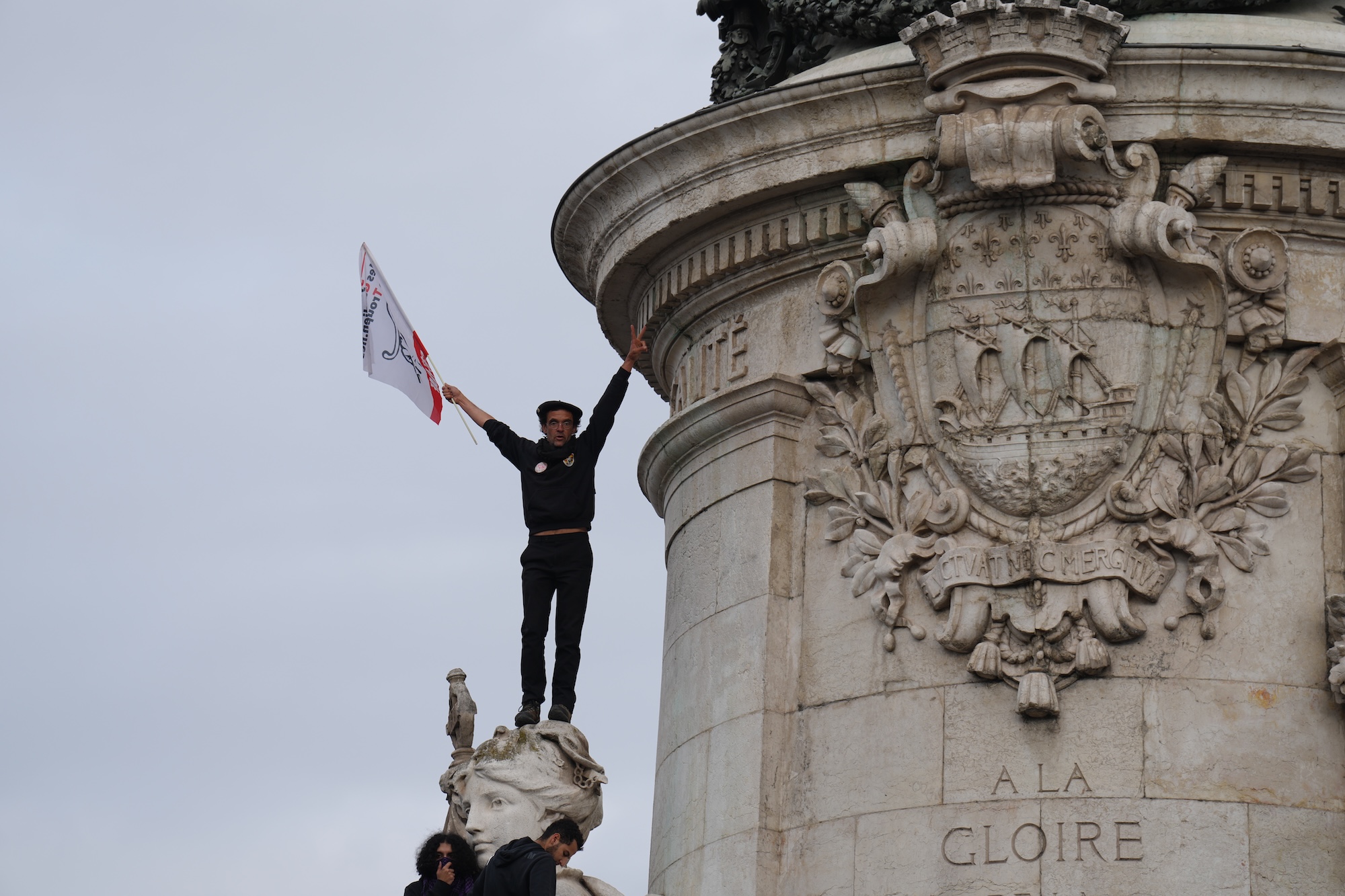
In a uniquely French twist, as protesters arrived at the march’s assembly point in the Place de la Républic, they were greeted by an orchestra playing classical music much loved by the crowd. The original assembly point and route for the march as requested by the unions was to follow the significantly historical route used during the French Revolution starting at the Place de la Bastille and ending at the Place de la Concorde.
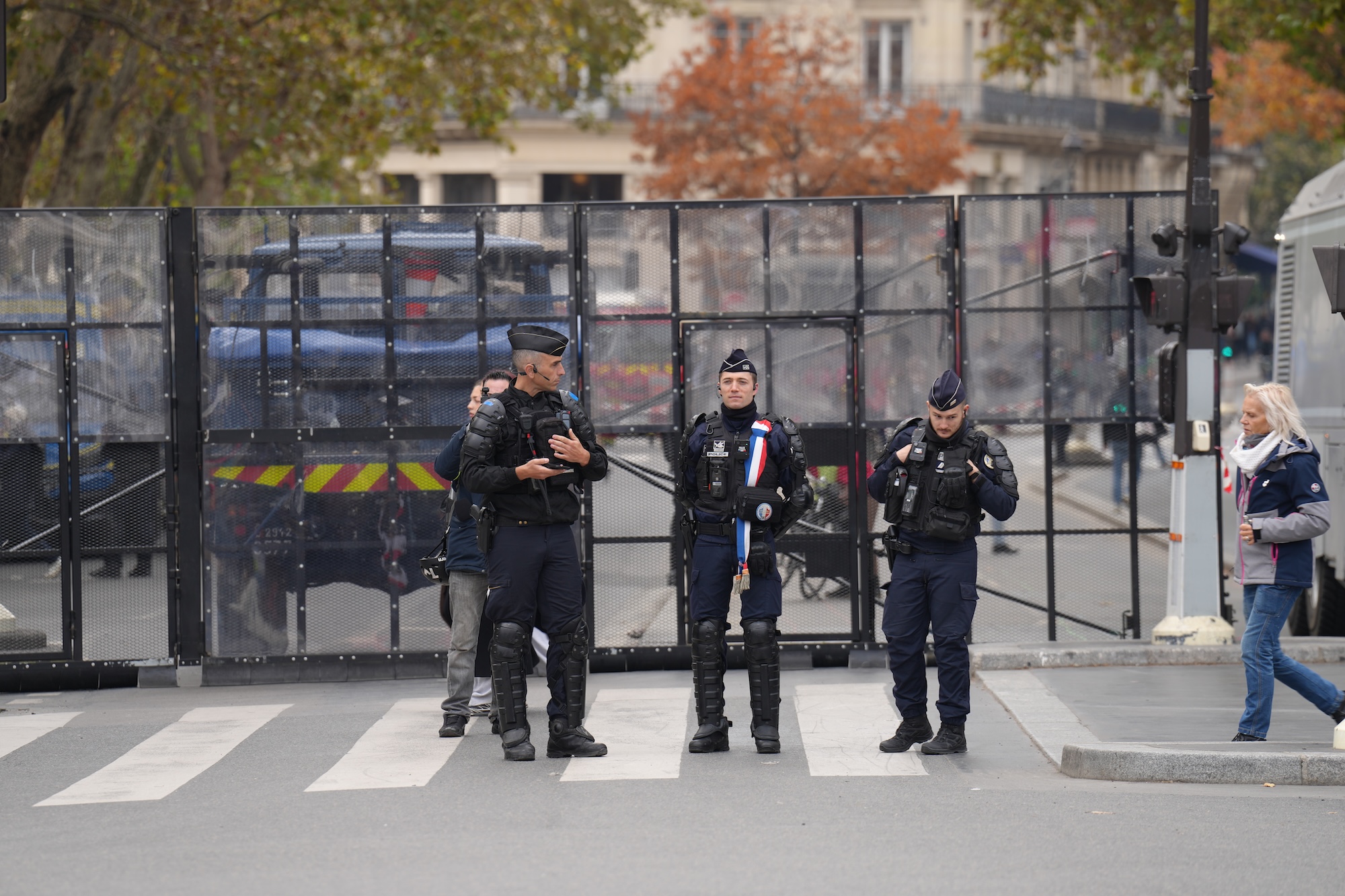
The Préfecture de Police, citing security concerns in the light of recent protest riots, denied its approval and instead sanctioned the march to start at the Place de Républic then proceed along Boulevard Voltaire ending at the Place de la Nation.
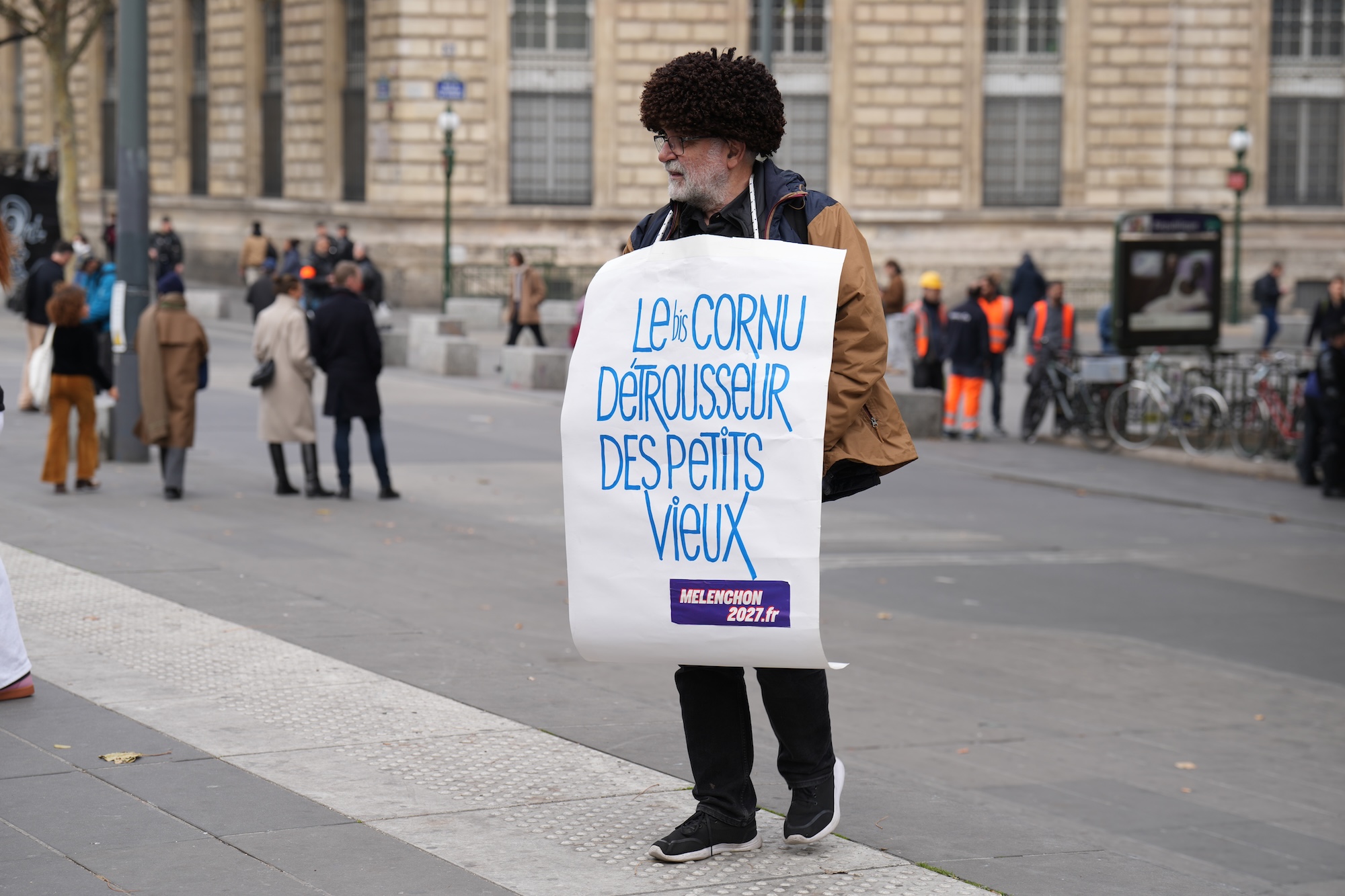
The strike had the desired impact, however, by shutting down some sectors and disrupting others for “the people’s November 5” protest. Like their American counterparts, protesters have also called for an end of the “Presidential Monarchy.”
The massive and successful turnout saw tens of thousands in attendance filling the streets with estimates ranging from 65,000 according to the Interior Ministry, to 350,000 as by CGT. Nationally, the unions claimed that 1.6 million people participated in the nationwide strike making it one of France’s largest.
CGT issued a statement noting the government’s response thus far to the student and union’s demands has been met only with “contempt and repression.” Regarding student demands, the government has agreed to offer up to 4 billion Euros ($4.5 billion) in loans for school repairs through 2030, a cap for first year high school classes at 28 students, and to hire 500 additional teachers. Other education reforms offered by the government call for more positions for admission to higher education, that fall well below those demanded by students, and in replacing the nebulous national online university admissions platform, Parcoursup.
Student representatives have characterized all the government’s concessions thus far as unsatisfactory. Along with the workers unions, the students have promised that the protests will continue until the two sides come to a mutual agreement on their differences. A meeting has been scheduled on Monday between the government, workers unions, and employers’ groups to continue negotiating a settlement.
In the meanwhile, the Yellow Vest Movement is continuing the nationwide strike again today and on Saturday is planning rolling blockades and protests.
Report and photos by Phil Pasquini
© 2026 nuzeink all rights reserved worldwide
For more information:
https://www.facebook.com/media/set/?vanity...





Add Your Comments
We are 100% volunteer and depend on your participation to sustain our efforts!
Donate

$80.00 donated
in the past month
Get Involved
If you'd like to help with maintaining or developing the website, contact us.
Publish
Publish your stories and upcoming events on Indybay.
Topics
More
Search Indybay's Archives
Advanced Search
►
▼
IMC Network