


 Publish to Newswire
 Add an Event
From the Open-Publishing Calendar
From the Open-Publishing Newswire
Indybay Feature
27th Annual, 2027 Folsom Juneteenth Celebration - Dia de Los Negro
Together, the 1850 Negro Bar Hotel and General Store, largest Chinatown outside of San Francisco with a couple thousand Chinese immigrants and Negro Bar Cemetery, a part of Rancho Rio de Los Americanos will uniquely distinguish the authentic townsite from the modern recreation area established in 2022 across Lake Natoma after the construction of Folsom Dam, over half century ago.
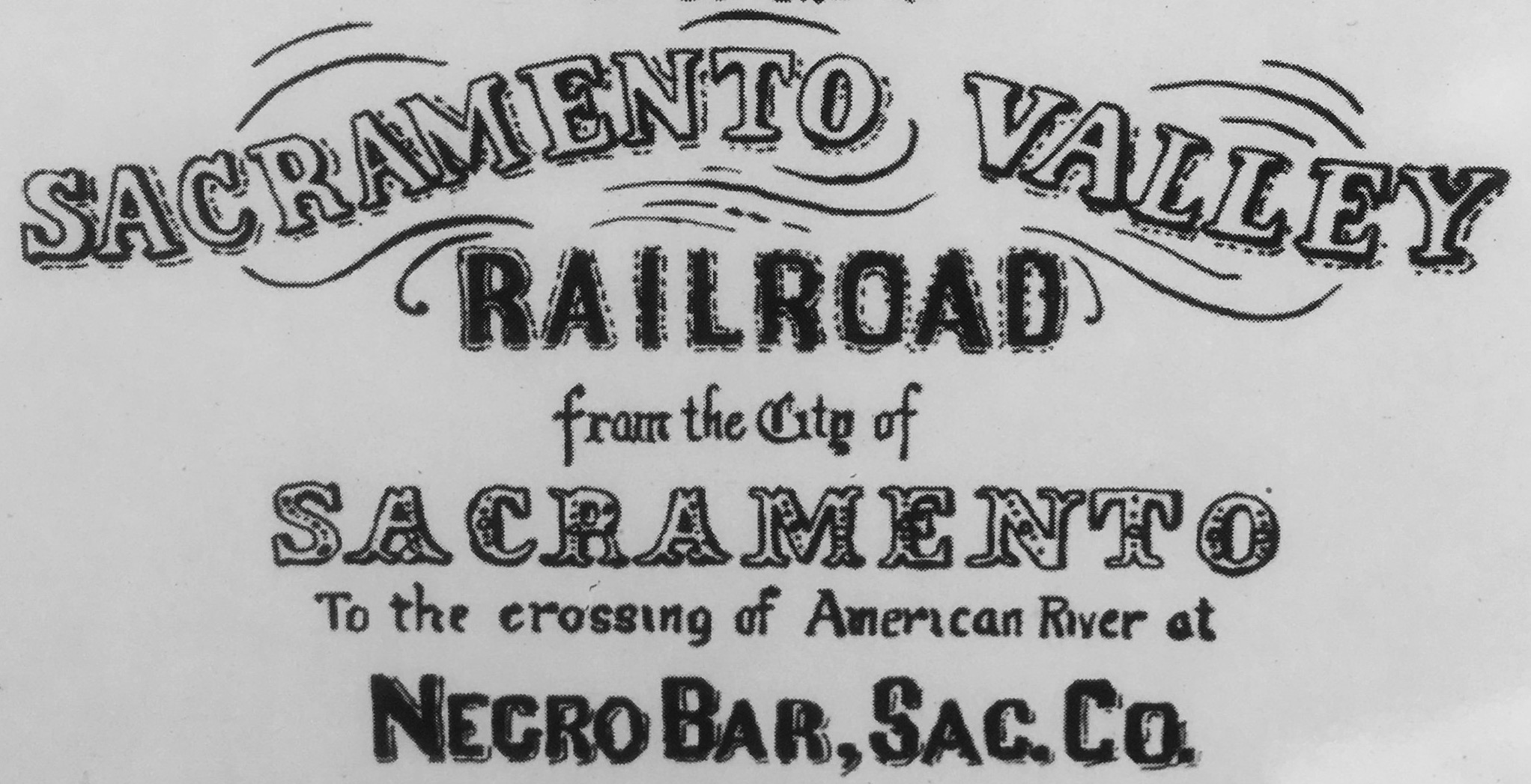
Reclaiming our Past, 1850 Negro Bar, Sacramento County
Discover how a Gold Rush Era Town Legacy was transformed by a 2022 Folsom Juneteenth “Black Miner’s Bar” event by staff recommendation to the California State Parks Commission
The 1850 story of Negro Bar, Sacramento County is one of California’s earliest documented Pan African settlements after the displacement of the Native American population by disease and dislocation by global gold seeking argonauts.
Rancho Rio de Los Americanos, 8 Mexican leagues or roughly 35,521 acres was entitled in 1844 to Honorable William Alexander Leidesdorff, Jr. “African Founding Father of California.” Understanding why Mexican authorities would gift such a precious natural resource is central to understanding the multicultural origins of California prior to the Gold Rush and subsequent development throughout the American River Basin.
Today’s hidden public narrative presented within and around Black Miners Bar, is a modern recreation area narrative within Folsom Lake State Recreation Area, that barely partially reflects the authentic golden legacy of the region.
The hidden transition from an authentic 1848 Negro Bar townsite to a contemporary fabricated interpretive identity reveals both a serious challenge to the resilience of community memory and a false narrative ignoring historical preservation standards in a rapidly changing landscape.
Hidden by design, is an authentic story of a mile long gravel Negro Bar Mining District that emerged in early 1848, within Rancho Rio de los Americanos, a small portion of a vast working cattle and wheat Leidesdorff Ranch, owned by US Vice Consul to Mexico, Honorable William Alexander Leidesdorff Jr.
The Afro‑Cuban, Danish-Jewish California pioneer, was Treasurer of the City of San Francisco, and much more, his golden legacy anchors the earliest chapter of the transition from Mexican rule to American rule beginning at the Bear Flag Revolt in June 1846, Alta California. Mexico.
January 1848, gold was discovered along the American River, miners of Pan African descent, both free and enslaved, established a productive mining camp on the south bank of the river, just below the present‑day Historic Folsom District.
By 1850, census records documented a population of 500 to 600 residents, making Negro Bar, Sacramento County one of the region’s most significant early settlements.
The town was not exclusively Pan African; it was a diverse community of Native laborers, early Chinese immigrants, European immigrants, and Mormon settlers. Its productivity was substantial enough to be referenced and attracted investment in the Sacramento Valley Railroad, Inc. whose early engineering surveys and railroad planning documents quantify and qualify the legacy of Negro Bar, Sacramento County.
By the early twentieth century, much of the physical remains of Negro Bar, Sacramento County were buried beneath hydraulic mining debris, dredge tailings deposited by Natomas Consolidated of California and staging area for the construction of Folsom Dam. Much of the historic townsite was effectively erased from the public landscape, though not from the documented record.
In 2022, the temporary decision was made to transform the legacy into Black Miners Bar at an entirely different location, across today’s Lake Natoma, within a small portion of the day‑use zone created after the construction of Folsom Dam in the 1950s and 1960s.
For several decades, the entire recreation area carried the name “Negro Bar,” not because it was the historic townsite, but because of its proximity to the historically associated mile long Negro Bar Mining District within Rancho Rio de Los Americanos, just above Leidesdorff Plaza, Historic Folsom Lite Rail Station.
As public sensitivity to the “Black Lives Matter” movement grew, a cloaked terminology process evolved, California State Parks initiated a renaming process, culminating in the 2022 decision to adopt the name (BMB) Black Miners Bar.
While well‑intentioned, the renaming inadvertently created a symbolic narrative that risks overshadowing the authentic geography and complexity of the original town, erasing, distorting and destroying forever the authentic California Gold Rush Era.
The modern interpretive framework distorts a Black mining history but does so at a location that was not the center of the 1848–1855 community, nor highlights authentic history. As a result, the public now encounters a fabricated story that honors “Black Miners” but is completely disconnected from the true historic landscape of the townsite of Negro Bar, Sacramento County apart our unique California Journey from Slavery to Freedom, International Underground Railroad Network to Freedom.
During the preparation towards the 27th Anniversary of Folsom Juneteenth, historic preservation advocates, researchers, and community leaders are working to restore the full narrative. We will invite the California State Parks who has spent millions of tax-payer dollars to craft a new narrative with no accountability or public disclosure of the new findings to participate in a good way.
Together, the 1850 Negro Bar Hotel and General Store, largest Chinatown outside of San Francisco with a couple thousand Chinese immigrants and Negro Bar Cemetery, a part of Rancho Rio de Los Americanos will uniquely distinguish the authentic townsite from the modern recreation area established in 2022 across Lake Natoma after the construction of Folsom Dam, over half century ago.
In 2027, the State of California has a new opportunity to honor the authentic legacy of Coloma, Negro Bar, Mormon Island, Negro Hill and the initial California Gold Mining District with historical precision and cultural dignity.
Preserving the California Gold Rush story ensures that the contributions of early California Pioneers of Pan African heritage under Mexican rule beginning in 1844 remains visible, accurate, and foundational to the California sharing its own past, throughout the world.
Add Your Comments
We are 100% volunteer and depend on your participation to sustain our efforts!
Donate

$110.00 donated
in the past month
Get Involved
If you'd like to help with maintaining or developing the website, contact us.
Publish
Publish your stories and upcoming events on Indybay.
Topics
More
Search Indybay's Archives
Advanced Search
►
▼
IMC Network