


 Publish to Newswire
 Add an Event
From the Open-Publishing Calendar
From the Open-Publishing Newswire
Indybay Feature
27th Anniversary of Folsom Juneteenth - Dia de Los Negros
Our 27th Annual Folsom Juneteenth Celebration continues an ongoing challenge to tell our authentic "California Journey, From Slavery to Freedom Story." 2027 Folsom Juneteenth, the path towards alignment with our Title 5 U.S Federal Holiday, marks an amazing journey, Dia de Los Negros continues to honor the legacy of the 1848 townsite of Negro Bar, Rancho Rio de Los Americanos, and the path towards our US Civil War.
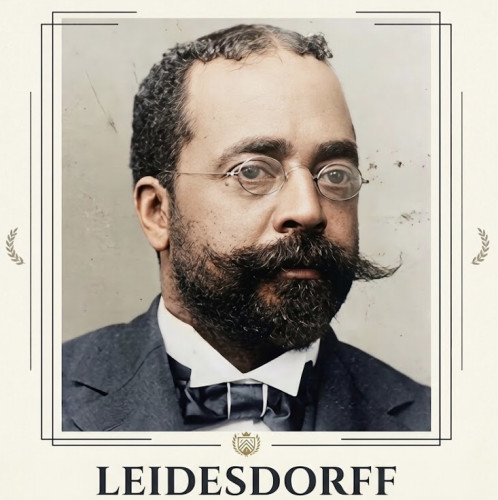
Our agreed upon date, by the National Juneteenth Observance Foundation, generations who worked tirelessly to establish June 19, 1865 as our Title 5 US Federal Holiday.
Commanding Officer US Army General Granger landed at Port Galveston Island, Texas near the end of our US Civil War, with overwhelming force to seal the border with Mexico, release enslaved Pan Africans from bondage and confiscate cotton for the US Treasury. The 7 week campaign, plantation by plantation remains a celebration of freedom echoing throughout American History.
December 1855, the street names for the Historic Folsom District were submitted to the Sacramento County Planning Department, officially renaming the townsite of Negro Bar, apart of Rancho Rio de Los Americanos, originally entitled to Honorable William Alexander Leidesdorff, Jr. in 1844. One day the authentic amazing legacy will come alive, again as our unique "California Journey from Slavery to Freedom Story."
2027 Folsom Juneteenth, marks an amazing 27-year milestone, showing marked signs of renewed life this special Year of Dia de Los Negros. The Juneteenth connection to June 19, 1867, opens an essential path toward greater understanding of the transition from Mexico to US rule and how Juneteenth fits into path toward freedom.
Gold Country Media June 2006 - (Folsom, CA) For a last-minute event that was nearly cancelled, Folsom's sixth annual Juneteenth celebration showed marked signs of life.
On a stifling Saturday afternoon near the railroad block in historic Folsom, passers-by stopped to learn about the national commemoration of the official end of slavery 141 years ago and to hear about William Alexander Leidesdorff Jr., an African-American credited as one of California's founding fathers.
Leidesdorff's ties to Folsom can still be seen. His name appears on both a street and ramp in the city. The brick building where his general store was one of the cornerstones of historic Negro Bar today is the city's historic railroad block.
It is also where the city plans to erect a new parking structure. Juneteenth Folsom chair Michael Harris hopes a marker acknowledging Leidesdorff's contribution will be incorporated into the plan.
In between talking history and looking over archived maps with Juneteenth volunteer Diane Odama, Folsom Historic District Association Vice Chair Valerie Jensen, living history volunteer Ralph Rhea and others, Harris admitted he didn't know why this year's celebration was almost cancelled.
For the past five years, the event has been held at the Negro Bar State Park. Local researcher Joe Moore and CSUS history professor Shirley Moore founded the event in Folsom but unexpectedly backed out this year.
Harris got word while in North Carolina that the event was about to be cancelled and spent the next four weeks trying to save it.
"The desire to cancel and or eliminate our Juneteenth Folsom, Saturday 17, 2006, annual event was not a possibility in my mind," Harris said in an email.
On Saturday, he credited Historic Railroad Association member Bill Anderson with offering a new home for the event. "It always takes someone that's not willing to say no," he said of Anderson.
With a fundraiser planned later in the evening at Courtyard Gardens, Harris said he hoped to use this year's "transition event" as a jumping off point for the future, even starting a committee.
"It's an investment the city, businesses, students, the schools and, most importantly, the families in the community have to make," he said.
Add Your Comments
We are 100% volunteer and depend on your participation to sustain our efforts!
Donate

$110.00 donated
in the past month
Get Involved
If you'd like to help with maintaining or developing the website, contact us.
Publish
Publish your stories and upcoming events on Indybay.
Topics
More
Search Indybay's Archives
Advanced Search
►
▼
IMC Network