







 Publish to Newswire
 Add an Event
From the Open-Publishing Calendar
From the Open-Publishing Newswire
Indybay Feature
What a "Temporary Removal" of Negro Bar, Sacramento County means to CA Gold Rush Heritage
Restoring the authentic 1854 Negro Bar townsite and recognizing the regions early leaders such as Sacramento County’s first Board Chair, who operated the Negro Bar Hotel and Store and supported the largest Chinatown, Gaam Saan, outside of San Francisco
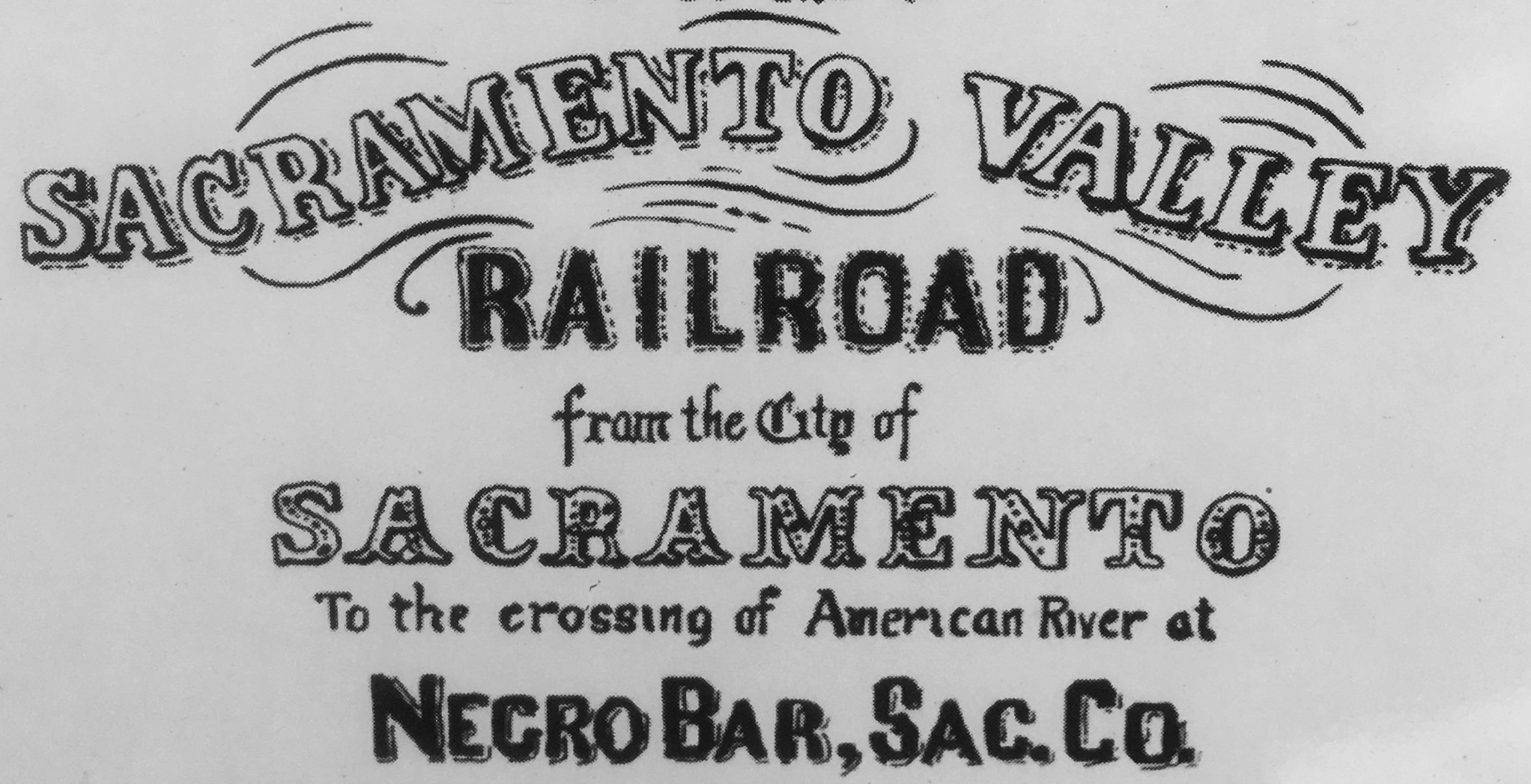
An extended temporary removal of Negro Bar from California State Parks official landscape is more than an administrative act; it is a profound distortion of Gold Rush heritage, years of study and millions of tax-payer resources cannot fix in silence.
The authentic 1848–1855 mining town—once a vibrant, multi‑ethnic transportation hub apart of Rancho Rio de Los Americanos, the Mexican land grant entitled to Hon. William Alexander Leidesdorff Jr., Afro‑Caribbean, Danish Jewish U.S. Vice Consul to Alta California Mexico, has been replaced by a modern fabrication known today as Black Miners Bar. This DEI‑era substitution obscures the original geography, community, and economic significance of the initial Pan‑African inspired township "crown jewel" along the vast American River Basin.
Negro Bar, Sacramento County, nor the Sacramento Valley Railroad Roundhouse was ever submerged beneath Lake Natoma. Its erasure emerged through a 2022 Juneteenth administrative commission decision that relocated, renamed, and ultimately distorted a traditional heritage within the Folsom Lake Recreational District, managed on behalf of the U.S. Department of Interior, Bureau of Reclamation.
On the south shore of Lake Natoma, once the staging ground for building the Sacramento Valley Railroad, Inc. and 100 years later Folsom Dam, today, remains a bustling corridor of free enterprise still linking Californios, Nisenan, Pan‑Africans, European, Chinese, and global immigrants who still forge a path to California seeking gold.
Removing Negro Bar from Sacramento County’s working landscape does more than hide geographical coordinates; it falsifies Folsom’s foundational identity. It erases the contributions of free and enslaved people of African ancestry yearning for a greater measure of freedom, long before the 1849 Gold Rush. Thousands of people of Pan African ancestry participated in the International Underground Railroad Network to Freedom, and shaped early California statehood during the California Gold Rush until the 1852 Fugitive Slave Law forced many to flee, hide or once again relocate.
Scrubbing California history reinforces the myth that "manifest destiny" was a “white‑male only domain,” diminishing the international diverse reality that defined the California Gold Rush. It also supports reparative justice efforts by ignoring documented harm and land loss tied to Leidesdorff’s estate and erases entire townsites along the American River Parkway.
Restoring the authentic 1854 Negro Bar townsite and recognizing the regions early leaders such as Sacramento County’s first Board Chair, who operated the Negro Bar Hotel and Store and supported the largest Chinatown, Gaam Saan, "Gold Mountian" outside of San Francisco, thousands of "Gold Rush" immigrants from the South China Sea, is essential and cannot be erased for recreational sport By reclaiming our authentic April 1848 – December 1855 heritage can California showcase our international origins and traditions presenting an honest narrative today and for distant future generations around the world.
The authentic 1848–1855 mining town—once a vibrant, multi‑ethnic transportation hub apart of Rancho Rio de Los Americanos, the Mexican land grant entitled to Hon. William Alexander Leidesdorff Jr., Afro‑Caribbean, Danish Jewish U.S. Vice Consul to Alta California Mexico, has been replaced by a modern fabrication known today as Black Miners Bar. This DEI‑era substitution obscures the original geography, community, and economic significance of the initial Pan‑African inspired township "crown jewel" along the vast American River Basin.
Negro Bar, Sacramento County, nor the Sacramento Valley Railroad Roundhouse was ever submerged beneath Lake Natoma. Its erasure emerged through a 2022 Juneteenth administrative commission decision that relocated, renamed, and ultimately distorted a traditional heritage within the Folsom Lake Recreational District, managed on behalf of the U.S. Department of Interior, Bureau of Reclamation.
On the south shore of Lake Natoma, once the staging ground for building the Sacramento Valley Railroad, Inc. and 100 years later Folsom Dam, today, remains a bustling corridor of free enterprise still linking Californios, Nisenan, Pan‑Africans, European, Chinese, and global immigrants who still forge a path to California seeking gold.
Removing Negro Bar from Sacramento County’s working landscape does more than hide geographical coordinates; it falsifies Folsom’s foundational identity. It erases the contributions of free and enslaved people of African ancestry yearning for a greater measure of freedom, long before the 1849 Gold Rush. Thousands of people of Pan African ancestry participated in the International Underground Railroad Network to Freedom, and shaped early California statehood during the California Gold Rush until the 1852 Fugitive Slave Law forced many to flee, hide or once again relocate.
Scrubbing California history reinforces the myth that "manifest destiny" was a “white‑male only domain,” diminishing the international diverse reality that defined the California Gold Rush. It also supports reparative justice efforts by ignoring documented harm and land loss tied to Leidesdorff’s estate and erases entire townsites along the American River Parkway.
Restoring the authentic 1854 Negro Bar townsite and recognizing the regions early leaders such as Sacramento County’s first Board Chair, who operated the Negro Bar Hotel and Store and supported the largest Chinatown, Gaam Saan, "Gold Mountian" outside of San Francisco, thousands of "Gold Rush" immigrants from the South China Sea, is essential and cannot be erased for recreational sport By reclaiming our authentic April 1848 – December 1855 heritage can California showcase our international origins and traditions presenting an honest narrative today and for distant future generations around the world.
Add Your Comments
We are 100% volunteer and depend on your participation to sustain our efforts!
Donate

$110.00 donated
in the past month
Get Involved
If you'd like to help with maintaining or developing the website, contact us.
Publish
Publish your stories and upcoming events on Indybay.
Topics
More
Search Indybay's Archives
Advanced Search
►
▼
IMC Network