







 Publish to Newswire
 Add an Event
From the Open-Publishing Calendar
From the Open-Publishing Newswire
Indybay Feature
California 176 - International Underground Railroad Network to Freedom Month
Today, stiff winds and “erasure” challenges the efforts to document and share California Underground Railroad histories, headquartered here along at hub of Historic American River Basin, once owned and operated by the “African Founding Father of Califirnia”
California Admission into the Union occurred on September 9,1850 and remains the essential part of the 1850 Compromise.
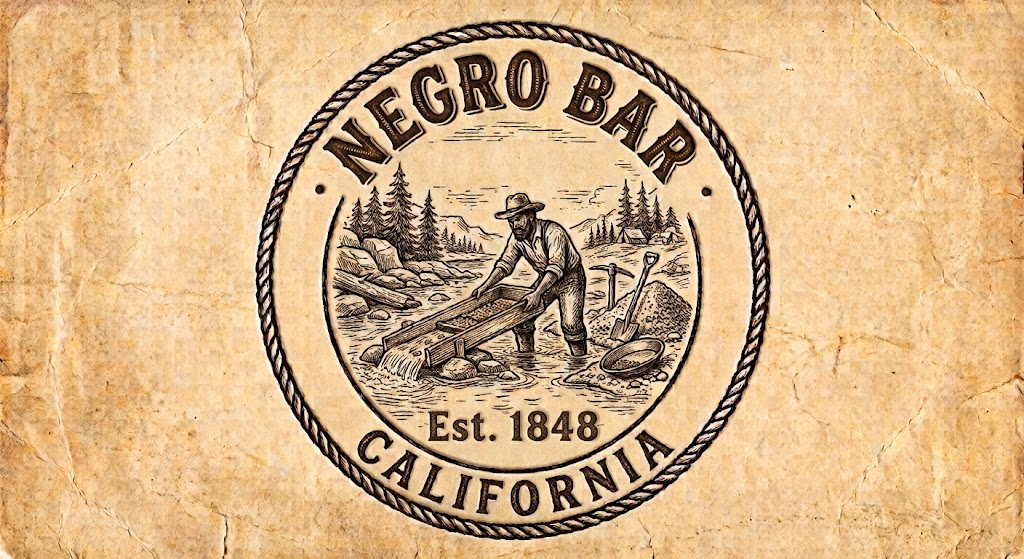
Negro Bar, Sacramento County was a thriving gold mining town, summer of 1850/. Today’s Historic Folsom District, Leidesdorff Plaza remains the hub for an unsurpassed golden legacy poised for a rebirth, 2026 International Underground Railroad Network to Freedom Month.
The fiercely debated US Congressional 1850 Act was signed into law by President Willard Fillmore, it strengthened and extended slavery throughout the vast Utah and New Mexico Territories.
Passage of the Fugitive Slave Act made the federal government financially responsible for capturing and returning freedom seekers to their "enslavers" as property owners.
As more people today learn about International Underground Railroad Month, they often learn about a very secret regimented movement for freedom taking place from 1830-1860.
September 2026, many will learn that many white abolitionist allies helped usher "freedom seekers" from one location to another until they reached freedom. The history of the Underground Railroad is very complex especially when we include the transition from Mexican rule to US rule throughout Alta California.
The Underground Railroad would not have existed without the brave men and women who made the decision to exercise their autonomy by escaping from their "enslavers" and claim their own personal freedom.
Freedom seekers traveled in whatever direction necessary to find a destination where they could live freely, our California Gold Rush Era (1840-1875) is an amazing time to consider our unique journey toward freedom.
As long as people enslaved others, freedom seekers escaped to build a better life for themselves, and if possible, their families, the towns Negro Hill, Mormon Island and Negro Bar showcased a hub of activity throughout the Gold Mining District along the American River Basin.
Wherever and whenever slavery existed, there were efforts to escape. Free Black communities and many Indigenous tribes came together to aid freedom seekers in their fight for freedom; not just Quakers and wealthy white abolitionists.
Preserving Historic Negro Bar, Sacramento County is our 20+ year efforts to showcase California Pioneers of Pan African Ancestry (1840-1875) as part of the International Underground Railroad Network, one of the first international Civil Rights movements.
The United States codified the ability of enslavers to capture freedom seekers and the State of California followed with an even stronger California Fugitive Slaver Law in 1852.
This is very evident reviewing the U.S. Constitution’s Fugitive Slave Clause as well as the Fugitive Slave Law of 1793. These laws were strengthened after the passage of the Fugitive Slave Act of 1850, which made the federal government responsible for capturing and returning freedom seekers to their enslavers.
Federal Marshals could capture freedom seekers in any state, regardless of state laws. Private citizens could be deputized on the spot to assist in capturing freedom seekers, and failure to do so could result in a six month prison sentence or a $1,000 fine.
After extensive international legal battles, nations such as Canada created laws that did not allow for Americans to extradite freedom seekers after they crossed the international boundary.
With seen and unseen supporters, the International Underground Railroad made it more difficult for "enslavers" not only to locate freedom seekers, then forcing them back to a life of enslavement.
Throughout the California Gold Mining District, freedom seekers faced many challenges and today, “hidden figures” from the towns of Negro Hill, Mormon Island and Negro Bar golden legacy as freedom seekers continues to challenge racism, disparaging treatment while fighting “erasure” a new form inclusion and equality.
Our California Gold Rush Era, remains an unsurpassed celebration of freedom, while many grieved their family members who were sold away or chose not to escape, today family reconnections are possible and essential to reparative justice efforts.
Many “freedom seekers” constructed new lives for themselves, despite dangers of being kidnapped and sold by slave catchers after they emigrated west.
Throughout the western United States, the resilience of those who escaped slavery during the 1850 compromise continues to serve as inspiration for countless individuals.
The National Park Service’s National Underground Railroad Network to Freedom Program, was established in 1998.
Today, stiff winds and “erasure” challenges efforts to document and share California Underground Railroad histories, headquartered here along the hub of Historic American River Basin,
1848-1855, Historic Negro Bar, Sacramento County will one day rise from the ashes and like a phoenix in flight, shine a bright light on thousands of “freedom seekers” of Pan African Ancestry at the birth of the State of California.
Negro Bar, Sacramento County was a thriving gold mining town, summer of 1850/. Today’s Historic Folsom District, Leidesdorff Plaza remains the hub for an unsurpassed golden legacy poised for a rebirth, 2026 International Underground Railroad Network to Freedom Month.
The fiercely debated US Congressional 1850 Act was signed into law by President Willard Fillmore, it strengthened and extended slavery throughout the vast Utah and New Mexico Territories.
Passage of the Fugitive Slave Act made the federal government financially responsible for capturing and returning freedom seekers to their "enslavers" as property owners.
As more people today learn about International Underground Railroad Month, they often learn about a very secret regimented movement for freedom taking place from 1830-1860.
September 2026, many will learn that many white abolitionist allies helped usher "freedom seekers" from one location to another until they reached freedom. The history of the Underground Railroad is very complex especially when we include the transition from Mexican rule to US rule throughout Alta California.
The Underground Railroad would not have existed without the brave men and women who made the decision to exercise their autonomy by escaping from their "enslavers" and claim their own personal freedom.
Freedom seekers traveled in whatever direction necessary to find a destination where they could live freely, our California Gold Rush Era (1840-1875) is an amazing time to consider our unique journey toward freedom.
As long as people enslaved others, freedom seekers escaped to build a better life for themselves, and if possible, their families, the towns Negro Hill, Mormon Island and Negro Bar showcased a hub of activity throughout the Gold Mining District along the American River Basin.
Wherever and whenever slavery existed, there were efforts to escape. Free Black communities and many Indigenous tribes came together to aid freedom seekers in their fight for freedom; not just Quakers and wealthy white abolitionists.
Preserving Historic Negro Bar, Sacramento County is our 20+ year efforts to showcase California Pioneers of Pan African Ancestry (1840-1875) as part of the International Underground Railroad Network, one of the first international Civil Rights movements.
The United States codified the ability of enslavers to capture freedom seekers and the State of California followed with an even stronger California Fugitive Slaver Law in 1852.
This is very evident reviewing the U.S. Constitution’s Fugitive Slave Clause as well as the Fugitive Slave Law of 1793. These laws were strengthened after the passage of the Fugitive Slave Act of 1850, which made the federal government responsible for capturing and returning freedom seekers to their enslavers.
Federal Marshals could capture freedom seekers in any state, regardless of state laws. Private citizens could be deputized on the spot to assist in capturing freedom seekers, and failure to do so could result in a six month prison sentence or a $1,000 fine.
After extensive international legal battles, nations such as Canada created laws that did not allow for Americans to extradite freedom seekers after they crossed the international boundary.
With seen and unseen supporters, the International Underground Railroad made it more difficult for "enslavers" not only to locate freedom seekers, then forcing them back to a life of enslavement.
Throughout the California Gold Mining District, freedom seekers faced many challenges and today, “hidden figures” from the towns of Negro Hill, Mormon Island and Negro Bar golden legacy as freedom seekers continues to challenge racism, disparaging treatment while fighting “erasure” a new form inclusion and equality.
Our California Gold Rush Era, remains an unsurpassed celebration of freedom, while many grieved their family members who were sold away or chose not to escape, today family reconnections are possible and essential to reparative justice efforts.
Many “freedom seekers” constructed new lives for themselves, despite dangers of being kidnapped and sold by slave catchers after they emigrated west.
Throughout the western United States, the resilience of those who escaped slavery during the 1850 compromise continues to serve as inspiration for countless individuals.
The National Park Service’s National Underground Railroad Network to Freedom Program, was established in 1998.
Today, stiff winds and “erasure” challenges efforts to document and share California Underground Railroad histories, headquartered here along the hub of Historic American River Basin,
1848-1855, Historic Negro Bar, Sacramento County will one day rise from the ashes and like a phoenix in flight, shine a bright light on thousands of “freedom seekers” of Pan African Ancestry at the birth of the State of California.
Add Your Comments
We are 100% volunteer and depend on your participation to sustain our efforts!
Donate

$85.00 donated
in the past month
Get Involved
If you'd like to help with maintaining or developing the website, contact us.
Publish
Publish your stories and upcoming events on Indybay.
Topics
More
Search Indybay's Archives
Advanced Search
►
▼
IMC Network