







 Publish to Newswire
 Add an Event
From the Open-Publishing Calendar
From the Open-Publishing Newswire
Indybay Feature
California Buffalo Soldiers Heritage Trail - Freedom Friday - 2026 National Park Week
Freedom Friday, part of 2026 National Parks Week, we announce our efforts to advance the establishment of an official National Parks Trail recognizing the Buffalo Soldiers stewardship of public lands apart of California’s working landscape. This campaign positions the Trail to become a formally designated national heritage route within the National Park System.
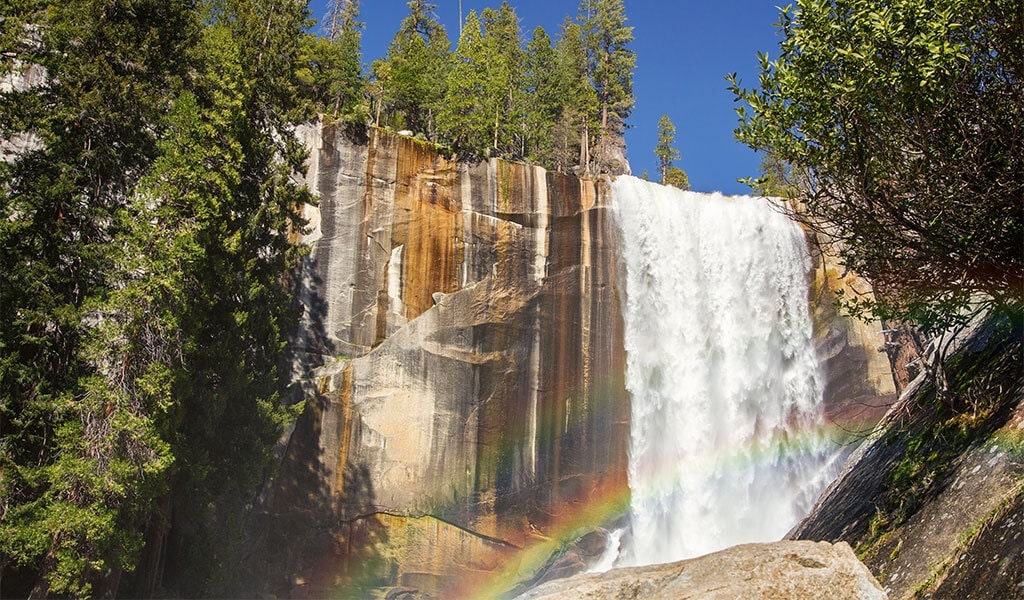
(San Francisco, California) Our California Buffalo Soldiers Heritage Trail, a statewide heritage initiative headquartered in San Francisco, announces a major public campaign during Freedom Friday, 2026 National Parks Week.
Freedom Friday, part of 2026 National Parks Week, we announce our efforts to advance the establishment of an official National Parks Trail recognizing the Buffalo Soldiers stewardship of public lands apart of California’s working landscape. This campaign positions the Trail to become a formally designated national heritage route within the National Park System.
The Trail honors the Buffalo Soldiers whose service as laborers, farmers, musicians, builders, and park rangers shaped the early development of public lands, natural resource protection, and California’s foundational conservation infrastructure. Their contributions form a well-documented historical basis for the Trail’s pursuit of national designation.
From 1898 to 1904, the U.S. Army’s 9th and 10th Cavalry and 24th Infantry, known nationally as the Buffalo Soldiers, were assigned a special mission from both the San Francisco Presidio and Monterey Presidio.
They served as among the first park rangers in Yosemite and Sequoia National Parks, carrying out duties essential to the emergence of modern conservation practice. These soldiers constructed mountain roads, engineered trails, fought wildfires, protected wildlife, and enforced early resource‑protection regulations. Their disciplined and skilled labor established operational models that influenced the future National Park Service and defined California’s working landscape at the turn of the twentieth century. Their work remains visible in the infrastructure used by millions of visitors each year, providing a tangible foundation for a National Parks Trail that traces their historic routes and accomplishments.
Despite this deep history, African Americans comprise less than two percent of visitors to the Golden Gate National Recreation Area, Monterey Presidio, Yosemite, Kings Canyon and Sequoia National Parks, which collectively welcome more than 20 million visitors each year.
Research by Dr. KangJae “Jerry” Lee of the University of Utah demonstrates that this disparity is not evidence of “under‑participation,” but the long-term consequence of structural exclusion, including decades of Jim Crow segregation that restricted access to parks and limited facilities for African American families.
The California Buffalo Soldiers Heritage Trail confronts this history directly, reframing the narrative from absence to erasure and from under‑representation to under‑recognition. By restoring visibility to the labor, leadership, and environmental expertise that African Americans contributed to the state’s development, the Trail provides the interpretive framework necessary for a nationally recognized heritage corridor.
As part of its campaign for official National Parks Trail designation, the initiative establishes San Francisco as the ceremonial and operational headquarters of a statewide corridor linking the San Francisco Presidio, Monterey Presidio, Santa Clara Valley, San Joaquin Valley, Yosemite, and Sequoia National Parks, extending outward to additional sites of Pan‑African environmental stewardship. This corridor reflects the historic routes traveled by the Buffalo Soldiers and the landscapes they helped protect.
The Trail is both a historical restoration and a forward‑looking commitment. It expands representation in environmental leadership, strengthens community engagement, and ensures that California’s public lands reflect the diverse communities that shaped them. Advancing the California Buffalo Soldiers Heritage Trail toward official National Parks Trail designation affirms that the great outdoors belongs to all people—and that the story of early stewardship must fully include those who protected, constructed, and preserved our national parks for the world to appreciate and enjoy.
Freedom Friday, part of 2026 National Parks Week, we announce our efforts to advance the establishment of an official National Parks Trail recognizing the Buffalo Soldiers stewardship of public lands apart of California’s working landscape. This campaign positions the Trail to become a formally designated national heritage route within the National Park System.
The Trail honors the Buffalo Soldiers whose service as laborers, farmers, musicians, builders, and park rangers shaped the early development of public lands, natural resource protection, and California’s foundational conservation infrastructure. Their contributions form a well-documented historical basis for the Trail’s pursuit of national designation.
From 1898 to 1904, the U.S. Army’s 9th and 10th Cavalry and 24th Infantry, known nationally as the Buffalo Soldiers, were assigned a special mission from both the San Francisco Presidio and Monterey Presidio.
They served as among the first park rangers in Yosemite and Sequoia National Parks, carrying out duties essential to the emergence of modern conservation practice. These soldiers constructed mountain roads, engineered trails, fought wildfires, protected wildlife, and enforced early resource‑protection regulations. Their disciplined and skilled labor established operational models that influenced the future National Park Service and defined California’s working landscape at the turn of the twentieth century. Their work remains visible in the infrastructure used by millions of visitors each year, providing a tangible foundation for a National Parks Trail that traces their historic routes and accomplishments.
Despite this deep history, African Americans comprise less than two percent of visitors to the Golden Gate National Recreation Area, Monterey Presidio, Yosemite, Kings Canyon and Sequoia National Parks, which collectively welcome more than 20 million visitors each year.
Research by Dr. KangJae “Jerry” Lee of the University of Utah demonstrates that this disparity is not evidence of “under‑participation,” but the long-term consequence of structural exclusion, including decades of Jim Crow segregation that restricted access to parks and limited facilities for African American families.
The California Buffalo Soldiers Heritage Trail confronts this history directly, reframing the narrative from absence to erasure and from under‑representation to under‑recognition. By restoring visibility to the labor, leadership, and environmental expertise that African Americans contributed to the state’s development, the Trail provides the interpretive framework necessary for a nationally recognized heritage corridor.
As part of its campaign for official National Parks Trail designation, the initiative establishes San Francisco as the ceremonial and operational headquarters of a statewide corridor linking the San Francisco Presidio, Monterey Presidio, Santa Clara Valley, San Joaquin Valley, Yosemite, and Sequoia National Parks, extending outward to additional sites of Pan‑African environmental stewardship. This corridor reflects the historic routes traveled by the Buffalo Soldiers and the landscapes they helped protect.
The Trail is both a historical restoration and a forward‑looking commitment. It expands representation in environmental leadership, strengthens community engagement, and ensures that California’s public lands reflect the diverse communities that shaped them. Advancing the California Buffalo Soldiers Heritage Trail toward official National Parks Trail designation affirms that the great outdoors belongs to all people—and that the story of early stewardship must fully include those who protected, constructed, and preserved our national parks for the world to appreciate and enjoy.
Add Your Comments
We are 100% volunteer and depend on your participation to sustain our efforts!
Donate

$90.00 donated
in the past month
Get Involved
If you'd like to help with maintaining or developing the website, contact us.
Publish
Publish your stories and upcoming events on Indybay.
Topics
More
Search Indybay's Archives
Advanced Search
►
▼
IMC Network