







 Publish to Newswire
 Add an Event
From the Open-Publishing Calendar
From the Open-Publishing Newswire
Indybay Feature
5th Anniversary of the establishment of UN Permanent Forum on People of African Descent
United Nations Permanent Forum on People of African Descent addresses challenges of the scourges of racism, racial discrimination, xenophobia and related intolerance and all their contemporary forms and manifestations confronted by people of African descent and that impede the full and effective realization and enjoyment of all their human rights and fundamental freedoms.
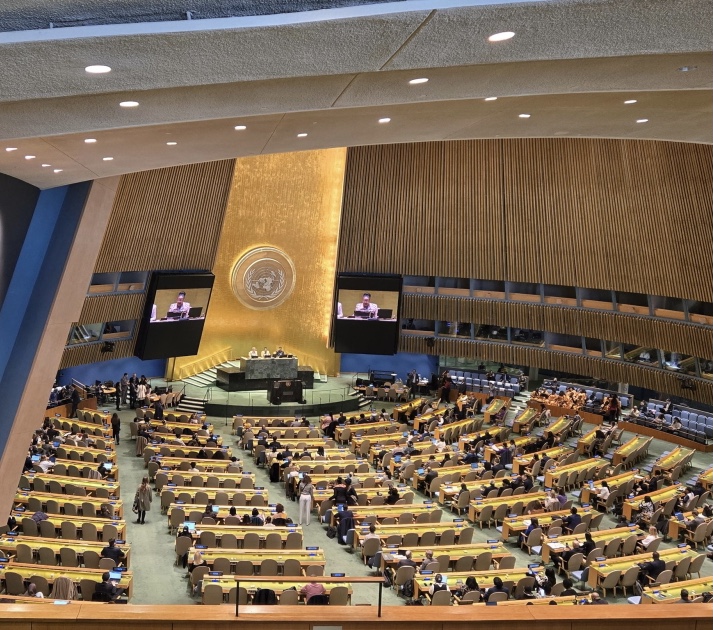
San Francisco - Today we reflect upon on August 2, 2021, when the UN General Assembly adopted its resolution 75/314, in which it formally operationalized the Permanent Forum as "a consultative mechanism for people of African descent and other relevant stakeholders as a platform for improving the safety and quality of life and livelihoods of people of African descent, as well as an advisory body to the Human Rights Council, in line with the programme of activities for the implementation of the International Decade for People of African Descent and in close coordination with existing mechanisms".
The modalities, format and substantive and procedural aspects of the Permanent Forum are described in the General Assembly resolution 75/314. Specifically, the Permanent Forum has the following mandate:
To contribute to the full political, economic and social inclusion of people of African descent in the societies in which they live as equal citizens without discrimination of any kind and contribute to ensuring equal enjoyment of all human rights;
To provide, in coordination with existing mechanisms, expert advice and recommendations to the Human Rights Council, the Main Committees of the General Assembly and organs, programmes, funds and agencies of the United Nations aimed at addressing challenges of all the scourges of racism, racial discrimination, xenophobia and related intolerance and all their contemporary forms and manifestations confronted by people of African descent and that impede the full and effective realization and enjoyment of all their human rights and fundamental freedoms;
To consider the elaboration of a United Nations declaration on the promotion, protection and full respect of the human rights of people of African descent;
To identify and analyse best practices, challenges, opportunities and initiatives to address, as appropriate, the issues highlighted in the provisions of the Durban Declaration and Programme of Action relevant to people of African descent;
To monitor and review progress on the effective implementation of the programme of activities of the International Decade for People of African Descent, and to this end gather relevant information from Governments, United Nations bodies and organs, intergovernmental organizations, non-governmental organizations and other relevant sources;
To request the preparation and dissemination of information by the United Nations system on issues relating to people of African descent and promote a greater knowledge of and respect for the diverse heritage, culture and contribution of people of African descent to the development of societies;
To raise awareness and promote integration and coordination of activities of agencies, funds and programmes relating to people of African descent within the United Nations system;
To support the coordination of programmes aimed at the socioeconomic development of communities and people of African descent, and to examine the urgent global need to establish adequate channels to obtain data disaggregated by income, sex, age, race, ethnicity, migratory status, disability, geographical location and other characteristics relevant in national contexts, to enable the systematic design and collection of and access to high-quality, reliable and timely disaggregated data and gender statistics, conducive to the better execution of public policies in relation to people of African descent;
To offer advice and recommendations on matters concerning the protection, promotion and respect of all human rights of people of African descent, and to undertake any specific task as requested by the Human Rights Council or the General Assembly.
History of the United Nations
"As World War II was about to end in 1945, nations were in ruins, and the world wanted peace.
Representatives of 50 countries gathered at the United Nations Conference on International Organization in San Francisco, California from 25 April to 26 June 1945.
For the next two months, they proceeded to draft and then sign the UN Charter, which created a new international organization, the United Nations, which, it was hoped, would prevent another world war like the one they had just lived through.
Four months after the San Francisco Conference ended, the United Nations officially began, on 24 October 1945, when it came into existence after its Charter had been ratified by China, France, the Soviet Union, the United Kingdom, the United States and by a majority of other signatories."
The modalities, format and substantive and procedural aspects of the Permanent Forum are described in the General Assembly resolution 75/314. Specifically, the Permanent Forum has the following mandate:
To contribute to the full political, economic and social inclusion of people of African descent in the societies in which they live as equal citizens without discrimination of any kind and contribute to ensuring equal enjoyment of all human rights;
To provide, in coordination with existing mechanisms, expert advice and recommendations to the Human Rights Council, the Main Committees of the General Assembly and organs, programmes, funds and agencies of the United Nations aimed at addressing challenges of all the scourges of racism, racial discrimination, xenophobia and related intolerance and all their contemporary forms and manifestations confronted by people of African descent and that impede the full and effective realization and enjoyment of all their human rights and fundamental freedoms;
To consider the elaboration of a United Nations declaration on the promotion, protection and full respect of the human rights of people of African descent;
To identify and analyse best practices, challenges, opportunities and initiatives to address, as appropriate, the issues highlighted in the provisions of the Durban Declaration and Programme of Action relevant to people of African descent;
To monitor and review progress on the effective implementation of the programme of activities of the International Decade for People of African Descent, and to this end gather relevant information from Governments, United Nations bodies and organs, intergovernmental organizations, non-governmental organizations and other relevant sources;
To request the preparation and dissemination of information by the United Nations system on issues relating to people of African descent and promote a greater knowledge of and respect for the diverse heritage, culture and contribution of people of African descent to the development of societies;
To raise awareness and promote integration and coordination of activities of agencies, funds and programmes relating to people of African descent within the United Nations system;
To support the coordination of programmes aimed at the socioeconomic development of communities and people of African descent, and to examine the urgent global need to establish adequate channels to obtain data disaggregated by income, sex, age, race, ethnicity, migratory status, disability, geographical location and other characteristics relevant in national contexts, to enable the systematic design and collection of and access to high-quality, reliable and timely disaggregated data and gender statistics, conducive to the better execution of public policies in relation to people of African descent;
To offer advice and recommendations on matters concerning the protection, promotion and respect of all human rights of people of African descent, and to undertake any specific task as requested by the Human Rights Council or the General Assembly.
History of the United Nations
"As World War II was about to end in 1945, nations were in ruins, and the world wanted peace.
Representatives of 50 countries gathered at the United Nations Conference on International Organization in San Francisco, California from 25 April to 26 June 1945.
For the next two months, they proceeded to draft and then sign the UN Charter, which created a new international organization, the United Nations, which, it was hoped, would prevent another world war like the one they had just lived through.
Four months after the San Francisco Conference ended, the United Nations officially began, on 24 October 1945, when it came into existence after its Charter had been ratified by China, France, the Soviet Union, the United Kingdom, the United States and by a majority of other signatories."
Add Your Comments
We are 100% volunteer and depend on your participation to sustain our efforts!
Donate

$120.00 donated
in the past month
Get Involved
If you'd like to help with maintaining or developing the website, contact us.
Publish
Publish your stories and upcoming events on Indybay.
Topics
More
Search Indybay's Archives
Advanced Search
►
▼
IMC Network