







 Publish to Newswire
 Add an Event
From the Open-Publishing Calendar
From the Open-Publishing Newswire
Indybay Feature
160th Anniversary Year of the Buffalo Soldiers - California State Capitol - July 28, 2026
Now, Therefore, I, George Bush, President of the United States of America, do hereby proclaim July 28, 1992, as Buffalo Soldiers Day. I urge all Americans to observe this day with appropriate programs and activities in honor of the Black Americans who served our Nation as members of the 9th and 10th Cavalry regiments
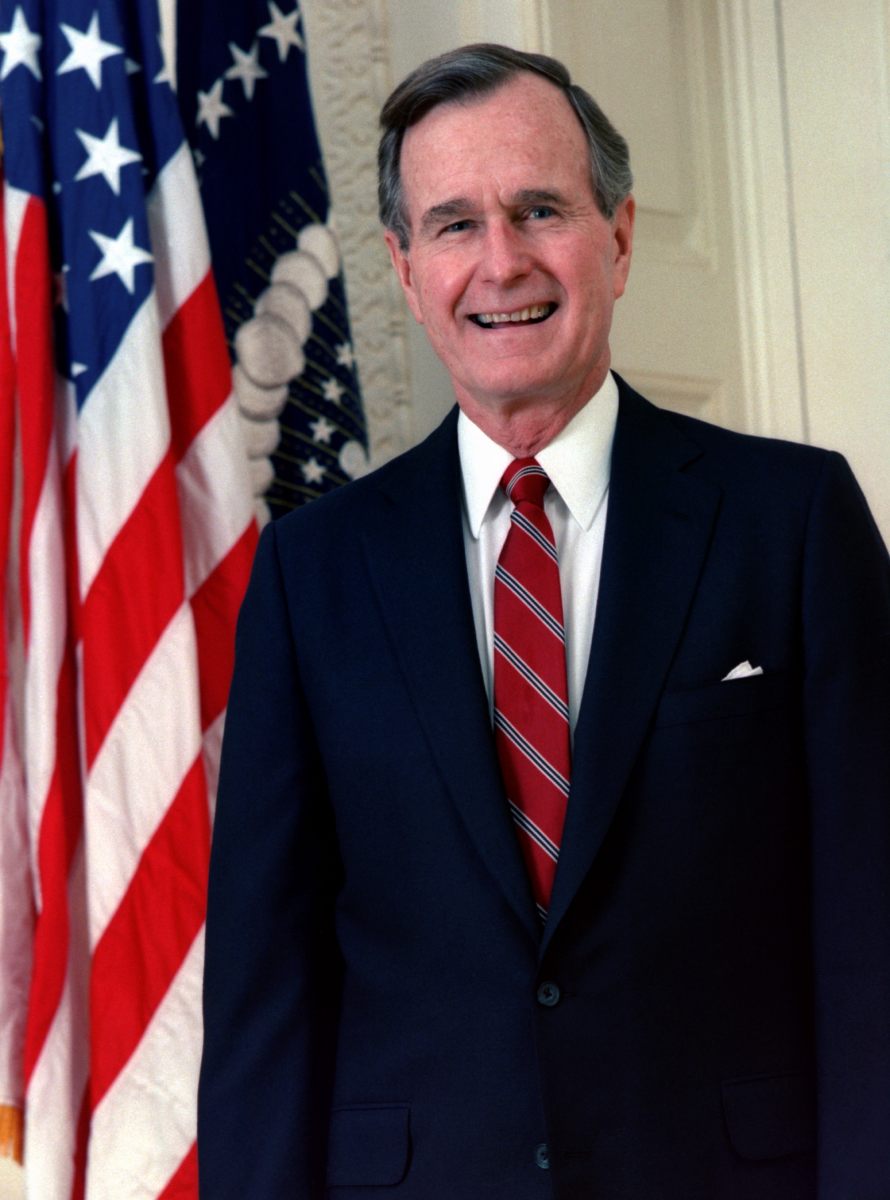
Proclamation 6461—Buffalo Soldiers Day, 1992
By the President of the United States of America
A Proclamation
On July 28, 1866, recognizing the contributions of the more than 180,000 Black Americans who fought to preserve the Union during the Civil War, the United States Congress established six regular Army regiments of black enlisted soldiers.
Of those six units, the 9th and 10th Cavalry regiments eventually became two of the most highly decorated units in American military history. Despite suffering the discrimination and the injustice that plagued all black Americans during the days of segregation, the members of the 9th and 10th Cavalry regiments served with pride and distinction. On this occasion, we celebrate their outstanding legacy of service.
Organized at Grennville, Louisiana, and at Fort Leavenworth, Kansas, respectively, the 9th and 10th Cavalry regiments played key roles in the development of the western United States. In addition to protecting settlers as they crossed the frontier via wagon trains and railroads, these skilled horsemen and soldiers assisted in the construction of roads and forts and in the pursuit of cattle thieves and other outlaws.
During a battle in 1867 near Fort Hays, Kansas, Cheyenne warriors remarked that the Black American soldiers fought as fiercely and with as much strength as buffaloes. Hence, members of the 9th and 10th Cavalries produdly adopted the name "Buffalo Soldiers" as a badge of honor.
While the Buffalo Soldiers blazed many significant trails in the history of the American frontier, their achievements were not limited to the western United States. Members of the 9th and 10th Cavalry regiments also served in Virginia, Vermont, and New York , and answered the call to duty in places as far-flung as Cuba, Mexico, and the Phillippines.
They served alongside Theodore Roosevelt and his legendary Rough Riders at San Juan Hill, and they continued to prove their courage and mettle through two world wars and the conflict in Korea. By the time of their intergration in 1952, the Buffalo Soldiers had earned well over a dozen Congressional Medals of Honor, as well as numerous campaign and unit citations. From their ranks emerged several famed military leaders, including General Benjamin O. Davis, Sr., Colonel Charles Young, and Lieutenant Henry Flipper, the first black graduate of West Point.
Although they often received the worst food and equipment and labored without the respect and recognition that were their due, the Buffalo Soldiers served proudly and with a standard of bravery and skill worthy of the United States Army. Their achievements in the face of adversity not only helped to open doors for younger Black Americans, in the military and in society as a whole, but also set a timeless example for all those who wear our Nation's uniform.
Today, we celebrate the great legacy of the Buffalo Soldiers and acknowledge their special place of honor in the history of the United States.
The Congress, by Senate Joint Resolution 92, has designated July 28, 1992, as "Buffalo Soldiers Day" and has requested the President to issue a proclamation in observance of that occasion.
Now, Therefore, I, George Bush, President of the United States of America, do hereby proclaim July 28, 1992, as Buffalo Soldiers Day. I urge all Americans to observe this day with appropriate programs and activities in honor of the Black Americans who served our Nation as members of the 9th and 10th Cavalry regiments.
In Witness Whereof, I have hereunto set my hand this twenty-fourth day of July, the year of our Lord nineteen hundred and ninety-two, and of the Independence of the United States of America the two hundred and seventeenth.
Signature of George Bush
GEORGE BUSH
By the President of the United States of America
A Proclamation
On July 28, 1866, recognizing the contributions of the more than 180,000 Black Americans who fought to preserve the Union during the Civil War, the United States Congress established six regular Army regiments of black enlisted soldiers.
Of those six units, the 9th and 10th Cavalry regiments eventually became two of the most highly decorated units in American military history. Despite suffering the discrimination and the injustice that plagued all black Americans during the days of segregation, the members of the 9th and 10th Cavalry regiments served with pride and distinction. On this occasion, we celebrate their outstanding legacy of service.
Organized at Grennville, Louisiana, and at Fort Leavenworth, Kansas, respectively, the 9th and 10th Cavalry regiments played key roles in the development of the western United States. In addition to protecting settlers as they crossed the frontier via wagon trains and railroads, these skilled horsemen and soldiers assisted in the construction of roads and forts and in the pursuit of cattle thieves and other outlaws.
During a battle in 1867 near Fort Hays, Kansas, Cheyenne warriors remarked that the Black American soldiers fought as fiercely and with as much strength as buffaloes. Hence, members of the 9th and 10th Cavalries produdly adopted the name "Buffalo Soldiers" as a badge of honor.
While the Buffalo Soldiers blazed many significant trails in the history of the American frontier, their achievements were not limited to the western United States. Members of the 9th and 10th Cavalry regiments also served in Virginia, Vermont, and New York , and answered the call to duty in places as far-flung as Cuba, Mexico, and the Phillippines.
They served alongside Theodore Roosevelt and his legendary Rough Riders at San Juan Hill, and they continued to prove their courage and mettle through two world wars and the conflict in Korea. By the time of their intergration in 1952, the Buffalo Soldiers had earned well over a dozen Congressional Medals of Honor, as well as numerous campaign and unit citations. From their ranks emerged several famed military leaders, including General Benjamin O. Davis, Sr., Colonel Charles Young, and Lieutenant Henry Flipper, the first black graduate of West Point.
Although they often received the worst food and equipment and labored without the respect and recognition that were their due, the Buffalo Soldiers served proudly and with a standard of bravery and skill worthy of the United States Army. Their achievements in the face of adversity not only helped to open doors for younger Black Americans, in the military and in society as a whole, but also set a timeless example for all those who wear our Nation's uniform.
Today, we celebrate the great legacy of the Buffalo Soldiers and acknowledge their special place of honor in the history of the United States.
The Congress, by Senate Joint Resolution 92, has designated July 28, 1992, as "Buffalo Soldiers Day" and has requested the President to issue a proclamation in observance of that occasion.
Now, Therefore, I, George Bush, President of the United States of America, do hereby proclaim July 28, 1992, as Buffalo Soldiers Day. I urge all Americans to observe this day with appropriate programs and activities in honor of the Black Americans who served our Nation as members of the 9th and 10th Cavalry regiments.
In Witness Whereof, I have hereunto set my hand this twenty-fourth day of July, the year of our Lord nineteen hundred and ninety-two, and of the Independence of the United States of America the two hundred and seventeenth.
Signature of George Bush
GEORGE BUSH
Add Your Comments
We are 100% volunteer and depend on your participation to sustain our efforts!
Donate

$90.00 donated
in the past month
Get Involved
If you'd like to help with maintaining or developing the website, contact us.
Publish
Publish your stories and upcoming events on Indybay.
Topics
More
Search Indybay's Archives
Advanced Search
►
▼
IMC Network