







 Publish to Newswire
 Add an Event
From the Open-Publishing Calendar
From the Open-Publishing Newswire
Indybay Feature
Presidio San Francisco: Reclaiming our Buffalo Soldiers Headquarters in the Pacific
Veterans of the 9th and 10th Cavalry, along with soldiers from the 24th and 25th Infantry, served at or passed through the Presidio during key moments in American military history. Their presence was especially prominent during the Spanish–American War and the Philippine–American War, when the Presidio became the principal staging ground for troops deploying to the Pacific.
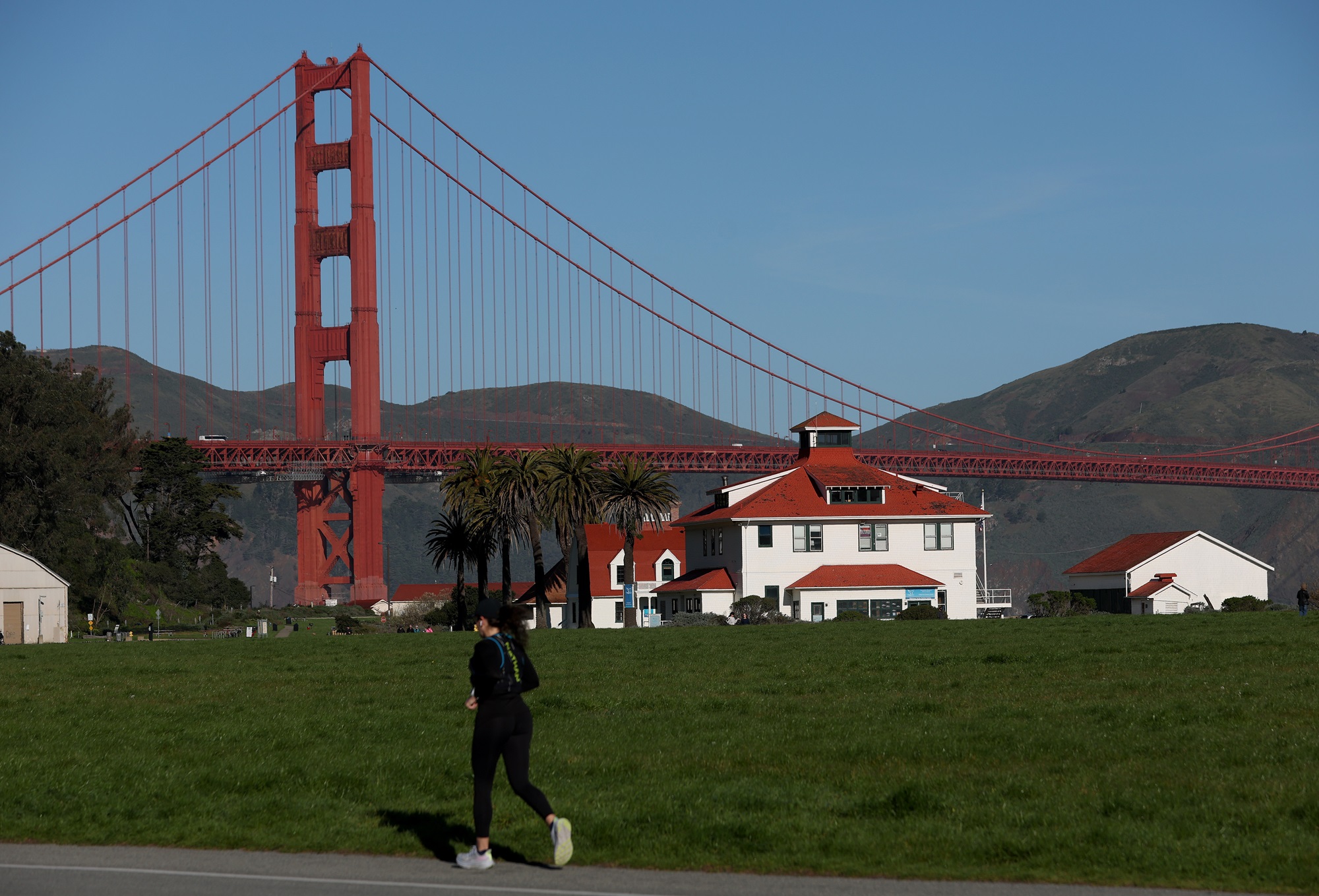
The San Francisco Presidio, standing sentinel at the edge of the Pacific, is one of the most important Buffalo Soldier sites in the United States.
Its story is inseparable from the origins of the Buffalo Soldier regiments themselves, authorized by Congress on July 28, 1866 and beginning on September 21, 1866, when the United States Army activated the 9th Cavalry Regiment at Greenville, Louisiana, and the 10th Cavalry Regiment at Fort Leavenworth, Kansas.
These twin activations marked the birth of the first permanent African‑American cavalry units in the Regular Army, establishing a military tradition that would eventually shape the Presidio’s identity as the Western Headquarters of the Buffalo Soldiers.
Today, the nation formally honors this legacy each year on National Buffalo Soldiers Day, observed on July 28. This commemorative date provides the interpretive lens through which the Presidio’s Buffalo Soldier history is best understood. National Buffalo Soldiers Day recognizes the courage, discipline, and service of the African‑American regiments created in 1866, and the Presidio stands as one of the most significant places where that legacy unfolded on the Pacific Coast.
The 9th and 10th Cavalry were formed during the Army’s post‑Civil War reorganization, a moment when the nation sought to rebuild, redefine citizenship, and expand westward.
The regiments were composed of formerly enslaved men, veterans of the United States Colored Troops, and Black volunteers from Louisiana, Kentucky, Kansas, Missouri, and the broader South, Midwest and California.
Their frontier service forged a reputation for discipline, endurance, and tactical excellence—qualities that later made them indispensable to the Army’s operations along the Pacific Coast.
By the late nineteenth century, the Presidio had become the Army’s most important western command center.
Established in 1776 under Spanish rule and in 1846 expanded by the U.S. military, the Presidio evolved into a strategic hub for operations across California, the Pacific Northwest, Alaska, Hawaii, and the Philippines.
Its location—at the continent’s western edge and the gateway to the Pacific—made it the natural headquarters for units tasked with protecting national interests in the West.
It was here, at the Presidio, that the Buffalo Soldier legacy found one of its most enduring homes.
Veterans of the 9th and 10th Cavalry, along with soldiers from the 24th and 25th Infantry, served at or passed through the Presidio during key moments in American military history. Their presence was especially prominent during the Spanish–American War and the Philippine–American War, when the Presidio became the principal staging ground for troops deploying to the Pacific.
Muster rolls, deployment orders, and regimental histories document African‑American soldiers embarking from the Presidio’s wharves, marching across its parade grounds, and serving in its administrative commands.
Our Buffalo Soldiers’ most celebrated contribution to the Presidio’s legacy came through their pioneering work in the National Parks. Beginning in the 1890s, the Army was tasked with protecting Yosemite, Sequoia, and General Grant National Parks—decades before the creation of the National Park Service.
The Presidio served as the administrative headquarters for these assignments. From its barracks and stables, Buffalo Soldiers rode out each summer to patrol the Sierra Nevada, build roads and trails, prevent poaching and illegal grazing, and establish the first formal systems of park management.
Their environmental achievements were extraordinary. Under the leadership of officers such as Captain Charles Young, who later became the first African‑American superintendent of a national park and Brigadier General.
Buffalo Soldiers built the road to the Giant Forest in Sequoia, constructed the trail to Mount Whitney, and enforced conservation laws that preserved California’s natural treasures for future generations.
Every summer, they returned to the Presidio, where their reports, maps, and administrative records were archived—cementing the Presidio’s role as the command center for early national park stewardship.
National Buffalo Soldiers Day provides the annual moment to recognize this legacy. Each July 28, the Presidio becomes a place of reflection and celebration—honoring the soldiers who protected the nation’s parks, defended the Pacific frontier, and carried the values first forged on September 21, 1866 into the twentieth century. The Presidio’s parade grounds, historic barracks, and coastal batteries stand as living monuments to their service.
The San Francisco Presidio remains, in every sense, the Western Headquarters of the Buffalo Soldiers, a place where the legacy born on July 28, 1866, this year on National Buffalo Soldiers Sunday Luncheon we reclaim our story of African‑American military excellence that continues to shape the heritage of the Pacific Coast.
Its story is inseparable from the origins of the Buffalo Soldier regiments themselves, authorized by Congress on July 28, 1866 and beginning on September 21, 1866, when the United States Army activated the 9th Cavalry Regiment at Greenville, Louisiana, and the 10th Cavalry Regiment at Fort Leavenworth, Kansas.
These twin activations marked the birth of the first permanent African‑American cavalry units in the Regular Army, establishing a military tradition that would eventually shape the Presidio’s identity as the Western Headquarters of the Buffalo Soldiers.
Today, the nation formally honors this legacy each year on National Buffalo Soldiers Day, observed on July 28. This commemorative date provides the interpretive lens through which the Presidio’s Buffalo Soldier history is best understood. National Buffalo Soldiers Day recognizes the courage, discipline, and service of the African‑American regiments created in 1866, and the Presidio stands as one of the most significant places where that legacy unfolded on the Pacific Coast.
The 9th and 10th Cavalry were formed during the Army’s post‑Civil War reorganization, a moment when the nation sought to rebuild, redefine citizenship, and expand westward.
The regiments were composed of formerly enslaved men, veterans of the United States Colored Troops, and Black volunteers from Louisiana, Kentucky, Kansas, Missouri, and the broader South, Midwest and California.
Their frontier service forged a reputation for discipline, endurance, and tactical excellence—qualities that later made them indispensable to the Army’s operations along the Pacific Coast.
By the late nineteenth century, the Presidio had become the Army’s most important western command center.
Established in 1776 under Spanish rule and in 1846 expanded by the U.S. military, the Presidio evolved into a strategic hub for operations across California, the Pacific Northwest, Alaska, Hawaii, and the Philippines.
Its location—at the continent’s western edge and the gateway to the Pacific—made it the natural headquarters for units tasked with protecting national interests in the West.
It was here, at the Presidio, that the Buffalo Soldier legacy found one of its most enduring homes.
Veterans of the 9th and 10th Cavalry, along with soldiers from the 24th and 25th Infantry, served at or passed through the Presidio during key moments in American military history. Their presence was especially prominent during the Spanish–American War and the Philippine–American War, when the Presidio became the principal staging ground for troops deploying to the Pacific.
Muster rolls, deployment orders, and regimental histories document African‑American soldiers embarking from the Presidio’s wharves, marching across its parade grounds, and serving in its administrative commands.
Our Buffalo Soldiers’ most celebrated contribution to the Presidio’s legacy came through their pioneering work in the National Parks. Beginning in the 1890s, the Army was tasked with protecting Yosemite, Sequoia, and General Grant National Parks—decades before the creation of the National Park Service.
The Presidio served as the administrative headquarters for these assignments. From its barracks and stables, Buffalo Soldiers rode out each summer to patrol the Sierra Nevada, build roads and trails, prevent poaching and illegal grazing, and establish the first formal systems of park management.
Their environmental achievements were extraordinary. Under the leadership of officers such as Captain Charles Young, who later became the first African‑American superintendent of a national park and Brigadier General.
Buffalo Soldiers built the road to the Giant Forest in Sequoia, constructed the trail to Mount Whitney, and enforced conservation laws that preserved California’s natural treasures for future generations.
Every summer, they returned to the Presidio, where their reports, maps, and administrative records were archived—cementing the Presidio’s role as the command center for early national park stewardship.
National Buffalo Soldiers Day provides the annual moment to recognize this legacy. Each July 28, the Presidio becomes a place of reflection and celebration—honoring the soldiers who protected the nation’s parks, defended the Pacific frontier, and carried the values first forged on September 21, 1866 into the twentieth century. The Presidio’s parade grounds, historic barracks, and coastal batteries stand as living monuments to their service.
The San Francisco Presidio remains, in every sense, the Western Headquarters of the Buffalo Soldiers, a place where the legacy born on July 28, 1866, this year on National Buffalo Soldiers Sunday Luncheon we reclaim our story of African‑American military excellence that continues to shape the heritage of the Pacific Coast.
Add Your Comments
We are 100% volunteer and depend on your participation to sustain our efforts!
Donate

$110.00 donated
in the past month
Get Involved
If you'd like to help with maintaining or developing the website, contact us.
Publish
Publish your stories and upcoming events on Indybay.
Topics
More
Search Indybay's Archives
Advanced Search
►
▼
IMC Network