







 Publish to Newswire
 Add an Event
From the Open-Publishing Calendar
From the Open-Publishing Newswire
Indybay Feature
160th Anniversary of the establishment of the Buffalo Soldiers - Allensworth State Park
The streets throughout the Town of Allensworth, share an unspoken yet profound legacy of service, identity and self-determination. July 28, 1866, the Buffalo Soldiers were established after the bloody US Civil War, ending chattel slavery throughout America.
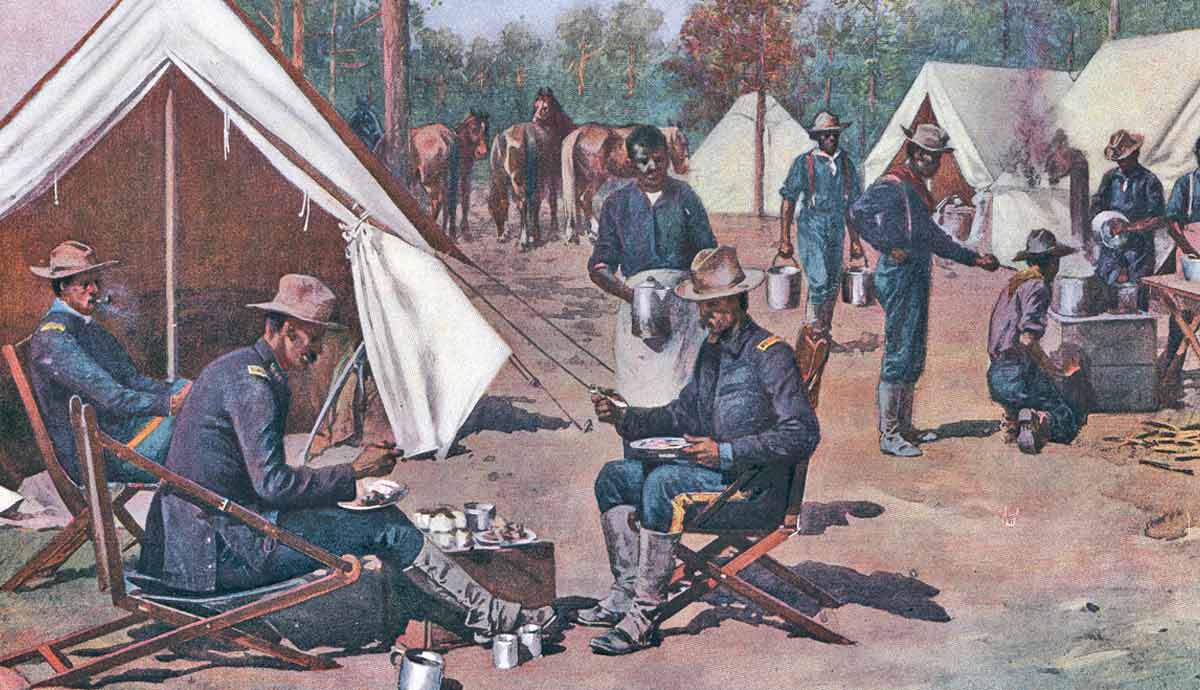
When Colonel Allen Allensworth and Professor William Payne founded the town of Allensworth, California, in 1908, they envisioned far more than a rural settlement on the western edge of Tulare County.
The goal was to establish a self‑governing, economically independent African American community one capable of demonstrating the full measure of Black leadership, discipline, and civic capacity at a time when segregation and discrimination constrained opportunity across the nation. Central to this vision was the presence of men whose lives embodied service, professionalism, and perseverance: the Buffalo Soldiers.
The Buffalo Soldiers, primarily veterans of the 9th and 10th Cavalry Regiments—were among the earliest residents of Allensworth. These African American soldiers had served across the American West after the Civil War, performing duties that ranged from protecting settlers and mail routes to building roads, maintaining order, and enforcing federal law. Their reputation for discipline, skill, and integrity was widely recognized, and Colonel Allensworth himself had risen to national prominence as the highest‑ranking African American officer of his era. The founding of Allensworth thus represented a natural extension of the values these soldiers carried throughout their military careers.
Although Allensworth was not officially designated as a “Buffalo Soldier town,” the influence of these veterans was unmistakable. Many early settlers were former cavalrymen who brought with them the habits of organization, cooperation, and civic responsibility honed during years of military service. Their presence shaped the town’s culture, its institutions, and its aspirations. In this context, the naming of streets after prominent Buffalo Soldiers was both a tribute and a declaration of identity.
Among the distinguished figures connected to Allensworth’s founding era was Edward Cornelius Pope, a young child who grew into a respected civic leader whose contributions extended far beyond the town’s early years. Pope was deeply committed to the principles of self‑determination and collective advancement that defined Allensworth’s founding vision.
His leadership in local governance, education, and community planning reflected the disciplined ethos shared by the Buffalo Soldiers. But Pope’s most enduring achievement came decades later, when he led the statewide effort to preserve Allensworth and secure its designation as a California State Historic Park.
Through advocacy, coalition‑building, and persistent engagement with state officials, Pope ensured that Allensworth’s legacy would not be lost to time. His work transformed the town from a fading rural settlement into a protected heritage site, safeguarding the memory of its founders and the Buffalo Soldiers who shaped its early identity.
Historical accounts and interpretive materials from Colonel Allensworth State Historic Park confirm that residents intentionally named streets to honor distinguished Buffalo Soldiers military leaders. This practice reflected a broader effort to celebrate African American military heritage and to assert pride in the contributions of Black soldiers to the nation’s development.
Street names served as daily reminders of the courage, professionalism, and leadership embodied by these men qualities the founders sought to instill in the community’s civic life. The inclusion of leaders such as Edward Cornelius Pope further demonstrates how Allensworth’s residents honored not only military service but also civic stewardship and long‑term preservation.
The decision to embed Buffalo Soldier history into the physical landscape of Allensworth carried symbolic weight. At a time when African American communities across the country faced systemic barriers, Allensworth’s founders used public space to affirm their own narrative. Naming streets after Buffalo Soldiers was a way to claim historical authority, elevate Black achievement, and reinforce the town’s founding vision of self‑determination. It also connected Allensworth to a national legacy of African American service in the U.S. Army, situating the town within a continuum of struggle, resilience, and accomplishment.
This naming tradition also reflected the town’s educational mission. Colonel Allensworth believed deeply in literacy, civic education, and the cultivation of leadership. By honoring Buffalo Soldiers and civic figures like Pope in the town’s layout, residents created an environment where children and families encountered their own history in everyday life. The streets became a living curriculum an invitation to learn about African American military service, to understand the sacrifices made by earlier generations, and to recognize the possibilities of disciplined, collective action.
Today, the legacy of these naming practices endures at Colonel Allensworth State Historic Park. Restored buildings, interpretive signage, and educational programs highlight the town’s origins and the role Buffalo Soldiers played in shaping its early years. Visitors encounter a landscape intentionally designed to honor African American achievement and to preserve the memory of the soldiers and civic leaders who helped build and later preserve the community. Pope’s leadership in securing state recognition ensures that Allensworth remains a permanent testament to African American self‑determination in California.
In the broader context of California history, Allensworth stands as a 20th Century example of a town established, governed, and sustained by African Americans at the dawn of World War I.
Its founders used every available tool including the naming of streets to assert dignity, pride, and autonomy. The Buffalo Soldier names embedded in the town’s geography, alongside the preservation legacy of Edward Cornelius Pope, are part of this larger story: a testament to the community’s commitment to self‑reliance, civic responsibility, and historical remembrance.
The goal was to establish a self‑governing, economically independent African American community one capable of demonstrating the full measure of Black leadership, discipline, and civic capacity at a time when segregation and discrimination constrained opportunity across the nation. Central to this vision was the presence of men whose lives embodied service, professionalism, and perseverance: the Buffalo Soldiers.
The Buffalo Soldiers, primarily veterans of the 9th and 10th Cavalry Regiments—were among the earliest residents of Allensworth. These African American soldiers had served across the American West after the Civil War, performing duties that ranged from protecting settlers and mail routes to building roads, maintaining order, and enforcing federal law. Their reputation for discipline, skill, and integrity was widely recognized, and Colonel Allensworth himself had risen to national prominence as the highest‑ranking African American officer of his era. The founding of Allensworth thus represented a natural extension of the values these soldiers carried throughout their military careers.
Although Allensworth was not officially designated as a “Buffalo Soldier town,” the influence of these veterans was unmistakable. Many early settlers were former cavalrymen who brought with them the habits of organization, cooperation, and civic responsibility honed during years of military service. Their presence shaped the town’s culture, its institutions, and its aspirations. In this context, the naming of streets after prominent Buffalo Soldiers was both a tribute and a declaration of identity.
Among the distinguished figures connected to Allensworth’s founding era was Edward Cornelius Pope, a young child who grew into a respected civic leader whose contributions extended far beyond the town’s early years. Pope was deeply committed to the principles of self‑determination and collective advancement that defined Allensworth’s founding vision.
His leadership in local governance, education, and community planning reflected the disciplined ethos shared by the Buffalo Soldiers. But Pope’s most enduring achievement came decades later, when he led the statewide effort to preserve Allensworth and secure its designation as a California State Historic Park.
Through advocacy, coalition‑building, and persistent engagement with state officials, Pope ensured that Allensworth’s legacy would not be lost to time. His work transformed the town from a fading rural settlement into a protected heritage site, safeguarding the memory of its founders and the Buffalo Soldiers who shaped its early identity.
Historical accounts and interpretive materials from Colonel Allensworth State Historic Park confirm that residents intentionally named streets to honor distinguished Buffalo Soldiers military leaders. This practice reflected a broader effort to celebrate African American military heritage and to assert pride in the contributions of Black soldiers to the nation’s development.
Street names served as daily reminders of the courage, professionalism, and leadership embodied by these men qualities the founders sought to instill in the community’s civic life. The inclusion of leaders such as Edward Cornelius Pope further demonstrates how Allensworth’s residents honored not only military service but also civic stewardship and long‑term preservation.
The decision to embed Buffalo Soldier history into the physical landscape of Allensworth carried symbolic weight. At a time when African American communities across the country faced systemic barriers, Allensworth’s founders used public space to affirm their own narrative. Naming streets after Buffalo Soldiers was a way to claim historical authority, elevate Black achievement, and reinforce the town’s founding vision of self‑determination. It also connected Allensworth to a national legacy of African American service in the U.S. Army, situating the town within a continuum of struggle, resilience, and accomplishment.
This naming tradition also reflected the town’s educational mission. Colonel Allensworth believed deeply in literacy, civic education, and the cultivation of leadership. By honoring Buffalo Soldiers and civic figures like Pope in the town’s layout, residents created an environment where children and families encountered their own history in everyday life. The streets became a living curriculum an invitation to learn about African American military service, to understand the sacrifices made by earlier generations, and to recognize the possibilities of disciplined, collective action.
Today, the legacy of these naming practices endures at Colonel Allensworth State Historic Park. Restored buildings, interpretive signage, and educational programs highlight the town’s origins and the role Buffalo Soldiers played in shaping its early years. Visitors encounter a landscape intentionally designed to honor African American achievement and to preserve the memory of the soldiers and civic leaders who helped build and later preserve the community. Pope’s leadership in securing state recognition ensures that Allensworth remains a permanent testament to African American self‑determination in California.
In the broader context of California history, Allensworth stands as a 20th Century example of a town established, governed, and sustained by African Americans at the dawn of World War I.
Its founders used every available tool including the naming of streets to assert dignity, pride, and autonomy. The Buffalo Soldier names embedded in the town’s geography, alongside the preservation legacy of Edward Cornelius Pope, are part of this larger story: a testament to the community’s commitment to self‑reliance, civic responsibility, and historical remembrance.
Add Your Comments
We are 100% volunteer and depend on your participation to sustain our efforts!
Donate

$65.00 donated
in the past month
Get Involved
If you'd like to help with maintaining or developing the website, contact us.
Publish
Publish your stories and upcoming events on Indybay.
Topics
More
Search Indybay's Archives
Advanced Search
►
▼
IMC Network