







 Publish to Newswire
 Add an Event
From the Open-Publishing Calendar
From the Open-Publishing Newswire
Indybay Feature
Leidesdorff Plaza - Diamond Jubilee Chinatown at Historic Negro Bar, Sacramento County
As the morning mist lifts each day at Historic Negro Bar, Gam Saan-Gold Mountain, the largest Chinatown outside of San Francisco, nearly 3,000 immigrants, erased from memory. Today's Lake Natoma reveals what has always been there: the labor, resilience, and brilliance of early California Gold Rush history. Honorable William Alexander Leidesdorff, Jr. "African Founding Father of California" who helped shaped this state long before it was a state remains a "hidden figure."
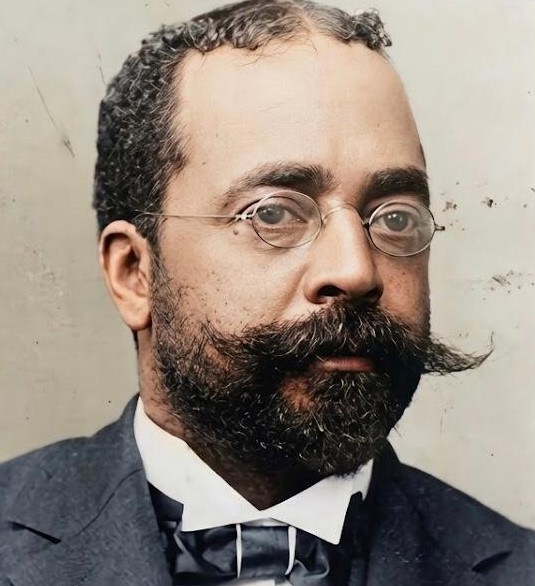
Restoring the Name at Historic Negro Bar, Sacramento County is not about erasing history, it is finally telling California Gold Rush Era history honestly.
The morning sun cuts through today's Lake Natoma, Historic Folsom District, established in 1856, the sunrise illuminates a shoreline once the pristine lands of tribal Nations as a mated pair of American Bald Eagles fly high in an ancient pattern of togetherness.
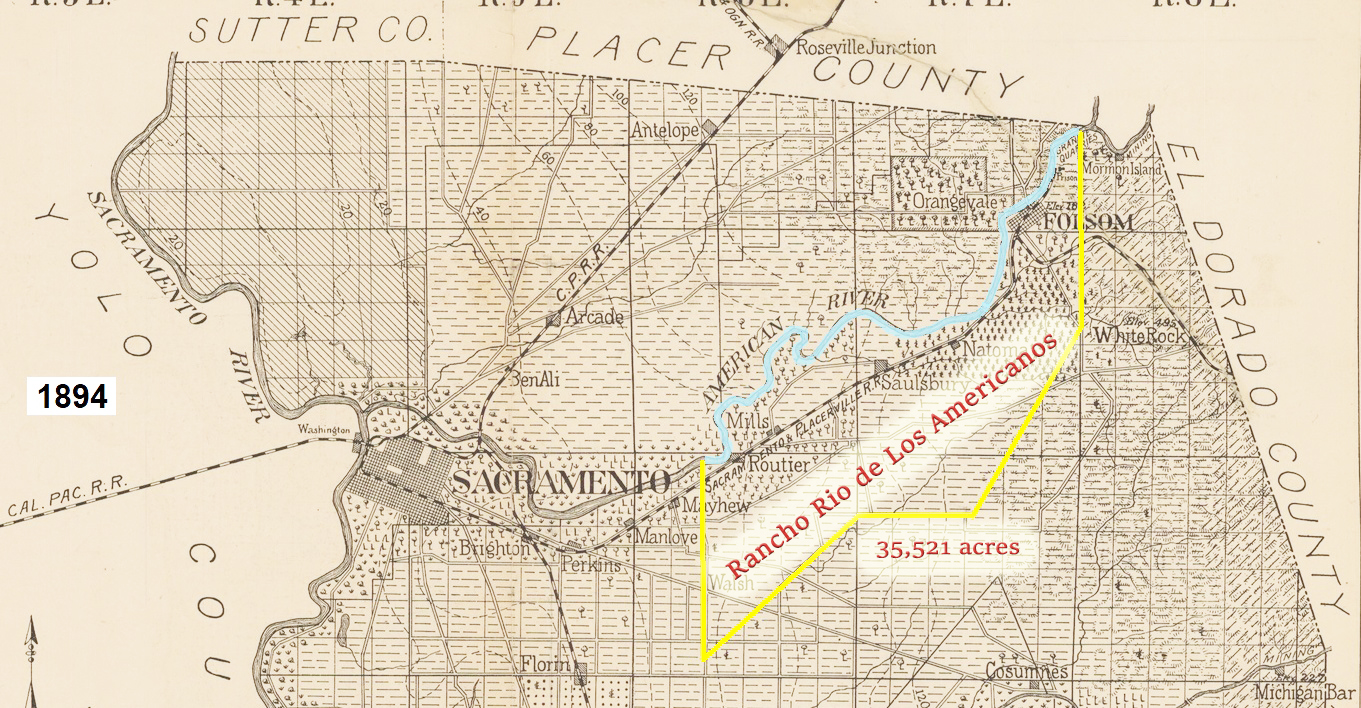
In 1844, US Vice Consul to Mexico, San Francisco Treasurer, Honorable William Alexander Leidesdorff, Jr. named his 8 Mexican league land grant, Rancho Rio de Los Americanos, uniquely stipulating not to disturb the native population as he expended time, resources and material support to develop Leidesdorff Ranch his cattle and wheat agribusiness in today's City of Rancho Cordova.
January 1848, gold was discovered just upstream in Coloma and the official report of squatters mining gold upon a mile long gravel bar was named Negro Bar. The world rushed in and Negro Bar, Sacramento grew rapidly the transportation hub and officially recorded as the township renamed Folsom in December 1855 by Theodore Judah to facilitate final construction of the Sacramento Valley Railroad, Inc. in February 1856.
Since Spring 1848, this stretch of the American River has carried a name Negro Bar and after decades of dredging and the industrial concrete staging site for the construction of Folsom Dam in 1956. Deference to the townsite and legacy of Negro Bar, a mile long gravel miracle mile, the name-site was moved across the American River as part of the newly established Folsom Lake Recreation Area, contracted managed by California State Parks upon Federal land of the Interior Department, Bureau of Reclamation.
In 2022, California State Parks enacted internal staff report voted on by the California State Parks Recreational Commission a provisional name change to distort, disparage and destroy the site’s authentic Gold Rush origins. But the debate that followed revealed a deeper question: Does changing a name heal a community — or hide the truth?
The answer depends on whether we are willing to confront the real history behind the place. Negro Bar was one of the earliest and most productive Gold Rush mining sites, established and worked by free people of Pan African ancestry beginning in 1848 during the US Mexican War. These pioneers were not marginal figures; they were central to the region’s economic development. Yet over time, early Pan‑African settlements like Negro Bar, Massachusetts Flats, Mormon Island, Negro Hill and other gold mining towns were systematically erased from public memory.
Their cemeteries were disturbed, their contributions minimized, and their stories pushed to the margins of California’s narrative. This erasure is not just historical — it is psychological.
Research in psychology and public health shows that when a community’s authentic history is removed from public narratives, the harm is measurable. The loss of cultural anchors produces identity conflict, social isolation, and chronic cognitive dissonance. Over generations, this compounds into what scholars identify as intergenerational trauma.
These impacts are not confined to the past. They show up in today’s classrooms.
In the California State Capitol region of Sacramento, roughly 75% of Black students in both Sacramento City Unified and Folsom Cordova Unified read below grade level. This crisis is often framed as an educational failure, but it is also a narrative failure. Racism was declared a Public Health Crisis by Sacramento County Board of Supervisors in 2020.
When K–12 curricula omit the presence and contributions of early California Pioneers of Pan African Ancestry, students are left navigating systems that do not reflect their ancestral value. Psychological literature is clear: representation is not symbolic — it is foundational to cognitive development.
When students never see themselves in the story of their region, their confidence erodes. Their engagement drops. Their literacy suffers.
Correcting the public record at Rancho Rio de Los Americanos, Negro Bar and Negro Hill is not about political correctness. It is about historical accuracy and community wellness. Restoring accurate place names rebuilds cultural grounding, strengthens identity formation, and helps repair intergenerational harm. It also supports educational outcomes by giving students a truthful, inclusive narrative of the place they call home.
Across the region, educators, civic leaders, and cultural institutions are beginning to shift from basic remediation to a broader framework of historical and narrative restoration. This includes teaching the full history of early Black and Chinese pioneers, restoring accurate place names and markers, integrating local history into literacy strategies, and ensuring that state‑sanctioned narratives reflect the people who built this region.
As the morning mist lifts each day at Historic Negro Bar, Gam Saan-Gold Mountain, the largest Chinatown outside of San Francisco, nearly 3,000 immigrants, erased from memory. Today's Lake Natoma reveals what has always been there: the labor, resilience, and brilliance of early California Gold Rush history. Honorable William Alexander Leidesdorff, Jr. "African Founding Father of California" who helped shaped this state long before it was a state remains a "hidden figure."
Leidesdorff Plaza, Diamond Jubilee in today's Folsom Historic Station, as dedicated by the Negro Museum and Library Association of Sacramento, Inc. led the way toward historical preservation and cultural tourism, May 1966.
The question today, is whether we will continue to obscure that truth — or finally honor it. Restoring the name at Historic Negro Bar and Negro Hill, California is not the end of the story. It is the beginning of telling it honestly.
The morning sun cuts through today's Lake Natoma, Historic Folsom District, established in 1856, the sunrise illuminates a shoreline once the pristine lands of tribal Nations as a mated pair of American Bald Eagles fly high in an ancient pattern of togetherness.
In 1844, US Vice Consul to Mexico, San Francisco Treasurer, Honorable William Alexander Leidesdorff, Jr. named his 8 Mexican league land grant, Rancho Rio de Los Americanos, uniquely stipulating not to disturb the native population as he expended time, resources and material support to develop Leidesdorff Ranch his cattle and wheat agribusiness in today's City of Rancho Cordova.
January 1848, gold was discovered just upstream in Coloma and the official report of squatters mining gold upon a mile long gravel bar was named Negro Bar. The world rushed in and Negro Bar, Sacramento grew rapidly the transportation hub and officially recorded as the township renamed Folsom in December 1855 by Theodore Judah to facilitate final construction of the Sacramento Valley Railroad, Inc. in February 1856.
Since Spring 1848, this stretch of the American River has carried a name Negro Bar and after decades of dredging and the industrial concrete staging site for the construction of Folsom Dam in 1956. Deference to the townsite and legacy of Negro Bar, a mile long gravel miracle mile, the name-site was moved across the American River as part of the newly established Folsom Lake Recreation Area, contracted managed by California State Parks upon Federal land of the Interior Department, Bureau of Reclamation.
In 2022, California State Parks enacted internal staff report voted on by the California State Parks Recreational Commission a provisional name change to distort, disparage and destroy the site’s authentic Gold Rush origins. But the debate that followed revealed a deeper question: Does changing a name heal a community — or hide the truth?
The answer depends on whether we are willing to confront the real history behind the place. Negro Bar was one of the earliest and most productive Gold Rush mining sites, established and worked by free people of Pan African ancestry beginning in 1848 during the US Mexican War. These pioneers were not marginal figures; they were central to the region’s economic development. Yet over time, early Pan‑African settlements like Negro Bar, Massachusetts Flats, Mormon Island, Negro Hill and other gold mining towns were systematically erased from public memory.
Their cemeteries were disturbed, their contributions minimized, and their stories pushed to the margins of California’s narrative. This erasure is not just historical — it is psychological.
Research in psychology and public health shows that when a community’s authentic history is removed from public narratives, the harm is measurable. The loss of cultural anchors produces identity conflict, social isolation, and chronic cognitive dissonance. Over generations, this compounds into what scholars identify as intergenerational trauma.
These impacts are not confined to the past. They show up in today’s classrooms.
In the California State Capitol region of Sacramento, roughly 75% of Black students in both Sacramento City Unified and Folsom Cordova Unified read below grade level. This crisis is often framed as an educational failure, but it is also a narrative failure. Racism was declared a Public Health Crisis by Sacramento County Board of Supervisors in 2020.
When K–12 curricula omit the presence and contributions of early California Pioneers of Pan African Ancestry, students are left navigating systems that do not reflect their ancestral value. Psychological literature is clear: representation is not symbolic — it is foundational to cognitive development.
When students never see themselves in the story of their region, their confidence erodes. Their engagement drops. Their literacy suffers.
Correcting the public record at Rancho Rio de Los Americanos, Negro Bar and Negro Hill is not about political correctness. It is about historical accuracy and community wellness. Restoring accurate place names rebuilds cultural grounding, strengthens identity formation, and helps repair intergenerational harm. It also supports educational outcomes by giving students a truthful, inclusive narrative of the place they call home.
Across the region, educators, civic leaders, and cultural institutions are beginning to shift from basic remediation to a broader framework of historical and narrative restoration. This includes teaching the full history of early Black and Chinese pioneers, restoring accurate place names and markers, integrating local history into literacy strategies, and ensuring that state‑sanctioned narratives reflect the people who built this region.
As the morning mist lifts each day at Historic Negro Bar, Gam Saan-Gold Mountain, the largest Chinatown outside of San Francisco, nearly 3,000 immigrants, erased from memory. Today's Lake Natoma reveals what has always been there: the labor, resilience, and brilliance of early California Gold Rush history. Honorable William Alexander Leidesdorff, Jr. "African Founding Father of California" who helped shaped this state long before it was a state remains a "hidden figure."
Leidesdorff Plaza, Diamond Jubilee in today's Folsom Historic Station, as dedicated by the Negro Museum and Library Association of Sacramento, Inc. led the way toward historical preservation and cultural tourism, May 1966.
The question today, is whether we will continue to obscure that truth — or finally honor it. Restoring the name at Historic Negro Bar and Negro Hill, California is not the end of the story. It is the beginning of telling it honestly.
Add Your Comments
We are 100% volunteer and depend on your participation to sustain our efforts!
Donate

$110.00 donated
in the past month
Get Involved
If you'd like to help with maintaining or developing the website, contact us.
Publish
Publish your stories and upcoming events on Indybay.
Topics
More
Search Indybay's Archives
Advanced Search
►
▼
IMC Network