







 Publish to Newswire
 Add an Event
From the Open-Publishing Calendar
From the Open-Publishing Newswire
Indybay Feature
2026 Leidesdorff Plaza - Diamond Jubilee, "Gum Saan" from Chinatown SF to Chinatown Folsom
Leidesdorff Street Downtown San Francisco to Leidesdorff Street City of Folsom was the destination of "gold seekers" to "Gum Saan" or Gold Mountain, for thousands of early Chinese Gold Miners.
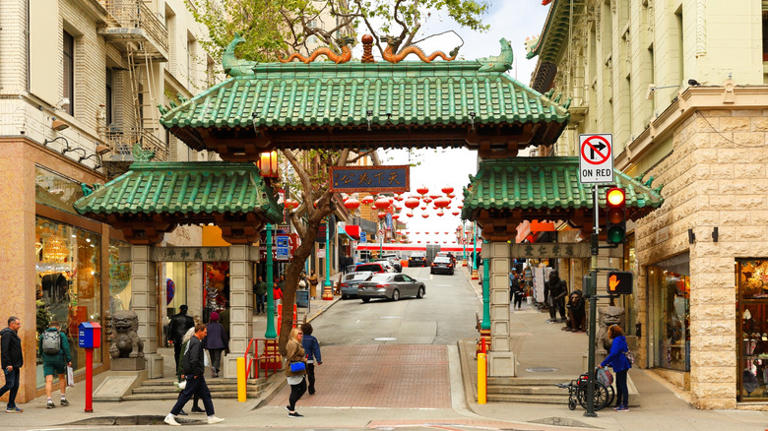
From Mission Delores to the Heart of Chinatown, Portsmouth Square and Leidesdorff Street in the Financial District of San Francisco, the Golden Fortune of Honorable William Alexander Leidesdorff, Jr. comes alive for our 2026 Leidesdorff Memorial and Leidesdorff Plaza, Diamond Jubilee Week.
The Golden Legacy of Honorable William Alexander Leidesdorff, Jr. remains an open secret and his legacy of establishing the first public school in California often left out of our California State Standards and Practices for 4th - 8th Grade school instruction, far too empowering for some and a bit unsettling for others.
The tranquil US Military occupied City of San Francisco, California was disrupted by the cry of Gold, Gold, Gold that was discovered along the American River in January 1848, drawing people from around the world into what became the California Gold Rush.
From the Historic Silk Road Chinese Port, Gum Saan, Gold Mountain, represented salvation, hope and prosperity. From Leidesdorff Street in San Francisco to Old Sacramento to Leidesdorff Street in Historic Folsom, Leidesdorff Plaza - Diamond Jubilee we open the path towards restoration of Historic Negro Bar Hotel and General Store and a thriving 1854 Chinatown in Negro Bar, Sacramento County. Early 1856 the Sacramento Valley Railroad was constructed largely by Chinese labor and the newly renamed town of Folsom exploded with Chinese immigrants with goods and services imported directly from the then British Port of Hong Kong, China.
The Port of San Francisco, initially along Leidesdorff Street and the Leidesdorff Waterfront Warehouse exploded with ships from around the world. Rancho Rio de Los Americanos was 8 Mexican leagues or 35,521-acre, his vast cattle and wheat rancho owned by the US Vice Consul, Honorable William Alexander Leidesdorff, Jr. Leidesdorff Ranch, farm manager was Willard Buzzell could barely keep pace with the demand for fresh agriculture commodities.
On the northeastern portion of the Leidesdorff property, a miracle mile long gravel "gold bar" with "squatters mining upon his land" grew into a townsite called Negro Bar. Documentation shows that from 1848 to 1855, Negro Bar, Sacramento County was one of the earliest inland destinations for Chinese migrants traveling from San Francisco to the gold fields.
Chinese miners along with Pan‑African miners, formed a cooperative, often overlooked chapter of early California Gold Rush History.
During the California Underground Railroad Network to Freedom era (1840–1875), people of African descent sought greater freedom in Alta California, and in many of the mining camps and towns they worked alongside Chinese miners in relative harmony. Sacramento’s African Baptist Church was even founded in the basement of the Chinese Baptist Church, reflects a shared relationship and mutual support for one another.
In December 1855, the Negro Bar townsite officially was recorded in Sacramento County as the Folsom townsite by Theodore Judah after the death of US Army Captain Joseph Folsom.
February 1856 the Sacramento Valley Railroad, first railroad in the West, was completed using nearly 80% Chinese labor. A thriving Chinese community grew along Leidesdorff Street with tents and shanty town on the miracle mile along the American River until a devastating fire in 1867 destroyed much of Historic Folsom Chinatown along the Negro Bar Mining District.
By the 1880s, Folsom’s Chinatown was rebuilt and reportedly the second largest in California outside San Francisco, with nearly 3,000 residents. Yet the 1907 Folsom Chinatown fire was devastating, rampant racial discrimination, and exclusion laws dismantled the community. By 1920, only 26 Chinese residents remained in Folsom Chinatown.
Through it all, the Chan family endured. Sixteen‑year‑old Chan Oak Chin arrived at Negro bar in 1852, he built multiple businesses, served as translator and community leader, and became known as Chinatown’s first “mayor.” His descendants operated the Cash and Carry Market on Sutter Street well into the 21st century.
Today, the Chan House at 917 Sutter Street — now under restoration — stands as one of the last physical links to this once‑vibrant Chinatown community, its preservation ensures that the Golden Fortune story of Folsom Chinatown comes alive this Diamond Jubilee of Leidesdorff Plaza, Historic Folsom Station, 1854 Historic Negro Bar, Sacramento County
The Golden Legacy of Honorable William Alexander Leidesdorff, Jr. remains an open secret and his legacy of establishing the first public school in California often left out of our California State Standards and Practices for 4th - 8th Grade school instruction, far too empowering for some and a bit unsettling for others.
The tranquil US Military occupied City of San Francisco, California was disrupted by the cry of Gold, Gold, Gold that was discovered along the American River in January 1848, drawing people from around the world into what became the California Gold Rush.
From the Historic Silk Road Chinese Port, Gum Saan, Gold Mountain, represented salvation, hope and prosperity. From Leidesdorff Street in San Francisco to Old Sacramento to Leidesdorff Street in Historic Folsom, Leidesdorff Plaza - Diamond Jubilee we open the path towards restoration of Historic Negro Bar Hotel and General Store and a thriving 1854 Chinatown in Negro Bar, Sacramento County. Early 1856 the Sacramento Valley Railroad was constructed largely by Chinese labor and the newly renamed town of Folsom exploded with Chinese immigrants with goods and services imported directly from the then British Port of Hong Kong, China.
The Port of San Francisco, initially along Leidesdorff Street and the Leidesdorff Waterfront Warehouse exploded with ships from around the world. Rancho Rio de Los Americanos was 8 Mexican leagues or 35,521-acre, his vast cattle and wheat rancho owned by the US Vice Consul, Honorable William Alexander Leidesdorff, Jr. Leidesdorff Ranch, farm manager was Willard Buzzell could barely keep pace with the demand for fresh agriculture commodities.
On the northeastern portion of the Leidesdorff property, a miracle mile long gravel "gold bar" with "squatters mining upon his land" grew into a townsite called Negro Bar. Documentation shows that from 1848 to 1855, Negro Bar, Sacramento County was one of the earliest inland destinations for Chinese migrants traveling from San Francisco to the gold fields.
Chinese miners along with Pan‑African miners, formed a cooperative, often overlooked chapter of early California Gold Rush History.
During the California Underground Railroad Network to Freedom era (1840–1875), people of African descent sought greater freedom in Alta California, and in many of the mining camps and towns they worked alongside Chinese miners in relative harmony. Sacramento’s African Baptist Church was even founded in the basement of the Chinese Baptist Church, reflects a shared relationship and mutual support for one another.
In December 1855, the Negro Bar townsite officially was recorded in Sacramento County as the Folsom townsite by Theodore Judah after the death of US Army Captain Joseph Folsom.
February 1856 the Sacramento Valley Railroad, first railroad in the West, was completed using nearly 80% Chinese labor. A thriving Chinese community grew along Leidesdorff Street with tents and shanty town on the miracle mile along the American River until a devastating fire in 1867 destroyed much of Historic Folsom Chinatown along the Negro Bar Mining District.
By the 1880s, Folsom’s Chinatown was rebuilt and reportedly the second largest in California outside San Francisco, with nearly 3,000 residents. Yet the 1907 Folsom Chinatown fire was devastating, rampant racial discrimination, and exclusion laws dismantled the community. By 1920, only 26 Chinese residents remained in Folsom Chinatown.
Through it all, the Chan family endured. Sixteen‑year‑old Chan Oak Chin arrived at Negro bar in 1852, he built multiple businesses, served as translator and community leader, and became known as Chinatown’s first “mayor.” His descendants operated the Cash and Carry Market on Sutter Street well into the 21st century.
Today, the Chan House at 917 Sutter Street — now under restoration — stands as one of the last physical links to this once‑vibrant Chinatown community, its preservation ensures that the Golden Fortune story of Folsom Chinatown comes alive this Diamond Jubilee of Leidesdorff Plaza, Historic Folsom Station, 1854 Historic Negro Bar, Sacramento County
Add Your Comments
We are 100% volunteer and depend on your participation to sustain our efforts!
Donate

$85.00 donated
in the past month
Get Involved
If you'd like to help with maintaining or developing the website, contact us.
Publish
Publish your stories and upcoming events on Indybay.
Topics
More
Search Indybay's Archives
Advanced Search
►
▼
IMC Network