







 Publish to Newswire
 Add an Event
From the Open-Publishing Calendar
From the Open-Publishing Newswire
Indybay Feature
Byblos Exhibit at Monde Arabe Suffers Effects of Israeli War on Lebanon
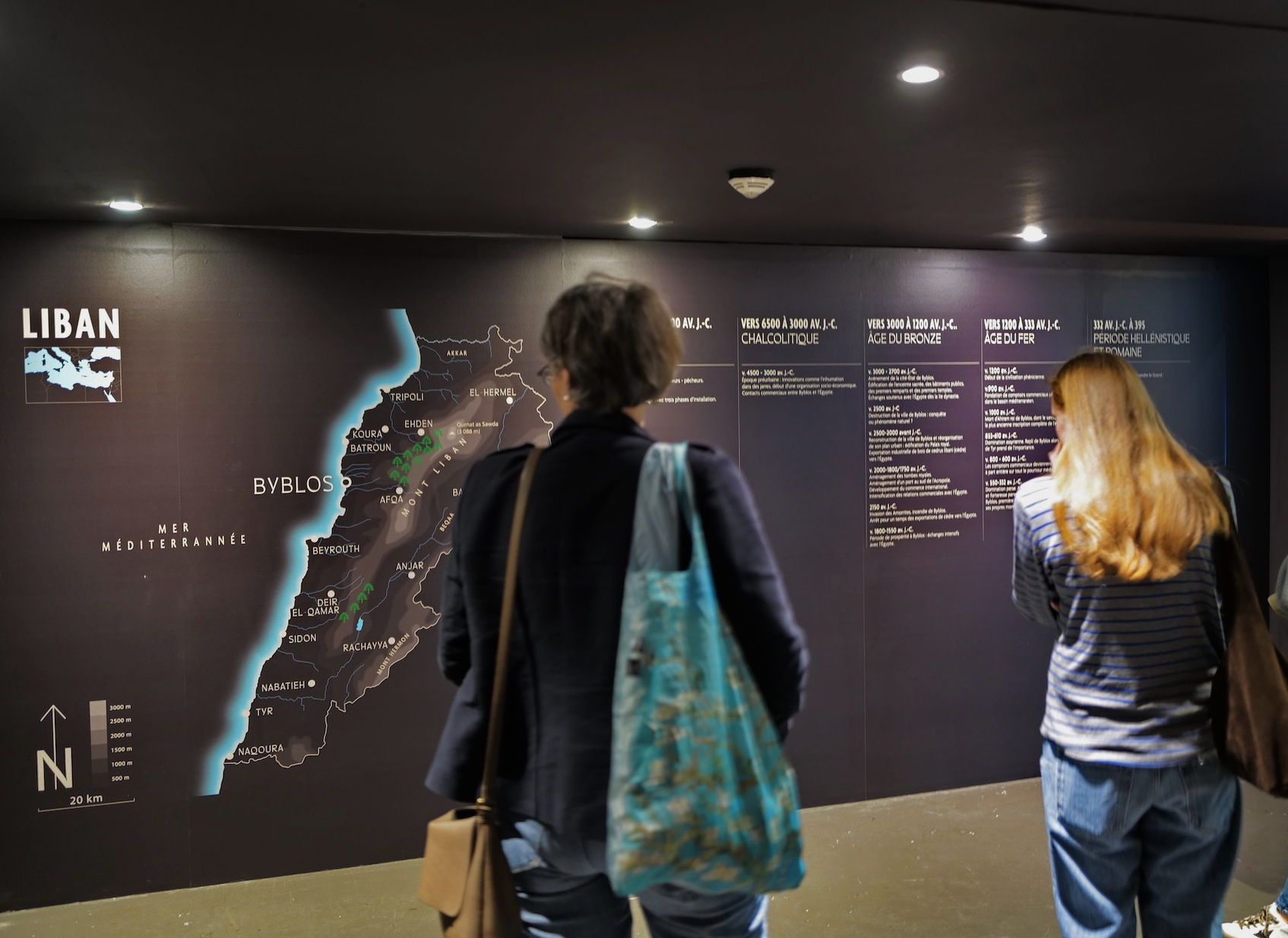
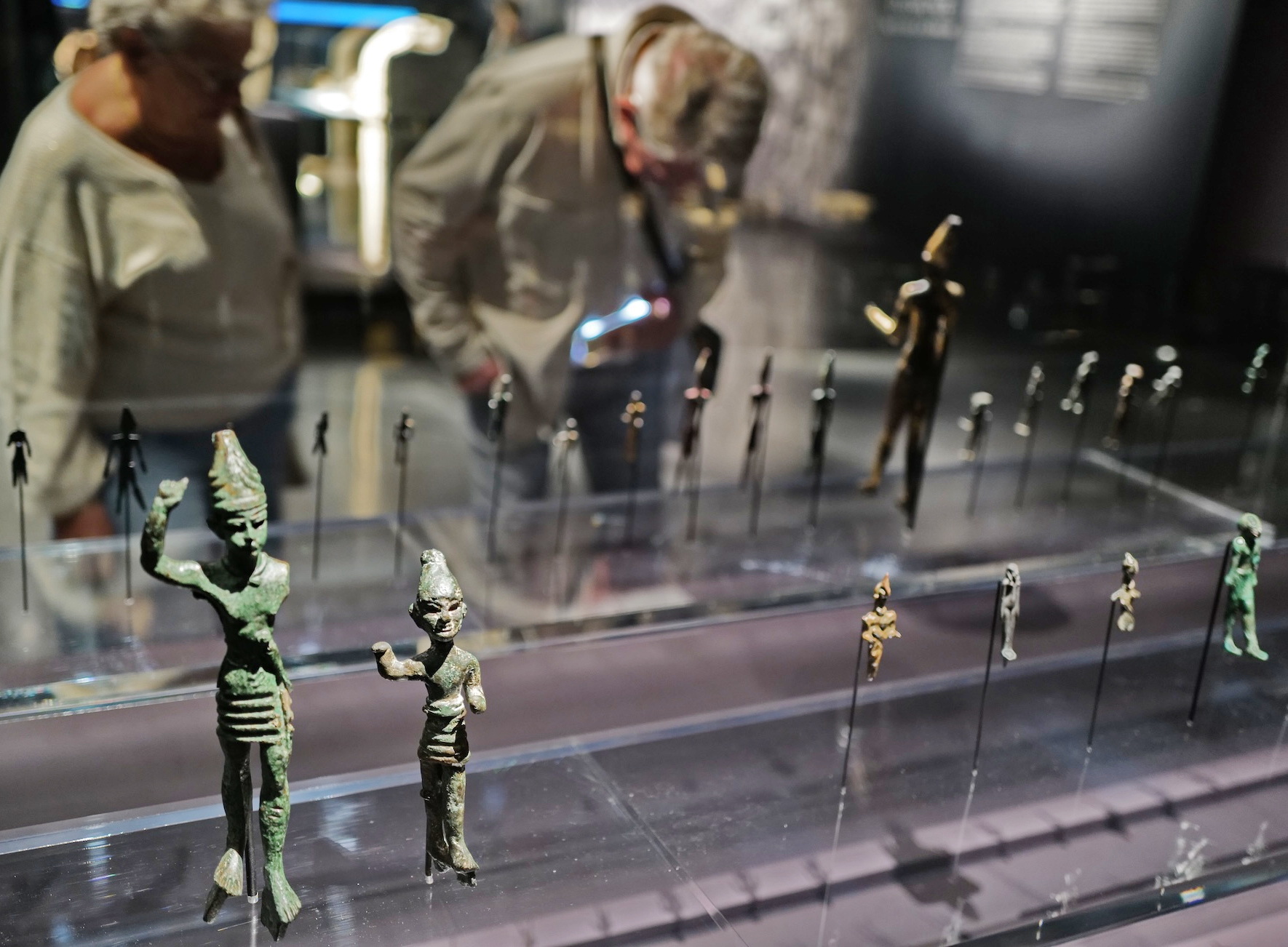
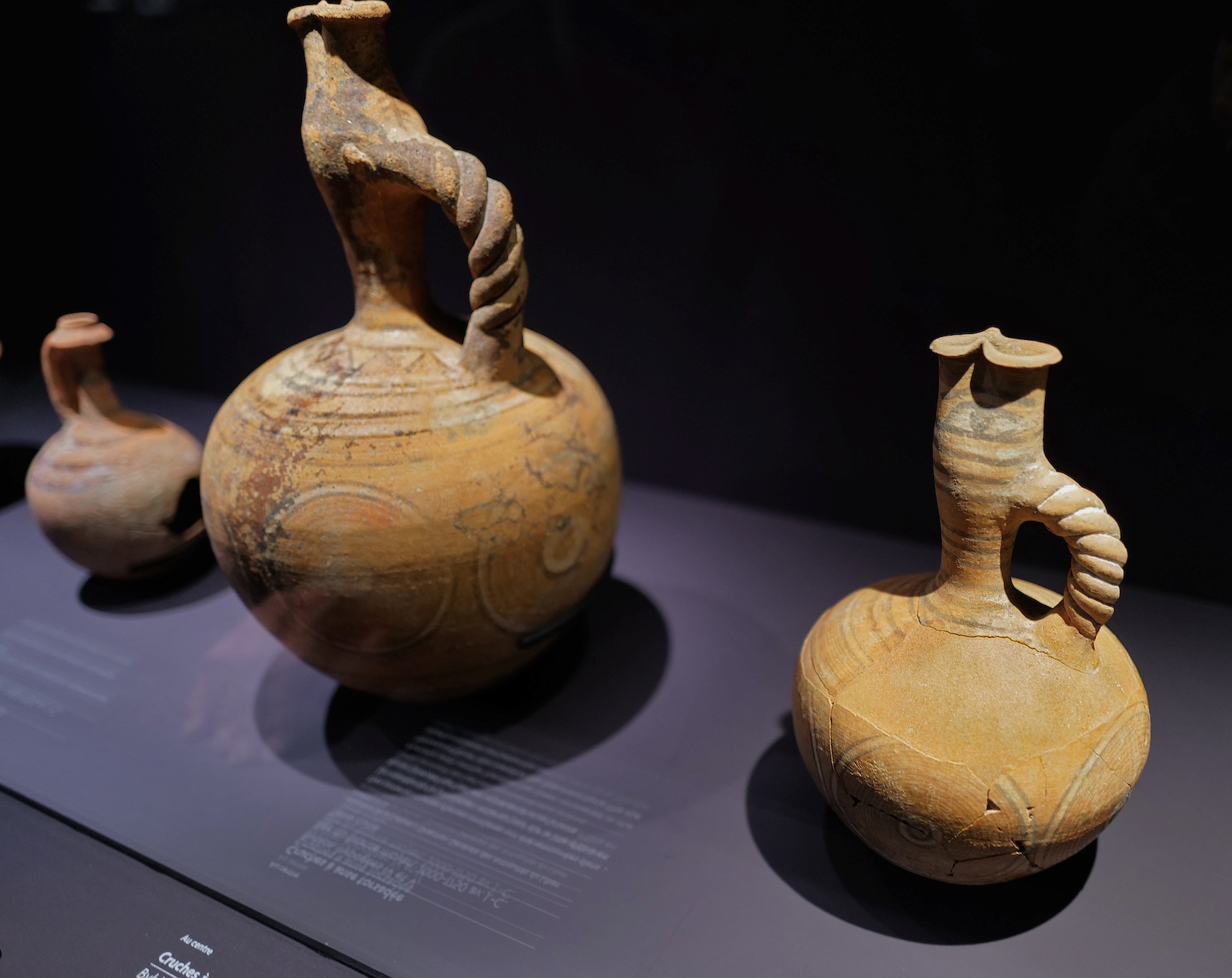
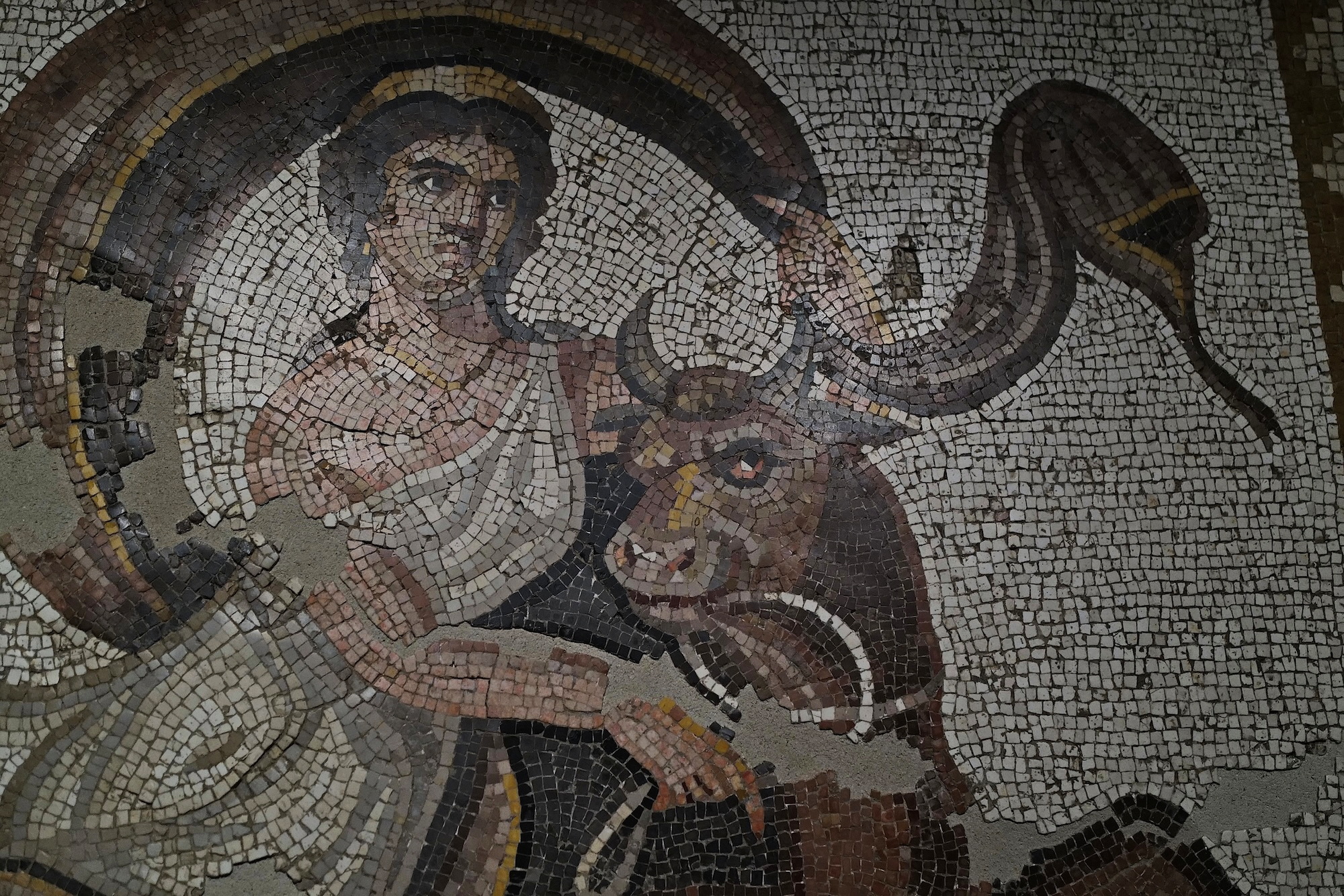
Presently on display through August at Paris’ Institut du Monde Arabe (Arab World Institute [L’IMA]) is the revealing historical exhibition, “Byblos, cité millénaire du Liban” (Byblos, Millennia-old City of Lebanon).
![Presently on display through August at Paris’ Institut du Monde Arabe (Arab World Institute [L’IMA]) is the revealing historical exhibiti...](/uploads/2026/04/28/1_l1273288_copy_2.jpg)
PARIS (04-27) – Sadly, the exhibition of this UNESCO World Heritage site, which opened in March with great fanfare including French President Emmanuel Macron in attendance, was organized under extremely difficult and trying conditions as Israel’s war on Lebanon rained down on the country.
In an interview with the French newspaper Le Monde, archaeologist Tania Zaven, the scientific curator of the exhibition from the Ministry of Culture/Directorate General of Antiquities, and regional director of north Mount Lebanon and Byblos, referred to the exhibit presently on display as “…a form of cultural resistance.”
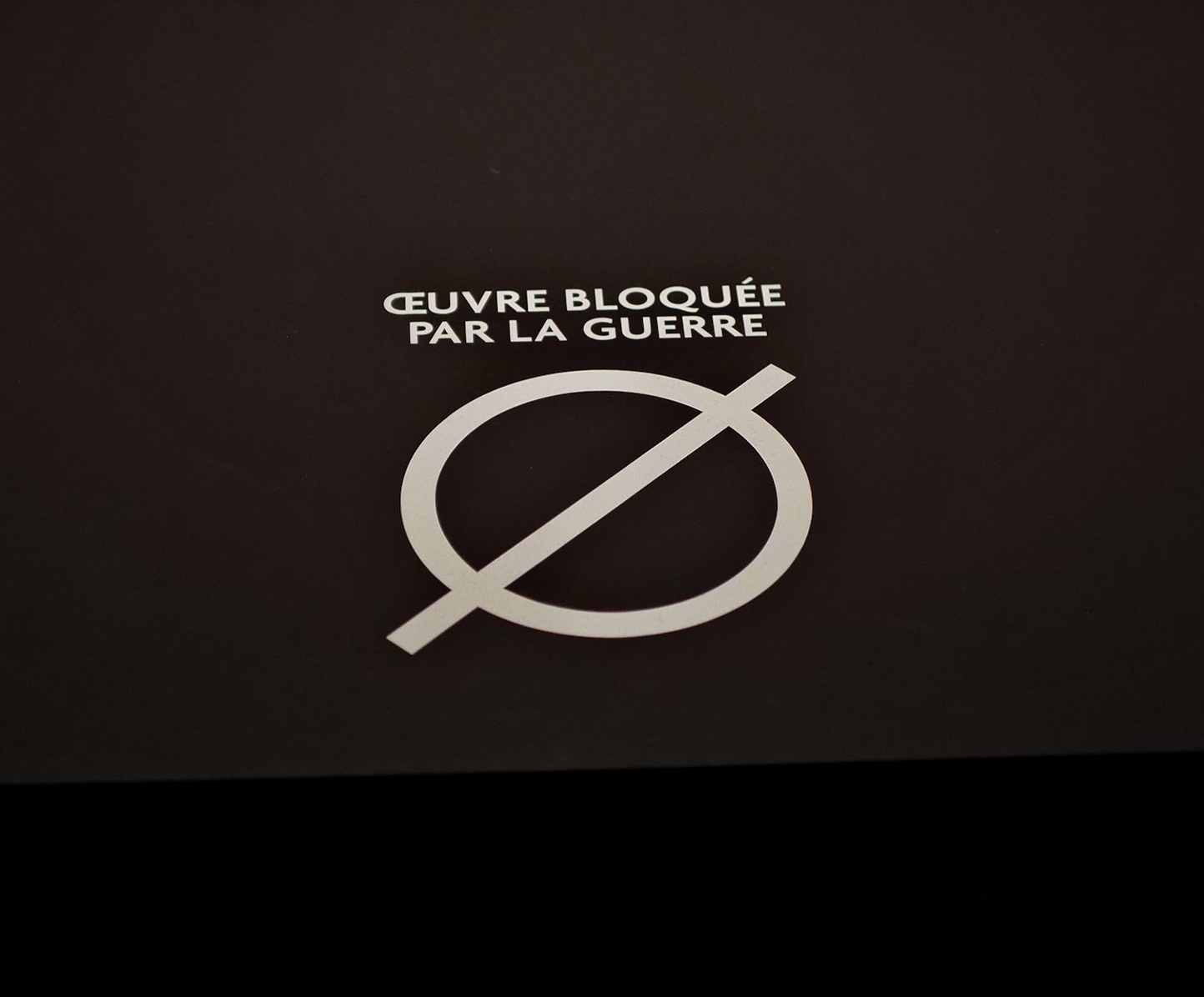
As part of that resistance the exhibition incorporates labeled empty display spaces for missing artifacts, including large stickers reading “Œuvre Bloquée Par la Guerre,” (Work blocked by the war) to highlight the war’s impact.
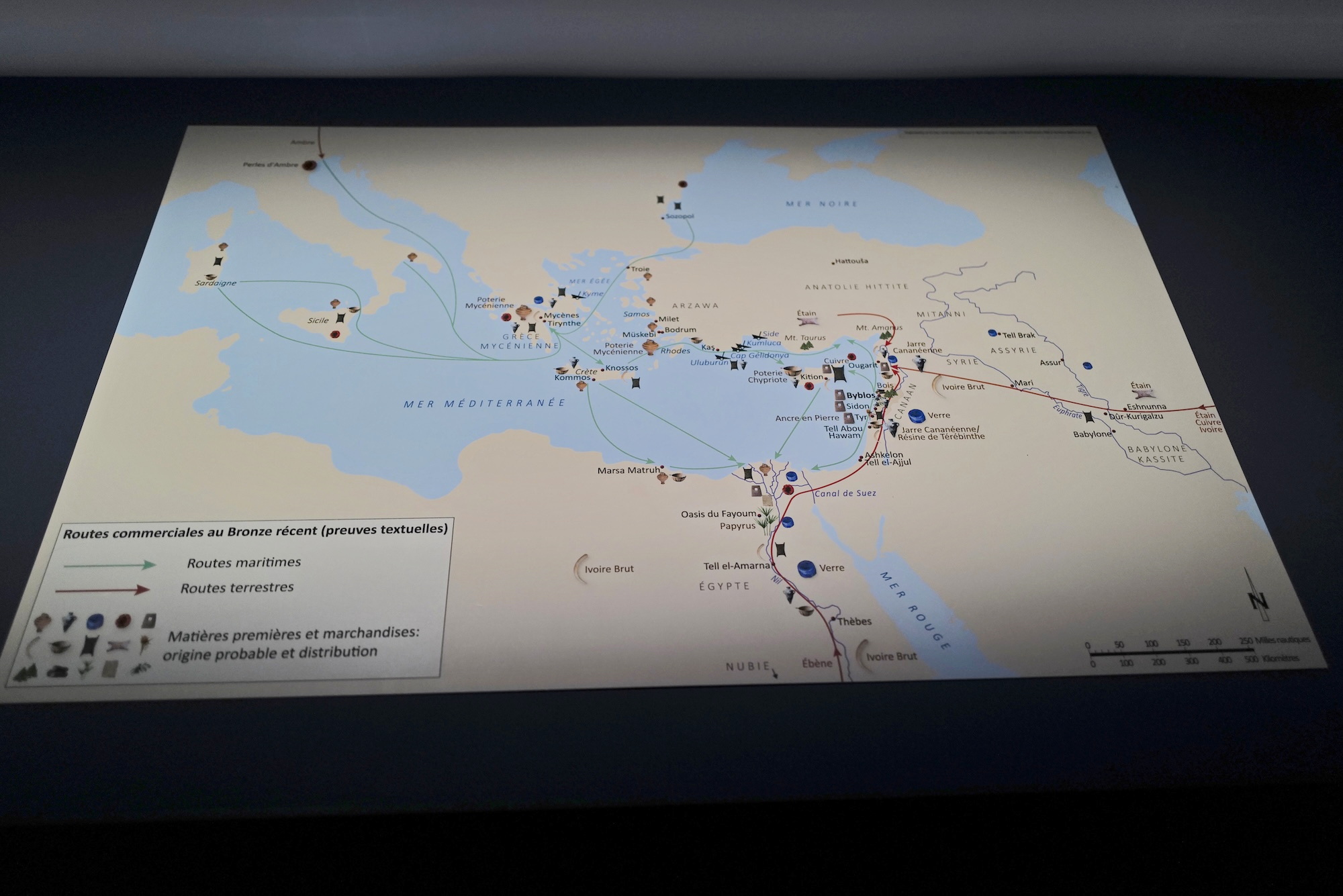
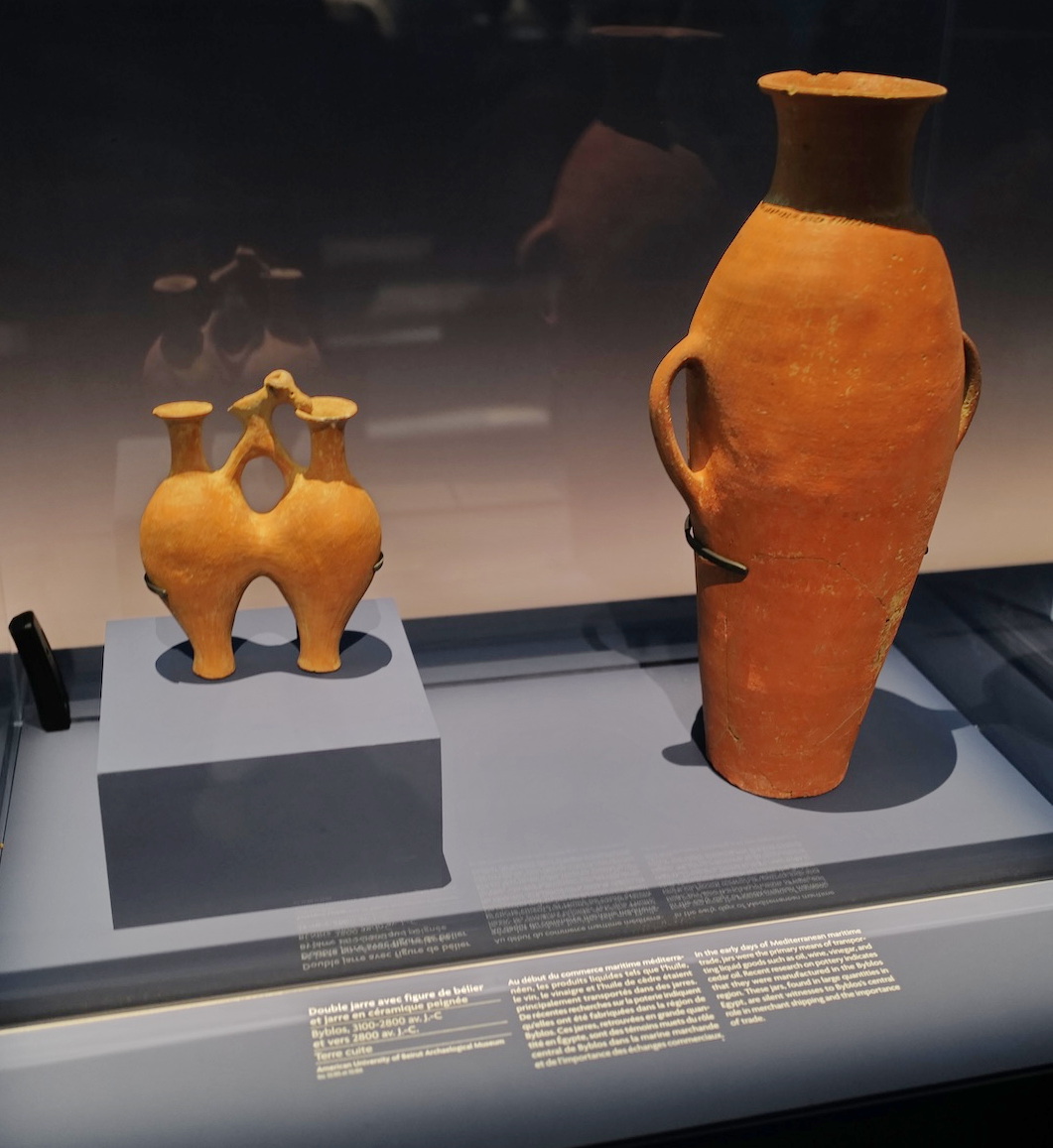
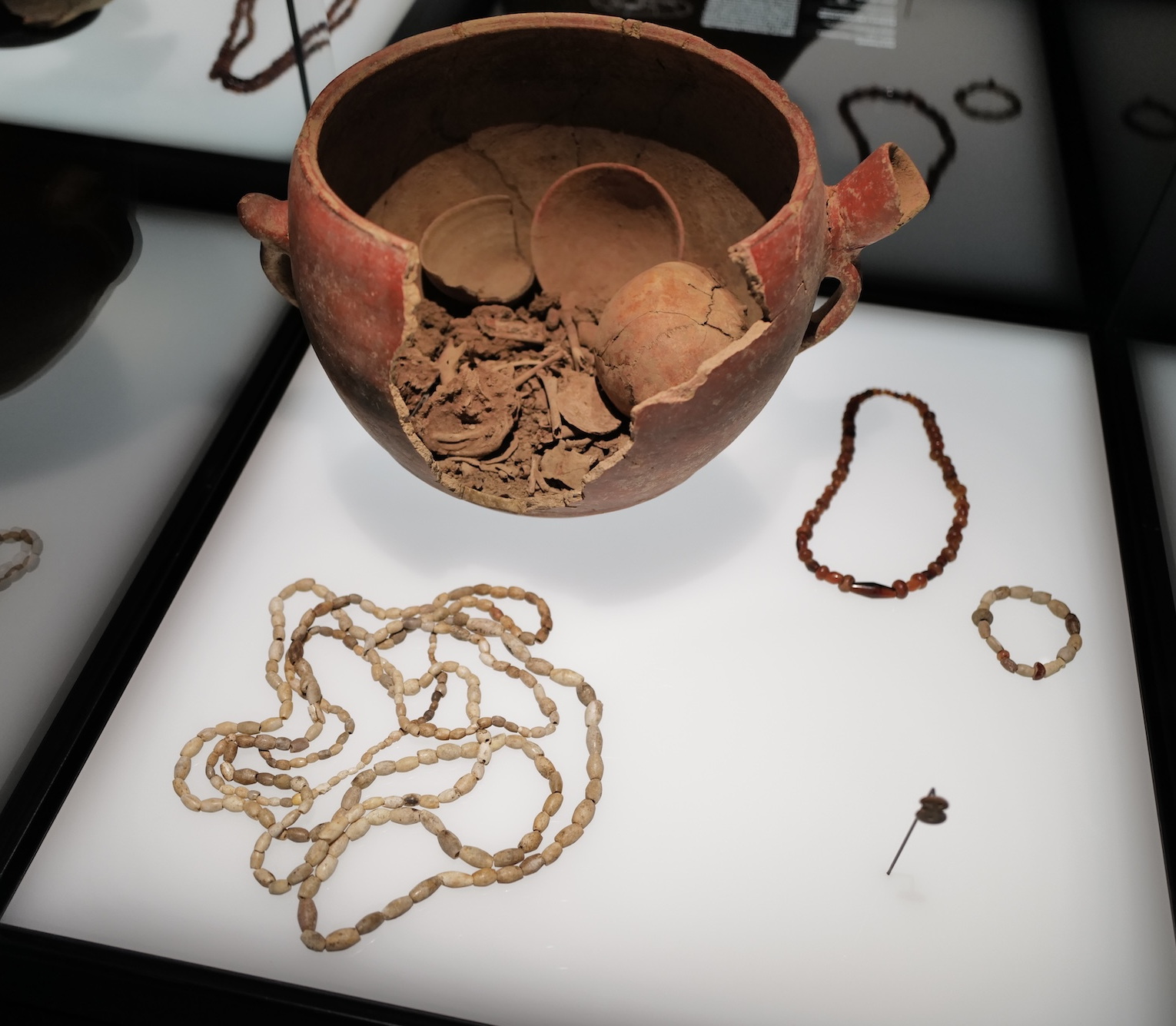
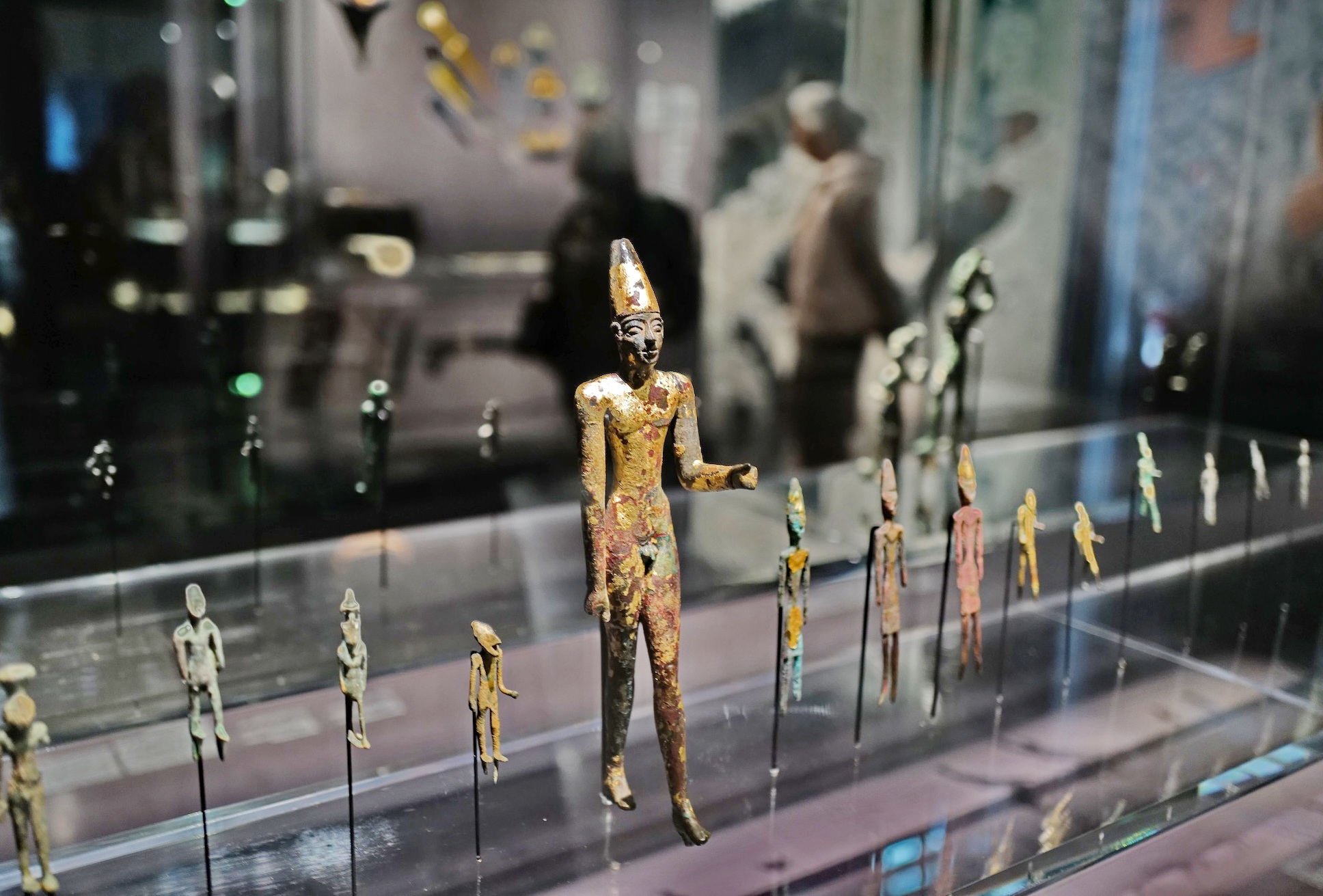
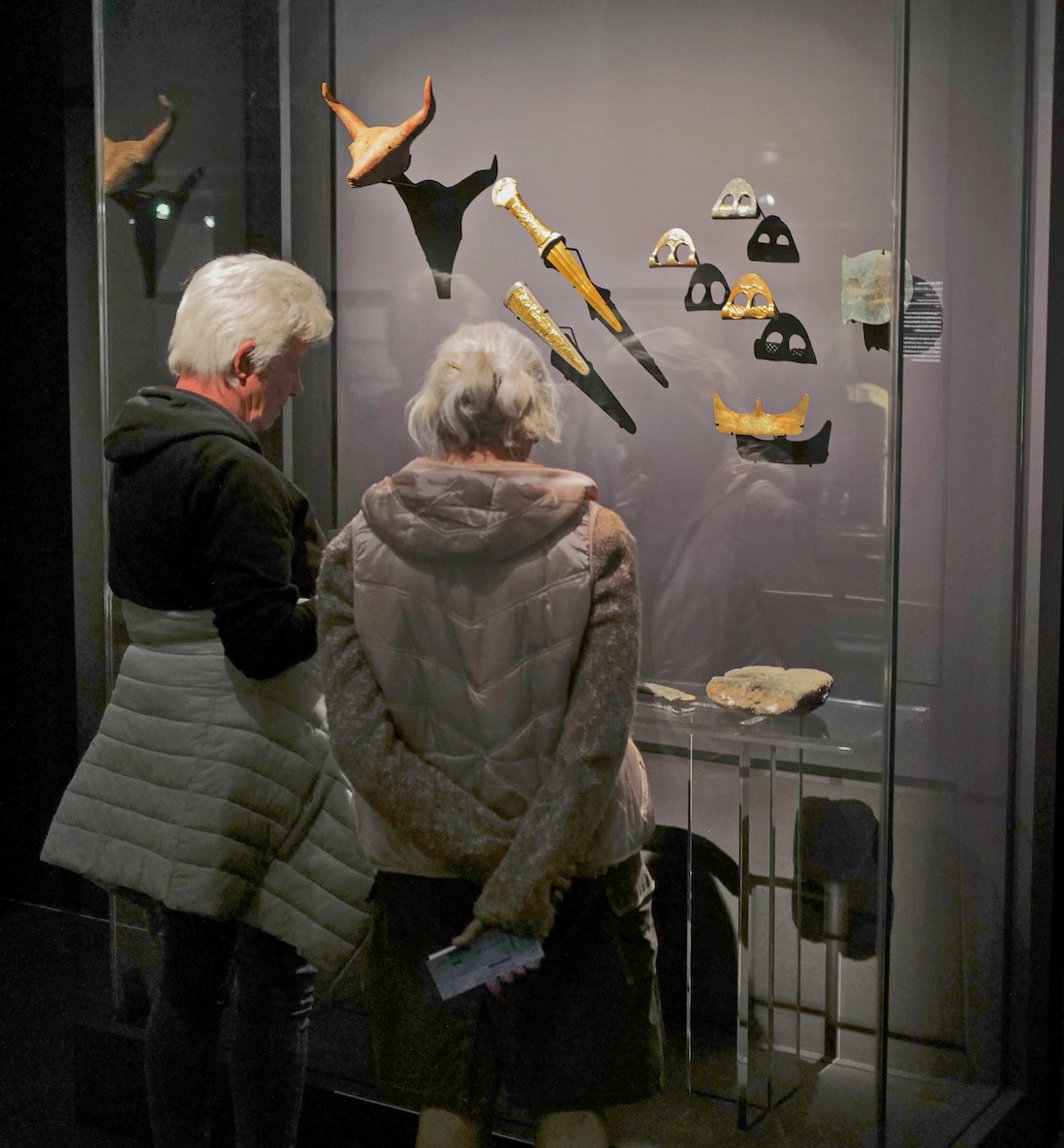
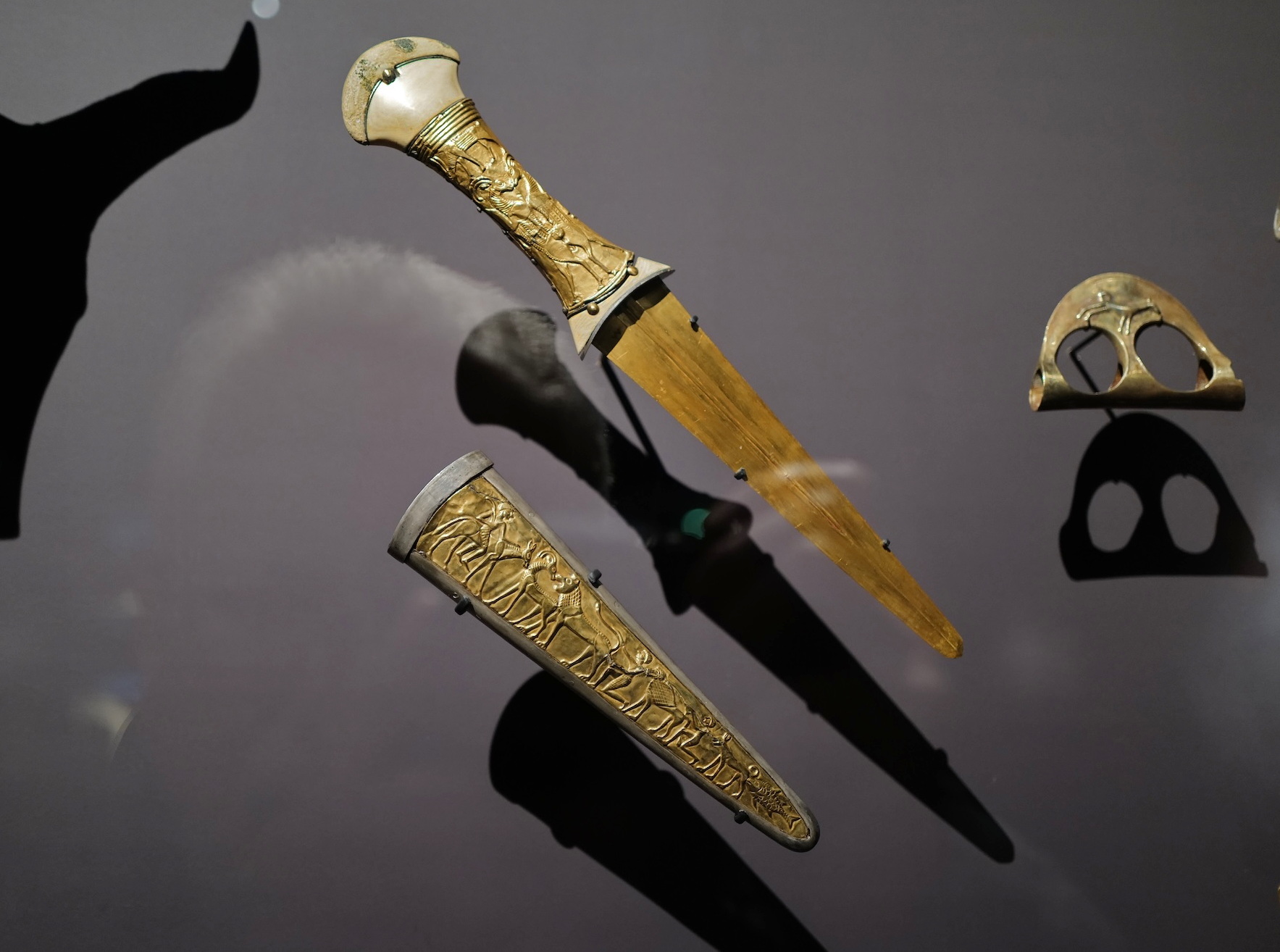
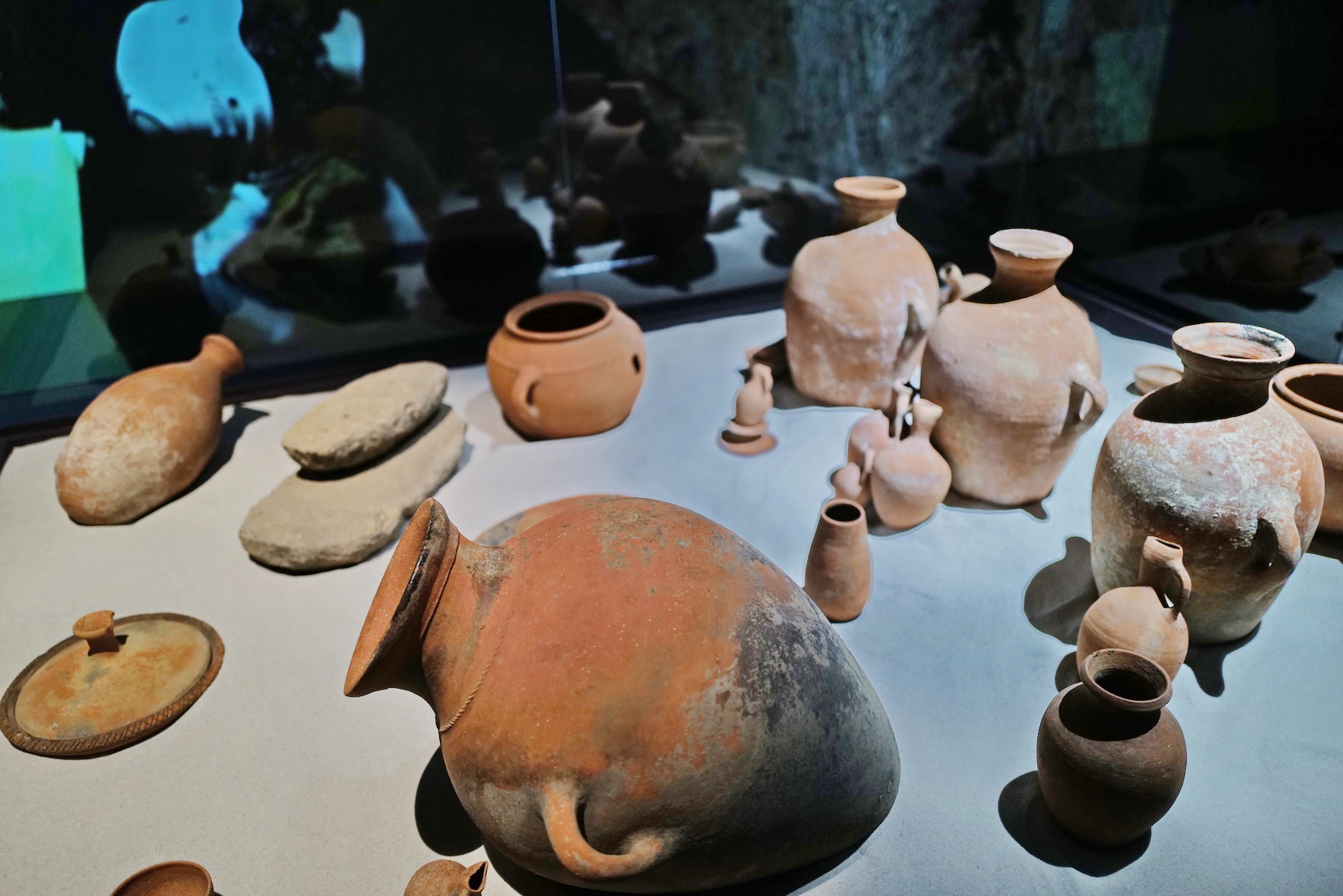
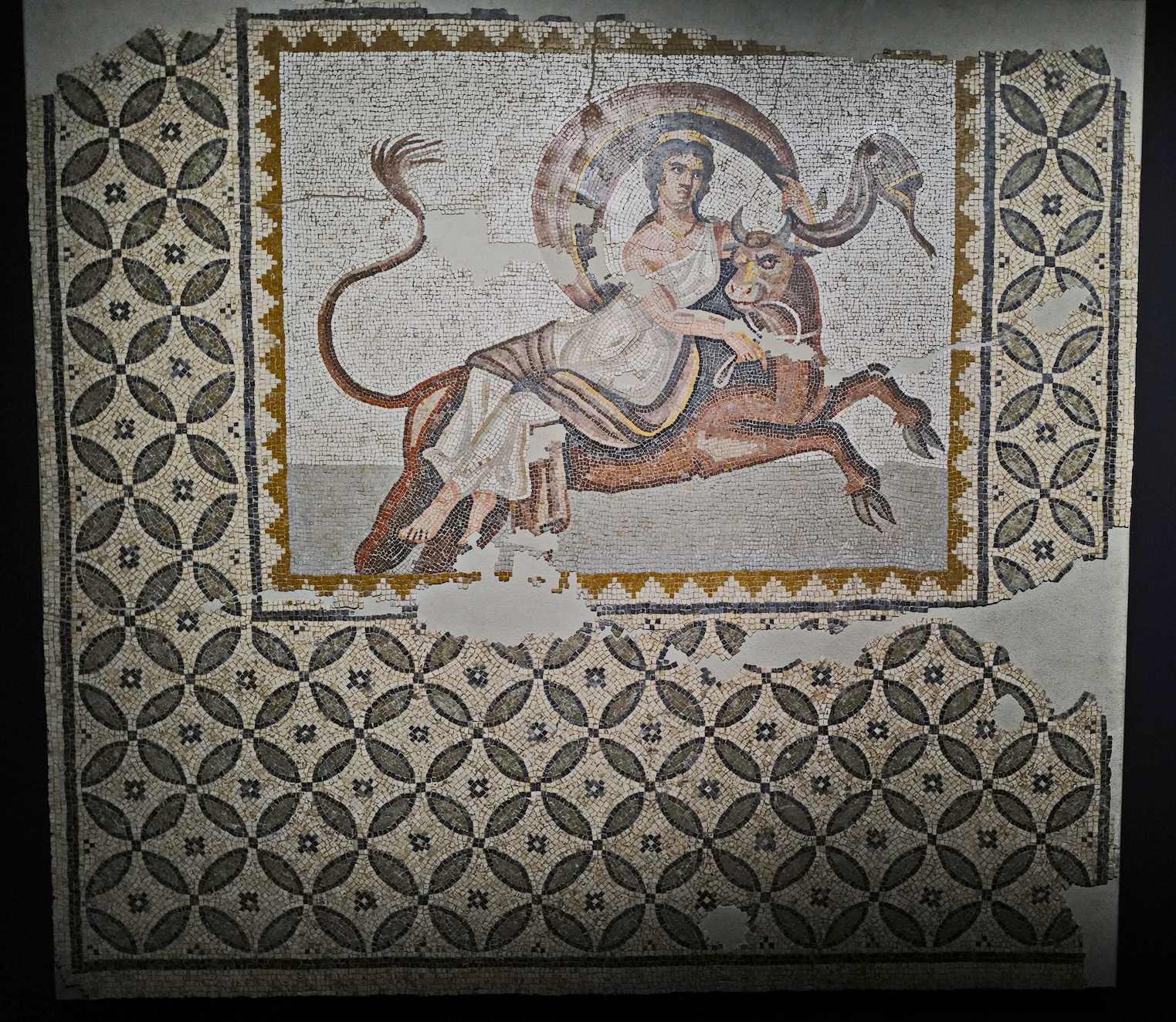
Founded in 3,000 BC, Byblos is one of the world’s oldest cities. The exhibition’s 400 artifacts, excavated since 1860 up to the present, cover the period from the Neolithic to Late Antiquity. Due to its special geographical location and resources, Byblos became a major port of trade in the Mediterranean for 2,000 years, during which time traders from the Aegean, Anatolia and Mesopotamia regions, along with Hellenistic, Phoenician, Roman, Egyptian, Greek and Persians have passed through leaving their influences on the historical evolution of the city.
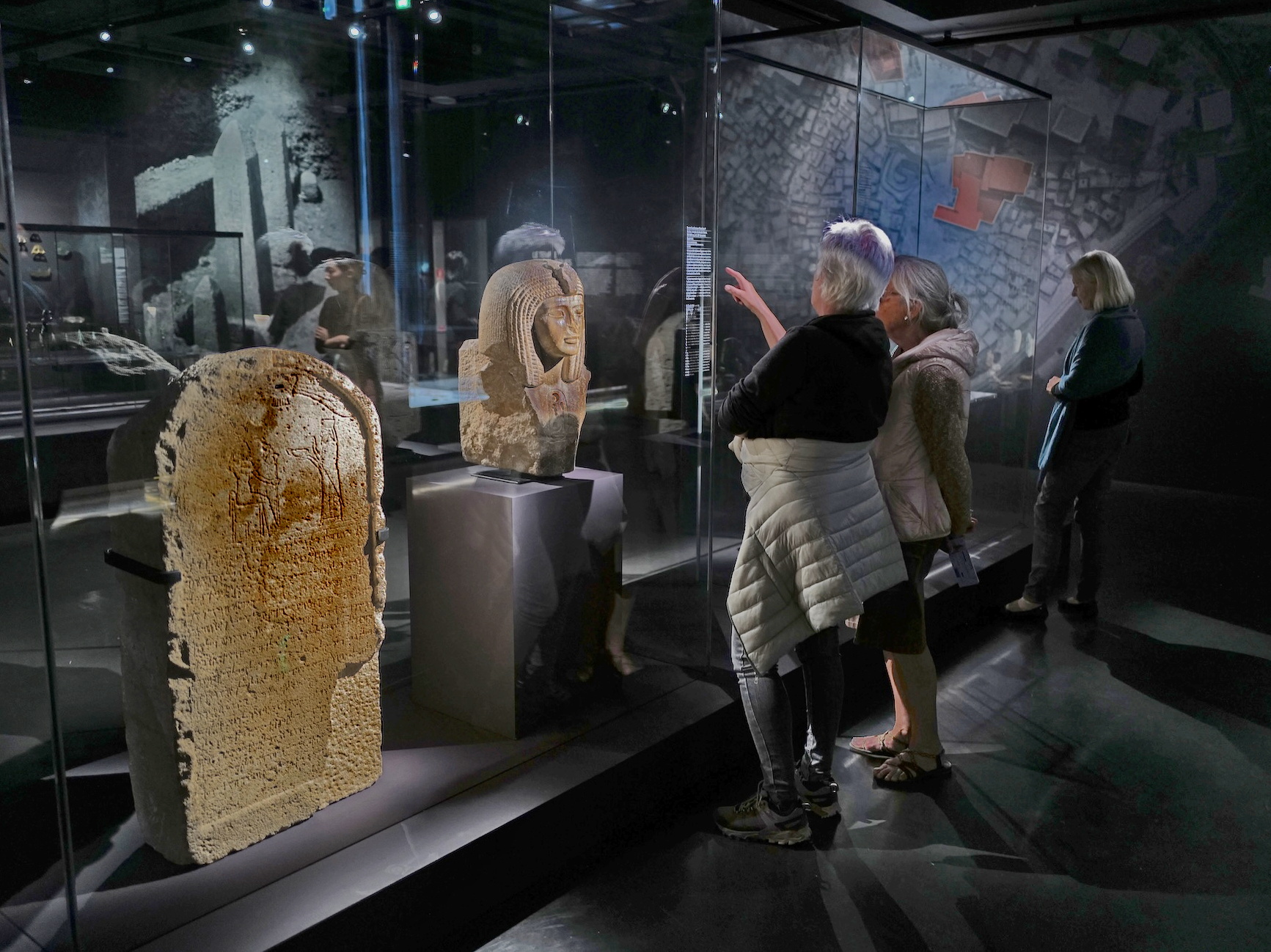
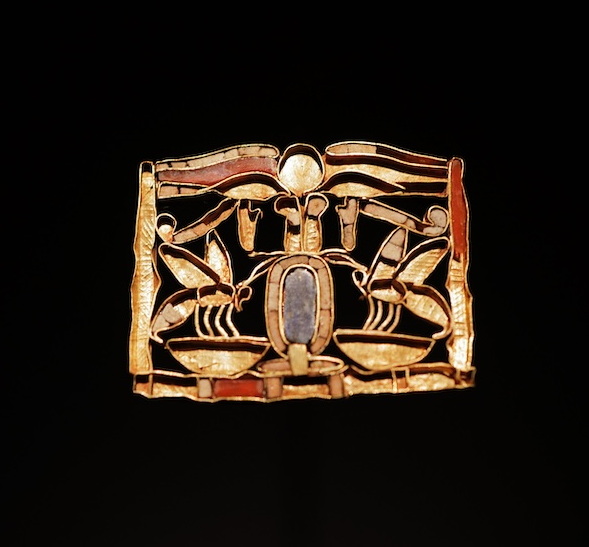
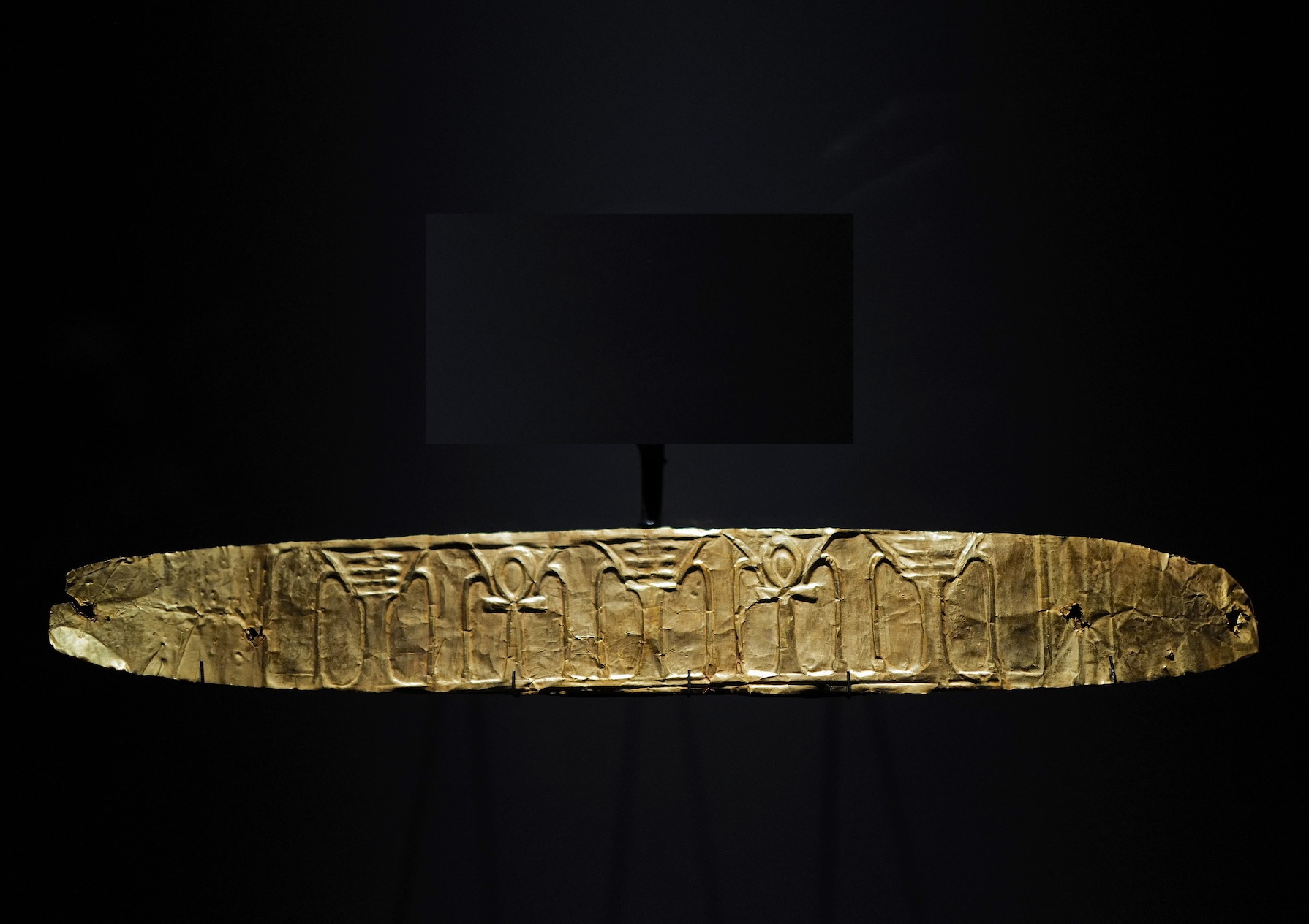
Most notably among its natural resources were cedar trees logged on nearby Mount Lebanon that, beside their desirable and valuable wood products, provided Egyptians with resin for use in embalming. The city enjoyed a special relationship with Egypt as evidenced by the numerous artifacts and artwork on display.
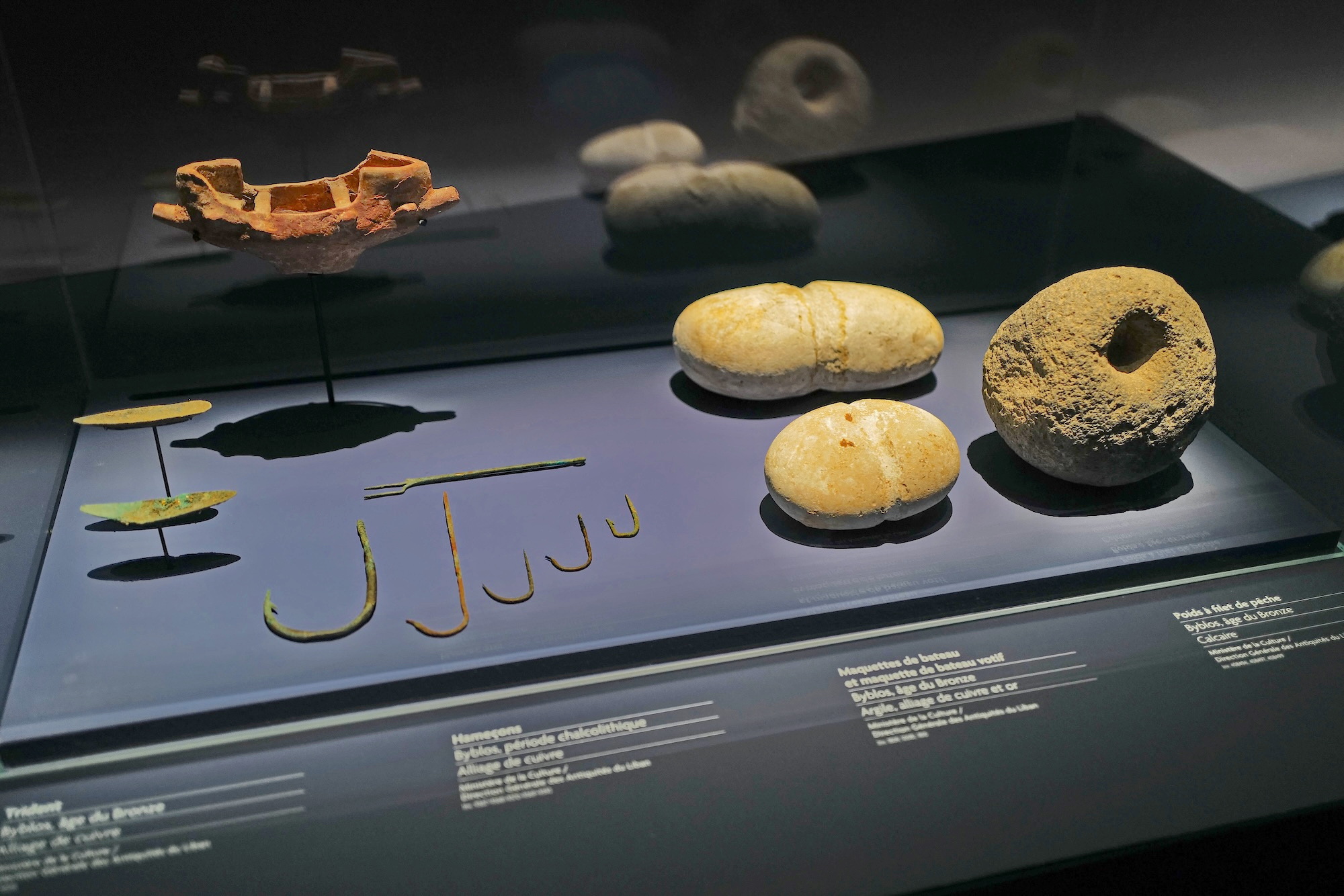
One of the most striking presentations is a large collection of ancient stone anchors all of which have holes drilled thorough them for placing ropes to keep ships from drifting. As an important maritime center, the ever-present anchors evolved from their purely utilitarian purpose to that of symbolic ex-votos, many of which have been uncovered in temples. An exhibition label speculates that this was likely due to sailors offering such for having completed safe voyages, or in anticipation of being protected before dangerous voyages.
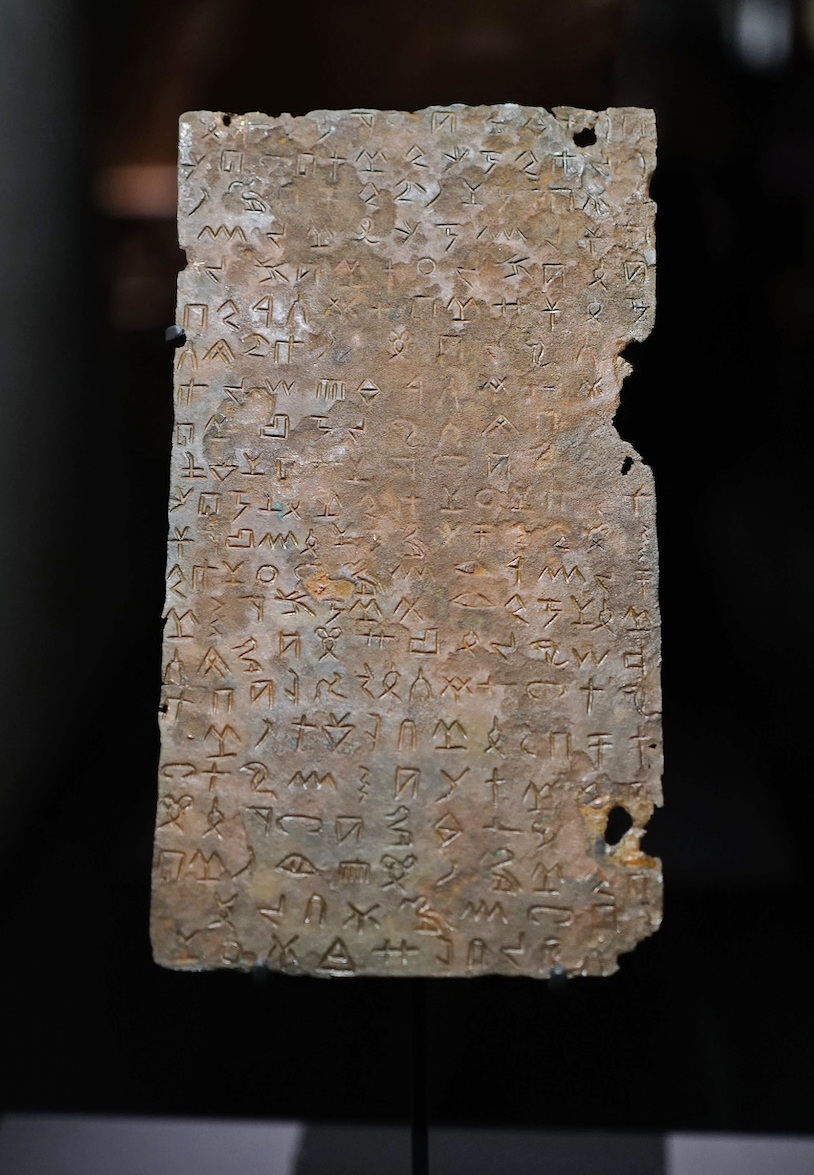
The city, whose name comes from the Greek word “biblos” meaning papyrus, ultimately gave rise to the words “Bible” and “book.” In turn among its many historical offerings, the exhibit sheds light on the evolution of a simplified writing system that 11th century Phoenician inhabitants of the city developed. That system spread through trade, becoming known as the Phoenician alphabet, which eventually through evolution, influenced the development of both the Greek and Latin alphabets. Thus, the very words in this article are an historical result of that evolution.
As Israel continues to wage war against Hezbollah in southern Lebanon through its “domicide” campaign, one of its casualties has been the ancient city of Nabatieh. Like all of Gaza, the city has been destroyed as a part of the Netanyahu government’s ideological vision for a Greater Isreal in attempting to erase all of Lebanon’s patrimony to create a new narrative.
With this exhibition and last year’s Trésors Sauvés de Gaza - 5000 ans d'histoire both stand firmly resistance to, and as an academic testament of, cultural patrimony while hopefully preserving the history of sites that remain at high risk making their erasure more difficult.
Report and photos by Phil Pasquini
© 2026 nuzeink all rights reserved worldwide
In an interview with the French newspaper Le Monde, archaeologist Tania Zaven, the scientific curator of the exhibition from the Ministry of Culture/Directorate General of Antiquities, and regional director of north Mount Lebanon and Byblos, referred to the exhibit presently on display as “…a form of cultural resistance.”
As part of that resistance the exhibition incorporates labeled empty display spaces for missing artifacts, including large stickers reading “Œuvre Bloquée Par la Guerre,” (Work blocked by the war) to highlight the war’s impact.
Founded in 3,000 BC, Byblos is one of the world’s oldest cities. The exhibition’s 400 artifacts, excavated since 1860 up to the present, cover the period from the Neolithic to Late Antiquity. Due to its special geographical location and resources, Byblos became a major port of trade in the Mediterranean for 2,000 years, during which time traders from the Aegean, Anatolia and Mesopotamia regions, along with Hellenistic, Phoenician, Roman, Egyptian, Greek and Persians have passed through leaving their influences on the historical evolution of the city.
Most notably among its natural resources were cedar trees logged on nearby Mount Lebanon that, beside their desirable and valuable wood products, provided Egyptians with resin for use in embalming. The city enjoyed a special relationship with Egypt as evidenced by the numerous artifacts and artwork on display.
One of the most striking presentations is a large collection of ancient stone anchors all of which have holes drilled thorough them for placing ropes to keep ships from drifting. As an important maritime center, the ever-present anchors evolved from their purely utilitarian purpose to that of symbolic ex-votos, many of which have been uncovered in temples. An exhibition label speculates that this was likely due to sailors offering such for having completed safe voyages, or in anticipation of being protected before dangerous voyages.
The city, whose name comes from the Greek word “biblos” meaning papyrus, ultimately gave rise to the words “Bible” and “book.” In turn among its many historical offerings, the exhibit sheds light on the evolution of a simplified writing system that 11th century Phoenician inhabitants of the city developed. That system spread through trade, becoming known as the Phoenician alphabet, which eventually through evolution, influenced the development of both the Greek and Latin alphabets. Thus, the very words in this article are an historical result of that evolution.
As Israel continues to wage war against Hezbollah in southern Lebanon through its “domicide” campaign, one of its casualties has been the ancient city of Nabatieh. Like all of Gaza, the city has been destroyed as a part of the Netanyahu government’s ideological vision for a Greater Isreal in attempting to erase all of Lebanon’s patrimony to create a new narrative.
With this exhibition and last year’s Trésors Sauvés de Gaza - 5000 ans d'histoire both stand firmly resistance to, and as an academic testament of, cultural patrimony while hopefully preserving the history of sites that remain at high risk making their erasure more difficult.
Report and photos by Phil Pasquini
© 2026 nuzeink all rights reserved worldwide

Add Your Comments
We are 100% volunteer and depend on your participation to sustain our efforts!
Donate

$85.00 donated
in the past month
Get Involved
If you'd like to help with maintaining or developing the website, contact us.
Publish
Publish your stories and upcoming events on Indybay.
Topics
More
Search Indybay's Archives
Advanced Search
►
▼
IMC Network