







 Publish to Newswire
 Add an Event
From the Open-Publishing Calendar
From the Open-Publishing Newswire
Indybay Feature
Preserving California Heritage Negro Bar, Mormon Island and Negro Hill Mining District
Negro Bar, Mormon Island and Negro Hill to include surrounding “Mother Lode” are essential sites that tell our authentic California 175 - Gold Rush Era.
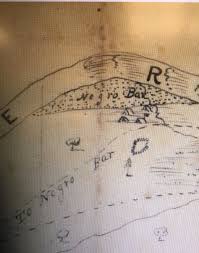
California 175 - California Gold Rush is worthy of world class historical preservation standards that will continue bringing global tourists to experience authentic cultural tourism.
In 1845, Honorable William Alexander Leidesdorff, Jr., elected Treasurer and US Vice Consul to Alta California in today’s San Francisco acquired 8 Mexican leagues, approximately 35,521 acres named Rancho Rio de Los Americanos. His Mexican Land Grant uniquely stipulated friendly relations with indigenous tribal nations.
Leidesdorff Ranch, a thriving and fully operating Cattle and Wheat agribusiness helped stabilize Pre-Gold Rush California during the Military transition from Mexican to US rule, June 1846.
January 1848, gold was discovered along the south fork of the Rio de Los Americanos. Spring 1848 Leidesdorff received documented report of “squatters” mining plentiful gold along a mile long gravel region named Negro Bar.
Negro Bar Mining Camp rapidly grew with the sudden death of Leidesdorff and public pronouncement of Gold, Gold, Gold along the American River.
The townsite of Negro Bar, Sacramento County became the transportation hub for rhe first initial Gold Mining District anchored in 1852 by Sacramento County Board of Supervisor Chairman, James S. Meredith.
Negro Bar Hotel and Store anchored a growing business district and Meredith was instrumental early Folsom success including the largest Chinatown outside of San Francisco.
World Class Historic Preservation Standards offer an outstanding unsurpassed opportunity to showcase the authentic California Gold Rush History.
Negro Bar, Mormon Island and Negro Hill to include surrounding “Mother Lode” are essential sites that tell our authentic California 175 - Gold Rush Era.
In 1845, Honorable William Alexander Leidesdorff, Jr., elected Treasurer and US Vice Consul to Alta California in today’s San Francisco acquired 8 Mexican leagues, approximately 35,521 acres named Rancho Rio de Los Americanos. His Mexican Land Grant uniquely stipulated friendly relations with indigenous tribal nations.
Leidesdorff Ranch, a thriving and fully operating Cattle and Wheat agribusiness helped stabilize Pre-Gold Rush California during the Military transition from Mexican to US rule, June 1846.
January 1848, gold was discovered along the south fork of the Rio de Los Americanos. Spring 1848 Leidesdorff received documented report of “squatters” mining plentiful gold along a mile long gravel region named Negro Bar.
Negro Bar Mining Camp rapidly grew with the sudden death of Leidesdorff and public pronouncement of Gold, Gold, Gold along the American River.
The townsite of Negro Bar, Sacramento County became the transportation hub for rhe first initial Gold Mining District anchored in 1852 by Sacramento County Board of Supervisor Chairman, James S. Meredith.
Negro Bar Hotel and Store anchored a growing business district and Meredith was instrumental early Folsom success including the largest Chinatown outside of San Francisco.
World Class Historic Preservation Standards offer an outstanding unsurpassed opportunity to showcase the authentic California Gold Rush History.
Negro Bar, Mormon Island and Negro Hill to include surrounding “Mother Lode” are essential sites that tell our authentic California 175 - Gold Rush Era.
Add Your Comments
We are 100% volunteer and depend on your participation to sustain our efforts!
Donate

$85.00 donated
in the past month
Get Involved
If you'd like to help with maintaining or developing the website, contact us.
Publish
Publish your stories and upcoming events on Indybay.
Topics
More
Search Indybay's Archives
Advanced Search
►
▼
IMC Network