







 Publish to Newswire
 Add an Event
From the Open-Publishing Calendar
From the Open-Publishing Newswire
Indybay Feature
California 175, Slavery Reparations Bureau may engage Global Bond Markets toward solutions
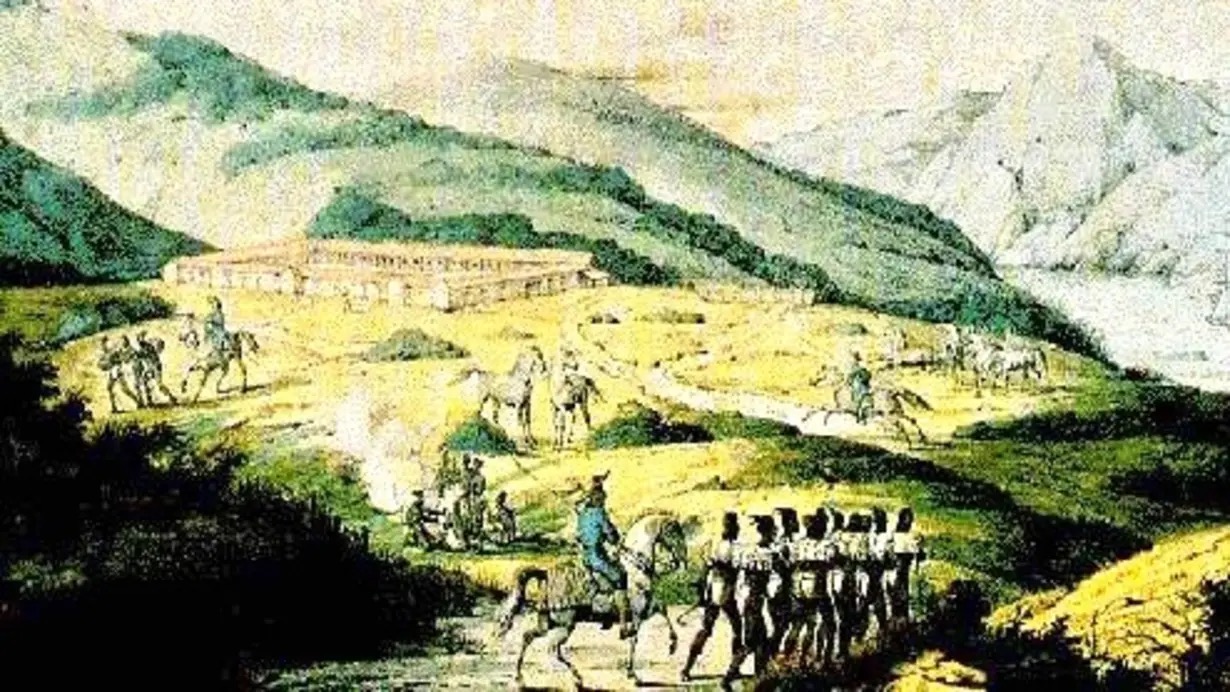
California’s bond market was via the 1850 compromise that was crafted and supported by New York financial institutions who utilized a most macabre form of collateral: human beings, often prisoners of war, who were also kidnapped from Africa and tortured into centuries of forced labor.
Estimates suggest today’s public global bond market size is to expand from USD 127.36 trillion in 2026 to USD 167.52 trillion by 2031, registering growth of 5.62% over the forecast period.
Late last month, March 2026, the UN General Assembly passed a landmark resolution declaring the transatlantic slave trade the "gravest crime against humanity" and calling for reparations to remedy historical injustices.
America’s first bond market was backed by a most macabre form of collateral: human beings, prisoners of war, kidnapped from Africa and tortured into forced labor.
“Global financial markets got in on the action,” with the example of Thomas Jefferson who mortgaged his enslaved workers, it was a Dutch bond firm that put up the collateral.
Most of the credit “powering the American slave economy came from the London money market” and today the money market is global.
The projected growth of the global bond market could withstand measured quantitative and qualitative easing innovative tools that bring global reparative Justice forward.
The current market's growth is being driven by synchronized monetary easing across major central banks, stabilizing inflation expectations, and a renewed shift by institutional investors toward longer-duration bonds to secure stable yields and align with long-term liabilities.
In parallel, technological advancements, including tokenized bond issuance and real-time settlement frameworks enabled by central bank digital currencies (CBDCs), are improving operational efficiency and reducing post-trade complexities.
While high-yield and private-sector issuance continues to rise, sovereign bonds remain the cornerstone of market liquidity, providing critical benchmarks for pricing and risk assessment across the global fixed-income ecosystem.
Late last month, March 2026, the UN General Assembly passed a landmark resolution declaring the transatlantic slave trade the "gravest crime against humanity" and calling for reparations to remedy historical injustices.
America’s first bond market was backed by a most macabre form of collateral: human beings, prisoners of war, kidnapped from Africa and tortured into forced labor.
“Global financial markets got in on the action,” with the example of Thomas Jefferson who mortgaged his enslaved workers, it was a Dutch bond firm that put up the collateral.
Most of the credit “powering the American slave economy came from the London money market” and today the money market is global.
The projected growth of the global bond market could withstand measured quantitative and qualitative easing innovative tools that bring global reparative Justice forward.
The current market's growth is being driven by synchronized monetary easing across major central banks, stabilizing inflation expectations, and a renewed shift by institutional investors toward longer-duration bonds to secure stable yields and align with long-term liabilities.
In parallel, technological advancements, including tokenized bond issuance and real-time settlement frameworks enabled by central bank digital currencies (CBDCs), are improving operational efficiency and reducing post-trade complexities.
While high-yield and private-sector issuance continues to rise, sovereign bonds remain the cornerstone of market liquidity, providing critical benchmarks for pricing and risk assessment across the global fixed-income ecosystem.
Add Your Comments
We are 100% volunteer and depend on your participation to sustain our efforts!
Donate

$110.00 donated
in the past month
Get Involved
If you'd like to help with maintaining or developing the website, contact us.
Publish
Publish your stories and upcoming events on Indybay.
Topics
More
Search Indybay's Archives
Advanced Search
►
▼
IMC Network