







 Publish to Newswire
 Add an Event
From the Open-Publishing Calendar
From the Open-Publishing Newswire
Indybay Feature
Should California Juneteenth and Mexican Juneteenth be official paid holidays?
Sharing the international political challenges and execution of Maximillian with his two trusted Generals, Juneteenth 1867 opens an essential path toward greater understanding to align our Title 5 US Juneteenth Holiday in the State of California and Republic of Mexico
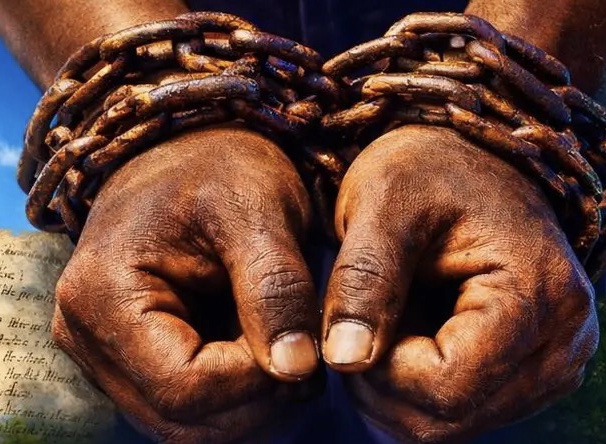
Millions of Pan African were kidnapped, transported in chains and sold into slavery throughout the Western Hemisphere.
Slavery throughout State of California remains an “open secret” and still not an official paid holiday.
Sharing the international political challenges and execution of Maximillian with his two trusted Generals, Juneteenth 1867 opens an essential path toward greater understanding to align our Title 5 US Juneteenth Holiday in the State of California and Republic of Mexico
In 1535, Hernan Cortes and his conquistadors arrived at the southern tip of Baja California Sur with enslaved and free Pan Africans during the conquest looking for for pearls, silver and gold.
Spanish, Portuguese, Danish, French, English and others European powers participated in the TransAtlantic trade in human cargo.
Throughout the 15th to 19th centuries human beings were exploited to work in the cultivation and distribution of crops such as tobacco, rice, sugar cane and cotton, while toiling in silver mines, gold mines during the “Age of Sail.”
The United States declared independence from the King of Great Britain, July 4, 1776.
The US Constitution was adopted in 1787 recognizing Pan Africans as 3/5th of person only for political representation and taxation purposes benefiting their “owners.”
“Slave Insurrections” and “Self Emancipation” fueled the growth and expansion of an International abolitionist movement had created a contentious debate over America’s Peculiar Institution
The 1860 I.S. Presidential election of Abraham Lincoln was the tipping point for several states to succeed from the Unio and create the Confederate States of America, ripping the country apart in a very bloody and devastating Civil War.
As a fit and necessary war measures, President Lincoln issued a provisional Emancipation Proclamation on September 22, 1862, giving the Confederacy 100 days before it became official.
December 31, 1862 , Freedom Eve, allies, enslaved and free people of Pan African ancestry gathered in churches and private residences around the country to await the Emancipation Proclamation.
Soon after United States Colored Troops were marching onto Southern plantations and through southern settlements, reading duplicates of the Emancipation Proclamation and spreading the gospel of liberation throughout the Confederacy.
Reportedly, 1,918 United States Colored Troops enlisted from the State of California to return and fight for freedom on the battlefield.
The bloody U.S. Civil War continued, enslaved Pan Africans in Confederate States and border states, “self emancipate” as “contraband” on the path toward Juneteenth via the strategic International Underground Railroad Network to Freedom.
President Lincoln Executive Order, the Emancipation Proclamation became effective January 1, 1863.
As Union Soldiers advanced, the Emancipation Proclamation would be enforced. In areas remaining under Confederate control slavery was still “legal” as the tragic assignation of President Lincoln occurred in April 1865.
December 1865 ratification of the 13th Amendment to the US Constitution official ended slavery throughout America and Juneteenth 1867 the execution of Maximillian ended slavery in Mexico.
Slavery throughout State of California remains an “open secret” and still not an official paid holiday.
Sharing the international political challenges and execution of Maximillian with his two trusted Generals, Juneteenth 1867 opens an essential path toward greater understanding to align our Title 5 US Juneteenth Holiday in the State of California and Republic of Mexico
In 1535, Hernan Cortes and his conquistadors arrived at the southern tip of Baja California Sur with enslaved and free Pan Africans during the conquest looking for for pearls, silver and gold.
Spanish, Portuguese, Danish, French, English and others European powers participated in the TransAtlantic trade in human cargo.
Throughout the 15th to 19th centuries human beings were exploited to work in the cultivation and distribution of crops such as tobacco, rice, sugar cane and cotton, while toiling in silver mines, gold mines during the “Age of Sail.”
The United States declared independence from the King of Great Britain, July 4, 1776.
The US Constitution was adopted in 1787 recognizing Pan Africans as 3/5th of person only for political representation and taxation purposes benefiting their “owners.”
“Slave Insurrections” and “Self Emancipation” fueled the growth and expansion of an International abolitionist movement had created a contentious debate over America’s Peculiar Institution
The 1860 I.S. Presidential election of Abraham Lincoln was the tipping point for several states to succeed from the Unio and create the Confederate States of America, ripping the country apart in a very bloody and devastating Civil War.
As a fit and necessary war measures, President Lincoln issued a provisional Emancipation Proclamation on September 22, 1862, giving the Confederacy 100 days before it became official.
December 31, 1862 , Freedom Eve, allies, enslaved and free people of Pan African ancestry gathered in churches and private residences around the country to await the Emancipation Proclamation.
Soon after United States Colored Troops were marching onto Southern plantations and through southern settlements, reading duplicates of the Emancipation Proclamation and spreading the gospel of liberation throughout the Confederacy.
Reportedly, 1,918 United States Colored Troops enlisted from the State of California to return and fight for freedom on the battlefield.
The bloody U.S. Civil War continued, enslaved Pan Africans in Confederate States and border states, “self emancipate” as “contraband” on the path toward Juneteenth via the strategic International Underground Railroad Network to Freedom.
President Lincoln Executive Order, the Emancipation Proclamation became effective January 1, 1863.
As Union Soldiers advanced, the Emancipation Proclamation would be enforced. In areas remaining under Confederate control slavery was still “legal” as the tragic assignation of President Lincoln occurred in April 1865.
December 1865 ratification of the 13th Amendment to the US Constitution official ended slavery throughout America and Juneteenth 1867 the execution of Maximillian ended slavery in Mexico.
Add Your Comments
We are 100% volunteer and depend on your participation to sustain our efforts!
Donate

$85.00 donated
in the past month
Get Involved
If you'd like to help with maintaining or developing the website, contact us.
Publish
Publish your stories and upcoming events on Indybay.
Topics
More
Search Indybay's Archives
Advanced Search
►
▼
IMC Network