







 Publish to Newswire
 Add an Event
California can meet its clean energy goals with the Port of Humboldt Marine Terminal
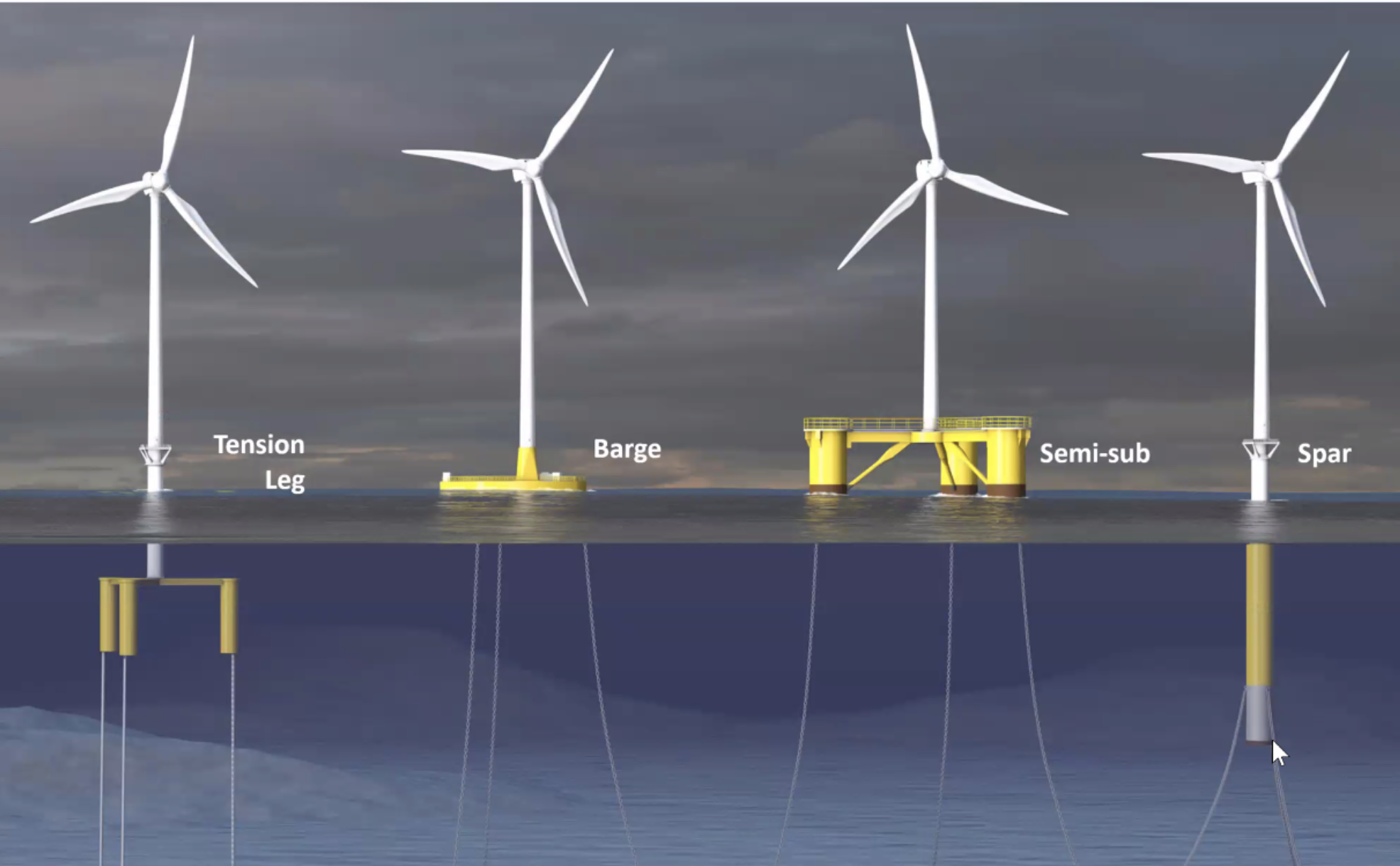
The Port of Humboldt continues to plan to transform the port for offshore wind power by 2036
By Ramona Cornell du Houx
February 4, 2026
EUREKA—To hold back the devastating impacts of the climate crisis, improve health outcomes and become energy secure, plans in California are underway to harness electricity from offshore wind. The scale of the opportunity is huge. A report by Environment California Research & Policy Center and Frontier Group, found that 157 percent of the state’s 2019 electricity usage could be powered by offshore wind alone.
Recently, five major offshore wind developments on the East Coast won in federal court against the current administration to complete construction. In December a federal government moratorium on offshore wind was struck down. The rule of law has prevailed and given hope to other offshore wind permitted projects.
“Clean energy solutions are firmly established. Recently, five major offshore wind developments on the east coast in New York, Rhode Island, Massachusetts, and Virginia respectively, won in federal court against the current administration. Now these permitted projects can move forward to complete construction. While offshore wind is new to the United States, the technology has been refined for more than three decades in northern Europe,” said Benjamin Collings, Frm. State Maine Representative and Elected Officials to Protect America Offshore Wind Director. ”Offshore wind for California is inevitable. The state is counting on it as part of their portfolio to reach its 100 percent clean energy target. The community, with the Port of Humboldt, have been planning their new Marine Terminal to service the offshore wind development. They know it represents an unique opportunity to grow their local economy, eventually lower electricity rates, and improve their quality of life while helping the environment.”
This untapped wind energy is expected to become a major power source as California sees more electric vehicles on its roads, continues to build out Al operations and switches more to clean energy. Additionally, offshore wind blows day and night with the strongest velocity at night, thereby increasing electricity to be stored for peak time usage.
California’s overall offshore wind goal is to develop 25 GW by 2045 to power millions of homes using floating turbines, starting with an initial procurement target of 7.6 GW by 2035. Over 250 elected officials from across California have signed an Elected Officials to Protect America offshore wind letter supporting offshore wind energy.
The California Energy Commission (CEC) previously identified three large ports as viable for storing, staging and assembling parts needed for offshore wind operations. One of them is the Port of Humboldt. Readiness studies published by the Bureau of Ocean Energy Management (BOEM), the California State Lands, and the National Renewable Energy Lab concur that a Staging & Integration port terminal project in Humboldt Bay is critical to the ultimate success of achieving the state’s renewable energy goal of electrifying its grid with 100 percent zero-carbon energy.
“Our community in and around Humboldt Bay has been preparing for this transformative new industry. With recent state grants and voter-approved bond funds moving us forward, design work for the Humboldt Bay Offshore Wind Heavy Lift Marine Terminal to service the offshore wind industry is ongoing. It’s tangible progress, and this timely work underscores why our port and staging infrastructure is also integral to transmission planning. Our region is too reliant on aging fossil fuel generation, leaving residents vulnerable to public safety power shutoffs,” said Stacy Atkins-Salazar, Vice-Mayor, City of Arcata. “We need the transmission upgrades the offshore wind buildout will help bring. The sooner offshore wind energy transmission happens the better. The positive ripple effect from the new Marine Terminal can’t be underestimated. It will revitalize our local economy.”
It is estimated that a single gigawatt (GW) floating offshore wind development in California would generate approximately 24,000 jobs during the six-year construction phase and over 600 annual jobs during operation.
Offshore wind brings a tremendous opportunity to construct and deploy the turbines as it creates a new industry for the state accompanied by good paying union jobs for welders, construction workers, electricians, technicians, engineers, and more. Communities are planning educational training programs so locals can be a part of the buildout obtaining jobs. The positive job growing ripple effect for surrounding communities should not be underestimated as projects have the potential to revitalize economies.
“The Environmental Protection Information Center (EPIC) believes that, with the right environmental protections, offshore wind energy in Humboldt will benefit our local communities, our ecosystems, and the planet,” said Matt Simmons of the Environmental Protection Information Center. “This is a key opportunity for the Harbor District to develop a new heavy lift marine terminal to support the offshore wind industry in a way to maximize local economic and community benefits while protecting and enhancing the natural environment of Humboldt Bay.”
There are currently five permitted federal offshore wind leases off of California’s coast. Two are located offshore by Humboldt Bay, while the remaining three are offshore from Morro Bay. These offshore wind farms in these areas will bring enough clean energy to the grid to power 1.6 million homes and potentially more.
A new Rhodium Group report found that artificial intelligence (AI) data centers, many are also being built for cryptocurrencies, contributed to greenhouse gas emissions rising by an estimated 3.8 percent in 2025. With more electricity being used to power AI we will need more clean energy coming online sooner not later. Last year, the United States increased its greenhouse gas emissions for the first time in two years, due in large part to AI centers draining electric resources for their power needs. The scale of the offshore wind opportunity is huge.
The U.S.Department of Energy’s National Renewable Energy Laboratory report previously concluded that offshore U.S. wind energy production has the potential to produce 2.8 terawatts of electricity, enough energy to power an estimated 350 million homes, easily surpassing the 144 million housing units now in the country.
Donate

$110.00 donated
in the past month
Get Involved
If you'd like to help with maintaining or developing the website, contact us.
Publish
Publish your stories and upcoming events on Indybay.