







 Publish to Newswire
 Add an Event
From the Open-Publishing Calendar
From the Open-Publishing Newswire
Indybay Feature
California 175 - Honorable William Alexander Leidesdorff Jr. - 2026 Black History Month
As we ramp up celebrations for the 100th Anniversary of Negro History Week and 50th Anniversary of Black History Month, Honorable William Alexander Leidesdorff, Jr. legacy provides an example of what is possible today.
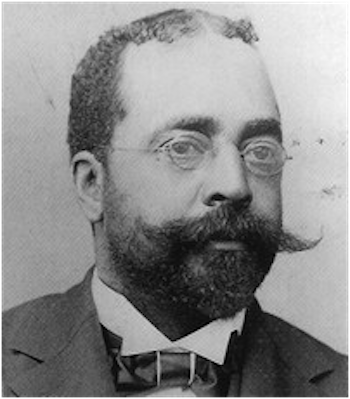
Honorable William Alexander Leidesdorff, Jr. was born October 1810 at Spring Garden Estates, Danish Isle of St. Croix, today’s U.S. Territory of the Virgin Islands. He was the first born of five children of his parents, Anna Marie Sparks, of African Cuban ancestry and his father, Wilhelm Leidesdsdorff of Danish Jewish ancestry.
Trained as a highly educated, skilled and experienced Ship Captain, Leidesdorff global travels during the Age of Sail ended as he was elected initial Treasurer for today’s City of San Francisco, establishing high culture standards as the leading businessman operating the Downtown San Francisco City Hotel in pre-Gold Rush San Francisco.
Leidesdorff was the esteemed venture capital financing expansion of Sutter’s Fort in the Sacramento Valley. In 1844, Leidesdorff acquired 8 Mexican leagues or 35,521 acres and established Rancho Rio de Los Americanos as a thriving cattle and wheat enterprise along the American River.
Leidesdorff’s Ranch Farm House is a part of today’s City of Rancho Cordova. Leidesdorff Ranch supplied fresh fruits, vegetables, beef and tallow to US Army Stevenson's NY Volunteers who were given orders to "conquer and colonize" Alta California as part of "Manifest Destiny” for the United States of America, July 1846.
January 1848 Gold was discovered along the South Fork of the American River. Downstream along his vast Rancho Rio de Los Americanos at Historic Negro Bar, US Army Lt. Reading and James Marshall were contracted and did provide written report of squatters mining gold upon his property bordering the “Gold River.”
The nearly mile long gravel bed that is Historic Negro Bar Gold Mining Camp rapidly grew into a transportation hub for the initial Gold Mining District, today’s Historic Folsom District, SacRT – Gold Line.
Today, this 100th Anniversary of Negro History Week and 50th Anniversary of Black History Month we pause a recognize the legacy of US President Gerald R. Ford who at our Bicentennial Year recognized Black History Month in a good way.
America 250, the dawn of Pan African Diaspora Month connecting over 1.6 billion people of Pan African Ancestry for the next 50 years, comes alive, naturally.
Trained as a highly educated, skilled and experienced Ship Captain, Leidesdorff global travels during the Age of Sail ended as he was elected initial Treasurer for today’s City of San Francisco, establishing high culture standards as the leading businessman operating the Downtown San Francisco City Hotel in pre-Gold Rush San Francisco.
Leidesdorff was the esteemed venture capital financing expansion of Sutter’s Fort in the Sacramento Valley. In 1844, Leidesdorff acquired 8 Mexican leagues or 35,521 acres and established Rancho Rio de Los Americanos as a thriving cattle and wheat enterprise along the American River.
Leidesdorff’s Ranch Farm House is a part of today’s City of Rancho Cordova. Leidesdorff Ranch supplied fresh fruits, vegetables, beef and tallow to US Army Stevenson's NY Volunteers who were given orders to "conquer and colonize" Alta California as part of "Manifest Destiny” for the United States of America, July 1846.
January 1848 Gold was discovered along the South Fork of the American River. Downstream along his vast Rancho Rio de Los Americanos at Historic Negro Bar, US Army Lt. Reading and James Marshall were contracted and did provide written report of squatters mining gold upon his property bordering the “Gold River.”
The nearly mile long gravel bed that is Historic Negro Bar Gold Mining Camp rapidly grew into a transportation hub for the initial Gold Mining District, today’s Historic Folsom District, SacRT – Gold Line.
Today, this 100th Anniversary of Negro History Week and 50th Anniversary of Black History Month we pause a recognize the legacy of US President Gerald R. Ford who at our Bicentennial Year recognized Black History Month in a good way.
America 250, the dawn of Pan African Diaspora Month connecting over 1.6 billion people of Pan African Ancestry for the next 50 years, comes alive, naturally.
Add Your Comments
We are 100% volunteer and depend on your participation to sustain our efforts!
Donate

$65.00 donated
in the past month
Get Involved
If you'd like to help with maintaining or developing the website, contact us.
Publish
Publish your stories and upcoming events on Indybay.
Topics
More
Search Indybay's Archives
Advanced Search
►
▼
IMC Network