







 Publish to Newswire
 Add an Event
From the Open-Publishing Calendar
From the Open-Publishing Newswire
Indybay Feature
New California Report: Rat Poisons Still Causing Widespread Harm to Wildlife
Findings Come as Regulators Propose Expanding Uses of Highly Toxic Products
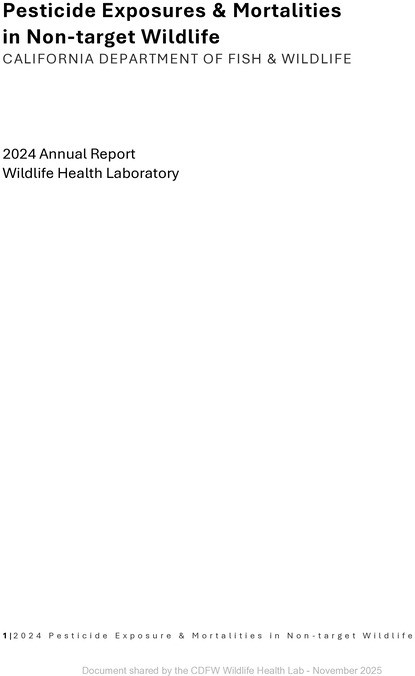
SACRAMENTO, Calif., November 24, 2025 — A new report released this month by the California Department of Fish and Wildlife found that blood-thinning rat poisons are still unintentionally poisoning wildlife at high rates.
In the 2024 statewide survey, the powerful anticoagulant rodenticides were found in the bodies of 95% of mountain lions and 69% of nontarget wildlife tested.
“This report paints a heartbreaking picture of the terrible threat rat poisons pose to struggling mountain lions, who can get sick and die horrific deaths from secondary poisoning,” said Tiffany Yap, DEnv/Ph.D., a senior scientist at the Center for Biological Diversity. “Several mountain lion populations are already suffering from severe inbreeding, vehicle strikes, diseases and other serious threats. If we keep using these extremely toxic rat poisons, we’ll keep pushing pumas and other beloved wildlife closer to the brink.”
Those findings come despite efforts by Gov. Gavin Newsom and state lawmakers to restrict the most toxic rodenticides, which have caused widespread poisonings of dozens of wildlife species, including mountain lions, hawks, owls, bears, and bobcats.
But a proposal from the California Department of Pesticide Regulation would roll back those restrictions to allow use of the most toxic rat poisons at more than 100,000 new locations, including grocery stores, restaurants, highways, roads, and even parks and wildlife areas.
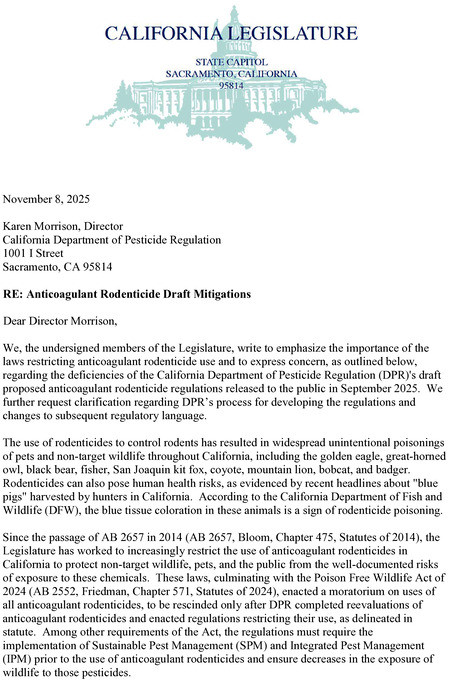
A letter from six California legislators expressed concern that expanding uses of the rodenticides would lead to more wildlife poisonings. And the lawmakers pointed out that steps to put safer rodent-control methods in place, while greatly expanding the use of the poisons, were “flimsy and unclear.”
“It is dismaying to see the continued impact of anticoagulant rat poisons on great-horned owls and red-shouldered hawks, some of our best natural rodent-controllers,” said Lisa Owens-Viani, director of Raptors Are The Solution. “Now is hardly the time to relax restrictions when, in fact, our state Department of Pesticide Regulation should close the loopholes in the law to truly protect these animals.”
Rodenticides are a widespread threat to wildlife. Anticoagulant rodenticides have been found in 83% of bald eagles tested. State regulators have documented unintended poisonings in at least 38 different species in California alone, including the famous Hollywood mountain lion P-22, imperiled San Joaquin kit foxes, and northern spotted owls.
Even river otters tested positive for rodenticides, showing that these poisons are contaminating waterways and aquatic ecosystems.
"The evidence that wildlife is continuing to be exposed to these harmful chemicals at alarming rates is further reason that the California Department of Pesticide Regulation should promulgate robust regulations to reduce their use," said Assemblymember Damon Connolly (D-San Rafael). "The California legislature has worked for well over a decade to enact laws to protect wildlife, children and pets from these dangerous pesticides. Now it is up to the California Department of Pesticide Regulation to uphold their mission of ‘protecting human health and the environment’ by reducing the use of, and exposure to, anticoagulant rodenticides across the state.”
Under the Biden administration the Environmental Protection Agency found rodenticides are pushing at least 78 endangered species, such as California condors, Florida panthers, and black-footed ferrets, toward extinction.
There are effective ways to manage rodent infestations that don’t involve using long-lasting rat poisons that harm and kill other animals. Among these are sealing entry points to buildings, improving sanitation, fertility control, and a variety of traps. To learn more about these alternatives, visit SafeRodentControl.org or here: https://raptorsarethesolution.org/got-rats/
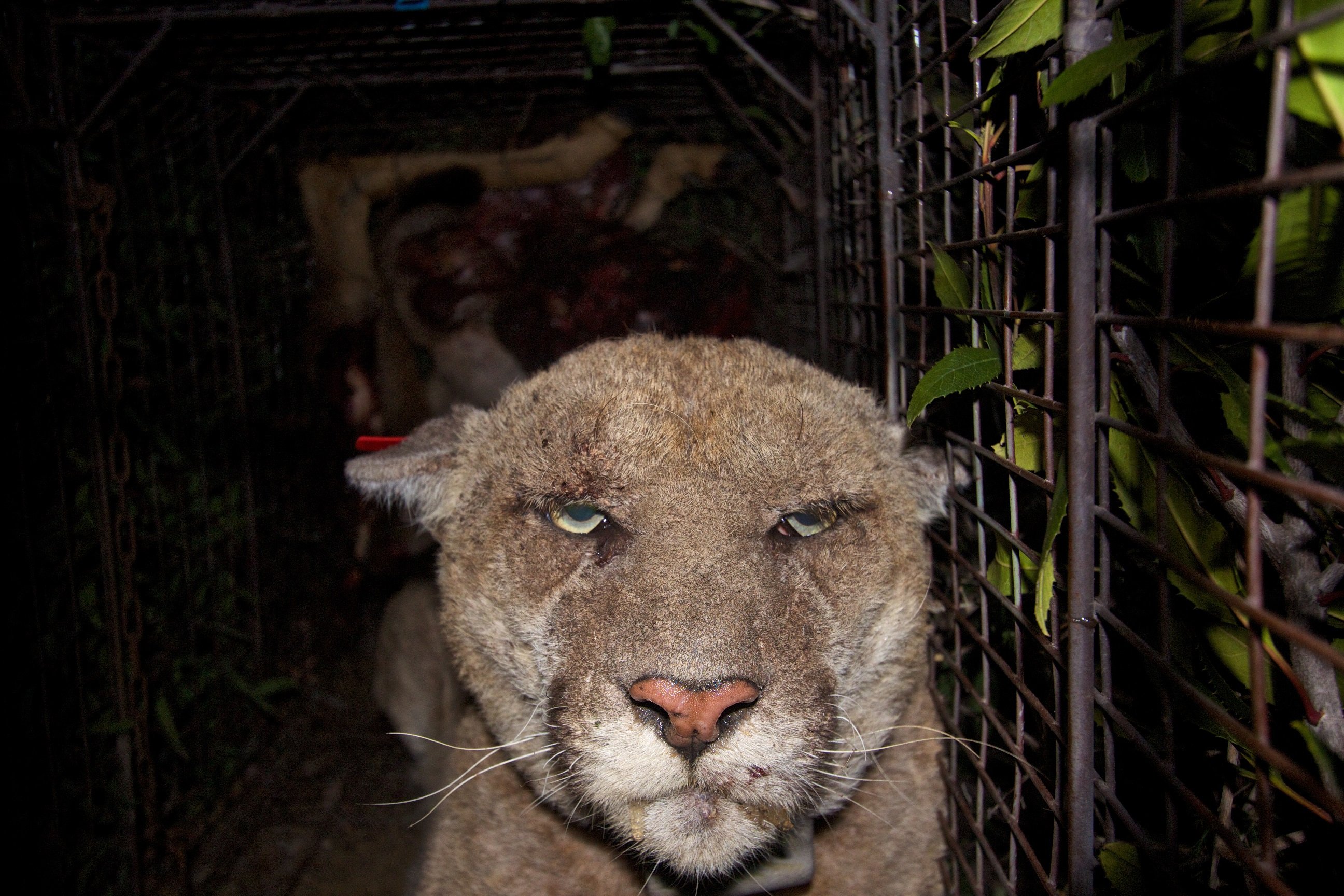
Photo: Mountain lion P-22, who died after being struck by a vehicle, suffered from mange linked to rat poisons.
The Center for Biological Diversity is a national, nonprofit conservation organization with more than 1.8 million members and online activists dedicated to the protection of endangered species and wild places.
https://biologicaldiversity.org/w/news/press-releases/new-california-report-rat-poisons-still-causing-widespread-harm-to-wildlife-2025-11-24/
In the 2024 statewide survey, the powerful anticoagulant rodenticides were found in the bodies of 95% of mountain lions and 69% of nontarget wildlife tested.
“This report paints a heartbreaking picture of the terrible threat rat poisons pose to struggling mountain lions, who can get sick and die horrific deaths from secondary poisoning,” said Tiffany Yap, DEnv/Ph.D., a senior scientist at the Center for Biological Diversity. “Several mountain lion populations are already suffering from severe inbreeding, vehicle strikes, diseases and other serious threats. If we keep using these extremely toxic rat poisons, we’ll keep pushing pumas and other beloved wildlife closer to the brink.”
Those findings come despite efforts by Gov. Gavin Newsom and state lawmakers to restrict the most toxic rodenticides, which have caused widespread poisonings of dozens of wildlife species, including mountain lions, hawks, owls, bears, and bobcats.
But a proposal from the California Department of Pesticide Regulation would roll back those restrictions to allow use of the most toxic rat poisons at more than 100,000 new locations, including grocery stores, restaurants, highways, roads, and even parks and wildlife areas.
A letter from six California legislators expressed concern that expanding uses of the rodenticides would lead to more wildlife poisonings. And the lawmakers pointed out that steps to put safer rodent-control methods in place, while greatly expanding the use of the poisons, were “flimsy and unclear.”
“It is dismaying to see the continued impact of anticoagulant rat poisons on great-horned owls and red-shouldered hawks, some of our best natural rodent-controllers,” said Lisa Owens-Viani, director of Raptors Are The Solution. “Now is hardly the time to relax restrictions when, in fact, our state Department of Pesticide Regulation should close the loopholes in the law to truly protect these animals.”
Rodenticides are a widespread threat to wildlife. Anticoagulant rodenticides have been found in 83% of bald eagles tested. State regulators have documented unintended poisonings in at least 38 different species in California alone, including the famous Hollywood mountain lion P-22, imperiled San Joaquin kit foxes, and northern spotted owls.
Even river otters tested positive for rodenticides, showing that these poisons are contaminating waterways and aquatic ecosystems.
"The evidence that wildlife is continuing to be exposed to these harmful chemicals at alarming rates is further reason that the California Department of Pesticide Regulation should promulgate robust regulations to reduce their use," said Assemblymember Damon Connolly (D-San Rafael). "The California legislature has worked for well over a decade to enact laws to protect wildlife, children and pets from these dangerous pesticides. Now it is up to the California Department of Pesticide Regulation to uphold their mission of ‘protecting human health and the environment’ by reducing the use of, and exposure to, anticoagulant rodenticides across the state.”
Under the Biden administration the Environmental Protection Agency found rodenticides are pushing at least 78 endangered species, such as California condors, Florida panthers, and black-footed ferrets, toward extinction.
There are effective ways to manage rodent infestations that don’t involve using long-lasting rat poisons that harm and kill other animals. Among these are sealing entry points to buildings, improving sanitation, fertility control, and a variety of traps. To learn more about these alternatives, visit SafeRodentControl.org or here: https://raptorsarethesolution.org/got-rats/
Photo: Mountain lion P-22, who died after being struck by a vehicle, suffered from mange linked to rat poisons.
The Center for Biological Diversity is a national, nonprofit conservation organization with more than 1.8 million members and online activists dedicated to the protection of endangered species and wild places.
https://biologicaldiversity.org/w/news/press-releases/new-california-report-rat-poisons-still-causing-widespread-harm-to-wildlife-2025-11-24/
For more information:
https://biologicaldiversity.org/
Add Your Comments
We are 100% volunteer and depend on your participation to sustain our efforts!
Donate

$65.00 donated
in the past month
Get Involved
If you'd like to help with maintaining or developing the website, contact us.
Publish
Publish your stories and upcoming events on Indybay.
Topics
More
Search Indybay's Archives
Advanced Search
►
▼
IMC Network