







 Publish to Newswire
 Add an Event
From the Open-Publishing Calendar
From the Open-Publishing Newswire
Indybay Feature
Negro Bar, Negro Hill, Negro Creek legacy come alive as reparative justice is considered
California 175 - Reparative Justice poised to revisit erasing, distorting and destroying authentic California History - Bureau for Descendants of American Slavery soon comes alive…
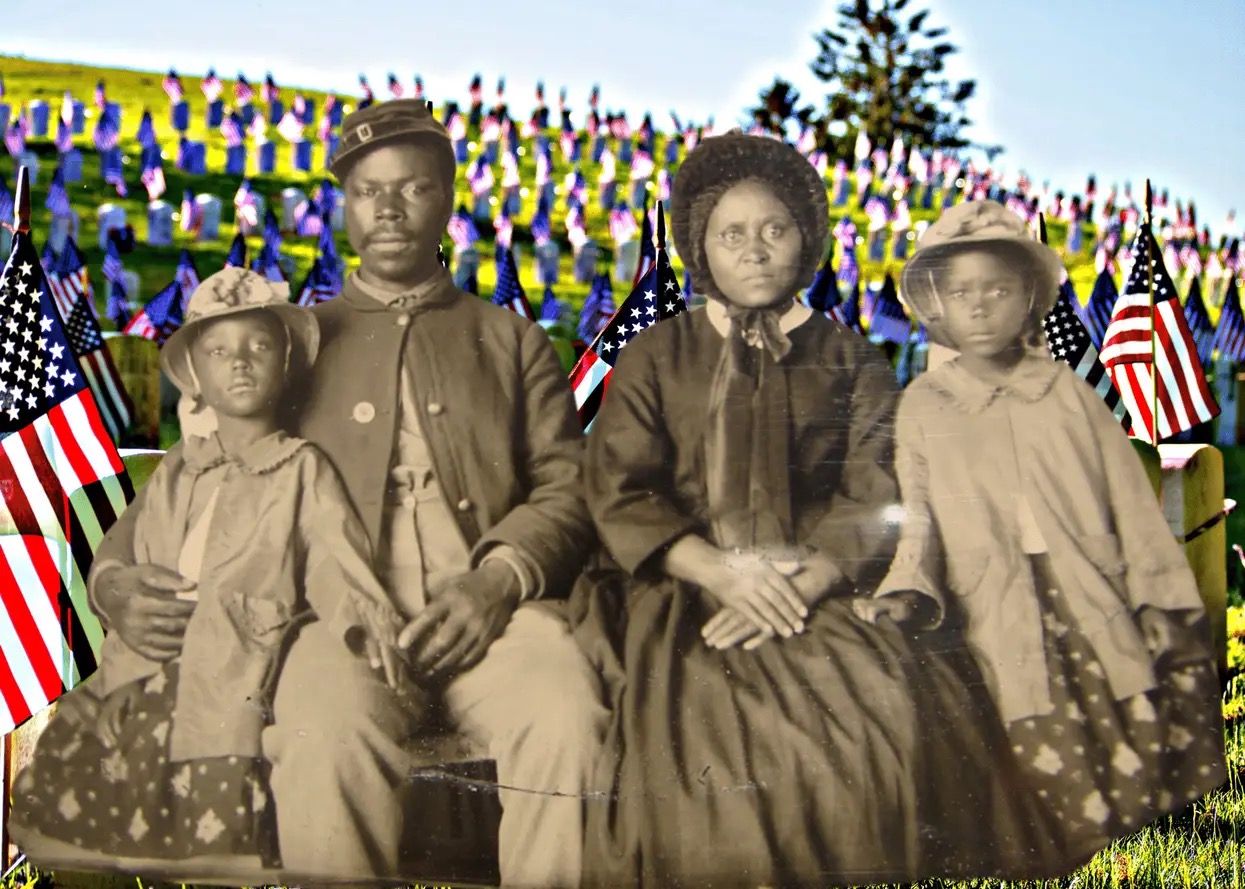
As California consider ways to acknowledge and enact reparative Justice authentic California History from the archives and libraries hold long hidden secrets, soon come alive.
Since 1849 the initial California Legislature not only disenfranchised its Black citizens, but also enacted a fugitive slave law that jeopardized the status of free persons of color.
Evidence derived from various court cases, manumission records, pioneers' personal documents, and legislative proceedings show that conditions of servitude existed for many Black Californians between 1848, 1865 Juneteenth and beyond.
The conditions prevailed despite a constitutional provision which stipulated that "neither slavery or involuntary servitude, unless for the punishment of a crime shall ever be tolerated in the State."
Even though the constitution prohibited the peculiar institution, it should be noted that an 1852 law provided for seizure of any person alleged to be a fugitive brought to the state before its admission to the Union. On proof to the satisfaction of a magistrate of the court, the accused could be removed from the state. Under no circumstances could testimony of the alleged fugitive be admitted as evidence.
Official records indicate that this law was used to veil the intent of persons unlawfully holding others in involuntary servitude. The experience of Biddy Mason and Stephen Spencer Hill are two cases in point, with many additional cases available.
Despite their political disenfranchisement, Black people contributed to the development of three California industries before World War II: mining, lumber, and agriculture.
Black miners could be found throughout the mining frontier — in the Mother Lode Country and in Southern California's gold mines. Historic place names in the gold region such as Negro Bar, Negro Hill, Negro Flat, and Negro Creek are reminders of early Black miners' presence and the racist behavior their presence evoked.
Pejorative epithets commonly used in gold region place names, portray the hostile environment within which Black miners worked to secure their claims, protect their liberty, and guard against bodily harm. Without the right to testify against Whites, these miners had only their genius, brawn, and comrades to protect them from White miners' encroachments.
Individual Blacks, free and slave, worked alongside Whites, while others worked in company with fellow Black miners. Kentucky Ridge Mine, near Bidney Springs in Nevada County, operated for two years (1851 and 1852) by a large number of slaves, has acquired virtual legendary status.
A colony of Black men and women settled along Deer Creek in 1851 to work the Kentucky Ridge Mine. These women and men of Pan African Ancestry came to Nevada County from Georgia as the slaves of US Army Colonel William F. English.
Colonel English reportedly was a Georgia planter who sold his plantation in 1850, then journeyed to Philadelphia, where he purchased a ship to transport machinery and workers to California to establish a mining enterprise.
Organized mining companies formed by Black miners operated some profitable mining claims. A Black concern owned Horncut Mine, a prosperous quartz claim in Brown's Valley, the town near Marysville in Yuba County that became prominent for its rich surface diggings and extensive quartz mines. Another Black mining concern, the Rare Ripe Gold and Silver Mining Company, also located in Brown's Valley was, according to an article in the San Francisco Elevator, 1868, a "first class" company (a noteworthy comment, since quartz mining required heavy machinery, and few men had the investment capital to properly outfit that kind of mining operation).
Outside Stockton, San Joaquin County, Moses Rodgers, in company with other Black men, owned several successful mining companies. Rodgers best-known mine, and one for which he was a stockholding superintendent, was the Washington Mine, established in 1869. In certain years, more than half a million dollars in gold was taken out of the Washington Mine. A mining tycoon and technical genius, Rodgers was constantly sought after for his knowledge of mining technology.
Gold was discovered in San Diego County in 1869 by a Black man, Frederick Coleman. Coleman made the discovery near Julian, in a creek that now bears his name. Thousands swarmed to the area as news of the discovery spread, radically changing the quiet settlement that had originally been established by Blacks and Indians. A town government was installed, and the place was renamed to commemorate the Julian brothers, Mike and Webb, former Confederate soldiers.
The ethnic character of the new town changed after the discovery of gold, but its Black population continued to increase. In fact, Julian continued to have the highest percentage of Black residents of any town in the county until 1900, and Black people continued to be represented in the commercial sector as the new town began to grow.
Prominent among the entrepreneurs were Albert and Margaret Robinson, who operated a restaurant in the 1870s and later expanded it to include a hotel. The Robinson Hotel, operated under family management until 1921, today, the town's hotel continues to thrive.
Since 1849 the initial California Legislature not only disenfranchised its Black citizens, but also enacted a fugitive slave law that jeopardized the status of free persons of color.
Evidence derived from various court cases, manumission records, pioneers' personal documents, and legislative proceedings show that conditions of servitude existed for many Black Californians between 1848, 1865 Juneteenth and beyond.
The conditions prevailed despite a constitutional provision which stipulated that "neither slavery or involuntary servitude, unless for the punishment of a crime shall ever be tolerated in the State."
Even though the constitution prohibited the peculiar institution, it should be noted that an 1852 law provided for seizure of any person alleged to be a fugitive brought to the state before its admission to the Union. On proof to the satisfaction of a magistrate of the court, the accused could be removed from the state. Under no circumstances could testimony of the alleged fugitive be admitted as evidence.
Official records indicate that this law was used to veil the intent of persons unlawfully holding others in involuntary servitude. The experience of Biddy Mason and Stephen Spencer Hill are two cases in point, with many additional cases available.
Despite their political disenfranchisement, Black people contributed to the development of three California industries before World War II: mining, lumber, and agriculture.
Black miners could be found throughout the mining frontier — in the Mother Lode Country and in Southern California's gold mines. Historic place names in the gold region such as Negro Bar, Negro Hill, Negro Flat, and Negro Creek are reminders of early Black miners' presence and the racist behavior their presence evoked.
Pejorative epithets commonly used in gold region place names, portray the hostile environment within which Black miners worked to secure their claims, protect their liberty, and guard against bodily harm. Without the right to testify against Whites, these miners had only their genius, brawn, and comrades to protect them from White miners' encroachments.
Individual Blacks, free and slave, worked alongside Whites, while others worked in company with fellow Black miners. Kentucky Ridge Mine, near Bidney Springs in Nevada County, operated for two years (1851 and 1852) by a large number of slaves, has acquired virtual legendary status.
A colony of Black men and women settled along Deer Creek in 1851 to work the Kentucky Ridge Mine. These women and men of Pan African Ancestry came to Nevada County from Georgia as the slaves of US Army Colonel William F. English.
Colonel English reportedly was a Georgia planter who sold his plantation in 1850, then journeyed to Philadelphia, where he purchased a ship to transport machinery and workers to California to establish a mining enterprise.
Organized mining companies formed by Black miners operated some profitable mining claims. A Black concern owned Horncut Mine, a prosperous quartz claim in Brown's Valley, the town near Marysville in Yuba County that became prominent for its rich surface diggings and extensive quartz mines. Another Black mining concern, the Rare Ripe Gold and Silver Mining Company, also located in Brown's Valley was, according to an article in the San Francisco Elevator, 1868, a "first class" company (a noteworthy comment, since quartz mining required heavy machinery, and few men had the investment capital to properly outfit that kind of mining operation).
Outside Stockton, San Joaquin County, Moses Rodgers, in company with other Black men, owned several successful mining companies. Rodgers best-known mine, and one for which he was a stockholding superintendent, was the Washington Mine, established in 1869. In certain years, more than half a million dollars in gold was taken out of the Washington Mine. A mining tycoon and technical genius, Rodgers was constantly sought after for his knowledge of mining technology.
Gold was discovered in San Diego County in 1869 by a Black man, Frederick Coleman. Coleman made the discovery near Julian, in a creek that now bears his name. Thousands swarmed to the area as news of the discovery spread, radically changing the quiet settlement that had originally been established by Blacks and Indians. A town government was installed, and the place was renamed to commemorate the Julian brothers, Mike and Webb, former Confederate soldiers.
The ethnic character of the new town changed after the discovery of gold, but its Black population continued to increase. In fact, Julian continued to have the highest percentage of Black residents of any town in the county until 1900, and Black people continued to be represented in the commercial sector as the new town began to grow.
Prominent among the entrepreneurs were Albert and Margaret Robinson, who operated a restaurant in the 1870s and later expanded it to include a hotel. The Robinson Hotel, operated under family management until 1921, today, the town's hotel continues to thrive.
Add Your Comments
§Julian's Black History
I have lived in San Diego County for 32 years, but only found out about Julian's black history when visiting there 12 years ago.
I stayed at the Robinson Hotel, visited the graveyard, and was gifted a video from a local historian! What a memorable retirement present to myself!✔️💯🔥😁
Add a Comment
§Julian California's Black History
I visited the famous Robinson Hotel in 2013 after retirement! It is a welcoming tourist attraction today and a safe way to explore the rich African American History in California!
Add a Comment
We are 100% volunteer and depend on your participation to sustain our efforts!
Donate

$90.00 donated
in the past month
Get Involved
If you'd like to help with maintaining or developing the website, contact us.
Publish
Publish your stories and upcoming events on Indybay.
Topics
More
Search Indybay's Archives
Advanced Search
►
▼
IMC Network