







 Publish to Newswire
 Add an Event
From the Open-Publishing Calendar
From the Open-Publishing Newswire
Indybay Feature
Free the Eel River! Public Comment Period
Undamning the Eel river public comment period untill Nov. 3rd. Opportunity to free an awesome river!
Opportunity to enter public comments on the question of undamming the Eel river and return it to natural habitat and Native stewardship.
The State Water Resources Control Board has a a public comment period open until November 3rd.
Environmental groups and Native activists are asking you to make comments for the undamming and freeing of the Eel river in Northern California.
Please email comments to Wr401program [at] waterboards.ca.gov
Title your comments "Potter Valley NOP Comments"
Water Board Notice
http://www.tinyurl.com/EelWaterBoardNotice
Learn More at CaliforniaSalmon.Org
THE EEL RIVER
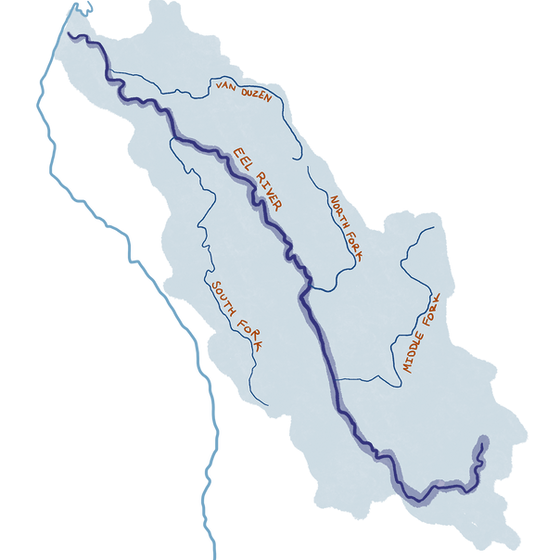
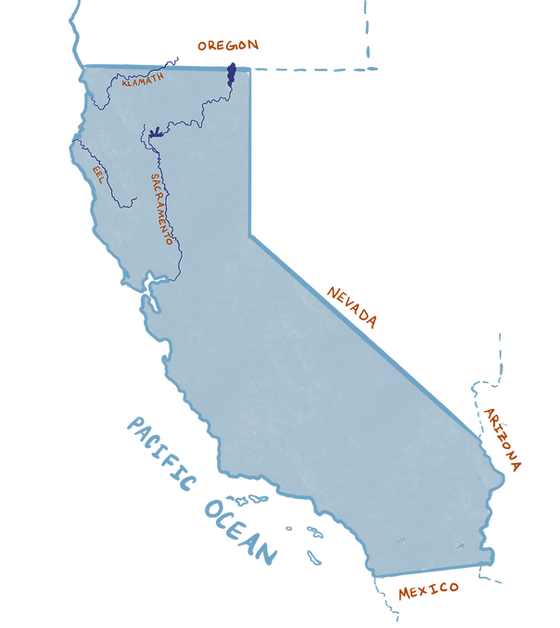
The Eel River is the third largest salmon-bearing river in California and once supported up to 800,000 salmon annually. These salmon sustained commercial fishing and were central to the traditional lifeways of the Wiyot, Round Valley, Bear River, Sherwood Valley, and other Tribes. Today, fish numbers are down to just about 1% of historical levels, and subsistence, commercial, and sport fishing opportunities have been severely restricted. The Eel River watershed spans five counties and supports rich biodiversity. Historically, it was home to at least five distinct runs of anadromous salmonids- fall-run Chinook salmon, coho salmon, winter and summer steelhead, and coastal cutthroat trout. The Round Valley Indian Tribes, the Wiyot Tribe, and others have long relied on the river for cultural practices and food. But as colonization advanced, the river's abundance was exploited. By 1854, a commercial salmon fishery had developed, followed by canneries. The river became a vital economic engine for North Coast communities and continued to provide fishing opportunities for decades.
In the early 1900s, the Potter Valley Hydroelectric Project was established, constructing Scott Dam in Lake County and Cape Horn Dam in Mendocino County. These dams created Lake Pillsbury and the Van Arsdale Reservoir, and diverted Eel River water to a powerhouse in Potter Valley. In 1930, PG&E acquired the project and operated the powerhouse until 2021, when equipment failure halted electricity generation. Still, PG&E has continued diverting Eel River water to satisfy flow requirements and water contracts in the Russian River watershed. These diversions, and the dams that enable them, have had lasting consequences. Scott Dam is an impassable barrier for salmon and steelhead, cutting off access to hundreds of miles of high-quality habitat. With no fish ladder, the dam blocks vital migration paths. Dams degrade salmon habitat by interrupting sediment flow, generating toxic conditions like methylmercury buildup, and warming river temperatures to deadly levels. The American Rivers organization named the Eel one of the ten Most Endangered Rivers in 2023. Once one of the most productive ecosystems on the Pacific Coast, the Eel River now struggles with severely impaired salmonid populations. Cannery records show that historic Chinook runs of 100,000–800,000 fish per year fell to 50,000–100,000 by the mid-20th century, with even further declines since.
Conflicts over water use have grown. The Eel River sustains fish, wildlife, food systems, and recreation, while out-of-basin demands (especially in the Russian River watershed) have diverted water from the river for decades. In March 2023, PG&E disclosed that Scott Dam is at greater risk of seismic damage than previously understood. The company has since begun planning for decommissioning the Potter Valley Project, including removing both dams. This process will restore the river's natural flow and re-open historic habitat to migrating fish.
On January 31, 2025, PG&E released a draft plan that includes a proposal to construct a New Eel-Russian Facility (NERF) using a portion of PG&E’s lands and infrastructure. Since mid-2023, Humboldt County and other stakeholders from the Eel and Russian River Basins have been negotiating a Water Diversion Agreement to determine how water might continue to be diverted while protecting the Eel River and its fisheries. As of February 2025, a Memorandum of Understanding (MOU) has been approved by various local Boards and the Round Valley Indian Tribes, with a full agreement expected for review by July 29, 2025. Parties involved include Sonoma Water, Mendocino Inland Water and Power Commission, Round Valley Indian Tribes, California Trout, Trout Unlimited, and the California Department of Fish and Wildlife. Humboldt County has maintained that Eel River water should remain within the watershed but is participating in negotiations if the agreement can advance ecological restoration and fish recovery.
Support for this process has been growing. Eel River locals, fishers, Tribes, counties, and Russian River advocates are coming together to remove the dams and seek water solutions that protect ecosystems. The New Eel-Russian Facility will base water diversions on the best available science, with the goal of aligning with fish recovery goals and broader ecosystem health. It also represents a step toward restorative justice for the Round Valley Indian Tribes and other communities affected by decades of harmful water diversions. The new agreement could foster stronger relationships between the Eel and Russian River regions and create a durable foundation for regional collaboration. Scott Dam blocks access to an estimated 55–89 miles of habitat for Chinook salmon and 198–288 miles for steelhead. It is an aging structure with no spillway, posing safety risks and contributing to toxic algae, warm water, and poor water quality. Cape Horn Dam, which diverts large volumes of water to the Russian River, is also part of the Potter Valley Project and contributes to ecological strain. While the dams are not the only threat to salmon in the Eel River, their removal would be a critical step toward restoring the fishery and helping salmon and trout withstand the growing impacts of climate change.
The State Water Resources Control Board has a a public comment period open until November 3rd.
Environmental groups and Native activists are asking you to make comments for the undamming and freeing of the Eel river in Northern California.
Please email comments to Wr401program [at] waterboards.ca.gov
Title your comments "Potter Valley NOP Comments"
Water Board Notice
http://www.tinyurl.com/EelWaterBoardNotice
Learn More at CaliforniaSalmon.Org
THE EEL RIVER
The Eel River is the third largest salmon-bearing river in California and once supported up to 800,000 salmon annually. These salmon sustained commercial fishing and were central to the traditional lifeways of the Wiyot, Round Valley, Bear River, Sherwood Valley, and other Tribes. Today, fish numbers are down to just about 1% of historical levels, and subsistence, commercial, and sport fishing opportunities have been severely restricted. The Eel River watershed spans five counties and supports rich biodiversity. Historically, it was home to at least five distinct runs of anadromous salmonids- fall-run Chinook salmon, coho salmon, winter and summer steelhead, and coastal cutthroat trout. The Round Valley Indian Tribes, the Wiyot Tribe, and others have long relied on the river for cultural practices and food. But as colonization advanced, the river's abundance was exploited. By 1854, a commercial salmon fishery had developed, followed by canneries. The river became a vital economic engine for North Coast communities and continued to provide fishing opportunities for decades.
In the early 1900s, the Potter Valley Hydroelectric Project was established, constructing Scott Dam in Lake County and Cape Horn Dam in Mendocino County. These dams created Lake Pillsbury and the Van Arsdale Reservoir, and diverted Eel River water to a powerhouse in Potter Valley. In 1930, PG&E acquired the project and operated the powerhouse until 2021, when equipment failure halted electricity generation. Still, PG&E has continued diverting Eel River water to satisfy flow requirements and water contracts in the Russian River watershed. These diversions, and the dams that enable them, have had lasting consequences. Scott Dam is an impassable barrier for salmon and steelhead, cutting off access to hundreds of miles of high-quality habitat. With no fish ladder, the dam blocks vital migration paths. Dams degrade salmon habitat by interrupting sediment flow, generating toxic conditions like methylmercury buildup, and warming river temperatures to deadly levels. The American Rivers organization named the Eel one of the ten Most Endangered Rivers in 2023. Once one of the most productive ecosystems on the Pacific Coast, the Eel River now struggles with severely impaired salmonid populations. Cannery records show that historic Chinook runs of 100,000–800,000 fish per year fell to 50,000–100,000 by the mid-20th century, with even further declines since.
Conflicts over water use have grown. The Eel River sustains fish, wildlife, food systems, and recreation, while out-of-basin demands (especially in the Russian River watershed) have diverted water from the river for decades. In March 2023, PG&E disclosed that Scott Dam is at greater risk of seismic damage than previously understood. The company has since begun planning for decommissioning the Potter Valley Project, including removing both dams. This process will restore the river's natural flow and re-open historic habitat to migrating fish.
On January 31, 2025, PG&E released a draft plan that includes a proposal to construct a New Eel-Russian Facility (NERF) using a portion of PG&E’s lands and infrastructure. Since mid-2023, Humboldt County and other stakeholders from the Eel and Russian River Basins have been negotiating a Water Diversion Agreement to determine how water might continue to be diverted while protecting the Eel River and its fisheries. As of February 2025, a Memorandum of Understanding (MOU) has been approved by various local Boards and the Round Valley Indian Tribes, with a full agreement expected for review by July 29, 2025. Parties involved include Sonoma Water, Mendocino Inland Water and Power Commission, Round Valley Indian Tribes, California Trout, Trout Unlimited, and the California Department of Fish and Wildlife. Humboldt County has maintained that Eel River water should remain within the watershed but is participating in negotiations if the agreement can advance ecological restoration and fish recovery.
Support for this process has been growing. Eel River locals, fishers, Tribes, counties, and Russian River advocates are coming together to remove the dams and seek water solutions that protect ecosystems. The New Eel-Russian Facility will base water diversions on the best available science, with the goal of aligning with fish recovery goals and broader ecosystem health. It also represents a step toward restorative justice for the Round Valley Indian Tribes and other communities affected by decades of harmful water diversions. The new agreement could foster stronger relationships between the Eel and Russian River regions and create a durable foundation for regional collaboration. Scott Dam blocks access to an estimated 55–89 miles of habitat for Chinook salmon and 198–288 miles for steelhead. It is an aging structure with no spillway, posing safety risks and contributing to toxic algae, warm water, and poor water quality. Cape Horn Dam, which diverts large volumes of water to the Russian River, is also part of the Potter Valley Project and contributes to ecological strain. While the dams are not the only threat to salmon in the Eel River, their removal would be a critical step toward restoring the fishery and helping salmon and trout withstand the growing impacts of climate change.
For more information:
http://CaliforniaSalmon.org

Add Your Comments
Latest Comments
Listed below are the latest comments about this post.
These comments are submitted anonymously by website visitors.
TITLE
AUTHOR
DATE
Removing dams on the Eel river
Fri, Oct 31, 2025 6:21PM
Save the Samon
Fri, Oct 31, 2025 5:02PM
We are 100% volunteer and depend on your participation to sustain our efforts!
Donate

$85.00 donated
in the past month
Get Involved
If you'd like to help with maintaining or developing the website, contact us.
Publish
Publish your stories and upcoming events on Indybay.
Topics
More
Search Indybay's Archives
Advanced Search
►
▼
IMC Network