







 Publish to Newswire
 Add an Event
From the Open-Publishing Calendar
From the Open-Publishing Newswire
Indybay Feature
Hurricane Katrina 20 Years: The Climate Crisis and Deep Environmental & Racial Injustices
 Import event into your personal calendar
Date:
Friday, August 29, 2025
Time:
10:00 AM
-
11:30 AM
Event Type:
Panel Discussion
Organizer/Author:
Natural Hazards Center
Location Details:
Date & Time: Aug 29, 2025 at 10:00 AM - 11:15 AM Pacific Time
Webinar info: https://hazards.colorado.edu/training/hurricane-katrina-at-20
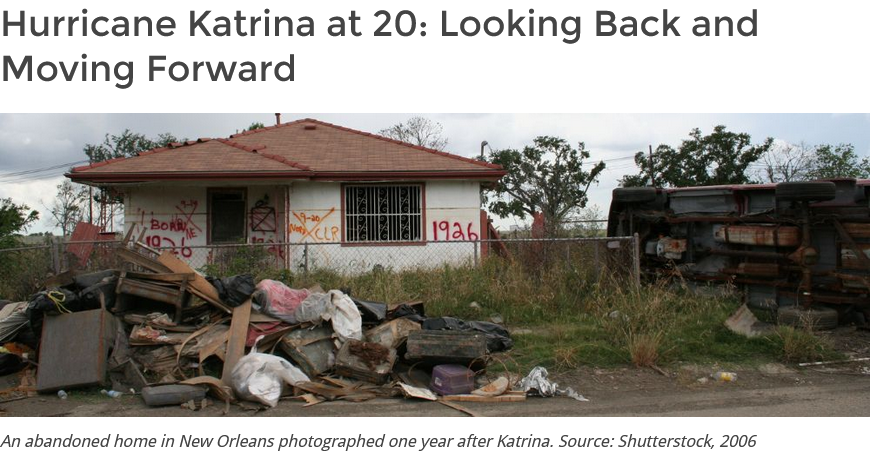
August 29, 2025 marks the 20th anniversary of Hurricane Katrina. The hurricane and flooding that followed devastated the city of New Orleans and many other communities across the Gulf Coast, leaving an indelible mark on people’s lives.
Katrina was a turning point disaster in American history, exposing deep environmental and social injustices as well as critical issues across the disaster lifecycle. The event, and the protracted recovery that followed, also profoundly influenced disaster research and emergency management practice.
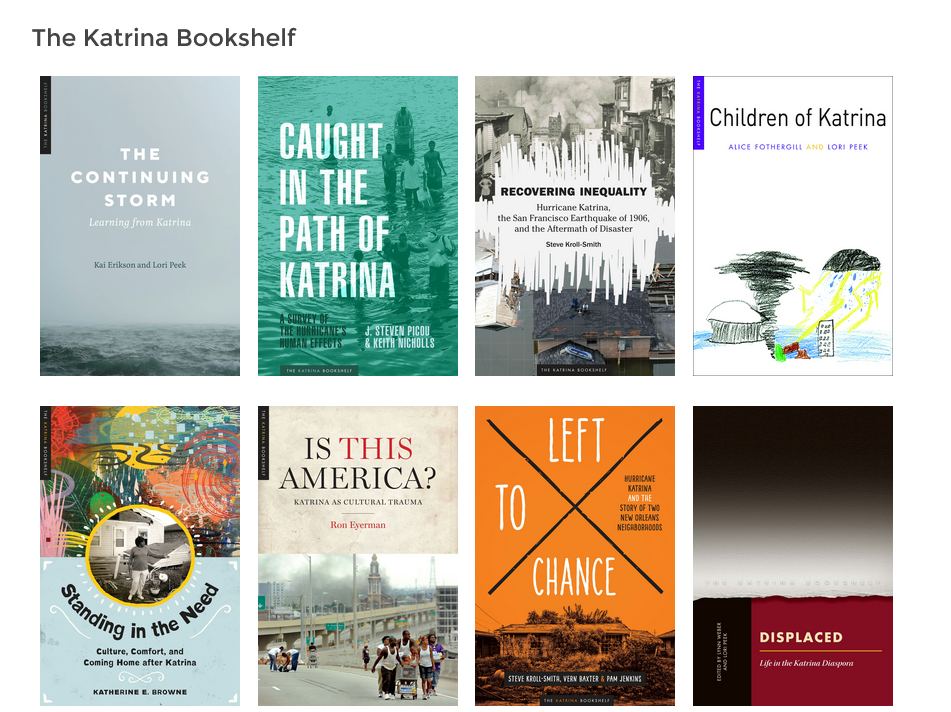
This webinar will bring together authors from The Katrina Bookshelf (https://utpress.utexas.edu/search-grid/?series=the-katrina-bookshelf). This series, edited by Kai Erikson and published by the University of Texas Press, examined many different dimensions of Katrina—ranging from cultural trauma to the impact on children. The books explore the many lessons Katrina taught us about the nature of disasters and about the social world.
We hope you can attend this webinar to learn more about the process of bringing the authors of the Bookshelf together. The panelists will reflect on how the response to Katrina shaped research, practice, and policy landscapes in the decades that followed. They'll also discuss lessons from Katrina that have been overlooked and progress that’s at risk of being rolled back.
PANEL:
Ronald Eyerman is a professor of sociology and codirector of the Center for Cultural Sociology at Yale University. His book Is This America? explores how Katrina has been constructed as a cultural trauma in print media, the arts and popular culture, and television coverage.
Pamela Jenkins is an emerita professor of sociology and faculty in the women’s studies program at the University of New Orleans. Her book Left to Chance: Hurricane Katrina and the Story of Two New Orleans Neighborhoods, examines two African American neighborhoods—working-class Hollygrove and middle-class Pontchartrain Park—to learn how their residents experienced “Miss Katrina” and the long road back to normal life.
Jacquelyn Litt a professor of sociology and women’s and gender studies at Rutgers University-New Brunswick. Her research, which was a central contribution of Displaced: Life in the Katrina Diaspora, focused on practices of informal assistance among African American women survivors post-Katrina.
Lori Peek is director of the Natural Hazards Center and professor in the Department of Sociology at the University of Colorado Boulder. She is co-editor of Displaced: Life in the Katrina Diaspora. She is also the co-author of Children of Katrina, which offers one of the only long-term, multiyear studies of young people following disaster, and The Continuing Storm, which assesses the storm's ongoing impact on individual lives across the wide-ranging geographies where displaced New Orleanians landed.
Steve Kroll-Smith is a emeritus professor of sociology at the University of North Carolina at Greensboro and was formerly a research professor of sociology at the University of New Orleans. Kroll-Smith is a coauthor of Left to Chance: Hurricane Katrina and the Story of Two New Orleans Neighborhoods. He is also the author of Recovering Inequality, a comparative exploration of Hurricane Katrina and the 1906 San Francisco Earthquake.
_____________________________________________________
ADDITIONAL ARTICLES & POSTS
INSIDE CLIMATE NEWS (Aug. 26, 2025): Twenty Years After Hurricane Katrina, Experts Fear Trump’s Cuts Will End in a Repeat Catastrophe
"The destruction was harrowing: More than 1,800 people died. Total damages, accounting for inflation, exceeded $200 billion. Katrina’s impacts still linger today. The hurricane reshaped the South, fueling a widespread diaspora of disaster survivors into new areas that altered the economy and community connectedness."
Full article here: https://insideclimatenews.org/news/26082025/todays-climate-hurricane-katrina-aftermath-legacy-trump-fema-cuts/
NRDC POST on FEMA & CLIMATE CRISIS RISKS (Aug. 14, 2025): 20th Anniversary of Hurricane Katrina: Lessons Learned and the Dismantling of Disaster Response
"In the two decades since Hurricane Katrina, major policy reforms strengthened disaster response at every level, bolstering the capacity of the Federal Emergency Management Agency (FEMA) . . . That progress is at risk today as the Trump administration has cut staff, rolled back many of these advances, and left FEMA severely weakened—even threatening to dismantle the agency entirely."
Full article here: https://www.nrdc.org/media/20th-anniversary-hurricane-katrina-lessons-learned-and-dismantling-disaster-response
CENTER FOR INTERNATIONAL ENVIRONMENT LAW - Blog Post Aug. 25, 2025
POST: Katrina 20 Years Later: Lessons We Must Heed This Hurricane Season
"Stronger storms and a failing insurance system keep exposing deep inequalities and pushing families into a growing housing crisis."
Full blog here: https://www.ciel.org/katrina-20-years-later/
Webinar info: https://hazards.colorado.edu/training/hurricane-katrina-at-20
August 29, 2025 marks the 20th anniversary of Hurricane Katrina. The hurricane and flooding that followed devastated the city of New Orleans and many other communities across the Gulf Coast, leaving an indelible mark on people’s lives.
Katrina was a turning point disaster in American history, exposing deep environmental and social injustices as well as critical issues across the disaster lifecycle. The event, and the protracted recovery that followed, also profoundly influenced disaster research and emergency management practice.
This webinar will bring together authors from The Katrina Bookshelf (https://utpress.utexas.edu/search-grid/?series=the-katrina-bookshelf). This series, edited by Kai Erikson and published by the University of Texas Press, examined many different dimensions of Katrina—ranging from cultural trauma to the impact on children. The books explore the many lessons Katrina taught us about the nature of disasters and about the social world.
We hope you can attend this webinar to learn more about the process of bringing the authors of the Bookshelf together. The panelists will reflect on how the response to Katrina shaped research, practice, and policy landscapes in the decades that followed. They'll also discuss lessons from Katrina that have been overlooked and progress that’s at risk of being rolled back.
PANEL:
Ronald Eyerman is a professor of sociology and codirector of the Center for Cultural Sociology at Yale University. His book Is This America? explores how Katrina has been constructed as a cultural trauma in print media, the arts and popular culture, and television coverage.
Pamela Jenkins is an emerita professor of sociology and faculty in the women’s studies program at the University of New Orleans. Her book Left to Chance: Hurricane Katrina and the Story of Two New Orleans Neighborhoods, examines two African American neighborhoods—working-class Hollygrove and middle-class Pontchartrain Park—to learn how their residents experienced “Miss Katrina” and the long road back to normal life.
Jacquelyn Litt a professor of sociology and women’s and gender studies at Rutgers University-New Brunswick. Her research, which was a central contribution of Displaced: Life in the Katrina Diaspora, focused on practices of informal assistance among African American women survivors post-Katrina.
Lori Peek is director of the Natural Hazards Center and professor in the Department of Sociology at the University of Colorado Boulder. She is co-editor of Displaced: Life in the Katrina Diaspora. She is also the co-author of Children of Katrina, which offers one of the only long-term, multiyear studies of young people following disaster, and The Continuing Storm, which assesses the storm's ongoing impact on individual lives across the wide-ranging geographies where displaced New Orleanians landed.
Steve Kroll-Smith is a emeritus professor of sociology at the University of North Carolina at Greensboro and was formerly a research professor of sociology at the University of New Orleans. Kroll-Smith is a coauthor of Left to Chance: Hurricane Katrina and the Story of Two New Orleans Neighborhoods. He is also the author of Recovering Inequality, a comparative exploration of Hurricane Katrina and the 1906 San Francisco Earthquake.
_____________________________________________________
ADDITIONAL ARTICLES & POSTS
INSIDE CLIMATE NEWS (Aug. 26, 2025): Twenty Years After Hurricane Katrina, Experts Fear Trump’s Cuts Will End in a Repeat Catastrophe
"The destruction was harrowing: More than 1,800 people died. Total damages, accounting for inflation, exceeded $200 billion. Katrina’s impacts still linger today. The hurricane reshaped the South, fueling a widespread diaspora of disaster survivors into new areas that altered the economy and community connectedness."
Full article here: https://insideclimatenews.org/news/26082025/todays-climate-hurricane-katrina-aftermath-legacy-trump-fema-cuts/
NRDC POST on FEMA & CLIMATE CRISIS RISKS (Aug. 14, 2025): 20th Anniversary of Hurricane Katrina: Lessons Learned and the Dismantling of Disaster Response
"In the two decades since Hurricane Katrina, major policy reforms strengthened disaster response at every level, bolstering the capacity of the Federal Emergency Management Agency (FEMA) . . . That progress is at risk today as the Trump administration has cut staff, rolled back many of these advances, and left FEMA severely weakened—even threatening to dismantle the agency entirely."
Full article here: https://www.nrdc.org/media/20th-anniversary-hurricane-katrina-lessons-learned-and-dismantling-disaster-response
CENTER FOR INTERNATIONAL ENVIRONMENT LAW - Blog Post Aug. 25, 2025
POST: Katrina 20 Years Later: Lessons We Must Heed This Hurricane Season
"Stronger storms and a failing insurance system keep exposing deep inequalities and pushing families into a growing housing crisis."
Full blog here: https://www.ciel.org/katrina-20-years-later/
For more information:
https://hazards.colorado.edu/training/hurr...
Added to the calendar on Wed, Aug 27, 2025 6:39PM
Add Your Comments
We are 100% volunteer and depend on your participation to sustain our efforts!
Donate

$110.00 donated
in the past month
Get Involved
If you'd like to help with maintaining or developing the website, contact us.
Publish
Publish your stories and upcoming events on Indybay.
Topics
More
Search Indybay's Archives
Advanced Search
►
▼
IMC Network