







 Publish to Newswire
 Add an Event
From the Open-Publishing Calendar
From the Open-Publishing Newswire
Indybay Feature
Malcolm X and Ghassan Kanafani: Revolutionary Thinkers Across Worlds
Malcolm X and Ghassan Kanafani: Two revolutionary thinkers and writers who preached the same message, worlds away. Both men understood the complexity of the style of capitalism that had been unleashed on Black and Brown communities specifically.
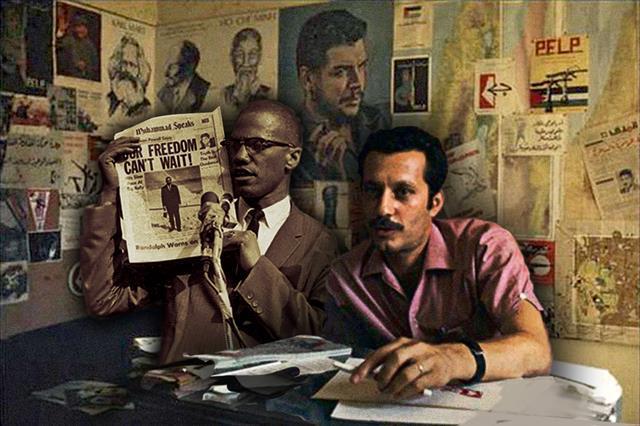
𝙈𝙖𝙡𝙘𝙤𝙡𝙢 𝙓 𝙖𝙣𝙙 𝙂𝙝𝙖𝙨𝙨𝙖𝙣 𝙆𝙖𝙣𝙖𝙛𝙖𝙣𝙞
They both understood how it was a war of extermination guided by fanatical religious white supremacy in the names of Zionism and Manifest Destiny/American Exceptionalism. Both imperialistic projects aim for the enslavement and even erasure of, as Malcolm X would say, “All of Dark Mankind.” Internationally, the victims suffer the same fates — through loss of homes, land, jobs, lives, history, and culture.
𝐂𝐨𝐥𝐨𝐧𝐢𝐚𝐥 𝐨𝐩𝐩𝐫𝐞𝐬𝐬𝐢𝐨𝐧 𝐢𝐧 𝐏𝐚𝐥𝐞𝐬𝐭𝐢𝐧𝐞
In his analysis of the 1936-39 Revolution in Palestine (against the British colonial government and Zionist land theft), Ghassan Kanafani writes that “Every plot of land the Jews buy becomes alien to the Arabs as if it were severed from the body of Palestine and transferred to another country.” This feeling of tremendous loss was aided by the British Mandate government’s passing of laws specifically to aid Zionist settlement of the land owned by the native Palestinian population.
The Mandate allowed the expansion of Zionist militias and gangs along with the creation of Jewish-only work projects to continue to divide the population and keep money in the pockets of those friendly with white supremacy.
𝐌𝐚𝐥𝐜𝐨𝐥𝐦 𝐗 𝐨𝐧 𝐬𝐲𝐬𝐭𝐞𝐦𝐢𝐜 𝐨𝐩𝐩𝐫𝐞𝐬𝐬𝐢𝐨𝐧 𝐢𝐧 𝐭𝐡𝐞 𝐔.𝐒.
Likewise, Malcolm X explains this great trick that is being played on Black Americans by the U.S. government, where even after the Civil War, Emancipation, and the Civil Rights movement, Black Americans are still being killed and incarcerated en masse, denied jobs and education and attacked by white racist mobs chasing them off their land. Malcolm X sees that in America, the Black man has always been a beggar – a beggar politically, economically, socially, and in education due to colonialism.
For the Black population in America, we have felt the similar severing of the land here. We were banned from National Parks and hunted in Sundown towns. 1921 saw the Black-dominated town of Tulsa, Oklahoma, bombed off the map and its inhabitants butchered for 48 hours. In its place now sits a deeply racist white-dominated city firmly in the hands of white supremacists.
𝐓𝐡𝐞 𝐬𝐡𝐢𝐟𝐭 𝐭𝐨𝐰𝐚𝐫𝐝 𝐫𝐞𝐯𝐨𝐥𝐮𝐭𝐢𝐨𝐧
Ghassan Kanafani emphasizes this cultural shift within his people that took place leading up to the 1936 Revolution. Ghassan Khanafani says that, “abject poverty, crushing oppression, and centuries of class and national repression combined to establish the ‘perfect system’ for defeatism, fatalism, and political quietism that was reflected in the most widespread popular proverbs and sayings.”
In this shift, old terms and slang that referenced helplessness and defeat were replaced with sayings of justice and to stand up and do something about the situation they saw themselves in. Calls to arms became commonplace, and the desire to lash out and physically strike your enemy was beginning to be acted on. Malcolm X mentions how, in 1965, people were starting to see that “the Black man has ceased to turn the other cheek, that he has ceased to be nonviolent, that he has ceased to feel that he must be confined to all these restraints that are put upon him by white society in struggling for what white society says he was supposed to have had a hundred years ago.”
𝐀 𝐬𝐡𝐚𝐫𝐞𝐝 𝐬𝐭𝐫𝐮𝐠𝐠𝐥𝐞 𝐚𝐠𝐚𝐢𝐧𝐬𝐭 𝐞𝐦𝐩𝐢𝐫𝐞
In Palestine, Kanafani writes how “the rage pouring out simultaneously against the trinity of enemies – Zionist colonization, the British Mandate, and Arab reactionary forces locally and regionally – grew in tandem with the deepening of the crisis.” The crisis for the Palestinians was the same for Black Americans then as it is now. Malcolm X puts it like this:
“It’s a problem anytime the United States can come up with so many alibis not to get involved in Mississippi and to get involved in the Congo and involved in Asia … the government is incapable of taking the kind of action necessary to solve the problem of Black people in this country. But at the same time she has her nose stuck into the problems of others everywhere else.”
𝐑𝐞𝐯𝐨𝐥𝐮𝐭𝐢𝐨𝐧 𝐭𝐡𝐞 𝐨𝐧𝐥𝐲 𝐩𝐚𝐭𝐡 𝐭𝐨 𝐥𝐢𝐛𝐞𝐫𝐚𝐭𝐢𝐨𝐧
This feeling describes both the American government and the British Empire’s unwillingness to slow the spread of white supremacy because they depended on it. Both men preached revolution to smash this feeling and to regain control of the land from the absentee landlords and reclaim the ability to exist and work freely as human beings on the land; they understood that it was death or total liberation by any means necessary.
They both understood how it was a war of extermination guided by fanatical religious white supremacy in the names of Zionism and Manifest Destiny/American Exceptionalism. Both imperialistic projects aim for the enslavement and even erasure of, as Malcolm X would say, “All of Dark Mankind.” Internationally, the victims suffer the same fates — through loss of homes, land, jobs, lives, history, and culture.
𝐂𝐨𝐥𝐨𝐧𝐢𝐚𝐥 𝐨𝐩𝐩𝐫𝐞𝐬𝐬𝐢𝐨𝐧 𝐢𝐧 𝐏𝐚𝐥𝐞𝐬𝐭𝐢𝐧𝐞
In his analysis of the 1936-39 Revolution in Palestine (against the British colonial government and Zionist land theft), Ghassan Kanafani writes that “Every plot of land the Jews buy becomes alien to the Arabs as if it were severed from the body of Palestine and transferred to another country.” This feeling of tremendous loss was aided by the British Mandate government’s passing of laws specifically to aid Zionist settlement of the land owned by the native Palestinian population.
The Mandate allowed the expansion of Zionist militias and gangs along with the creation of Jewish-only work projects to continue to divide the population and keep money in the pockets of those friendly with white supremacy.
𝐌𝐚𝐥𝐜𝐨𝐥𝐦 𝐗 𝐨𝐧 𝐬𝐲𝐬𝐭𝐞𝐦𝐢𝐜 𝐨𝐩𝐩𝐫𝐞𝐬𝐬𝐢𝐨𝐧 𝐢𝐧 𝐭𝐡𝐞 𝐔.𝐒.
Likewise, Malcolm X explains this great trick that is being played on Black Americans by the U.S. government, where even after the Civil War, Emancipation, and the Civil Rights movement, Black Americans are still being killed and incarcerated en masse, denied jobs and education and attacked by white racist mobs chasing them off their land. Malcolm X sees that in America, the Black man has always been a beggar – a beggar politically, economically, socially, and in education due to colonialism.
For the Black population in America, we have felt the similar severing of the land here. We were banned from National Parks and hunted in Sundown towns. 1921 saw the Black-dominated town of Tulsa, Oklahoma, bombed off the map and its inhabitants butchered for 48 hours. In its place now sits a deeply racist white-dominated city firmly in the hands of white supremacists.
𝐓𝐡𝐞 𝐬𝐡𝐢𝐟𝐭 𝐭𝐨𝐰𝐚𝐫𝐝 𝐫𝐞𝐯𝐨𝐥𝐮𝐭𝐢𝐨𝐧
Ghassan Kanafani emphasizes this cultural shift within his people that took place leading up to the 1936 Revolution. Ghassan Khanafani says that, “abject poverty, crushing oppression, and centuries of class and national repression combined to establish the ‘perfect system’ for defeatism, fatalism, and political quietism that was reflected in the most widespread popular proverbs and sayings.”
In this shift, old terms and slang that referenced helplessness and defeat were replaced with sayings of justice and to stand up and do something about the situation they saw themselves in. Calls to arms became commonplace, and the desire to lash out and physically strike your enemy was beginning to be acted on. Malcolm X mentions how, in 1965, people were starting to see that “the Black man has ceased to turn the other cheek, that he has ceased to be nonviolent, that he has ceased to feel that he must be confined to all these restraints that are put upon him by white society in struggling for what white society says he was supposed to have had a hundred years ago.”
𝐀 𝐬𝐡𝐚𝐫𝐞𝐝 𝐬𝐭𝐫𝐮𝐠𝐠𝐥𝐞 𝐚𝐠𝐚𝐢𝐧𝐬𝐭 𝐞𝐦𝐩𝐢𝐫𝐞
In Palestine, Kanafani writes how “the rage pouring out simultaneously against the trinity of enemies – Zionist colonization, the British Mandate, and Arab reactionary forces locally and regionally – grew in tandem with the deepening of the crisis.” The crisis for the Palestinians was the same for Black Americans then as it is now. Malcolm X puts it like this:
“It’s a problem anytime the United States can come up with so many alibis not to get involved in Mississippi and to get involved in the Congo and involved in Asia … the government is incapable of taking the kind of action necessary to solve the problem of Black people in this country. But at the same time she has her nose stuck into the problems of others everywhere else.”
𝐑𝐞𝐯𝐨𝐥𝐮𝐭𝐢𝐨𝐧 𝐭𝐡𝐞 𝐨𝐧𝐥𝐲 𝐩𝐚𝐭𝐡 𝐭𝐨 𝐥𝐢𝐛𝐞𝐫𝐚𝐭𝐢𝐨𝐧
This feeling describes both the American government and the British Empire’s unwillingness to slow the spread of white supremacy because they depended on it. Both men preached revolution to smash this feeling and to regain control of the land from the absentee landlords and reclaim the ability to exist and work freely as human beings on the land; they understood that it was death or total liberation by any means necessary.
For more information:
https://abolitionmedia.noblogs.org/16980/
Add Your Comments
We are 100% volunteer and depend on your participation to sustain our efforts!
Donate

$95.00 donated
in the past month
Get Involved
If you'd like to help with maintaining or developing the website, contact us.
Publish
Publish your stories and upcoming events on Indybay.
Topics
More
Search Indybay's Archives
Advanced Search
►
▼
IMC Network