







 Publish to Newswire
 Add an Event
From the Open-Publishing Calendar
From the Open-Publishing Newswire
Indybay Feature
California
Central Valley
North Bay / Marin
North Coast
Environment & Forest Defense
Government & Elections
Federal government forecasts larger abundance of Sacramento salmon
More information on west coast salmon returns and ocean fisheries can be found online in the PFMC’s “Review of the 2010 Ocean Salmon Fisheries” at http://www.pcouncil.org/salmon/stock-assessment-and-fishery-evaluation-safe-documents/review-of-2010-ocean-salmon-fisheries/.
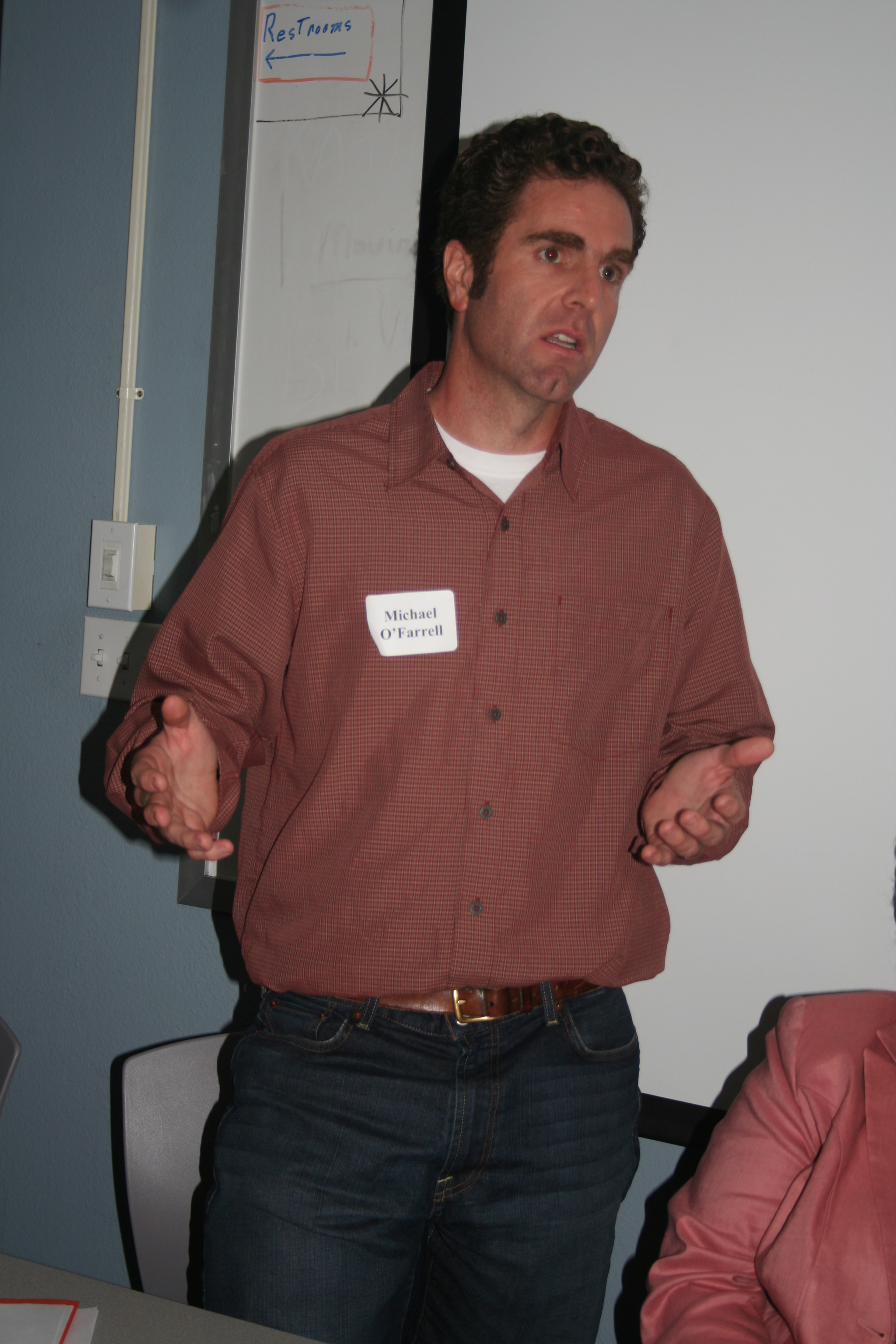
Photo: Michael O'Farrell of the National Marine Fisheries Service discusses Klamath and Sacramento River ocean harvest model results at the DFG salmon meeting in Santa Rosa on March 1.
Photo: Michael O'Farrell of the National Marine Fisheries Service discusses Klamath and Sacramento River ocean harvest model results at the DFG salmon meeting in Santa Rosa on March 1.
Federal government forecasts larger abundance of Sacramento salmon
By Dan Bacher
The National Marine Fisheries Service forecasts an ocean abundance of 729, 893 Sacramento fall chinooks this year, based on modeling derived from a 2010 jack (two-year-old) salmon spawning escapement to Central Valley rivers in 2010. Due to the increased salmon abundance, recreational and commercial fishermen are likely to see more liberal salmon season seasons on the California and southern California coast this year.
The numbers were released during the DFG’s annual informational salmon fishery meeting in Santa Rosa on March 1, an event during which officials from the National Marine Fisheries Service, Department of Fish and Game and the Pacific Fishery Management Council spoke to and listened to a packed room of recreational fishermen and commercial fishermen.
“The salmon fishery is definitely going in the right direction – we’re more optimistic about the fishery’s recoverd than over the past few years,” said Craig Stone, owner of the Emeryville Sportfishing Center. “Whereas last year recreational anglers were split over whether not to have a salmon season, I think everybody is behind us having a salmon season this year.”
The 125,300 Sacramento River adult fall chinooks that returned to to spawn in 2010 included 43,360 fish that returned to the hatcheries and 89,654 salmon that spawned in Central Valley rivers. The 27,500 jacks included 15,482 hatchery fish and 14,699 river spawners.
This is an improvement over the 2009 and 2010 record low years, but still nowhere near normal for the river that has historically been the driver for West Coast salmon fisheries. The 10 year (1997-2006) pre-disaster return averaged roughly 475,000 fish.
A total of 798,770 adult chinooks, including 94,223 hatchery fish and 704,547 natural spawners, returned to the Sacramento River and its tributaries to spawn in 2002.
At the same time, the Sacramento adult winter chinook population, an endangered species, plummeted to only 1,596 fish in 2010, according to Brett Kornos of the California Department of Fish and Game.
The population, through a number of measures including changing of the operations of the Red Bluff Diversion Dam and the maintenance of cold water curtains on Shasta and Whiskeytown dams, steadily rose from only 200 adult fish in 1991 to 16,764 fish in 2006. However, the population then declined to 2,403 in 2007, 2,521 in 2007, 4,363 in 2009 and then 1,555 fish in 2010.
“Three or four years ago, we thought were over the hump,” said Craig Stone. “Now we’re back to square one. I hope we get to see the recovery of the winter run in my lifetime.”
To preserve this fragile population, the seasons will have to be crafted around avoiding impacts upon the winter run. Federal biologists recommended that be done through either raising the recreational size limit to 24 inches or reducing the length of the season – or a combination of both.
The management of this endangered species is in transition between a salmon management plan developed nearly two decades ago and a more recent biological opinion protecting Central Valley steelhead, Sacramento winter run and spring run chinook salmon, green sturgeon and the southern resident population of killer whales.
"We're concerned about what happens now to the winter run now that we've seen four straight years of low returns," said Dan Lawson, NMFS biologist. "The old thinking was that as long as the numbers are increasing, we can't be harming the winter run."
Lawson said that they are hoping to have a new management plan in operation by 2012. Meanwile, they will address the impacts upon winter run chinook by either having a shorter season or establishing a 24 inch size limit that minimizes any potential mortality to winter run chinooks. The winter run are found mostly from Point Arena in Mendocino County to Monterey.
“Three options will be developed in March and one will be chosen for each region in April,” added Dr. Michael O’Farrell of NMFS. “However, the fisheries will look more like they did in 2007, when the restraining stock was the Klamath rather than the Sacramento chinooks.”
The Central Valley spring chinook salmon population, after years of rising abundance due to the removal of dams and other habitat improvements on Butte Creek and other Sacramento River tributaries, has declined over the past few years also. A total of 4,612 fish, including 1,661 hatchery fish and 2,951 natural spawners, returned to the system in 2010. In contrast, an estimated 21,319 natural spawners and 4,052 adult hatchery fish came back in 2005.
The Sacramento River fall chinook run, the driver of West Coast salmon fisheries, declined from 798,770 adult chinooks in 2002 to only 39,530 fish in 2009. The unprecedented collapse prompted the federal and state governments to close recreational and commercial salmon fishing off the California and southern Oregon coast in 2008 and 2009. This closure caused economic devastation to coastal communities already besieged by the housing market crash and high unemployment levels.
Due to an improved ocean salmon forecast in 2010, a severely restrictive commercial season and short recreational season opened last year.
Factors figuring prominently in the Central Valley salmon and Delta pelagic (open water) species collapses include water exports from the Sacramento-San Joaquin River Delta, increases in toxic chemicals and ammonia discharges into Central Valley streams and the failure of the state of California to regulate agricultural water pollution. Ocean conditions also played a role in the Sacramento salmon crash.
More information on west coast salmon returns and ocean fisheries can be found online in the PFMC’s “Review of the 2010 Ocean Salmon Fisheries” at http://www.pcouncil.org/salmon/stock-assessment-and-fishery-evaluation-safe-documents/review-of-2010-ocean-salmon-fisheries/.
The March 1 meeting marks the beginning of a two month long management process used to establish ocean and river salmon seasons. A list of additional meetings to be held throughout the season setting process can be found on DFG’s website at http://www.dfg.ca.gov/marine/oceansalmon.asp
By Dan Bacher
The National Marine Fisheries Service forecasts an ocean abundance of 729, 893 Sacramento fall chinooks this year, based on modeling derived from a 2010 jack (two-year-old) salmon spawning escapement to Central Valley rivers in 2010. Due to the increased salmon abundance, recreational and commercial fishermen are likely to see more liberal salmon season seasons on the California and southern California coast this year.
The numbers were released during the DFG’s annual informational salmon fishery meeting in Santa Rosa on March 1, an event during which officials from the National Marine Fisheries Service, Department of Fish and Game and the Pacific Fishery Management Council spoke to and listened to a packed room of recreational fishermen and commercial fishermen.
“The salmon fishery is definitely going in the right direction – we’re more optimistic about the fishery’s recoverd than over the past few years,” said Craig Stone, owner of the Emeryville Sportfishing Center. “Whereas last year recreational anglers were split over whether not to have a salmon season, I think everybody is behind us having a salmon season this year.”
The 125,300 Sacramento River adult fall chinooks that returned to to spawn in 2010 included 43,360 fish that returned to the hatcheries and 89,654 salmon that spawned in Central Valley rivers. The 27,500 jacks included 15,482 hatchery fish and 14,699 river spawners.
This is an improvement over the 2009 and 2010 record low years, but still nowhere near normal for the river that has historically been the driver for West Coast salmon fisheries. The 10 year (1997-2006) pre-disaster return averaged roughly 475,000 fish.
A total of 798,770 adult chinooks, including 94,223 hatchery fish and 704,547 natural spawners, returned to the Sacramento River and its tributaries to spawn in 2002.
At the same time, the Sacramento adult winter chinook population, an endangered species, plummeted to only 1,596 fish in 2010, according to Brett Kornos of the California Department of Fish and Game.
The population, through a number of measures including changing of the operations of the Red Bluff Diversion Dam and the maintenance of cold water curtains on Shasta and Whiskeytown dams, steadily rose from only 200 adult fish in 1991 to 16,764 fish in 2006. However, the population then declined to 2,403 in 2007, 2,521 in 2007, 4,363 in 2009 and then 1,555 fish in 2010.
“Three or four years ago, we thought were over the hump,” said Craig Stone. “Now we’re back to square one. I hope we get to see the recovery of the winter run in my lifetime.”
To preserve this fragile population, the seasons will have to be crafted around avoiding impacts upon the winter run. Federal biologists recommended that be done through either raising the recreational size limit to 24 inches or reducing the length of the season – or a combination of both.
The management of this endangered species is in transition between a salmon management plan developed nearly two decades ago and a more recent biological opinion protecting Central Valley steelhead, Sacramento winter run and spring run chinook salmon, green sturgeon and the southern resident population of killer whales.
"We're concerned about what happens now to the winter run now that we've seen four straight years of low returns," said Dan Lawson, NMFS biologist. "The old thinking was that as long as the numbers are increasing, we can't be harming the winter run."
Lawson said that they are hoping to have a new management plan in operation by 2012. Meanwile, they will address the impacts upon winter run chinook by either having a shorter season or establishing a 24 inch size limit that minimizes any potential mortality to winter run chinooks. The winter run are found mostly from Point Arena in Mendocino County to Monterey.
“Three options will be developed in March and one will be chosen for each region in April,” added Dr. Michael O’Farrell of NMFS. “However, the fisheries will look more like they did in 2007, when the restraining stock was the Klamath rather than the Sacramento chinooks.”
The Central Valley spring chinook salmon population, after years of rising abundance due to the removal of dams and other habitat improvements on Butte Creek and other Sacramento River tributaries, has declined over the past few years also. A total of 4,612 fish, including 1,661 hatchery fish and 2,951 natural spawners, returned to the system in 2010. In contrast, an estimated 21,319 natural spawners and 4,052 adult hatchery fish came back in 2005.
The Sacramento River fall chinook run, the driver of West Coast salmon fisheries, declined from 798,770 adult chinooks in 2002 to only 39,530 fish in 2009. The unprecedented collapse prompted the federal and state governments to close recreational and commercial salmon fishing off the California and southern Oregon coast in 2008 and 2009. This closure caused economic devastation to coastal communities already besieged by the housing market crash and high unemployment levels.
Due to an improved ocean salmon forecast in 2010, a severely restrictive commercial season and short recreational season opened last year.
Factors figuring prominently in the Central Valley salmon and Delta pelagic (open water) species collapses include water exports from the Sacramento-San Joaquin River Delta, increases in toxic chemicals and ammonia discharges into Central Valley streams and the failure of the state of California to regulate agricultural water pollution. Ocean conditions also played a role in the Sacramento salmon crash.
More information on west coast salmon returns and ocean fisheries can be found online in the PFMC’s “Review of the 2010 Ocean Salmon Fisheries” at http://www.pcouncil.org/salmon/stock-assessment-and-fishery-evaluation-safe-documents/review-of-2010-ocean-salmon-fisheries/.
The March 1 meeting marks the beginning of a two month long management process used to establish ocean and river salmon seasons. A list of additional meetings to be held throughout the season setting process can be found on DFG’s website at http://www.dfg.ca.gov/marine/oceansalmon.asp
Add Your Comments
We are 100% volunteer and depend on your participation to sustain our efforts!
Donate

$110.00 donated
in the past month
Get Involved
If you'd like to help with maintaining or developing the website, contact us.
Publish
Publish your stories and upcoming events on Indybay.
Topics
More
Search Indybay's Archives
Advanced Search
►
▼
IMC Network