







 Publish to Newswire
 Add an Event
From the Open-Publishing Calendar
From the Open-Publishing Newswire
Indybay Feature
The Haunting of Mission Santa Cruz, Mexico, 1708 to 1876, Volume 3: The Haunted Temple
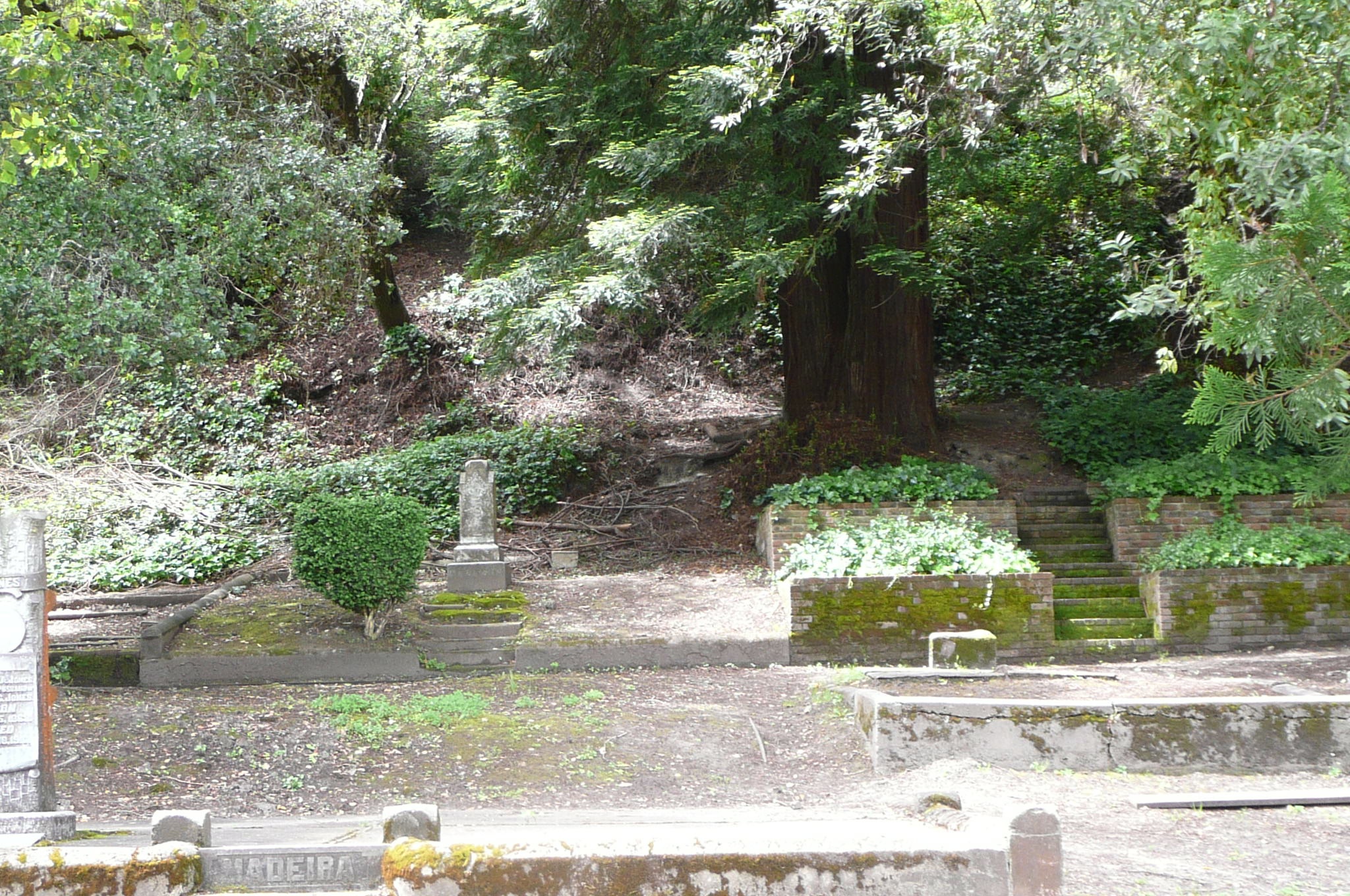
Lonergan & Guerisoli Books are announcing Volume 3 of their archaeological work on the real history of Mission Santa Cruz, when it was Mexico and how the California land grabs unfolded between 1876-1907 through a series of moves and reorientation. The book has 70 antique photos of early Santa Cruz properties showing a series of moves where the buildings (such as the adobe bricks of Mission Santa Cruz) were removed and separated from its church-side cemeteries, and the headstones (but not the people) were removed into significant (destroyed) places...to create a series of haunting. The audio files are about 2 hours long, with interviews on the book detailing the murder of the Castro heirs and the lynching of the Mexican-Spanish Governor J. Joe Castro on April 22, 1876.
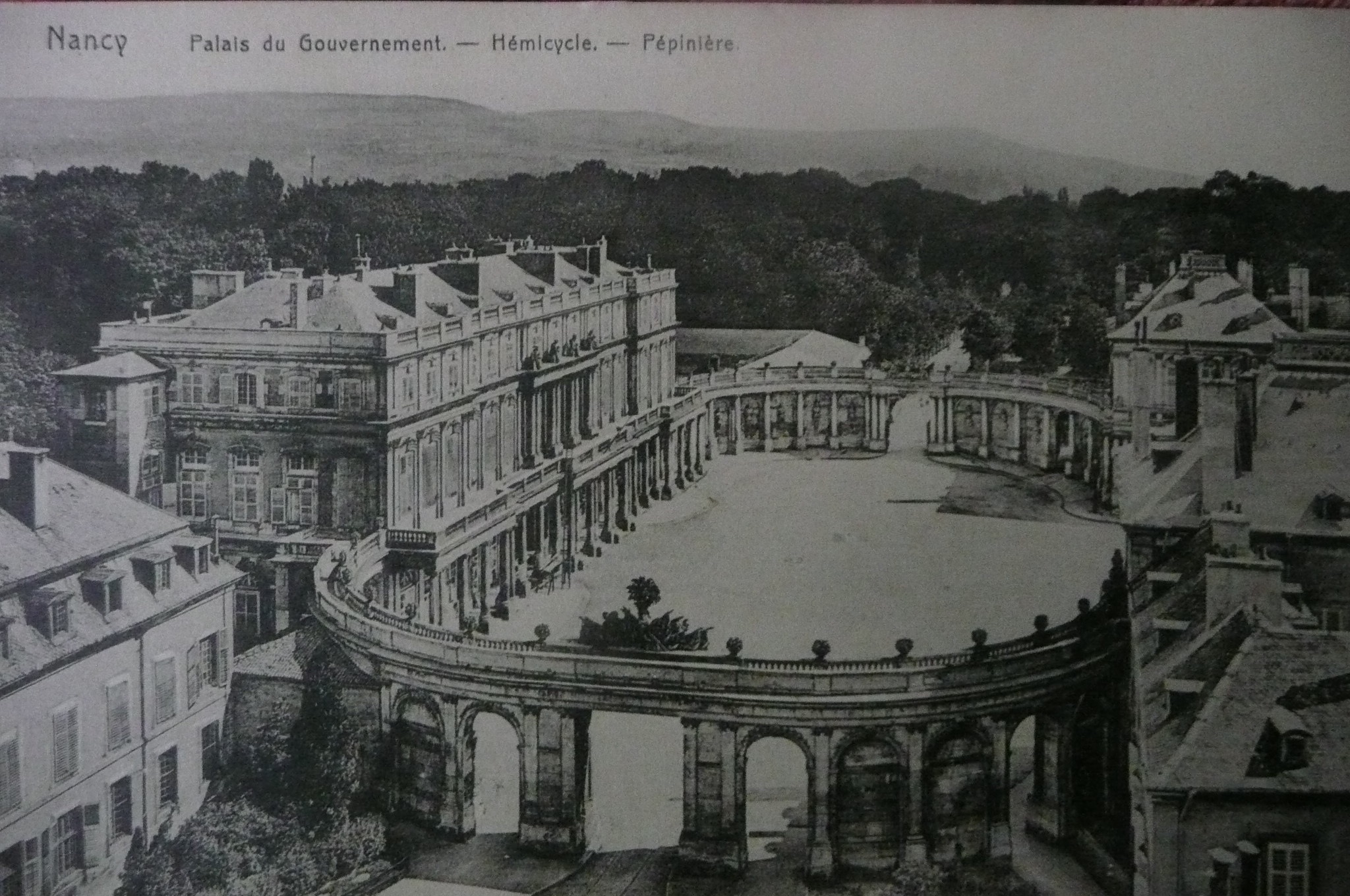
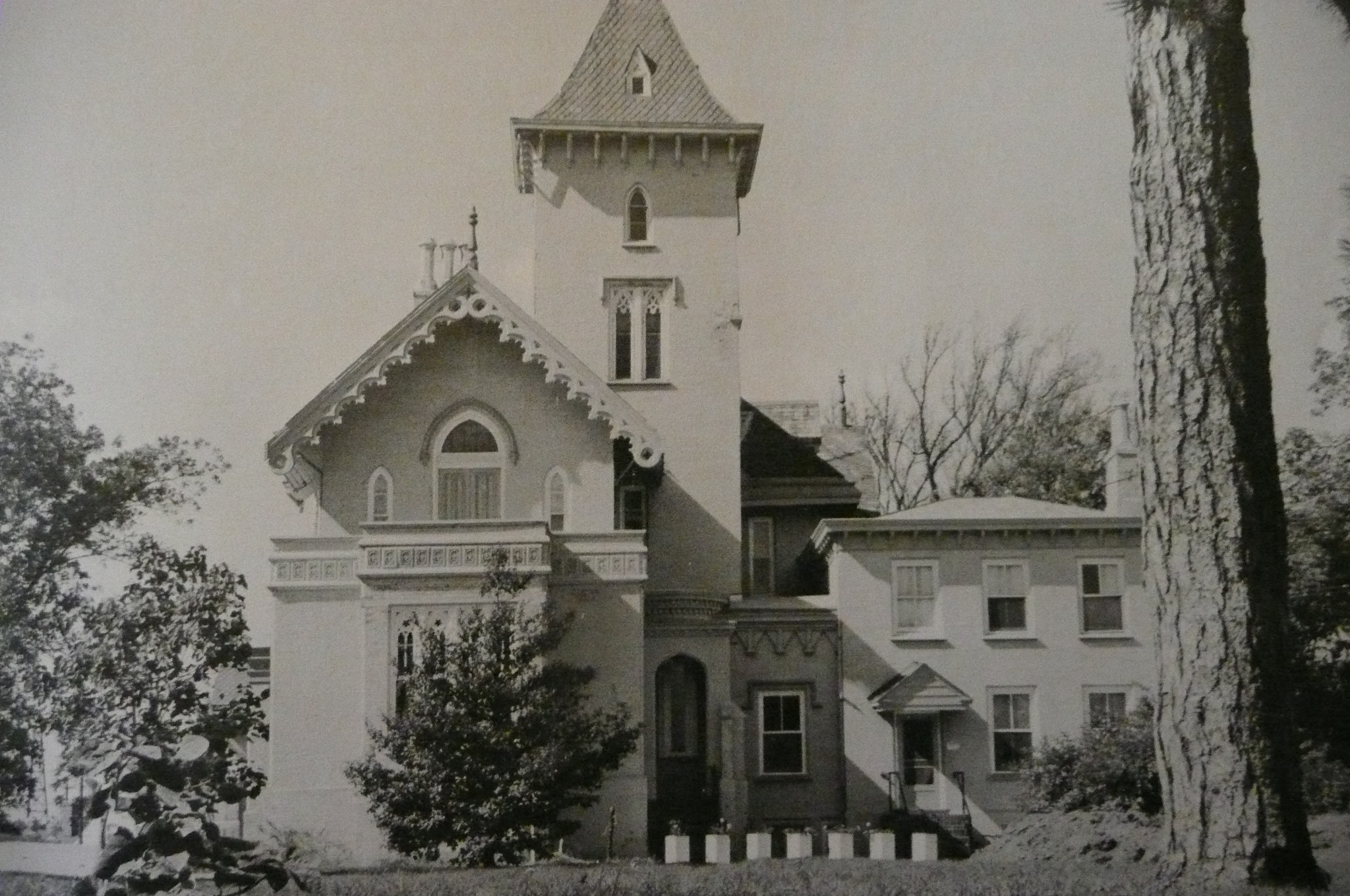
Santa Cruz is a city on the Northern coast of the Western United States, and formerly Mexican and Spanish-held territory. American-Saxon, Scottish Freemasons, and x-Civil War Veterans would work to demolish and rebuild everything built by the Franciscans of the de Anza Expeditions after 1876. The turn-of-the-century reconstructions included a series of inversions (“city planning”) where there was a deliberate shifting of the material artifacts of antiquity to reshape the way people traverse and relate within the City of Santa Cruz. For example, the Governmental Palace of Nancy ("Nisene") was at the Mesquite (aka, now Rispin Mansion) and has been in ruins since 1960. Main pieces (pillars, windows and bricks) of this mansion were used to construct the new Santa Cruz post-office in 1928. There is 7 feet of rubble under the road, library and ruins in Capitola (which will never be rebuilt for the true history could emerge).
In Books 1 & 2, the murders of the Castro heirs and the dismantling of the famous 100-room luxury hotel the Magnolia Rose had created a series of haunting. In Book 3, we will see that Capitola was also a Capitola of old Rome on the Tarpeian Rock, where there stood a temple (first to Jupiter, then to the Musselmans, then overtaken by King David, the Spanish Red Collars, the Saxons, etc.) where a sacred building (now the RISPIN MANSION) once stood which was accessed by waterway from the Magnolia Rose (a mansion that supposedly burned down, but is in 5 pieces distributed in Santa Cruz, See Book 1). The Temple or Meschita came to be used as a Governmental Palace under the Southern Spanish in Mexico from 1623 to 1876.
The Rispin Mansion of Capitola ruins at Soquel Creek are still known today as a Butterfly Reserve (Latin, “Pamfilio of Naris”). Nisene Marks is also a State Park in the bordering City of Soquel, California. Nisese comes from the Latin “Naris” or “Nancy”, which means: “to stumble upon” or “find” and was a river of the Tiber. Monterey, California (old Mexico) was once a town of Latium (Latin-controlled Rome) under Tiberius or Tiburcio Casear, founder of Tibur (Herbert, 1897). “Marks” refers to “Mars”, the Roman god of War. Capitola, California was the location of the old city of “Panfilio of the Red Collars”, the Southern Spanish Royalists running the Mesquite in the (old Mexican) city of Pan. Pan, or “Pana”, was the god of Wood, and Panfilia means “Butterfly”.
Mission Santa Cruz was a sacred mountain at the Northern-most end of the Camino Real (Spanish, “Royal Road”) and was re-built by the Vispanic Franciscans and Basque, and the Moors of Castro-Moraga who came on the Anzarin Expeditions from 1629 to 1767. The “Moors of Charlemagne” came from as far as Constantinople, and pilgrims came from all over the world to the “Seven Cities and Rivers of Gold”. Each mountain in Santa Cruz had a main river flowing from the Soquel Mountains to the Pacific Sea (San Lorenzo River, Branciforte Creek, Arana Gulch, Valencia Creek, Soquel Creek, Aptos Beach River, etc). Soquel comes from “Xochitl” and means “Flower” in Nahuatl.
The land grab was done by Mormon (“Norman”) colonizers and Freemasons after 1876, who followed a pattern in the “conquest” of directionality and orientation of original Spanish-Mexican by shifting everything, with a focus on the altering and closing off the original directions of port entrances, buildings, doorways and roads. The President of the San Francisco Stock Exchange in 1876 was Claus Spreckles himself (with a name change to “Keene”), who was one of the main lynch-men of the Governor Joe Castro on April 22, 1876. He signed in to the Magnolia Rose with the “minister” and Real-Estate Baron, Alfred F. Joseph Hinds (Heinz) and M.L. Bean (Samuel Prescott Bush), and the Heinz sons (from the missing Carmen Pacheco Hubberd of Davenport), known as the Henry Williamsons of Felton.
The Aptos Museum on State Park has the original Hotel Register now know as the “Spreckles Hotel” roster (and Claus Spreckels was the 666th person to sign in). Go ask to see it!! “Spreckels” is another allusion to “SPECK-LESS”, but he was really a land grabber of the Castro’s properties with the Congregational Minister, A. F. Heins and his last wife, the famous Mary Armory Case, aka Ms. Winchester of the so-called Winchester mansion of San Jose. San José was the Capitol of North Mexico until 1832. The Winchester is totally built upside down.
This old mansion was build on the San Antonio land grant to Maria Antonia Castro Alviso and is UPSIDE-DOWN and haunted by Luis Maria Valenzia Urbe Gaditano, son of the assassinated Mexican President Augustine Iturbide (d. 1823) and the Empress of Mexico, Maria Pilar de La Luz Munoz (d. 1832, Mission Dolores, San Francisco). Both of these famous people were hidden by José Joaquin Castro Moraga, the owner of the San Andres Land Grant (Santa Cruz, Villa de Branciforte) from 1808 to his death in 1838.
Mission Santa Cruz is a sacred mountain at the Northern-most end of the Camino Real (Spanish, “Royal Road”) and was re-built by the Vispanic Franciscans and Basque, and the Moors of Castro-Moraga who came on the Anzarin Expeditions from 1629 to 1767. The “Moors of Charlemagne” came from as far as Constantinople, and pilgrims came from all over the world to the “Seven Cities and Rivers of Gold”. Each mountain in Santa Cruz had a main river flowing from the Soquel Mountains to the Pacific Sea (San Lorenzo River, Branciforte Creek, Arana Gulch, Valencia Creek, Soquel Creek, Aptos Beach River, etc). Soquel comes from “Xochitl” and means “Flower” in Nahuatl.
“The Haunted Temple” is our third picture book (on amazon.com) of the history and the archaeology of Santa Cruz del Monte Veros Mountains. “Del Monte Veros” means … “of the Mountain of Truth”, and the truth of “the House of God” was deliberately destroyed. The “Del Monte” Ketchup Empire was taken over by “Heinz” Ketchup Corporation between 1840 and 1876. Enjoy!
In Books 1 & 2, the murders of the Castro heirs and the dismantling of the famous 100-room luxury hotel the Magnolia Rose had created a series of haunting. In Book 3, we will see that Capitola was also a Capitola of old Rome on the Tarpeian Rock, where there stood a temple (first to Jupiter, then to the Musselmans, then overtaken by King David, the Spanish Red Collars, the Saxons, etc.) where a sacred building (now the RISPIN MANSION) once stood which was accessed by waterway from the Magnolia Rose (a mansion that supposedly burned down, but is in 5 pieces distributed in Santa Cruz, See Book 1). The Temple or Meschita came to be used as a Governmental Palace under the Southern Spanish in Mexico from 1623 to 1876.
The Rispin Mansion of Capitola ruins at Soquel Creek are still known today as a Butterfly Reserve (Latin, “Pamfilio of Naris”). Nisene Marks is also a State Park in the bordering City of Soquel, California. Nisese comes from the Latin “Naris” or “Nancy”, which means: “to stumble upon” or “find” and was a river of the Tiber. Monterey, California (old Mexico) was once a town of Latium (Latin-controlled Rome) under Tiberius or Tiburcio Casear, founder of Tibur (Herbert, 1897). “Marks” refers to “Mars”, the Roman god of War. Capitola, California was the location of the old city of “Panfilio of the Red Collars”, the Southern Spanish Royalists running the Mesquite in the (old Mexican) city of Pan. Pan, or “Pana”, was the god of Wood, and Panfilia means “Butterfly”.
Mission Santa Cruz was a sacred mountain at the Northern-most end of the Camino Real (Spanish, “Royal Road”) and was re-built by the Vispanic Franciscans and Basque, and the Moors of Castro-Moraga who came on the Anzarin Expeditions from 1629 to 1767. The “Moors of Charlemagne” came from as far as Constantinople, and pilgrims came from all over the world to the “Seven Cities and Rivers of Gold”. Each mountain in Santa Cruz had a main river flowing from the Soquel Mountains to the Pacific Sea (San Lorenzo River, Branciforte Creek, Arana Gulch, Valencia Creek, Soquel Creek, Aptos Beach River, etc). Soquel comes from “Xochitl” and means “Flower” in Nahuatl.
The land grab was done by Mormon (“Norman”) colonizers and Freemasons after 1876, who followed a pattern in the “conquest” of directionality and orientation of original Spanish-Mexican by shifting everything, with a focus on the altering and closing off the original directions of port entrances, buildings, doorways and roads. The President of the San Francisco Stock Exchange in 1876 was Claus Spreckles himself (with a name change to “Keene”), who was one of the main lynch-men of the Governor Joe Castro on April 22, 1876. He signed in to the Magnolia Rose with the “minister” and Real-Estate Baron, Alfred F. Joseph Hinds (Heinz) and M.L. Bean (Samuel Prescott Bush), and the Heinz sons (from the missing Carmen Pacheco Hubberd of Davenport), known as the Henry Williamsons of Felton.
The Aptos Museum on State Park has the original Hotel Register now know as the “Spreckles Hotel” roster (and Claus Spreckels was the 666th person to sign in). Go ask to see it!! “Spreckels” is another allusion to “SPECK-LESS”, but he was really a land grabber of the Castro’s properties with the Congregational Minister, A. F. Heins and his last wife, the famous Mary Armory Case, aka Ms. Winchester of the so-called Winchester mansion of San Jose. San José was the Capitol of North Mexico until 1832. The Winchester is totally built upside down.
This old mansion was build on the San Antonio land grant to Maria Antonia Castro Alviso and is UPSIDE-DOWN and haunted by Luis Maria Valenzia Urbe Gaditano, son of the assassinated Mexican President Augustine Iturbide (d. 1823) and the Empress of Mexico, Maria Pilar de La Luz Munoz (d. 1832, Mission Dolores, San Francisco). Both of these famous people were hidden by José Joaquin Castro Moraga, the owner of the San Andres Land Grant (Santa Cruz, Villa de Branciforte) from 1808 to his death in 1838.
Mission Santa Cruz is a sacred mountain at the Northern-most end of the Camino Real (Spanish, “Royal Road”) and was re-built by the Vispanic Franciscans and Basque, and the Moors of Castro-Moraga who came on the Anzarin Expeditions from 1629 to 1767. The “Moors of Charlemagne” came from as far as Constantinople, and pilgrims came from all over the world to the “Seven Cities and Rivers of Gold”. Each mountain in Santa Cruz had a main river flowing from the Soquel Mountains to the Pacific Sea (San Lorenzo River, Branciforte Creek, Arana Gulch, Valencia Creek, Soquel Creek, Aptos Beach River, etc). Soquel comes from “Xochitl” and means “Flower” in Nahuatl.
“The Haunted Temple” is our third picture book (on amazon.com) of the history and the archaeology of Santa Cruz del Monte Veros Mountains. “Del Monte Veros” means … “of the Mountain of Truth”, and the truth of “the House of God” was deliberately destroyed. The “Del Monte” Ketchup Empire was taken over by “Heinz” Ketchup Corporation between 1840 and 1876. Enjoy!
For more information:
https://www.createspace.com/3472885
Add Your Comments
Comments
(Hide Comments)
Now only will they knock your building down, they move a hill on top of it. Those pictures don't match at all. This appears to to be full of bunk.
Nisene Marks State Park is in Aptos, not Soquel.
This is pure fantasy OR "history by crazy folks". Complete gibberish.
Links to website don't work, nor is the audio at "radio4all".
I thought this looked and read a bit odd myself. But it was discussed on free radio as well as other issues. http://www.radio4all.net/index.php/program/38983
"In the second hour, Julia Lonergan, author of "The Haunting of Mission Santa Cruz 1708-1876", we learned the untold story of Mission Santa Cruz, presently the city of Santa Cruz. During this time California was Mexico and many royal Mexican and Spanish families of the peninsulares that governed California in the post war period, 1848-1876 were murdered."
"In the second hour, Julia Lonergan, author of "The Haunting of Mission Santa Cruz 1708-1876", we learned the untold story of Mission Santa Cruz, presently the city of Santa Cruz. During this time California was Mexico and many royal Mexican and Spanish families of the peninsulares that governed California in the post war period, 1848-1876 were murdered."
Thought I'd try to make a drinking game out of it. After nine pages (just the introduction!) there were so many errors that I almost puked in the shower.
The low points...
Title page: Shows picture of Sea Beach Hotel, in Santa Cruz.
Page 1: "Jose Joaquin Castro (JJC) became Governor around 1800" Jose Antonio Castro was appointed Governor in 1835.
Page 2: "Mission Alviso"? Really?
Page 2: Wrong Saint Lawrence
Page 2: The Austro-Hungarian Empire was in the 1800s, not 1200s.
Page 3: California had been a state for 30 years at that point. Why was Spain still governing it?
Page 4: JJC had been dead for at least 40 years before Capitola even existed.
Page 4: "Mission Alviso" again, really?
Page 5: JJC did not build the Bay View in Aptos. (still dead)
Page 5: Jose Joe Castro not Governor of Ca. in 1850 or 1853
Page 7: How does one start a Victorian style building in 1833?
Page 7: Santa Cruz incorporated in 1866, first city charter in 1876 - not 1878 as in book.
Page 8: Hotel photo dates from c.1903 not 1876
Page 9: all buildings claimed to be part of the "Magnolia Rose" (nice Spanish/Mexican name there btw) were built before it.
Drink!
Anyway, in a land of cheap lumber and skilled labor, why would you want to move large chunks of building over 4 miles (straight line) over dirt roads and crossing 2 creeks and a large river on iffy bridges? Cui bono? Just asking that, the whole premise of the book goes out the window.
Lastly, there is a time line on page 38 and 39. again just the low points.
1794: JJC (born 1722) marries.
1798: JJC retires from army.
1818: JJC mayor of Santa Cruz Mission
1822: JJC becomes military commander of Alta California
1823 and 1829: JJC has 3 kids by what looks like 3 different women
1838: "Jose Joaquin dies, age unknown" [sic] a ripe old age of 116 if you look at the start of the time line.
I would love to have either or both authors respond with where they found their sources. There are only 7 things listed in the references section, and only one of those has to do with Santa Cruz History. They claim there was/is a cover up worthy of the Kennedys. I don't buy it, and the book is too error filled to convince me.
The low points...
Title page: Shows picture of Sea Beach Hotel, in Santa Cruz.
Page 1: "Jose Joaquin Castro (JJC) became Governor around 1800" Jose Antonio Castro was appointed Governor in 1835.
Page 2: "Mission Alviso"? Really?
Page 2: Wrong Saint Lawrence
Page 2: The Austro-Hungarian Empire was in the 1800s, not 1200s.
Page 3: California had been a state for 30 years at that point. Why was Spain still governing it?
Page 4: JJC had been dead for at least 40 years before Capitola even existed.
Page 4: "Mission Alviso" again, really?
Page 5: JJC did not build the Bay View in Aptos. (still dead)
Page 5: Jose Joe Castro not Governor of Ca. in 1850 or 1853
Page 7: How does one start a Victorian style building in 1833?
Page 7: Santa Cruz incorporated in 1866, first city charter in 1876 - not 1878 as in book.
Page 8: Hotel photo dates from c.1903 not 1876
Page 9: all buildings claimed to be part of the "Magnolia Rose" (nice Spanish/Mexican name there btw) were built before it.
Drink!
Anyway, in a land of cheap lumber and skilled labor, why would you want to move large chunks of building over 4 miles (straight line) over dirt roads and crossing 2 creeks and a large river on iffy bridges? Cui bono? Just asking that, the whole premise of the book goes out the window.
Lastly, there is a time line on page 38 and 39. again just the low points.
1794: JJC (born 1722) marries.
1798: JJC retires from army.
1818: JJC mayor of Santa Cruz Mission
1822: JJC becomes military commander of Alta California
1823 and 1829: JJC has 3 kids by what looks like 3 different women
1838: "Jose Joaquin dies, age unknown" [sic] a ripe old age of 116 if you look at the start of the time line.
I would love to have either or both authors respond with where they found their sources. There are only 7 things listed in the references section, and only one of those has to do with Santa Cruz History. They claim there was/is a cover up worthy of the Kennedys. I don't buy it, and the book is too error filled to convince me.
The book reminds me of this sequence in Will Ferrell's Anchorman movie...
Ron Burgundy: Discovered by the Germans in 1904, they named it San Diego, which of course in German means a whale's vagina.
Veronica Corningstone: No, there's no way that's correct.
Ron Burgundy: I'm sorry, I was trying to impress you. I don't know what it means. I'll be honest, I don't think anyone knows what it means anymore. Scholars maintain that the translation was lost hundreds of years ago.
Veronica Corningstone: Doesn't it mean Saint Diego?
Ron Burgundy: No. No.
Veronica Corningstone: No, that's - that's what it means. Really.
Ron Burgundy: Agree to disagree.
Ron Burgundy: Discovered by the Germans in 1904, they named it San Diego, which of course in German means a whale's vagina.
Veronica Corningstone: No, there's no way that's correct.
Ron Burgundy: I'm sorry, I was trying to impress you. I don't know what it means. I'll be honest, I don't think anyone knows what it means anymore. Scholars maintain that the translation was lost hundreds of years ago.
Veronica Corningstone: Doesn't it mean Saint Diego?
Ron Burgundy: No. No.
Veronica Corningstone: No, that's - that's what it means. Really.
Ron Burgundy: Agree to disagree.
I really am getting tired of the glorification of the Mexican Empire. The Dons and other nobles subjugated and oppressed the native peoples worse than the Americans ever could. The people who are arguing about how the Mexicans were here first probably would have been the serfs who were robbed and killed by the Mexican upper classes. Mexico stole the land from the people they found here and truth be told those folks displaced someone else. It is what it is NOW get over it and move on to making it a better place for all.
We are 100% volunteer and depend on your participation to sustain our efforts!
Donate

$110.00 donated
in the past month
Get Involved
If you'd like to help with maintaining or developing the website, contact us.
Publish
Publish your stories and upcoming events on Indybay.
Topics
More
Search Indybay's Archives
Advanced Search
►
▼
IMC Network