







 Publish to Newswire
 Add an Event
From the Open-Publishing Calendar
From the Open-Publishing Newswire
Indybay Feature
Peralta Colleges Propose 'free speech zones', critics say proposal will limit protest
A proposal at the Peralta Colleges to establish “free speech zones” has evoked Orwellian visions of the campuses’ futures. Yet others see the proposal as a necessary procedure to protect free speech.
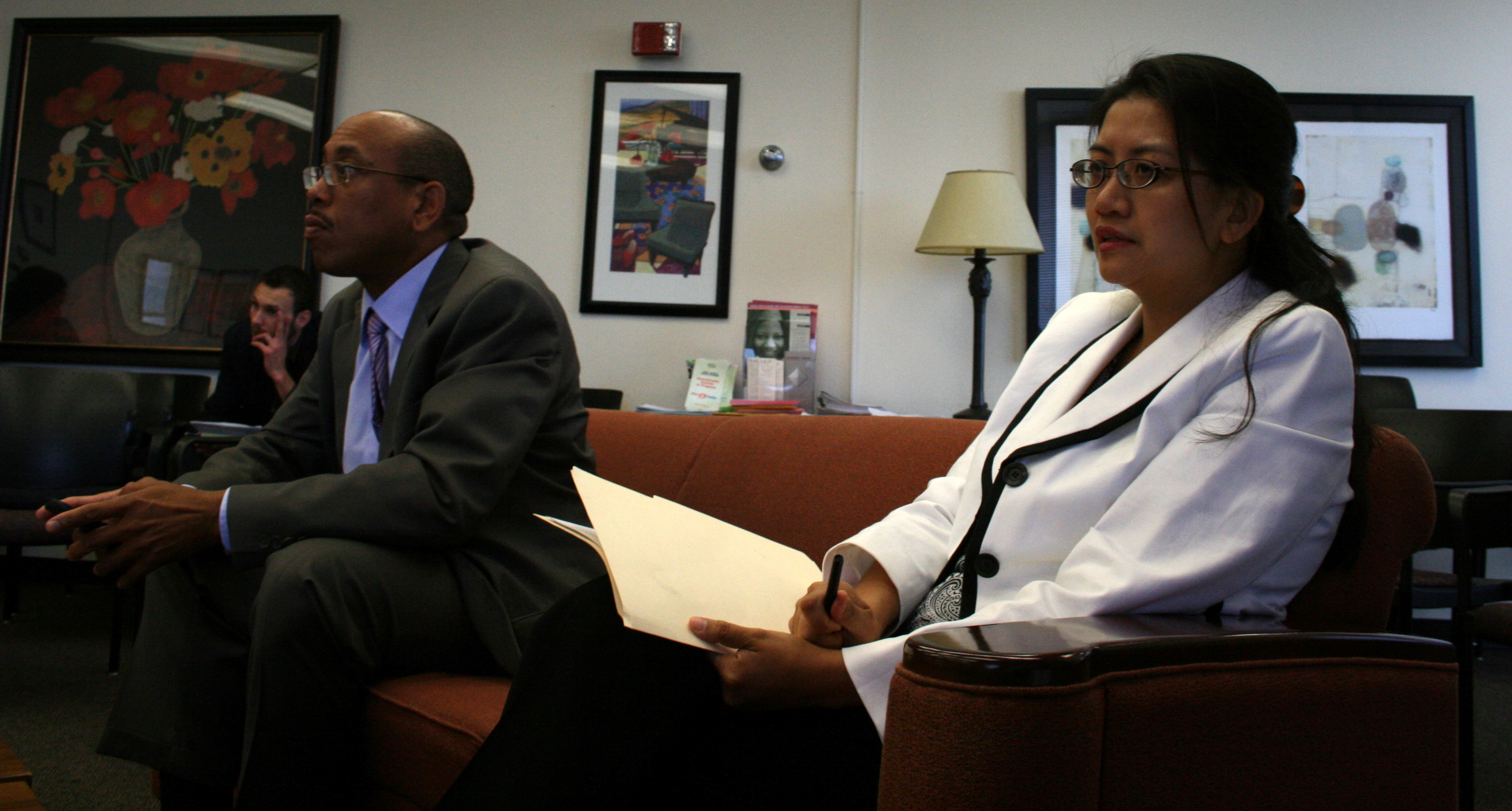
George Orwell’s novel, 1984, described a world of an oppressive totalitarian regime, extreme government surveillance and an erosion of citizen’s rights.
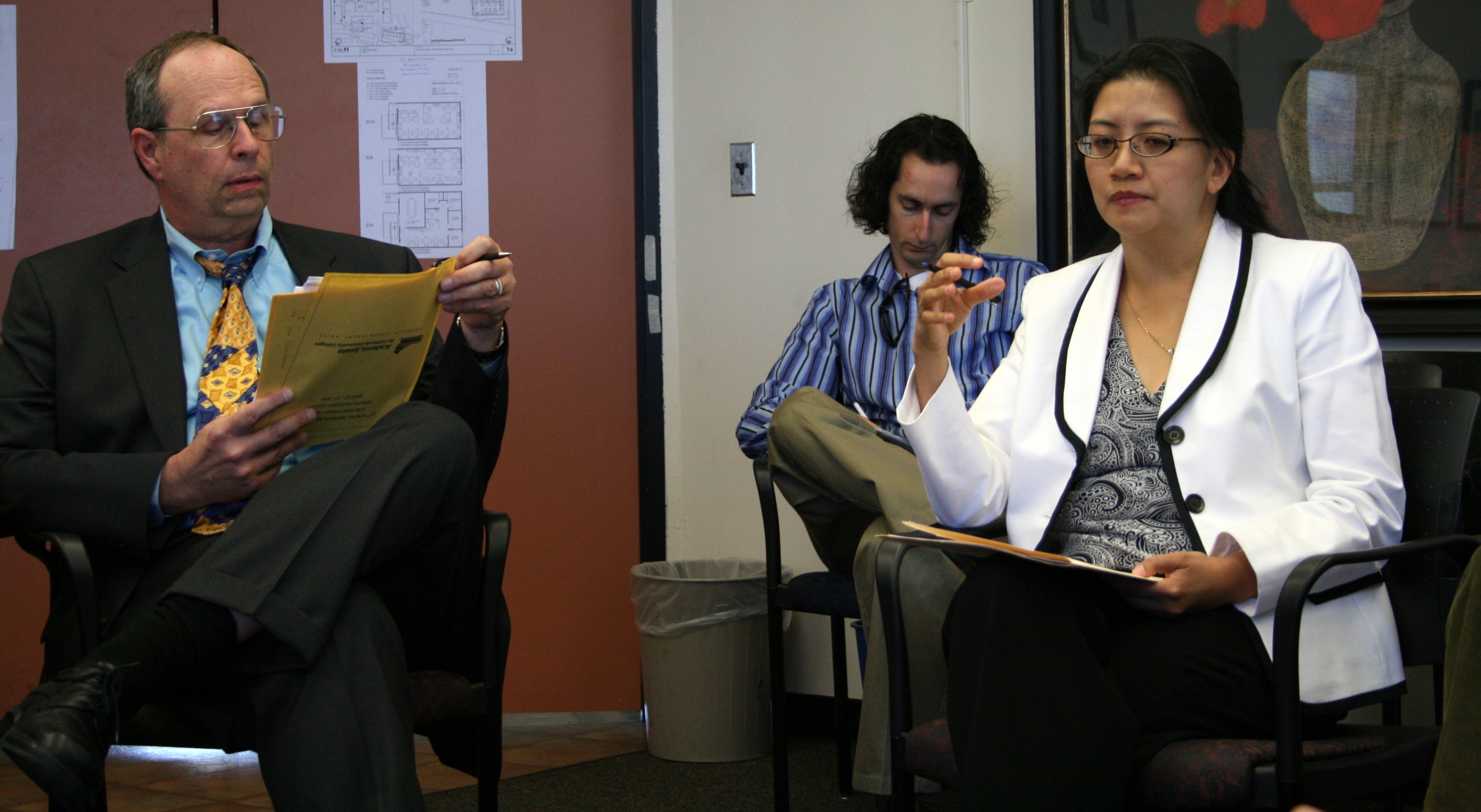
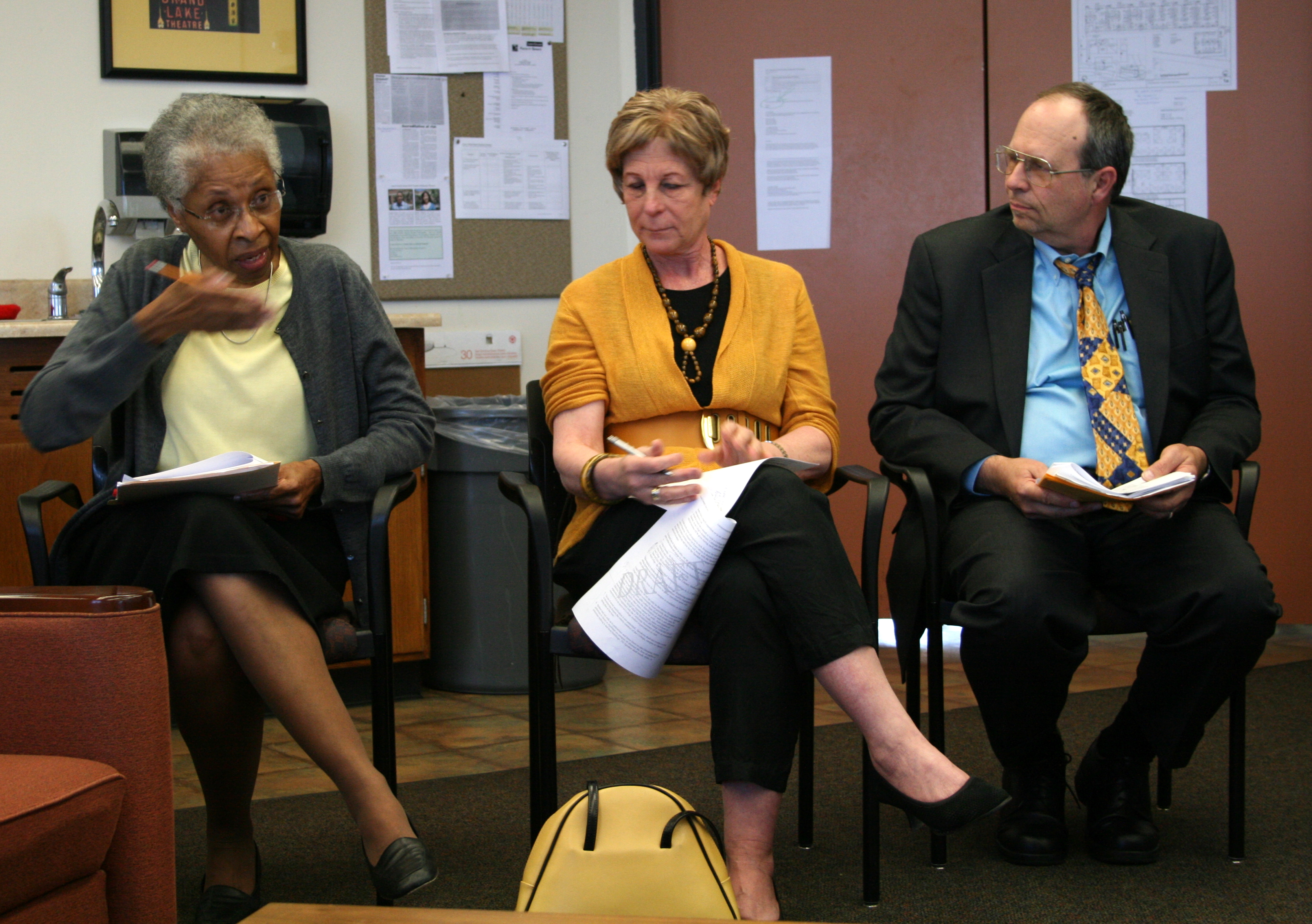
A proposal at the Peralta Colleges to establish “free speech zones” has evoked Orwellian visions of the campuses’ futures. Yet others see the proposal as a necessary procedure to protect free speech. The proposal first saw the light at a town hall meeting at Laney College on May 12.
The proposal is the result of ongoing district litigation with an anti-abortion group that was removed from COA in 2008, according to Peralta General Counsel Thuy Nguyen, who said she expected a decision on the case soon.
"If there is any light at the end of the tunnel, it is that there's an ability to coexist," Nguyen said.
The tone of the town hall quickly changed when an attorney representing the faculty union called the proposal "an abomination."
"Martin Luther King would have been in violation of this (proposal) the moment he spoke," said Bob Bezemek, legal counsel for the Peralta Federation of Teachers, who has threatened to sue if the procedure is implemented.
The draft “Administrative Procedures (AP) 5550 – Speech: Time, Place, and Manner” will regulate public “speech activities” on campus. Individuals and organizations from the community that “wish to table, display materials, petition, engage in public address, distribute literature and/or post flyers” would have to comply with the proposed regulations.
Speakers would be limited to the 150 foot x 150 foot main quad at Laney College, as well as the outdoor quads at COA and Merritt College, and the Student Lounge on the fifth floor at Berkeley City College. “While engaging in speech activities,” according to the proposal, “speakers must remain in these specified areas only.”
Groups would also have to reserve a space three business days in advance., and requests would be granted on first-come first basis, according to the procedure. Fliers could no longer be posted onto windows and walls, and would be restricted to bulletin boards. All fliers would also require an English translation.
“Historically, free speech zones have been used by those in power to limit free speech,” Matthew Goldstein, co-chair of the Laney College English Department said in an interview before the forum. He referenced the ‘free speech zones’ set up by war criminal and former U.S. President George W. Bush’s administration, critics called, “free speech cages.”
Speakers would be required to submit a "Request for Reservation" form to the Student Activities Advisor of the College they wanted to speak.
“This means that those who determine who gets to use the free speech zones get to decide what speech is permissible,” Goldstein added. “A politically and morally intolerable state of affairs.”
The draft proposal states, "The Request for Reservation does not involve any review or approval of the content of the speaker's speech activity."
Requests for non-students to come on campus would have to be made three days in advance and will be made on first-come first basis, according to the procedure. The requests could be denied if the request conflicts with another reservation or previously scheduled student activities, or during finals week.
The proposed designated areas are the individual main quads at College of Alameda, Laney College and Merritt College, and the Student Lounge at Berkeley City College.
“The purpose (of the policy) is to clarify and define rights on free speech and assembly” on the campuses, according to General Counsel Thuy Nguyen, who wrote the procedure. She added that the policy – which has been in the works for some time – was brought about by the recent, controversial anti-abortion demonstrators at Laney College and COA. “We had a few instances at two of our colleges around rights of anti-abortion protesters,” Nguyen said.
In 2008, three members of an anti-abortion group, “Survivors of the Abortion Holocaust,” were arrested at COA and charged with trespassing. The arrests led to litigation between the group and Peralta. In March, Laney College students and staff complained when an anti-abortion group came on campus with huge banners with images of aborted fetuses. The protesters also harassed people walking through the quad by taking their photos and posting them on Facebook and Twitter.
“In light of our experience in March with the abortion folks and their tactics that offended a lot of people,” Laney College Vice President of Student Services Dr. Donald Moore said in an interview, “the college is committed to having free speech. But how do you have it at a community college with various interests?” Moore asked. “Some believe these people (anti-abortion group) should be banned.”
Some Peralta employees said the language was ambiguous, while others said it provided needed guidelines to ensure the safety of students and employees.
Laney College librarian Margaret Traylor, who wrote a letter of protest following the incident, said the proposal created needed guidelines to balance free speech and the safety of the campus community.
"Even if the Tea Party came on campus, I wouldn't object," Traylor said. "Everything in this world needs a guideline." Referring to the incident on March 8, she said, "Some people were threatened and intimidated" by the protesters.
The forum was held at the same time as an ASLC discussion meeting, and just four students were in attendance.
"Seems like we're attacking our students for something they didn't have anything to do with," said Laney student Stewart Jollymore. "The issue is involving people not apart of the college coming on campus."
Nguyen responded that on one campus, students are required to reserve space at least two weeks in advance.
"Ultimately, the board and district have to take a position on protesters," Nguyen said. "They have gave me direction to honor free speech to the fullest extent."
Requests for permission to speak on campus could be denied if the request conflicts with another reservation, previously scheduled student activities, or during finals week. Even though speakers cannot be banned from campus based on their message, administrators can forbid speech activities deemed disruptive or in "defiance of the authority of district officials."
Many students, like Alessandro Tinonga note that the proposal is being floated at the same time students are protesting trustees and administrators. Since the fall of 2009 semester, there have been numerous protests at the district's board meetings, as well as the March 4 Day of Action.
Goldstein said, “Grownups need to understand that free speech can be ugly and irresponsible at times, but that tolerating all types of speech – event that (especially that) which offends us – is absolutely fundamental in a democracy.”
Both Moore and Goldstein recognize the policy raises concerns about academic freedom.
Student representatives contacted for comment were not familiar with the proposal. The policy also regulates posting of literature on campus, although most Student Activities offices already have policies.
The policy does not mention military recruiters, who have had an increased presence on campus this past year and have also placed advertisements in the student newspaper, the Laney Tower.
According to Nguyen, Peralta's attorneys in the COA lawsuit drafted the proposed language three months ago, prior to the March 4 protests, the anti-abortion protest at Laney College and the April 13 protest that shutdown a trustees meeting.
A proposal at the Peralta Colleges to establish “free speech zones” has evoked Orwellian visions of the campuses’ futures. Yet others see the proposal as a necessary procedure to protect free speech. The proposal first saw the light at a town hall meeting at Laney College on May 12.
The proposal is the result of ongoing district litigation with an anti-abortion group that was removed from COA in 2008, according to Peralta General Counsel Thuy Nguyen, who said she expected a decision on the case soon.
"If there is any light at the end of the tunnel, it is that there's an ability to coexist," Nguyen said.
The tone of the town hall quickly changed when an attorney representing the faculty union called the proposal "an abomination."
"Martin Luther King would have been in violation of this (proposal) the moment he spoke," said Bob Bezemek, legal counsel for the Peralta Federation of Teachers, who has threatened to sue if the procedure is implemented.
The draft “Administrative Procedures (AP) 5550 – Speech: Time, Place, and Manner” will regulate public “speech activities” on campus. Individuals and organizations from the community that “wish to table, display materials, petition, engage in public address, distribute literature and/or post flyers” would have to comply with the proposed regulations.
Speakers would be limited to the 150 foot x 150 foot main quad at Laney College, as well as the outdoor quads at COA and Merritt College, and the Student Lounge on the fifth floor at Berkeley City College. “While engaging in speech activities,” according to the proposal, “speakers must remain in these specified areas only.”
Groups would also have to reserve a space three business days in advance., and requests would be granted on first-come first basis, according to the procedure. Fliers could no longer be posted onto windows and walls, and would be restricted to bulletin boards. All fliers would also require an English translation.
“Historically, free speech zones have been used by those in power to limit free speech,” Matthew Goldstein, co-chair of the Laney College English Department said in an interview before the forum. He referenced the ‘free speech zones’ set up by war criminal and former U.S. President George W. Bush’s administration, critics called, “free speech cages.”
Speakers would be required to submit a "Request for Reservation" form to the Student Activities Advisor of the College they wanted to speak.
“This means that those who determine who gets to use the free speech zones get to decide what speech is permissible,” Goldstein added. “A politically and morally intolerable state of affairs.”
The draft proposal states, "The Request for Reservation does not involve any review or approval of the content of the speaker's speech activity."
Requests for non-students to come on campus would have to be made three days in advance and will be made on first-come first basis, according to the procedure. The requests could be denied if the request conflicts with another reservation or previously scheduled student activities, or during finals week.
The proposed designated areas are the individual main quads at College of Alameda, Laney College and Merritt College, and the Student Lounge at Berkeley City College.
“The purpose (of the policy) is to clarify and define rights on free speech and assembly” on the campuses, according to General Counsel Thuy Nguyen, who wrote the procedure. She added that the policy – which has been in the works for some time – was brought about by the recent, controversial anti-abortion demonstrators at Laney College and COA. “We had a few instances at two of our colleges around rights of anti-abortion protesters,” Nguyen said.
In 2008, three members of an anti-abortion group, “Survivors of the Abortion Holocaust,” were arrested at COA and charged with trespassing. The arrests led to litigation between the group and Peralta. In March, Laney College students and staff complained when an anti-abortion group came on campus with huge banners with images of aborted fetuses. The protesters also harassed people walking through the quad by taking their photos and posting them on Facebook and Twitter.
“In light of our experience in March with the abortion folks and their tactics that offended a lot of people,” Laney College Vice President of Student Services Dr. Donald Moore said in an interview, “the college is committed to having free speech. But how do you have it at a community college with various interests?” Moore asked. “Some believe these people (anti-abortion group) should be banned.”
Some Peralta employees said the language was ambiguous, while others said it provided needed guidelines to ensure the safety of students and employees.
Laney College librarian Margaret Traylor, who wrote a letter of protest following the incident, said the proposal created needed guidelines to balance free speech and the safety of the campus community.
"Even if the Tea Party came on campus, I wouldn't object," Traylor said. "Everything in this world needs a guideline." Referring to the incident on March 8, she said, "Some people were threatened and intimidated" by the protesters.
The forum was held at the same time as an ASLC discussion meeting, and just four students were in attendance.
"Seems like we're attacking our students for something they didn't have anything to do with," said Laney student Stewart Jollymore. "The issue is involving people not apart of the college coming on campus."
Nguyen responded that on one campus, students are required to reserve space at least two weeks in advance.
"Ultimately, the board and district have to take a position on protesters," Nguyen said. "They have gave me direction to honor free speech to the fullest extent."
Requests for permission to speak on campus could be denied if the request conflicts with another reservation, previously scheduled student activities, or during finals week. Even though speakers cannot be banned from campus based on their message, administrators can forbid speech activities deemed disruptive or in "defiance of the authority of district officials."
Many students, like Alessandro Tinonga note that the proposal is being floated at the same time students are protesting trustees and administrators. Since the fall of 2009 semester, there have been numerous protests at the district's board meetings, as well as the March 4 Day of Action.
Goldstein said, “Grownups need to understand that free speech can be ugly and irresponsible at times, but that tolerating all types of speech – event that (especially that) which offends us – is absolutely fundamental in a democracy.”
Both Moore and Goldstein recognize the policy raises concerns about academic freedom.
Student representatives contacted for comment were not familiar with the proposal. The policy also regulates posting of literature on campus, although most Student Activities offices already have policies.
The policy does not mention military recruiters, who have had an increased presence on campus this past year and have also placed advertisements in the student newspaper, the Laney Tower.
According to Nguyen, Peralta's attorneys in the COA lawsuit drafted the proposed language three months ago, prior to the March 4 protests, the anti-abortion protest at Laney College and the April 13 protest that shutdown a trustees meeting.
Add Your Comments
Latest Comments
Listed below are the latest comments about this post.
These comments are submitted anonymously by website visitors.
TITLE
AUTHOR
DATE
KKK is not the problem
Thu, Aug 5, 2010 9:43AM
Nothing wrong Here
Tue, Jul 6, 2010 7:08AM
outrageous!
Sat, May 29, 2010 12:38PM
We are 100% volunteer and depend on your participation to sustain our efforts!
Donate

$140.00 donated
in the past month
Get Involved
If you'd like to help with maintaining or developing the website, contact us.
Publish
Publish your stories and upcoming events on Indybay.
Topics
More
Search Indybay's Archives
Advanced Search
►
▼
IMC Network