







 Publish to Newswire
 Add an Event
From the Open-Publishing Calendar
From the Open-Publishing Newswire
Indybay Feature
Thoughts for the Jewish Holiday
Tonight begins the fast of Yom Kippur, the holiest day of the year for Jews. It is meant to be a day of very deep self-reflection, repentance, and forgiveness. One might think that living in the (supposed) holiest city in the world would mean that I am surrounded by devout Jews. But actually it’s just the opposite, and I seem to be the only person I know fasting and interested in attending prayer services.
Last week I spent Rosh HaShanah (Jewish New Year) in the Tel Aviv/Petach Tikva area, bouncing back and forth between family and friends, and again no one around cared too much about actually observing the holiday. Of course, as an officially Jewish state, most businesses and transportation services shut down on these days. But that doesn’t stop most Israelis from maneuvering their way around these ‘inconveniences ‘and taking shared taxis, crowding into the few open coffee shops, going to the beach, and using the holiday as an excuse to sleep and eat a lot. Seeing this overwhelming secular side of the Israeli public always makes me wonder why people are so insistent on maintaining the Jewish character of the State and why the Orthodox Rabbinate is given so much power to dictate policy here. Why is it that my friends in the fellowship must bring proof that they are Jewish to the Ministry of Interiors in order to obtain a volunteer visa for the year? Why is it that this proof must come in the form of a letter from a Rabbi who must meet strict Orthodox standards which frown upon converts and children of mixed marriages and anyone who belongs to any other Jewish denomination? How can such a secular Israeli public allow the government to support, both financially and politically, religious fanatics creating settlements in the Palestinian territories? But, if we are going to talk about settlements, then we shouldn’t forget that not all settlements are made up of extreme right-wing religious people.
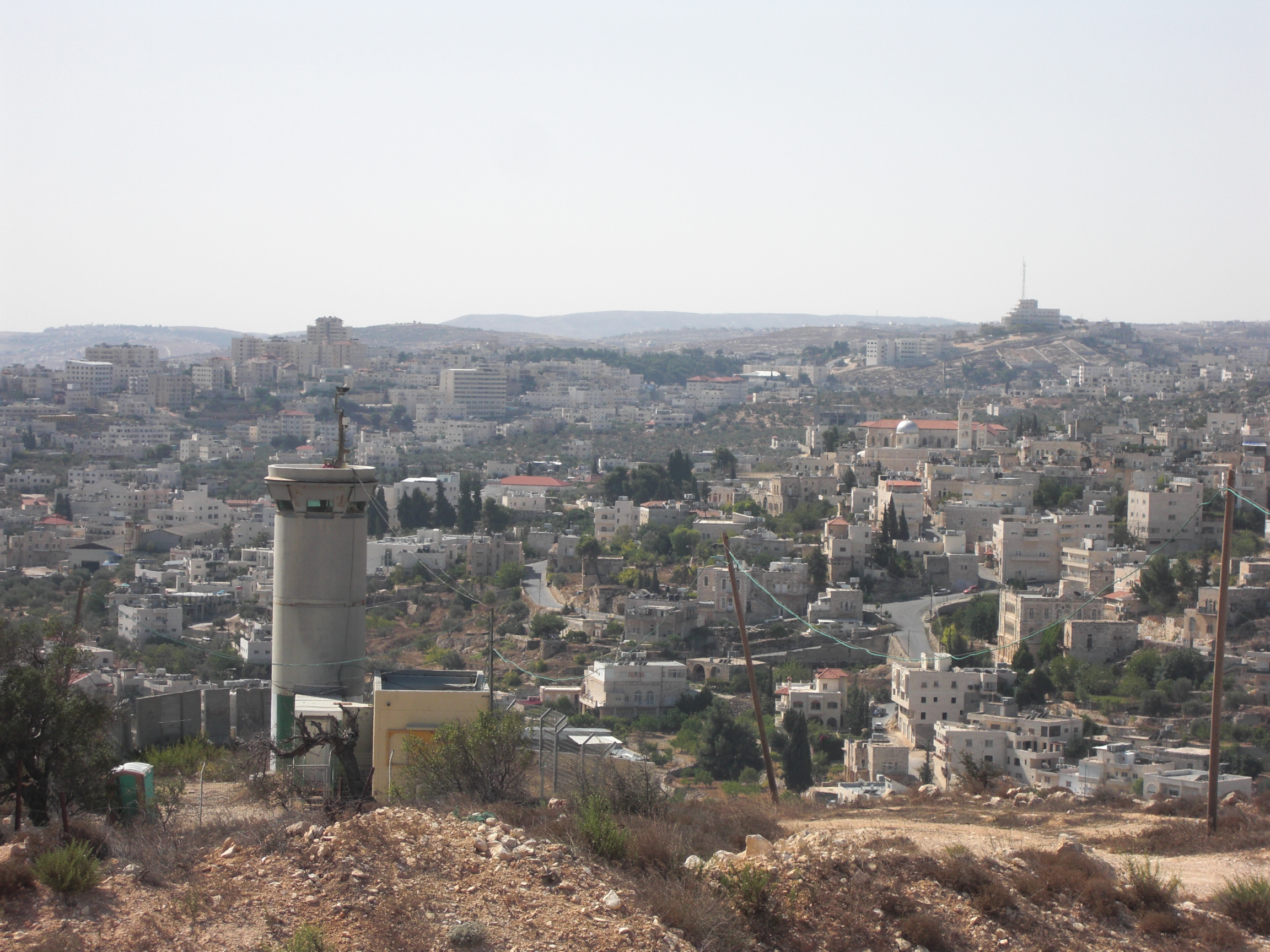
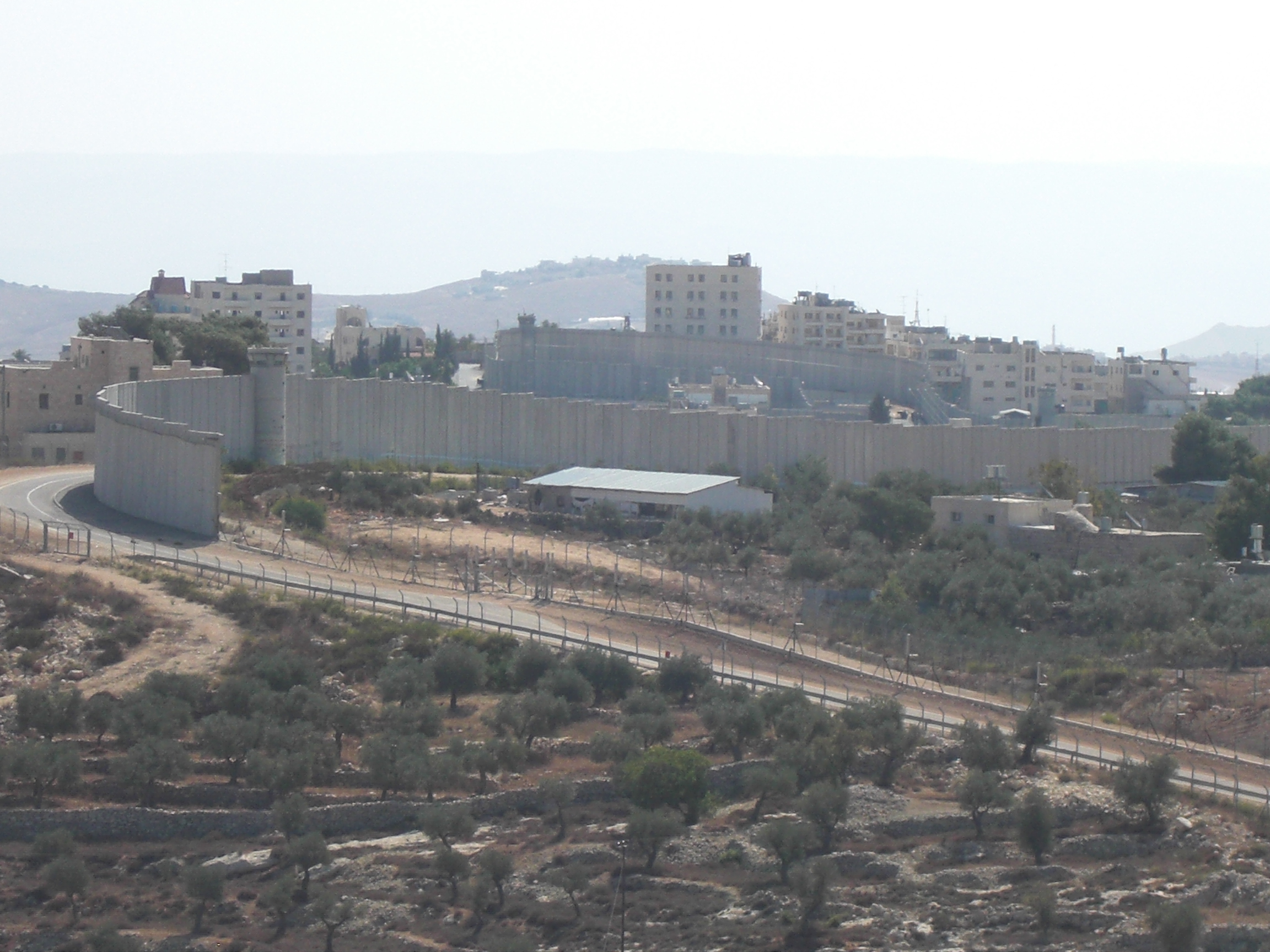
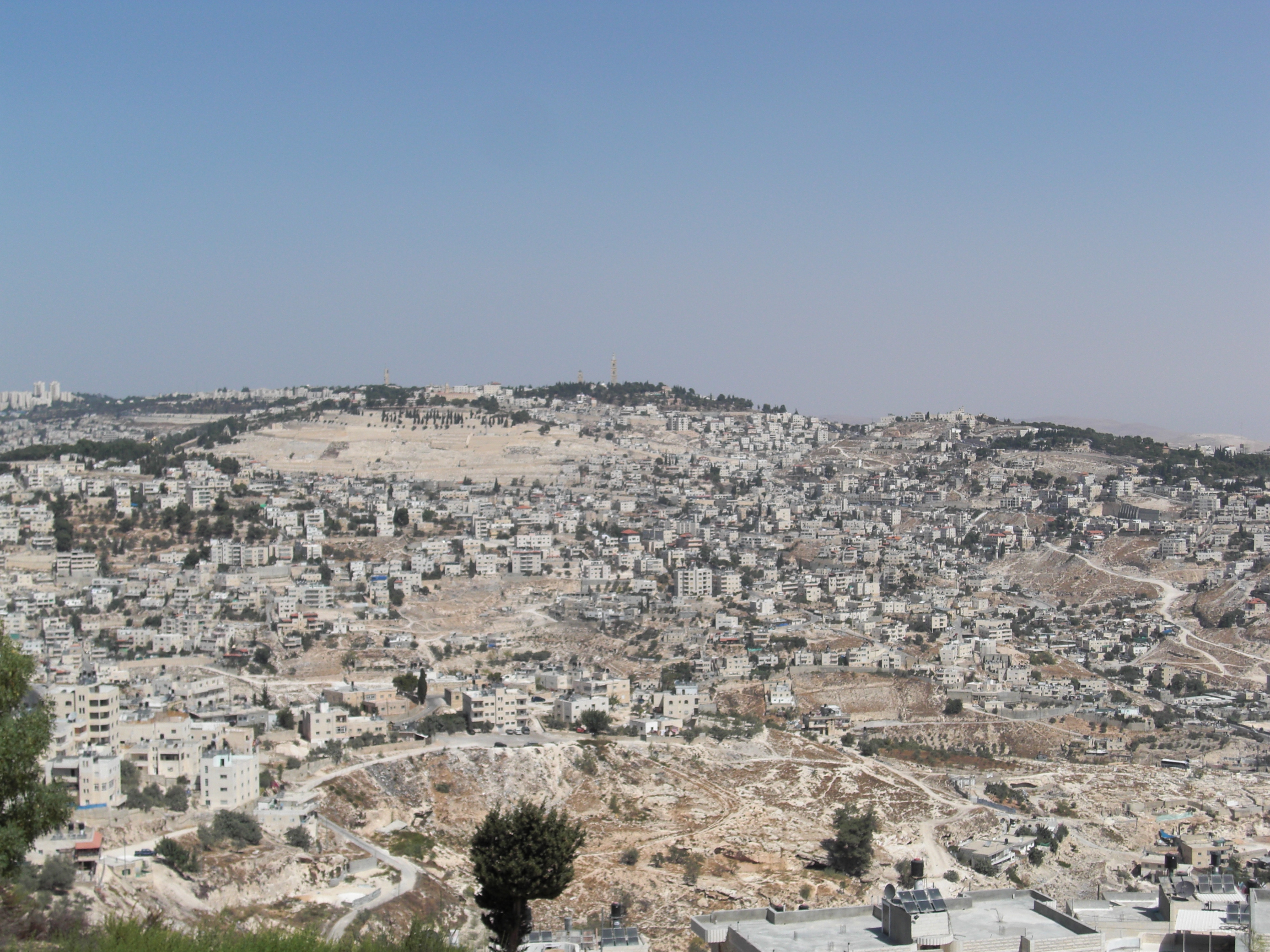
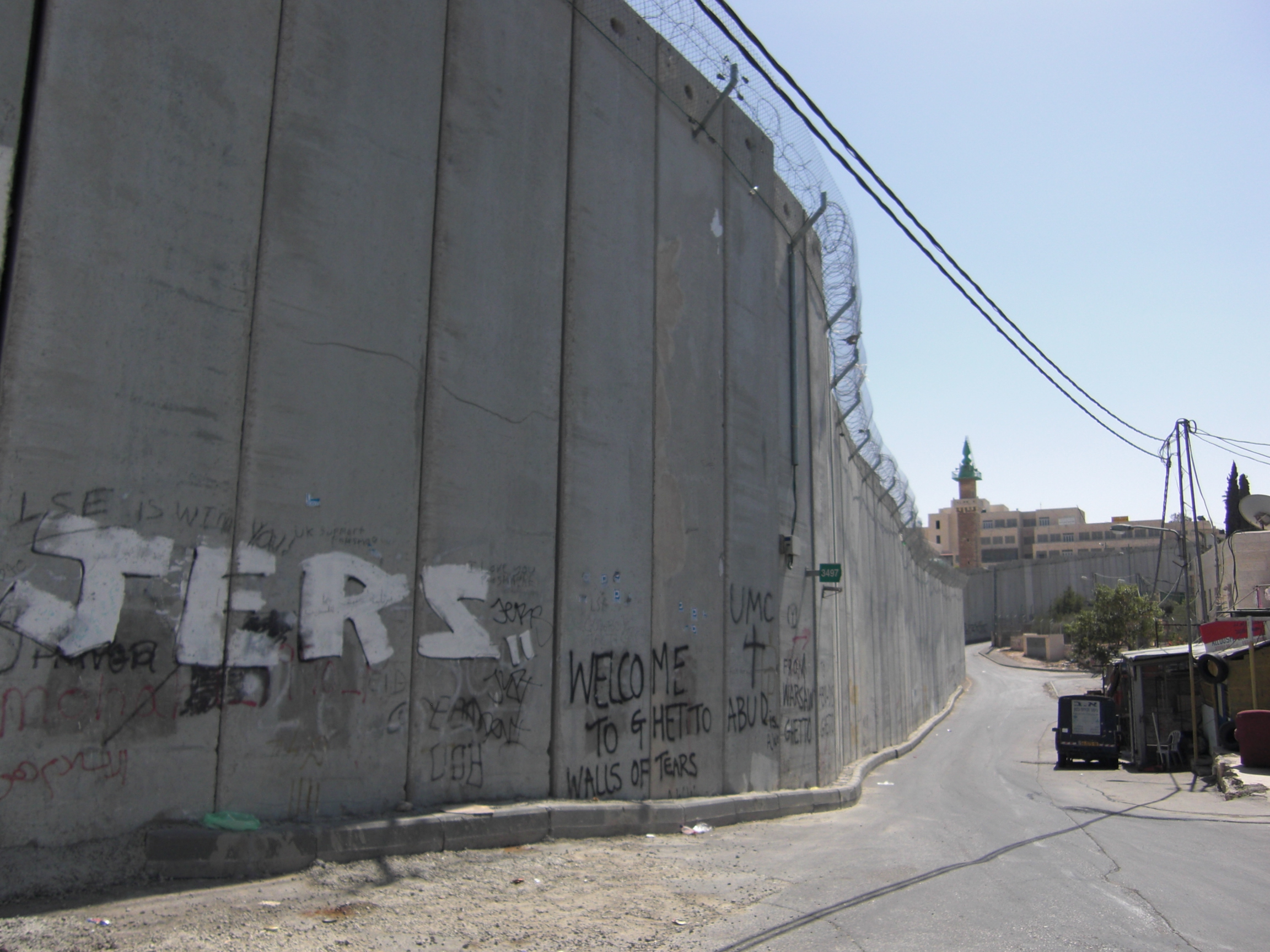
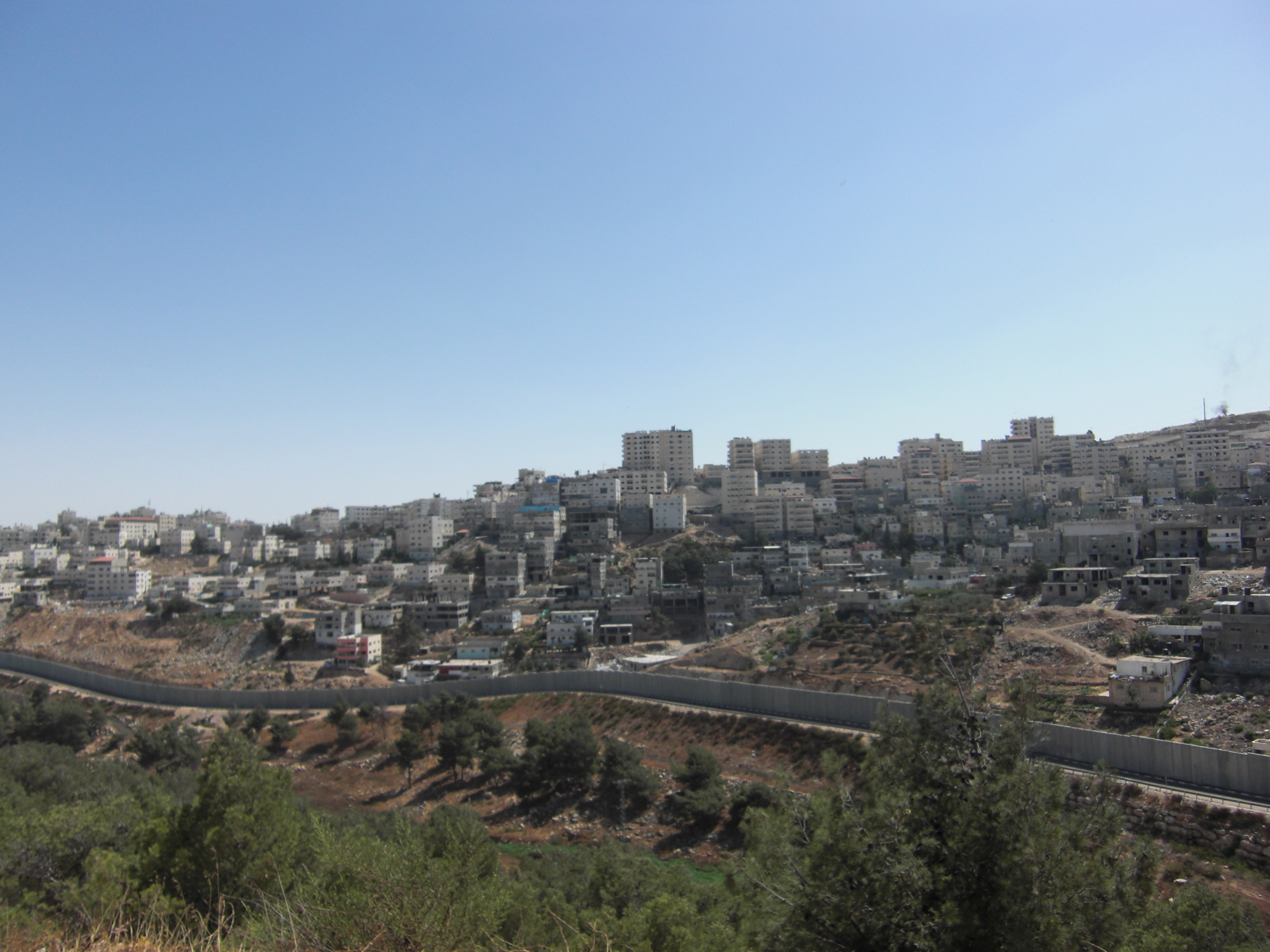
A few days ago I went on a tour of East Jerusalem and was exposed first hand to the reality of settlements right in my back yard (almost literally). Jerusalem is full of totally “normal” and undisputed neighborhoods that were built over the 1967 Green Line, which historically marks the boundary between the West Bank and Israel proper but is now is becoming increasingly irrelevant since Jews are usually given the green light to build wherever they want, regardless of which side of the line they fall on. Even if Israel did truly want to assist in the building of a separate Palestinian state in the West Bank and Gaza, the status of Jerusalem will remain a very complicated problem because it is impossible to divide it neatly into distinctly Arab and Jewish sections. The de-facto policy regarding Jerusalem today is to continue settlement expansion into East Jerusalem, build the wall to strategically include more land, and use a whole series of tactics to force the Palestinian Jerusalemites to surrender to the pressure and leave what’s left of their homes (after they’ve been denied building permits and then demolished). The tour also highlighted the incredibly unequal distribution of municipality funds and the ironic fact that Palestinian Jerusalem residents are always first to pay their city taxes to prove that they are entitled to the benefits of residency and that they do in fact belong to this city. Yet, despite their insistence on paying, they still do not have a reliable waste collection service or enough schools for their kids to attend, and the only nice roads and sidewalks seen in the Arab areas are paved only to serve the new settlements that are constantly being constructed there. The tour ended with a view of the Shoafat Refugee Camp, which is technically within the municipal borders of the city of Jerusalem, but has been cut off from the city by the wall that was built around its perimeter. On the tour, I bumped into a girl I vaguely remembered from the Young Judea Year Course program I did 5 years ago. As we looked out onto the views of a side of Jerusalem that we’d never seen, we realized that it was merely a coincidence that all the tours of Jerusalem that we did on Year Course did not include any of these areas or any of the narratives which do not fit nicely into the image of Jerusalem as the city of gold and the eternal united capital of the Jewish State. If I didn’t have such a poor memory I could recount to you all the complicated details of the status of East Jerusalem and its residents (not citizens, mind you), as it was explained to me on the tour, but perhaps it’s enough to just get people to ask more questions and encourage you to do some of your own research and a bit of soul-searching too. It is, in fact, Yom Kippur.
I started this post before Yom Kippur actually began. Now I am finishing it on the day of Yom Kippur, mid-fast, and in between prayer services. So I want to add onto, and maybe partially contradict, my previous depiction of the secularization of Jewish holidays in Israel. Last night I had my final meal before the fast at the home of the woman who was the coordinator for my fellowship (before she took another job and passed her responsibilities to someone else). She graciously welcomed me into her home, as I know most families here would do for a lone Jew in Jerusalem. I was excited to spend the holiday here in Jerusalem because I’d heard that its truly a unique experience to see the streets completely open to pedestrians and bicyclists both going to and from temple, but also people just out walking the streets for the sake of being part of a community. The tradition, I discovered, is to walk up and down Emek Refaim Street in the old German colony, stopping and chatting frequently as you pass people you know. There isn’t a car in sight, kids are playing with friends and riding bikes, people are walking their dogs, and there is a very calming aura about the whole scene. I went to services at a reform synagogue in the area, taking comfort in the melodies that were familiar to me, and feeling a bit foreign with the ones that weren’t. But overall, I was happy to be able to find a space for my hybrid secular/religious self-expression, and to continue processing everything that I see and do here. How do I make sense of taking this heavy, but completely necessary, tour during the day and then driving into the Negev for a reggae festival at night? How do I shut off my consciousness to the fact that this festival seemed to me to represent pure self-indulgence and indolence, and even a romanticization of the Bedouin population who live in the area and spent the weekend making us pita with labne and zatar and sweeping up the remains? How do I then return to a Jerusalem simultaneously enveloped in prayer and chanting of racist slogans outside my window? Yes, apparently, there was a gang of kids on my street last night who tried to beat up some Palestinian kids while yelling death to the Arabs. That, amidst the serenity of the holiday that I described before…
I spend a lot of time here in quiet contemplation. Sometimes it’s because I don’t know what to say or can’t find the words, but sometimes I think it is also because I am constantly in awe and bewilderment at the web of contradictions that Israelis have become tangled in, in pursuit of their liberation and self-determination. Thanks for reading this.
A few days ago I went on a tour of East Jerusalem and was exposed first hand to the reality of settlements right in my back yard (almost literally). Jerusalem is full of totally “normal” and undisputed neighborhoods that were built over the 1967 Green Line, which historically marks the boundary between the West Bank and Israel proper but is now is becoming increasingly irrelevant since Jews are usually given the green light to build wherever they want, regardless of which side of the line they fall on. Even if Israel did truly want to assist in the building of a separate Palestinian state in the West Bank and Gaza, the status of Jerusalem will remain a very complicated problem because it is impossible to divide it neatly into distinctly Arab and Jewish sections. The de-facto policy regarding Jerusalem today is to continue settlement expansion into East Jerusalem, build the wall to strategically include more land, and use a whole series of tactics to force the Palestinian Jerusalemites to surrender to the pressure and leave what’s left of their homes (after they’ve been denied building permits and then demolished). The tour also highlighted the incredibly unequal distribution of municipality funds and the ironic fact that Palestinian Jerusalem residents are always first to pay their city taxes to prove that they are entitled to the benefits of residency and that they do in fact belong to this city. Yet, despite their insistence on paying, they still do not have a reliable waste collection service or enough schools for their kids to attend, and the only nice roads and sidewalks seen in the Arab areas are paved only to serve the new settlements that are constantly being constructed there. The tour ended with a view of the Shoafat Refugee Camp, which is technically within the municipal borders of the city of Jerusalem, but has been cut off from the city by the wall that was built around its perimeter. On the tour, I bumped into a girl I vaguely remembered from the Young Judea Year Course program I did 5 years ago. As we looked out onto the views of a side of Jerusalem that we’d never seen, we realized that it was merely a coincidence that all the tours of Jerusalem that we did on Year Course did not include any of these areas or any of the narratives which do not fit nicely into the image of Jerusalem as the city of gold and the eternal united capital of the Jewish State. If I didn’t have such a poor memory I could recount to you all the complicated details of the status of East Jerusalem and its residents (not citizens, mind you), as it was explained to me on the tour, but perhaps it’s enough to just get people to ask more questions and encourage you to do some of your own research and a bit of soul-searching too. It is, in fact, Yom Kippur.
I started this post before Yom Kippur actually began. Now I am finishing it on the day of Yom Kippur, mid-fast, and in between prayer services. So I want to add onto, and maybe partially contradict, my previous depiction of the secularization of Jewish holidays in Israel. Last night I had my final meal before the fast at the home of the woman who was the coordinator for my fellowship (before she took another job and passed her responsibilities to someone else). She graciously welcomed me into her home, as I know most families here would do for a lone Jew in Jerusalem. I was excited to spend the holiday here in Jerusalem because I’d heard that its truly a unique experience to see the streets completely open to pedestrians and bicyclists both going to and from temple, but also people just out walking the streets for the sake of being part of a community. The tradition, I discovered, is to walk up and down Emek Refaim Street in the old German colony, stopping and chatting frequently as you pass people you know. There isn’t a car in sight, kids are playing with friends and riding bikes, people are walking their dogs, and there is a very calming aura about the whole scene. I went to services at a reform synagogue in the area, taking comfort in the melodies that were familiar to me, and feeling a bit foreign with the ones that weren’t. But overall, I was happy to be able to find a space for my hybrid secular/religious self-expression, and to continue processing everything that I see and do here. How do I make sense of taking this heavy, but completely necessary, tour during the day and then driving into the Negev for a reggae festival at night? How do I shut off my consciousness to the fact that this festival seemed to me to represent pure self-indulgence and indolence, and even a romanticization of the Bedouin population who live in the area and spent the weekend making us pita with labne and zatar and sweeping up the remains? How do I then return to a Jerusalem simultaneously enveloped in prayer and chanting of racist slogans outside my window? Yes, apparently, there was a gang of kids on my street last night who tried to beat up some Palestinian kids while yelling death to the Arabs. That, amidst the serenity of the holiday that I described before…
I spend a lot of time here in quiet contemplation. Sometimes it’s because I don’t know what to say or can’t find the words, but sometimes I think it is also because I am constantly in awe and bewilderment at the web of contradictions that Israelis have become tangled in, in pursuit of their liberation and self-determination. Thanks for reading this.
Add Your Comments
Latest Comments
Listed below are the latest comments about this post.
These comments are submitted anonymously by website visitors.
TITLE
AUTHOR
DATE
Further clarification
Wed, Sep 30, 2009 3:36PM
Status of East Jerusalem
Wed, Sep 30, 2009 3:28PM
Science means knowledge; religion is superstition and reactionary
Tue, Sep 29, 2009 7:36AM
We are 100% volunteer and depend on your participation to sustain our efforts!
Donate

$65.00 donated
in the past month
Get Involved
If you'd like to help with maintaining or developing the website, contact us.
Publish
Publish your stories and upcoming events on Indybay.
Topics
More
Search Indybay's Archives
Advanced Search
►
▼
IMC Network