







 Publish to Newswire
 Add an Event
From the Open-Publishing Calendar
From the Open-Publishing Newswire
Indybay Feature
African Union Summit ~ Address by H.E. Jean Ping
Those of us in the 6th Region of the African Union whom pay close attention to our ancestral home look forward to wonderful opportunities in the near future because of the hope and prayers of extended family.
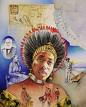
ADDRESS BY H.E. MR. JEAN PING, CHAIRPERSON OF THE AFRICAN UNION COMMISSION AT THE OPENING OF THE 13TH ORDINARY SESSION OF THE AFRICAN UNION EXECUTIVE COUNCIL
27 JUNE 2008, SHARM EL SHEIKH, EGYPT
Mr. Chairperson,
Honourable Ministers and Heads of Delegations,
Excellencies, Ladies and Gentlemen,
A. INTRODUCTION
The honour falls on me today, to address the first ordinary session of your Council since my election at the helm of the African Union Commission. I wish to seize this opportunity to express my profound gratitude to Member States who kindly placed their confidence in me by electing me to the Chairpersonship of the Commission.
Before going any further, I would first like to address my sincere thanks to President Hosni Mubarak, and to the Government and people of Egypt for the brotherly welcome and generous hospitality extended to all the participants in this session and for the excellent facilities placed at our disposal. Together with the authorities of the host country, it is my pleasure to cordially welcome all the delegations to this marvelous tourist town of Sharm El Sheikh, in the Sinai, replete with history, at the crossroads between Africa and Asia, a symbol of the fraternity of the African and Asian peoples, and particularly for Afro-Arab symbiosis and solidarity.
Mr. Chairperson,
Excellencies,
Ladies and Gentlemen,
This Council session is opening at a time when Africa is faced, more than ever before, with the need for peace and security, a compulsory prerequisite in any socio-economic development enterprise. That is why the Commission continues to accord special and sustained attention to peace and security issues. There are many difficulties yet to be overcome and important challenges remain in a number of peace processes in the Continent. The persisting crisis in Darfur, the recently exacerbated dispute between Chad and the Sudan, as well as the situation between Djibouti and Eritrea, are all issues of concern which pose a challenge to us.
In Darfur, the African Union spares no effort to find a political solution to the crisis within the framework of the Abuja Agreement. In this regard, I call upon all the Sudanese parties to engage, unconditionally, in the dialogue process, which is the sole means of putting an end to the conflict and the suffering inflicted on the civilian populations. I seize this opportunity to draw attention to the persistent tension in the relations between Chad and the Sudan, which has led to the severing of diplomatic relations between the two countries, as well as the closing of their common border.
I urge the two countries to do everything within their powers to implement the commitments made within the framework of the Dakar as well as previous Agreements in order to promote peace, stability and good neighbourliness in the region. The Commission is at work to bring its contribution to this peace effort which requires the authority and concerted action of several Heads of State.
I am concerned by the recent developments at the border between the Republic of Djibouti and the State of Eritrea. In this regard, and pursuant to the recommendation of the Peace and Security Council which has studied this issue, I dispatched a fact-finding mission to Djibouti, which was also mandated to visit Eritrea. I would like to hope that on both sides, all efforts will be made to find a happy solution to this situation.
In spite of these difficulties, it gives me pleasure to inform the Council of some notable progress in the promotion of peace and security in our Continent since the last session of your august body.
In this respect, I welcome the positive developments in the situation in Burundi, recently marked by the signing between the Government and the Palipehutu/FNL of a Declaration on the Cessation of Hostilities, on 26 May 2008.
As you know, Kenya, for a long time perceived, and rightly so, as the pride of our Continent in terms of stability, experienced a difficult period in the aftermath of the general elections at the end of last year. I am gratified at the return to calm thanks to the political will demonstrated by the parties, and the mobilization of the international community. I wish to commend, in this regard, the decisive role played by President John Kufuor, the then Chairperson of the AU, and President Jakaya Kikwete, current Chairperson, in resolving the crisis. I also commend our brother Kofi Annan, former Secretary General of the United Nations, who accomplished with distinction and devotion, the mission entrusted to him by the African Union.
It is my pleasure to highlight the success of Operation “Democracy in the Comoros”, launched on 25 March 2008, which facilitated the re-establishment of State authority in the Island of Anjouan. May I seize this opportunity to reiterate the gratitude of the AU to the Governments of Tanzania, the Sudan, Libya and Senegal, for the assistance provided to the Comorian Government, in conformity with the decision of the Assembly. The focus will now be on working towards the consolidation of the progress thus made.
Concerning Côte d’Ivoire, I welcome the progress made in the implementation of the Ouagadougou Political Agreement and its Additional Protocols. In this context, I wish to refer to the measures taken consensually concerning the date of the presidential elections on 30 November 2008. I call on the Government, the political class and all the Ivorian parties, to respect this timeframe and take all the necessary measures to resolve outstanding issues in the peace process.
In Somalia, the Agreement between the Transitional Federal Government and the Alliance for the Re-liberation of Somalia, signed in Djibouti on 9 June 2008, is a sign of hope for the return of peace in that country.
We are also pleased with the progress made in the Democratic Republic of Congo, progress which is strengthened by efforts to implement the Joint Communiqué signed in Nairobi on 9 November 2007 and the “Actes d’engagement” signed by the Congolese parties to the peace process in the Kivus, at Goma on 23 January 2008.
Mr. Chairperson,
Your Excellencies,
Ladies and Gentlemen,
In all of these conflict situations, the Commission took steps to act swiftly. However, I would like to stress that the constant quest for peace, security and stability compels us to perfect the continental peace and security architecture provided for by the Protocol relating to the establishment of the Peace and Security Council. This entails capacity building and availability of adequate resources. When all the components of the African peace and security architecture will produce their full effects in terms of conflict prevention and in terms of peace support and post-conflict reconstruction operations, Africa will be able to significantly reduce losses caused by conflicts which ravage the continent. Therefore, the task of operationalizing the Continental Early Warning System and the African Standby Force, which we are resolutely pursuing, will constitute a qualitative leap of historic significance, for it is true that an Africa in peace with itself can only be stronger, more interdependent and more prosperous.
Your Excellencies, matters relating to democracy, elections, governance and human rights are fundamental to the work of the Commission and central to the development of the African continent. Whilst we have experienced very positive progress across the continent, we continue to face challenges and need to apply our minds and our collective effort and commitment to consolidating the democratic values and practices we sought to establish through the creation of the African Union (AU).
Mr. Chairperson,
Excellencies,
Ladies and Gentlemen,
We have witnessed considerable progress on the path to democracy over the past years. However, we still face many challenges in this area, bearing in mind that simply organizing elections will not establish democratic governance and the rule of law, which are requisites for harmonious management of the society. The major challenge our continent now faces is to ensure that elections do not end up in unrests and/or violent and often bloody protests. It is undesirable that in addition to the traditional conflicts often caused by precarious economic and social conditions or by a denial of rights, elections should become a source of instability threatening the fragile socio-economic and political balance in our countries.
The major challenge lies in the orgasnisation and holding of elections and the management of their results. I feel it is important for us to reflect together, so that the aftermath of elections and delays in publishing the results - for which there may be objective reasons – do not provide occasion for excesses that would hamper the proper functioning of the electoral process and, consequently, the democratic dynamic initiated by the proper conduct of elections. In this regard, at the Commission, we will engage an in-depth reflection on the general problem of elections on the continent and the recommendations thereon will be forwarded for consideration by your Council at an opportune moment.
Mr. Chairperson,
Your Excellencies,
Ladies and Gentlemen,
It is over a year since our Heads of State and Government adopted the African Charter on Democracy, Elections and Governance. I would like, here, to call on Member States which have not yet done so, to accelerate the process of ratification of this important legal instrument.
I would like also to draw special attention to the situation of a category of persons who are victims of disrespect of democratic principles and of forced displacements: I am referring to refugees and displaced persons to whom we have to pay special attention. In this regard, I wish to draw the attention of Council to the Special Summit planned for the end of this year on the issue of refugees, returnees and internally displaced persons and which will consider for adoption the African Union Convention for Protection and Assistance to Internally Displaced Persons, who are victims of forced displacement. At the present, there are about 15 million victims in Africa who lack any internationally recognized legal protection, thus highlighting the importance of this draft Convention. Furthermore, it is essential that our States resolutely tackle the root causes of these forced displacements on the continent, with a view to finding lasting and common solutions in our societies.
Mr. Chairperson,
Your Excellencies,
Ladies and Gentlemen,
Africa faces huge development challenges. Efforts at all levels must focus on the attainment of rapid socio-economic development in order to create a better standard of living for its citizens.
The importance of Africa’s economic integration cannot be overemphasized. Past efforts by the continent’s leadership to bring about sustained socio-economic development have failed to yield any sustainable benefits. As other regions of the world continue to record high economic growth and sustained development, Africa continues to lag behind in all spheres. It is now clear that pursuit of the continental integration agenda is the solution.
Africa’s ongoing regional integration is crucial, as it serves as a stepping-stone for the continent’s integration into the global economy. This is the only means by which we can avoid further marginalization of the continent. Integration holds great potential, including enhanced economic growth, greater economies of scale due to expanded regional market, greater scope for increased investment and innovation, and insulation against the vagaries of globalization. In addition, it provides greater opportunities for cooperation in key areas such as infrastructure development and the maintenance of peace in the region.
A number of initiatives at the level of the African Union have already been undertaken or are in the pipeline and need to be supported to reach our integration objectives. These include the review of the Abuja Treaty; implementation of the Minimum Integration Programme for the Regional Economic Communities (RECs); the rationalization of the RECs; establishment of the three financial institutions, namely, the African Central Bank, African Monetary Fund and African Investment Bank; and assessment of the status of regional and continental integration process.
The objective of socio-economic development cannot be achieved without addressing Africa’s problem of weak financing base. Infrastructure development, for example, has been identified as one of the key impediments to Africa’s competitiveness and the low level of intra-Africa trade. Addressing problems of this nature require massive investments, which means adequate resources must be mobilized.
The lack of financing is impacting negatively on the attainment of the Millennium Development Goals (MDGs). The financing base for MDGs remains weak and this problem will need to be resolved if Africa is to attain them. I also wish to call on development partners to honour their commitments.
Mr. Chairperson,
The world is experiencing a dramatic increase in prices of basic food commodities. The prices of key food and agricultural commodities have shown an upward trend rising by almost 50% between 2007 and 2008. This rapid increase in food prices is having a particularly negative effect on net food importing African countries. Those who bear the brunt of high food prices are people living on less than one dollar.
Today, we know that the main causes of high food prices include a dramatic drop in world cereal production in the last two years due to bad weather in major producing countries; stock levels that have remained quite low; a high correlation between petroleum and food prices that makes it possible for the rapid rise in petroleum prices to exert an upward pressure on food prices; increased demand for bio-fuels pushing prices upwards; and high economic growth experienced in some emerging countries that has led to changes in diet and increased demand for food crops.
We have observed that the impacts of high food prices span across regional, national and household levels and that these differ depending on whether a country is a net exporter or net importer of food. It is clear that higher food prices will jeopardize the fight against hunger, as they make it more difficult for households to access food.
Mr. Chairperson,
The Commission has envisaged both immediate short-term and medium- to long-term actions to address the problem of high food prices. The short-term actions include the need to expand emergency responses and humanitarian assistance; the elimination of agricultural export bans; undertaking fast-impact food production programs in key areas such as seeds, fertilizer and credit; as well as modifying our policies on bio-fuels. In the medium- to long-term, the Commission proposes actions that will calm markets with market-oriented regulation of speculation, shared public grain stocks, strengthened food import financing, and reliable food aid; promote investment in social protection and preventive health and nutrition programs; scale up investments for sustained agricultural growth. The overall long term strategy will culminate in the implementation of the Comprehensive Africa Agriculture Development Programme (CAADP) including the African Common Market for Food Products; the Pan-African Land Policy Initiative; the Framework for African Food Security and the Pan-African Nutrition Initiative; Early Warning Systems; as well as improving Rural Infrastructure and Trade Related Capacities for Market Access.
The Commission also participated actively in the High-Level Conference on World Food Security: the Challenges of Climate Change and Bio-energy, held at the Headquarters of the FAO in Rome, Italy from 3 to 5 June 2008. Over USD 7 billion was pledged to promote agriculture development and reduce hunger. The Commission is convinced that proper use of these resources will benefit countries hard hit by the current world food crisis, allowing them to grow enough food for themselves in the coming planting seasons, and helping them to achieve continuing food security through investment in agriculture and research.
Mr. Chairperson,
Allow me now to broach the issue of spiralling oil prices, the consequences of which are extremely serious for our Member States and their populations.
This increase in oil prices leads to:
- high inflation rates and enormous pressure on the finances of many African oil-importing countries;
- a reappraisal of the viability of many economic activities which are directly or indirectly dependent on oil products;
- an increase in transport prices which contributes to aggravating the global food crisis.
As you may be aware, many of our African oil-importing countries will not be able to face up to the spiralling oil prices if strict and bold measures are not taken collectively and in time.
At the Sirte Summit in July 2005, the Assembly of the Union decided on the principle of establishing a cooperation and solidarity mechanism through an African Petroleum Fund on which studies, done in close collaboration with the African Development Bank, have just been concluded.
In order to operationalise this Fund, Council will have to analyse all the possible forms of solidarity among oil-producing and non-producing African countries. Similarly, the support of development partners will be indispensable to mobilise the necessary resources for this Fund.
Mr. Chair,
Sustainable solutions to the two crises I have just mentioned call for a collective approach not only at the continental level but also between Africa and the rest of the world; I am referring mainly to trade negotiations, particularly Economic Partnership Agreements (EPAs) and the World Trade Organisation.
You will recall that at the AU Maputo Summit of 2003, the Assembly mandated the Commission to coordinate and harmonize the efforts of African countries in the WTO negotiations. In this regard, the Commission has been organizing Member States to develop and adopt common positions thus, speaking with one voice in the negotiations. There is no doubt that in both the WTO and EPA negotiations, our negotiators have been able to articulate well the trade and development concerns of Africa. However, Africa’s expectations for development outcomes of the negotiations are yet to be realized.
With regard to the EPA negotiations, the recent development and the position taken by the majority of African countries have had to initial Interim EPAs with the EU in order to avoid the disruption of their trade. The assessment of these Interim EPAs indicates that, contrary to the objectives set for EPAs in the Cotonou Partnership Agreement, they cannot serve as effective instruments for the promotion of sustainable development, the eradication of poverty, the reinforcement of Africa’s regional integration initiatives, and the gradual integration of the continent into the global economy. Not only have the Interim EPAs not adequately addressed the development dimension; they have had the implication of complicating rather than assisting Africa’s integration efforts.
Mr. Chairperson,
Excellencies,
Ladies and Gentlemen,
These trade negotiations also have an impact on the social development of Africa. In this regard, it is essential for our partners to understand that Africa needs to be able to benefit from the opportunities offered to her for the production and commercialisation of drugs as stipulated in the Trade Related Aspects of Intellectual Property Rights (TRIPS). This is why in its interaction with the rest of the world, Africa should build strategic partnerships that enable it to master the production of the necessary drugs to stamp out such scourges as HIV/AIDS, tuberculosis and malaria.
HIV/AIDS continues to be an enormous barrier for the economic and social development in Africa with more than 68% of global HIV infections and more than 76% of AIDS related deaths. Although recent data published by WHO and UNAIDS shows that in most Africa countries, national HIV prevalence has either stabilized or is showing signs of decline; yet new cases are still exceedingly too high about 60% of the world’s total (2.1 Million). The rates of Anti Retroviral Coverage (ARV) by the end of 2007 were of approximately 42% of those in need, compared with 17 % at the end of 2005, showing a significant improvement. Although the ARV coverage has increased substantially, there is need to continue to intensify HIV prevention efforts to reduce the number of new infections and to strengthen country’s epidemiological and behavioral surveillance systems.
Targets for global TB control have been set within the framework of the MDGs. However, the two key global indicators adopted by the World Health Assembly are the detection and treatment of new cases in Directly Observed Treatment short course (DOTS) programmes. The Stop TB strategy is WHO’s recommended approach to reducing the burden of TB in line with the global targets. The Stop TB strategy has six major components: (i) DOTS expansion and enhancement; (ii) addressing TB/HIV, MDR-TB and other challenges; (iii) contributing to health systems strengthening; (iv) engaging all care providers; (v) empowering patients, and communities; and (vi) enabling and promoting research.
Many countries in Africa have adopted the Stop TB strategy. Currently the DOTS population coverage averages 91%. The estimated regional prevalence, incidence and mortality associated with TB have increased compared to the 1990 baseline.
Tuberculosis incidence and mortality is increasing because of high prevalence of HIV in some countries, the emergence and spread of drug-resistant strains and a growing number of refugees and internally displaced people. Stepping up the fight against TB requires improvements in the effectiveness of health systems and in the management of national TB control programmes. Opportunities exist through the Global Fund and other donors for countries to access additional resources required for intensification of the fight against TB.
The Pharmaceutical Manufacturing Plan for Africa was developed in line with the AU Assembly Decision (Assembly/Dec.55 (IV), adopted in Abuja in January 2005 and also in conformity with the Gaborone Declaration. During the Third Session of the Conference of AU Ministers of Health which was held in Johannesburg, South Africa, under the theme;” Strengthening of Health Systems for Equity and Development”, a Technical Committee which was mandated to study detailed implications of local production of pharmaceuticals in Africa was established.
This plan is based on the following six priority areas agreed upon by Experts: Mapping, Situation Analysis and compilation of findings, Manufacturing agenda, Intellectual Property Issues, Political, Geographical and Economic Considerations, and Financing. The African Union Commission in collaboration with WHO has already done some of the activities outlined in this phase. However it was agreed by the Technical Committee of the Pharmaceutical Manufacturing Plan for Africa during their second meeting in Johannesburg that a lot more needs to done in order for Africa to ensure the existence of adequate, sustainable, quality local pharmaceutical production at all the required levels.
A successful implementation of the Pharmaceutical Manufacturing Plan for Africa will enable Member States to access affordable drugs in the fight against disease burden especially HIV and AIDS, TB and Malaria.
It is in this perspective that the Union entered into strategic partnerships with Japan, China, India and South America and plans to do the same with other countries, including Turkey, with whom we have agreed to hold a summit in August of this year.
Excellencies,
Ladies and Gentlemen,
In order to enable the Commission to efficiently carry out the missions that were entrusted to it by the Member States, it is imperative that it is strengthened and has adequate human and financial resources.
Thus, since we assumed office, we have taken up our new duties with focus, dedication and commitment. We appreciate all the challenges that have been brought to our attention by the Audit Panel, the PRC and your august gathering and we pledge to take decisive action to meet them and take the Commission to a whole new level.
To this end, as per the Statutes of the Commission, we have embraced, in totality, the principle of collegiality in our policy development decision-making and implementation. We have decided, as a Commission, to hold weekly meetings, and to date, we have done so without fail. This, we believe, will build our team spirit, break down the walls between departments, and increase dramatically the sharing of information and walk together towards meeting the expectations and requirements of the Member States.
We are committed to strengthening the transparency and accountability of the Commission vis-à-vis member States in all aspects. But, we cannot achieve these without the support of the Member States, If any change or reform programme and indeed the entire African Union programme on integration is to succeed, the issues relating to the Staff of the Union must be an integral part of our plans. Consideration must be given to the working conditions, physical environment of work place and terms and conditions of service. We are looking into the whole spectrum of human resource management and development with a view to having a motivated, efficient and effective staff, whose welfare and well-being has been duly ensured. In this regard, I would like to appeal to this august Council to favourably consider the proposals to improve the conditions of service of the staff, notably as concerns salary increases and establishing a pension and social security system.
Consequently, I would also like to solemnly pledge here before the Council that I will take all the necessary measures to restore competence and merit within our Commission and bring on board the services of high-level executives, while respecting gender parity and geographical representation.
In this regard, the Commission has made significant progress with regard to implementation of commitments that advance Gender Equality. Specifically, progress has been made in the implementation of the Protocol on Human and Peoples Rights on the Rights of Women in Africa as well as the Solemn Declaration in Gender Equality in Africa. The Commission is finalizing an AU Gender Policy. While a lot of progress is being made in achieving AU commitments on gender some challenges still exist. One of the Gender Challenge that the Commission continues to face is the realization of the Parity Principle in the Professional Category of the staff, which is a good barometer of the existence of this challenge in other AU organs and institutions. In accordance with Article 4 (L) of the Constitutive Act.
In conclusion, allow me to say that I am aware of the magnitude of the mission that has been assigned to us and I know that I can count on your support to help the Commission take on its responsibilities under the best possible conditions.
I thank you for your kind attention.
27 JUNE 2008, SHARM EL SHEIKH, EGYPT
Mr. Chairperson,
Honourable Ministers and Heads of Delegations,
Excellencies, Ladies and Gentlemen,
A. INTRODUCTION
The honour falls on me today, to address the first ordinary session of your Council since my election at the helm of the African Union Commission. I wish to seize this opportunity to express my profound gratitude to Member States who kindly placed their confidence in me by electing me to the Chairpersonship of the Commission.
Before going any further, I would first like to address my sincere thanks to President Hosni Mubarak, and to the Government and people of Egypt for the brotherly welcome and generous hospitality extended to all the participants in this session and for the excellent facilities placed at our disposal. Together with the authorities of the host country, it is my pleasure to cordially welcome all the delegations to this marvelous tourist town of Sharm El Sheikh, in the Sinai, replete with history, at the crossroads between Africa and Asia, a symbol of the fraternity of the African and Asian peoples, and particularly for Afro-Arab symbiosis and solidarity.
Mr. Chairperson,
Excellencies,
Ladies and Gentlemen,
This Council session is opening at a time when Africa is faced, more than ever before, with the need for peace and security, a compulsory prerequisite in any socio-economic development enterprise. That is why the Commission continues to accord special and sustained attention to peace and security issues. There are many difficulties yet to be overcome and important challenges remain in a number of peace processes in the Continent. The persisting crisis in Darfur, the recently exacerbated dispute between Chad and the Sudan, as well as the situation between Djibouti and Eritrea, are all issues of concern which pose a challenge to us.
In Darfur, the African Union spares no effort to find a political solution to the crisis within the framework of the Abuja Agreement. In this regard, I call upon all the Sudanese parties to engage, unconditionally, in the dialogue process, which is the sole means of putting an end to the conflict and the suffering inflicted on the civilian populations. I seize this opportunity to draw attention to the persistent tension in the relations between Chad and the Sudan, which has led to the severing of diplomatic relations between the two countries, as well as the closing of their common border.
I urge the two countries to do everything within their powers to implement the commitments made within the framework of the Dakar as well as previous Agreements in order to promote peace, stability and good neighbourliness in the region. The Commission is at work to bring its contribution to this peace effort which requires the authority and concerted action of several Heads of State.
I am concerned by the recent developments at the border between the Republic of Djibouti and the State of Eritrea. In this regard, and pursuant to the recommendation of the Peace and Security Council which has studied this issue, I dispatched a fact-finding mission to Djibouti, which was also mandated to visit Eritrea. I would like to hope that on both sides, all efforts will be made to find a happy solution to this situation.
In spite of these difficulties, it gives me pleasure to inform the Council of some notable progress in the promotion of peace and security in our Continent since the last session of your august body.
In this respect, I welcome the positive developments in the situation in Burundi, recently marked by the signing between the Government and the Palipehutu/FNL of a Declaration on the Cessation of Hostilities, on 26 May 2008.
As you know, Kenya, for a long time perceived, and rightly so, as the pride of our Continent in terms of stability, experienced a difficult period in the aftermath of the general elections at the end of last year. I am gratified at the return to calm thanks to the political will demonstrated by the parties, and the mobilization of the international community. I wish to commend, in this regard, the decisive role played by President John Kufuor, the then Chairperson of the AU, and President Jakaya Kikwete, current Chairperson, in resolving the crisis. I also commend our brother Kofi Annan, former Secretary General of the United Nations, who accomplished with distinction and devotion, the mission entrusted to him by the African Union.
It is my pleasure to highlight the success of Operation “Democracy in the Comoros”, launched on 25 March 2008, which facilitated the re-establishment of State authority in the Island of Anjouan. May I seize this opportunity to reiterate the gratitude of the AU to the Governments of Tanzania, the Sudan, Libya and Senegal, for the assistance provided to the Comorian Government, in conformity with the decision of the Assembly. The focus will now be on working towards the consolidation of the progress thus made.
Concerning Côte d’Ivoire, I welcome the progress made in the implementation of the Ouagadougou Political Agreement and its Additional Protocols. In this context, I wish to refer to the measures taken consensually concerning the date of the presidential elections on 30 November 2008. I call on the Government, the political class and all the Ivorian parties, to respect this timeframe and take all the necessary measures to resolve outstanding issues in the peace process.
In Somalia, the Agreement between the Transitional Federal Government and the Alliance for the Re-liberation of Somalia, signed in Djibouti on 9 June 2008, is a sign of hope for the return of peace in that country.
We are also pleased with the progress made in the Democratic Republic of Congo, progress which is strengthened by efforts to implement the Joint Communiqué signed in Nairobi on 9 November 2007 and the “Actes d’engagement” signed by the Congolese parties to the peace process in the Kivus, at Goma on 23 January 2008.
Mr. Chairperson,
Your Excellencies,
Ladies and Gentlemen,
In all of these conflict situations, the Commission took steps to act swiftly. However, I would like to stress that the constant quest for peace, security and stability compels us to perfect the continental peace and security architecture provided for by the Protocol relating to the establishment of the Peace and Security Council. This entails capacity building and availability of adequate resources. When all the components of the African peace and security architecture will produce their full effects in terms of conflict prevention and in terms of peace support and post-conflict reconstruction operations, Africa will be able to significantly reduce losses caused by conflicts which ravage the continent. Therefore, the task of operationalizing the Continental Early Warning System and the African Standby Force, which we are resolutely pursuing, will constitute a qualitative leap of historic significance, for it is true that an Africa in peace with itself can only be stronger, more interdependent and more prosperous.
Your Excellencies, matters relating to democracy, elections, governance and human rights are fundamental to the work of the Commission and central to the development of the African continent. Whilst we have experienced very positive progress across the continent, we continue to face challenges and need to apply our minds and our collective effort and commitment to consolidating the democratic values and practices we sought to establish through the creation of the African Union (AU).
Mr. Chairperson,
Excellencies,
Ladies and Gentlemen,
We have witnessed considerable progress on the path to democracy over the past years. However, we still face many challenges in this area, bearing in mind that simply organizing elections will not establish democratic governance and the rule of law, which are requisites for harmonious management of the society. The major challenge our continent now faces is to ensure that elections do not end up in unrests and/or violent and often bloody protests. It is undesirable that in addition to the traditional conflicts often caused by precarious economic and social conditions or by a denial of rights, elections should become a source of instability threatening the fragile socio-economic and political balance in our countries.
The major challenge lies in the orgasnisation and holding of elections and the management of their results. I feel it is important for us to reflect together, so that the aftermath of elections and delays in publishing the results - for which there may be objective reasons – do not provide occasion for excesses that would hamper the proper functioning of the electoral process and, consequently, the democratic dynamic initiated by the proper conduct of elections. In this regard, at the Commission, we will engage an in-depth reflection on the general problem of elections on the continent and the recommendations thereon will be forwarded for consideration by your Council at an opportune moment.
Mr. Chairperson,
Your Excellencies,
Ladies and Gentlemen,
It is over a year since our Heads of State and Government adopted the African Charter on Democracy, Elections and Governance. I would like, here, to call on Member States which have not yet done so, to accelerate the process of ratification of this important legal instrument.
I would like also to draw special attention to the situation of a category of persons who are victims of disrespect of democratic principles and of forced displacements: I am referring to refugees and displaced persons to whom we have to pay special attention. In this regard, I wish to draw the attention of Council to the Special Summit planned for the end of this year on the issue of refugees, returnees and internally displaced persons and which will consider for adoption the African Union Convention for Protection and Assistance to Internally Displaced Persons, who are victims of forced displacement. At the present, there are about 15 million victims in Africa who lack any internationally recognized legal protection, thus highlighting the importance of this draft Convention. Furthermore, it is essential that our States resolutely tackle the root causes of these forced displacements on the continent, with a view to finding lasting and common solutions in our societies.
Mr. Chairperson,
Your Excellencies,
Ladies and Gentlemen,
Africa faces huge development challenges. Efforts at all levels must focus on the attainment of rapid socio-economic development in order to create a better standard of living for its citizens.
The importance of Africa’s economic integration cannot be overemphasized. Past efforts by the continent’s leadership to bring about sustained socio-economic development have failed to yield any sustainable benefits. As other regions of the world continue to record high economic growth and sustained development, Africa continues to lag behind in all spheres. It is now clear that pursuit of the continental integration agenda is the solution.
Africa’s ongoing regional integration is crucial, as it serves as a stepping-stone for the continent’s integration into the global economy. This is the only means by which we can avoid further marginalization of the continent. Integration holds great potential, including enhanced economic growth, greater economies of scale due to expanded regional market, greater scope for increased investment and innovation, and insulation against the vagaries of globalization. In addition, it provides greater opportunities for cooperation in key areas such as infrastructure development and the maintenance of peace in the region.
A number of initiatives at the level of the African Union have already been undertaken or are in the pipeline and need to be supported to reach our integration objectives. These include the review of the Abuja Treaty; implementation of the Minimum Integration Programme for the Regional Economic Communities (RECs); the rationalization of the RECs; establishment of the three financial institutions, namely, the African Central Bank, African Monetary Fund and African Investment Bank; and assessment of the status of regional and continental integration process.
The objective of socio-economic development cannot be achieved without addressing Africa’s problem of weak financing base. Infrastructure development, for example, has been identified as one of the key impediments to Africa’s competitiveness and the low level of intra-Africa trade. Addressing problems of this nature require massive investments, which means adequate resources must be mobilized.
The lack of financing is impacting negatively on the attainment of the Millennium Development Goals (MDGs). The financing base for MDGs remains weak and this problem will need to be resolved if Africa is to attain them. I also wish to call on development partners to honour their commitments.
Mr. Chairperson,
The world is experiencing a dramatic increase in prices of basic food commodities. The prices of key food and agricultural commodities have shown an upward trend rising by almost 50% between 2007 and 2008. This rapid increase in food prices is having a particularly negative effect on net food importing African countries. Those who bear the brunt of high food prices are people living on less than one dollar.
Today, we know that the main causes of high food prices include a dramatic drop in world cereal production in the last two years due to bad weather in major producing countries; stock levels that have remained quite low; a high correlation between petroleum and food prices that makes it possible for the rapid rise in petroleum prices to exert an upward pressure on food prices; increased demand for bio-fuels pushing prices upwards; and high economic growth experienced in some emerging countries that has led to changes in diet and increased demand for food crops.
We have observed that the impacts of high food prices span across regional, national and household levels and that these differ depending on whether a country is a net exporter or net importer of food. It is clear that higher food prices will jeopardize the fight against hunger, as they make it more difficult for households to access food.
Mr. Chairperson,
The Commission has envisaged both immediate short-term and medium- to long-term actions to address the problem of high food prices. The short-term actions include the need to expand emergency responses and humanitarian assistance; the elimination of agricultural export bans; undertaking fast-impact food production programs in key areas such as seeds, fertilizer and credit; as well as modifying our policies on bio-fuels. In the medium- to long-term, the Commission proposes actions that will calm markets with market-oriented regulation of speculation, shared public grain stocks, strengthened food import financing, and reliable food aid; promote investment in social protection and preventive health and nutrition programs; scale up investments for sustained agricultural growth. The overall long term strategy will culminate in the implementation of the Comprehensive Africa Agriculture Development Programme (CAADP) including the African Common Market for Food Products; the Pan-African Land Policy Initiative; the Framework for African Food Security and the Pan-African Nutrition Initiative; Early Warning Systems; as well as improving Rural Infrastructure and Trade Related Capacities for Market Access.
The Commission also participated actively in the High-Level Conference on World Food Security: the Challenges of Climate Change and Bio-energy, held at the Headquarters of the FAO in Rome, Italy from 3 to 5 June 2008. Over USD 7 billion was pledged to promote agriculture development and reduce hunger. The Commission is convinced that proper use of these resources will benefit countries hard hit by the current world food crisis, allowing them to grow enough food for themselves in the coming planting seasons, and helping them to achieve continuing food security through investment in agriculture and research.
Mr. Chairperson,
Allow me now to broach the issue of spiralling oil prices, the consequences of which are extremely serious for our Member States and their populations.
This increase in oil prices leads to:
- high inflation rates and enormous pressure on the finances of many African oil-importing countries;
- a reappraisal of the viability of many economic activities which are directly or indirectly dependent on oil products;
- an increase in transport prices which contributes to aggravating the global food crisis.
As you may be aware, many of our African oil-importing countries will not be able to face up to the spiralling oil prices if strict and bold measures are not taken collectively and in time.
At the Sirte Summit in July 2005, the Assembly of the Union decided on the principle of establishing a cooperation and solidarity mechanism through an African Petroleum Fund on which studies, done in close collaboration with the African Development Bank, have just been concluded.
In order to operationalise this Fund, Council will have to analyse all the possible forms of solidarity among oil-producing and non-producing African countries. Similarly, the support of development partners will be indispensable to mobilise the necessary resources for this Fund.
Mr. Chair,
Sustainable solutions to the two crises I have just mentioned call for a collective approach not only at the continental level but also between Africa and the rest of the world; I am referring mainly to trade negotiations, particularly Economic Partnership Agreements (EPAs) and the World Trade Organisation.
You will recall that at the AU Maputo Summit of 2003, the Assembly mandated the Commission to coordinate and harmonize the efforts of African countries in the WTO negotiations. In this regard, the Commission has been organizing Member States to develop and adopt common positions thus, speaking with one voice in the negotiations. There is no doubt that in both the WTO and EPA negotiations, our negotiators have been able to articulate well the trade and development concerns of Africa. However, Africa’s expectations for development outcomes of the negotiations are yet to be realized.
With regard to the EPA negotiations, the recent development and the position taken by the majority of African countries have had to initial Interim EPAs with the EU in order to avoid the disruption of their trade. The assessment of these Interim EPAs indicates that, contrary to the objectives set for EPAs in the Cotonou Partnership Agreement, they cannot serve as effective instruments for the promotion of sustainable development, the eradication of poverty, the reinforcement of Africa’s regional integration initiatives, and the gradual integration of the continent into the global economy. Not only have the Interim EPAs not adequately addressed the development dimension; they have had the implication of complicating rather than assisting Africa’s integration efforts.
Mr. Chairperson,
Excellencies,
Ladies and Gentlemen,
These trade negotiations also have an impact on the social development of Africa. In this regard, it is essential for our partners to understand that Africa needs to be able to benefit from the opportunities offered to her for the production and commercialisation of drugs as stipulated in the Trade Related Aspects of Intellectual Property Rights (TRIPS). This is why in its interaction with the rest of the world, Africa should build strategic partnerships that enable it to master the production of the necessary drugs to stamp out such scourges as HIV/AIDS, tuberculosis and malaria.
HIV/AIDS continues to be an enormous barrier for the economic and social development in Africa with more than 68% of global HIV infections and more than 76% of AIDS related deaths. Although recent data published by WHO and UNAIDS shows that in most Africa countries, national HIV prevalence has either stabilized or is showing signs of decline; yet new cases are still exceedingly too high about 60% of the world’s total (2.1 Million). The rates of Anti Retroviral Coverage (ARV) by the end of 2007 were of approximately 42% of those in need, compared with 17 % at the end of 2005, showing a significant improvement. Although the ARV coverage has increased substantially, there is need to continue to intensify HIV prevention efforts to reduce the number of new infections and to strengthen country’s epidemiological and behavioral surveillance systems.
Targets for global TB control have been set within the framework of the MDGs. However, the two key global indicators adopted by the World Health Assembly are the detection and treatment of new cases in Directly Observed Treatment short course (DOTS) programmes. The Stop TB strategy is WHO’s recommended approach to reducing the burden of TB in line with the global targets. The Stop TB strategy has six major components: (i) DOTS expansion and enhancement; (ii) addressing TB/HIV, MDR-TB and other challenges; (iii) contributing to health systems strengthening; (iv) engaging all care providers; (v) empowering patients, and communities; and (vi) enabling and promoting research.
Many countries in Africa have adopted the Stop TB strategy. Currently the DOTS population coverage averages 91%. The estimated regional prevalence, incidence and mortality associated with TB have increased compared to the 1990 baseline.
Tuberculosis incidence and mortality is increasing because of high prevalence of HIV in some countries, the emergence and spread of drug-resistant strains and a growing number of refugees and internally displaced people. Stepping up the fight against TB requires improvements in the effectiveness of health systems and in the management of national TB control programmes. Opportunities exist through the Global Fund and other donors for countries to access additional resources required for intensification of the fight against TB.
The Pharmaceutical Manufacturing Plan for Africa was developed in line with the AU Assembly Decision (Assembly/Dec.55 (IV), adopted in Abuja in January 2005 and also in conformity with the Gaborone Declaration. During the Third Session of the Conference of AU Ministers of Health which was held in Johannesburg, South Africa, under the theme;” Strengthening of Health Systems for Equity and Development”, a Technical Committee which was mandated to study detailed implications of local production of pharmaceuticals in Africa was established.
This plan is based on the following six priority areas agreed upon by Experts: Mapping, Situation Analysis and compilation of findings, Manufacturing agenda, Intellectual Property Issues, Political, Geographical and Economic Considerations, and Financing. The African Union Commission in collaboration with WHO has already done some of the activities outlined in this phase. However it was agreed by the Technical Committee of the Pharmaceutical Manufacturing Plan for Africa during their second meeting in Johannesburg that a lot more needs to done in order for Africa to ensure the existence of adequate, sustainable, quality local pharmaceutical production at all the required levels.
A successful implementation of the Pharmaceutical Manufacturing Plan for Africa will enable Member States to access affordable drugs in the fight against disease burden especially HIV and AIDS, TB and Malaria.
It is in this perspective that the Union entered into strategic partnerships with Japan, China, India and South America and plans to do the same with other countries, including Turkey, with whom we have agreed to hold a summit in August of this year.
Excellencies,
Ladies and Gentlemen,
In order to enable the Commission to efficiently carry out the missions that were entrusted to it by the Member States, it is imperative that it is strengthened and has adequate human and financial resources.
Thus, since we assumed office, we have taken up our new duties with focus, dedication and commitment. We appreciate all the challenges that have been brought to our attention by the Audit Panel, the PRC and your august gathering and we pledge to take decisive action to meet them and take the Commission to a whole new level.
To this end, as per the Statutes of the Commission, we have embraced, in totality, the principle of collegiality in our policy development decision-making and implementation. We have decided, as a Commission, to hold weekly meetings, and to date, we have done so without fail. This, we believe, will build our team spirit, break down the walls between departments, and increase dramatically the sharing of information and walk together towards meeting the expectations and requirements of the Member States.
We are committed to strengthening the transparency and accountability of the Commission vis-à-vis member States in all aspects. But, we cannot achieve these without the support of the Member States, If any change or reform programme and indeed the entire African Union programme on integration is to succeed, the issues relating to the Staff of the Union must be an integral part of our plans. Consideration must be given to the working conditions, physical environment of work place and terms and conditions of service. We are looking into the whole spectrum of human resource management and development with a view to having a motivated, efficient and effective staff, whose welfare and well-being has been duly ensured. In this regard, I would like to appeal to this august Council to favourably consider the proposals to improve the conditions of service of the staff, notably as concerns salary increases and establishing a pension and social security system.
Consequently, I would also like to solemnly pledge here before the Council that I will take all the necessary measures to restore competence and merit within our Commission and bring on board the services of high-level executives, while respecting gender parity and geographical representation.
In this regard, the Commission has made significant progress with regard to implementation of commitments that advance Gender Equality. Specifically, progress has been made in the implementation of the Protocol on Human and Peoples Rights on the Rights of Women in Africa as well as the Solemn Declaration in Gender Equality in Africa. The Commission is finalizing an AU Gender Policy. While a lot of progress is being made in achieving AU commitments on gender some challenges still exist. One of the Gender Challenge that the Commission continues to face is the realization of the Parity Principle in the Professional Category of the staff, which is a good barometer of the existence of this challenge in other AU organs and institutions. In accordance with Article 4 (L) of the Constitutive Act.
In conclusion, allow me to say that I am aware of the magnitude of the mission that has been assigned to us and I know that I can count on your support to help the Commission take on its responsibilities under the best possible conditions.
I thank you for your kind attention.
Add Your Comments
We are 100% volunteer and depend on your participation to sustain our efforts!
Donate

$220.00 donated
in the past month
Get Involved
If you'd like to help with maintaining or developing the website, contact us.
Publish
Publish your stories and upcoming events on Indybay.
Topics
More
Search Indybay's Archives
Advanced Search
►
▼
IMC Network