







 Publish to Newswire
 Add an Event
From the Open-Publishing Calendar
From the Open-Publishing Newswire
Indybay Feature
CHIMES Raises Funds For Expanded Hospital and Rural Health Care in Honduras
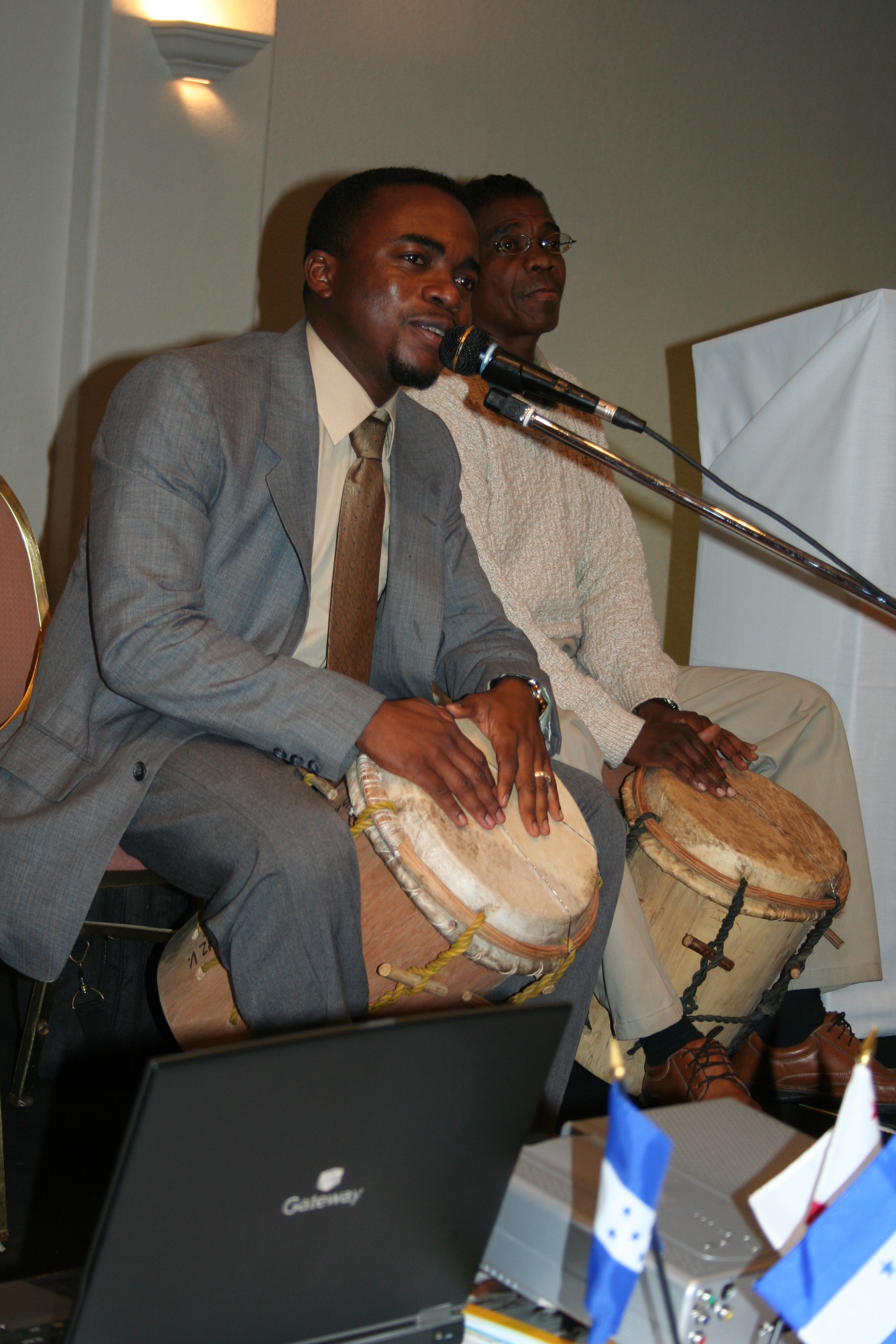
The California Honduran Institute for Medical and Educational Support (C.H.I.M.E.S.) is doing great work in cooperation with the Garifuna communities of Honduras, as evidenced by this fundraising event I attended in Sacramento on February 21. Garifuna medical students are trained at the Latin American School of Medicine in Havana, Cuba to go back into Honduras to serve their communities.
Photo: Dr. Luther Harry Castillo delivers his presention on his Project Luagu Hatuadi Waduhenu. Photo by Dan Bacher.
Photo: Dr. Luther Harry Castillo delivers his presention on his Project Luagu Hatuadi Waduhenu. Photo by Dan Bacher.
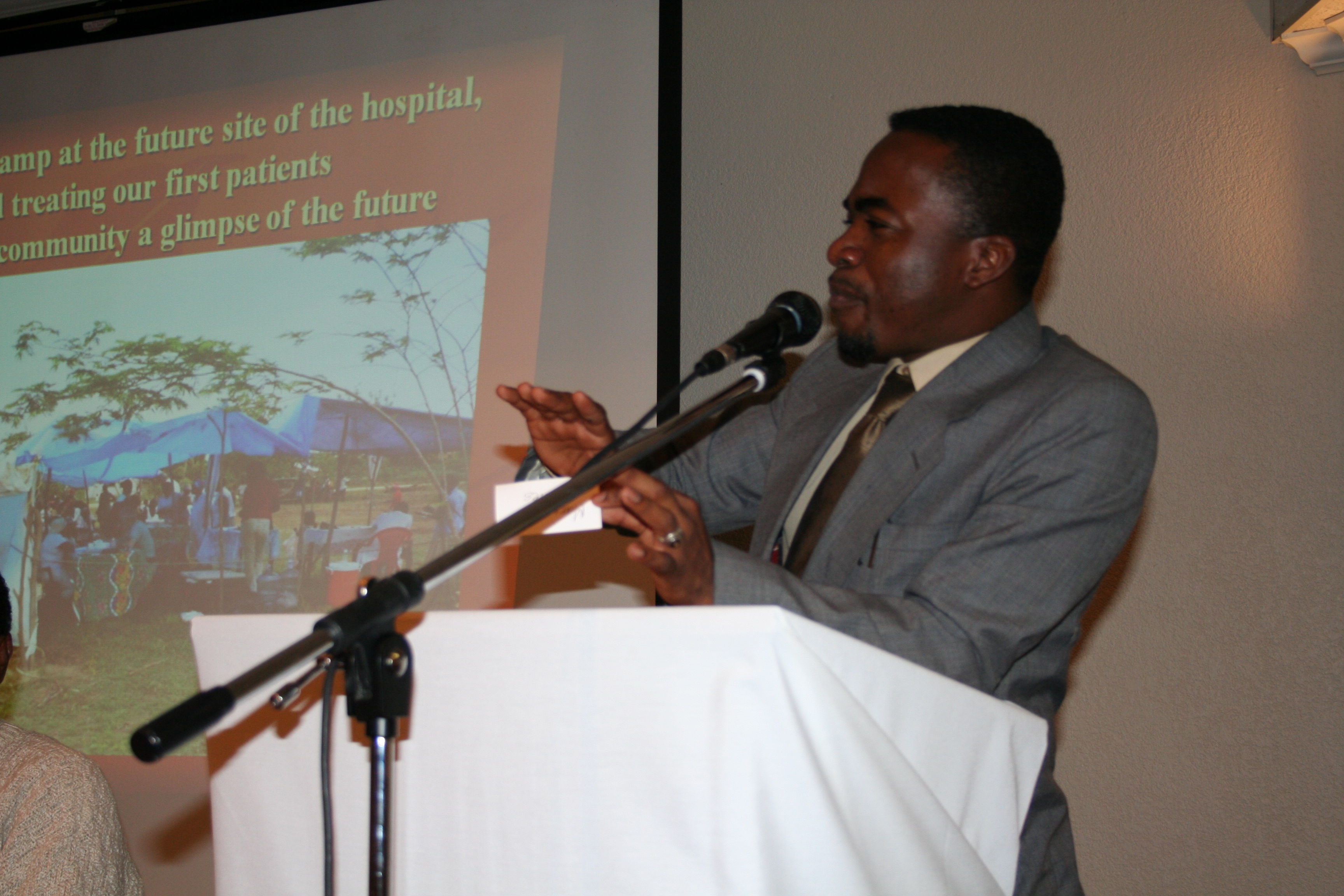
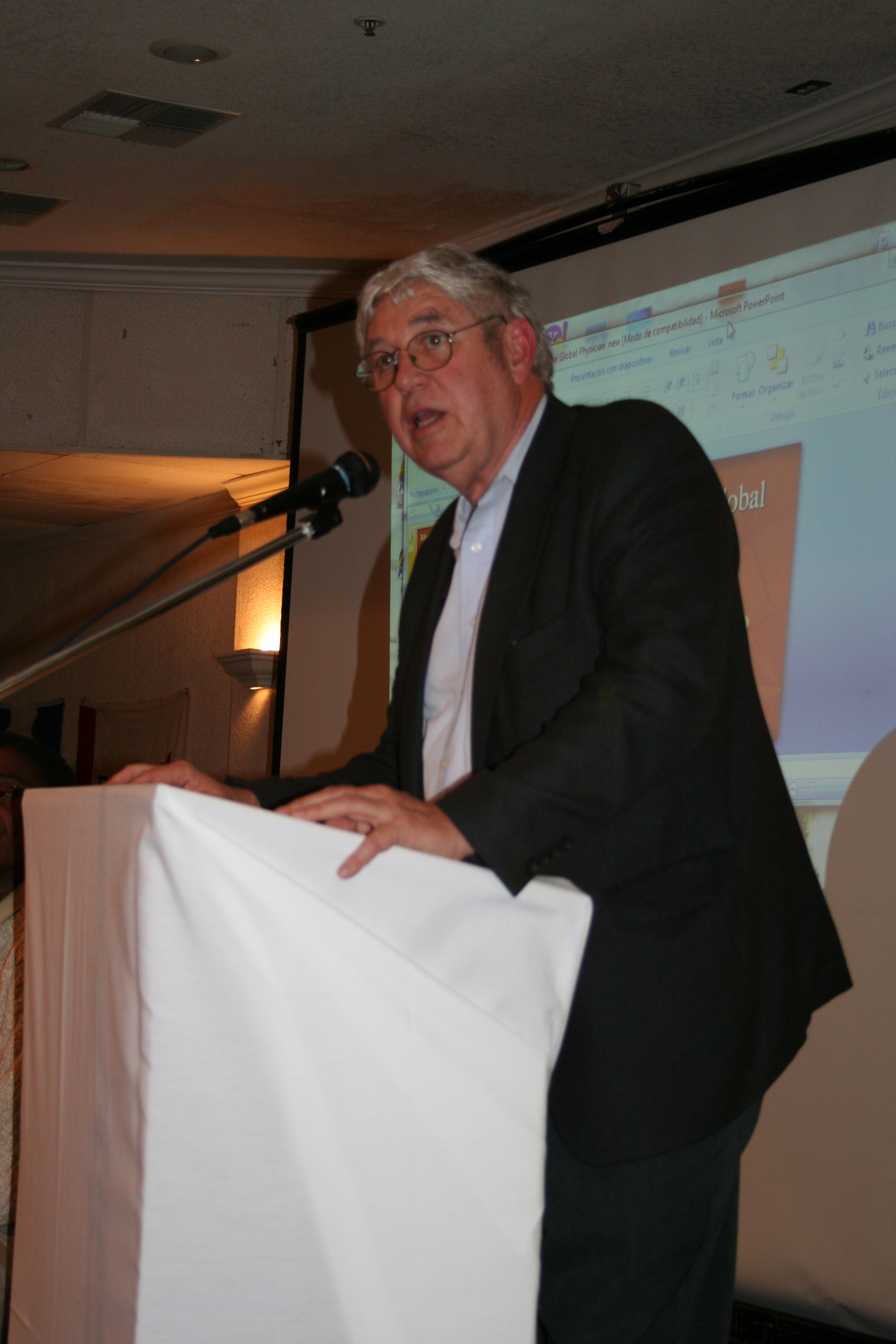
The California Honduran Institute for Medical and Educational Support (C.H.I.M.E.S.) held a wonderful dinner and program in Sacramento on February 21 benefiting health care in the Garifuna communities of Honduras. The event featured presentations by Dr. Luther Harry Castillo, the leader of the rural health care movement in Honduras, and Lt. Governor John Garamendi.
In a short 18 months, a newly opened health clinic in Ciriboya, Honduras has served over 68,340 patients for free. In addition to those served by the clinic, family practice doctors care for thousands of people in 12 far-flung rural communities.
Bill Camp, executive secretary of the Sacramento Central Labor Council and director of CHIMES, his brother, Tom, and a dedicated crew of volunteers built the hospital to provide long-needed health care to the Garifuna community of Honduras.
Moe Mohanna, a Sacramento philanthropist best known for his eminent domain battle with the Sacramento Redevelopment Agency, donated his reception hall and catering for the event, so all of the money raised in the event - over $10,000 - goes to support health care in Honduras. Volunteers organized by Birthing Project, founded by Kathyrn Hall, have also been invaluable to CHIMES and its efforts.
“We are planning to build three more wings,” said Castillo as he showed me his plans for the hospital after his presentation. The wings will include a surgery room, pharmacy, library, laboratory, pediatric care, dental care, natural medicine, physical therapy, and an obstetrics section, including pre-delivery and post-delivery rooms. A dormitory for the doctors is also planned.
Castillo, trained at the Latin American School of Medicine in Havana, Cuba, embarked on this current venture after he was unable to go to medical school in Honduras due to lack of funds. Cuba accepted him in 1999 as a medical student and he graduated in 2005 as the first Garifuna graduate.
Before he went to Cuba, he was apprehensive. “I had the idea that there was a tank on every corner,” he quipped. “However, what I actually saw after I arrived there were a lot of friendly people who loved to dance and enjoy themselves. The Cubans are a people with a spirit of solidarity.”
Castillo's Project Luagu Hatuadi Waduhenu (for the health of our communities) arose in 1999 as an initiative of Garifuna students in Cuba seeking a way of contributing to the betterment of the health of their communities. "We decided to donate 15 days of our month of vacation working in the Honduran Garifuna communities, shoulder-to-shoulder with the Cuban doctors,” explained Castillo.
The Garifuna are a unique cultural and ethnic group now found along the Carribean coast of Honduras, Belize, Guatemala, Nicaragua and in the Carribean islands. They first appeared in this region over 300 years ago, when escaped and shipwrecked West African slaves mixed with the native Caribs who provided them refuge on Saint Vincent Island.
In 1797, the Garifuna were forced to seek refuge again in Honduras and spread to the Caribbean coast of Guatemala, Nicaragua, Guatemala and Belize, according to Ruben Reyes of Los Angeles, who gave a brief history of the Garifuna people. Their language, Garifuna, derives from the Arawak and Carib languages. The Garifuna have kept their African musical and religious traditions over the centuries.
In the program Castillo has established, the medical students return from Havana to work in their communities to finish their education. There are 8 resident Garifuna doctors, while the program is training 86 midwives, along with nurses and volunteers.
They are developing a health care infrastructure in a region where the government has installed no infrastructure. “We have developed a volunteer structure by building alliances between key sectors of the community, including faith groups, women’s groups, students and workers. The participation of Garifuna women is essential to the program,” Castillo said.
“We believe in training doctors who work side by side with the community people and who live inside the community. We want doctors who know that patients are not just muscle and bones,” he emphasized.
Diseases found in rural Honduras include dengue, malaria, pneumonia, AIDS, hypertension, cardiovascular disease, diarrhea, diabetes and a variety of parasites.
The success of the clinic has been evidenced by the health statistics resulting from the first year of operation. “Infant mortality was 30.8/1000 births in Honduras in 2006,” said Castillo. “In one year, the infant mortality rate in our region plummeted to 10.1 per 1,000 births.”
Likewise, there was a big drop in maternal mortality. “Whereas the maternal mortality was 48.1 per 10,000 people in Honduras in 2006, it dropped to 22.4 per 10,000 births in our communities in one year," he stated.
“My dream is that no child in our country will die of a preventable disease,” said Castillo. “Cuba is an alternative model for healthy care delivery in the Third World.”
Lt. Governor Garamendi and his wife, Patti, went to Honduras for the grand opening of the clinic in December 2007 and are strong supporters of CHIMES.
“What if the U.S. did outreach by training doctors in the community and sent them to help other countries like Cuba does?” Garamendi asked. “In this situation, Cuba has a much better foreign policy than our country.”
Camp added, “The people of Honduras are going to show people how to build a clinic and health program. 50 doctors from 28 countries will be in the clinic in August to see how the Cuban-trained doctors do community-based rural health care.”
“Praise should go to the people of Sacramento who cross borders,” concluded Camp. “This clinic is helping a community of 86,000 people, people living on just a few dollars a day, and that has happened because people in this community have stepped outside their comfort zone and made donations.”
Camp noted that CHIMES is negotiating with U.C. Davis Medical School in Sacramento, Kaiser Hospital and Pittsburg Medical School to develop programs that will sent medical students to Honduras for three months to provide exposure to medical practice in a rural setting in Latin America.
For more information on upcoming events and brigades to Honduras, call CHIMES at 916-612-9999.
In a short 18 months, a newly opened health clinic in Ciriboya, Honduras has served over 68,340 patients for free. In addition to those served by the clinic, family practice doctors care for thousands of people in 12 far-flung rural communities.
Bill Camp, executive secretary of the Sacramento Central Labor Council and director of CHIMES, his brother, Tom, and a dedicated crew of volunteers built the hospital to provide long-needed health care to the Garifuna community of Honduras.
Moe Mohanna, a Sacramento philanthropist best known for his eminent domain battle with the Sacramento Redevelopment Agency, donated his reception hall and catering for the event, so all of the money raised in the event - over $10,000 - goes to support health care in Honduras. Volunteers organized by Birthing Project, founded by Kathyrn Hall, have also been invaluable to CHIMES and its efforts.
“We are planning to build three more wings,” said Castillo as he showed me his plans for the hospital after his presentation. The wings will include a surgery room, pharmacy, library, laboratory, pediatric care, dental care, natural medicine, physical therapy, and an obstetrics section, including pre-delivery and post-delivery rooms. A dormitory for the doctors is also planned.
Castillo, trained at the Latin American School of Medicine in Havana, Cuba, embarked on this current venture after he was unable to go to medical school in Honduras due to lack of funds. Cuba accepted him in 1999 as a medical student and he graduated in 2005 as the first Garifuna graduate.
Before he went to Cuba, he was apprehensive. “I had the idea that there was a tank on every corner,” he quipped. “However, what I actually saw after I arrived there were a lot of friendly people who loved to dance and enjoy themselves. The Cubans are a people with a spirit of solidarity.”
Castillo's Project Luagu Hatuadi Waduhenu (for the health of our communities) arose in 1999 as an initiative of Garifuna students in Cuba seeking a way of contributing to the betterment of the health of their communities. "We decided to donate 15 days of our month of vacation working in the Honduran Garifuna communities, shoulder-to-shoulder with the Cuban doctors,” explained Castillo.
The Garifuna are a unique cultural and ethnic group now found along the Carribean coast of Honduras, Belize, Guatemala, Nicaragua and in the Carribean islands. They first appeared in this region over 300 years ago, when escaped and shipwrecked West African slaves mixed with the native Caribs who provided them refuge on Saint Vincent Island.
In 1797, the Garifuna were forced to seek refuge again in Honduras and spread to the Caribbean coast of Guatemala, Nicaragua, Guatemala and Belize, according to Ruben Reyes of Los Angeles, who gave a brief history of the Garifuna people. Their language, Garifuna, derives from the Arawak and Carib languages. The Garifuna have kept their African musical and religious traditions over the centuries.
In the program Castillo has established, the medical students return from Havana to work in their communities to finish their education. There are 8 resident Garifuna doctors, while the program is training 86 midwives, along with nurses and volunteers.
They are developing a health care infrastructure in a region where the government has installed no infrastructure. “We have developed a volunteer structure by building alliances between key sectors of the community, including faith groups, women’s groups, students and workers. The participation of Garifuna women is essential to the program,” Castillo said.
“We believe in training doctors who work side by side with the community people and who live inside the community. We want doctors who know that patients are not just muscle and bones,” he emphasized.
Diseases found in rural Honduras include dengue, malaria, pneumonia, AIDS, hypertension, cardiovascular disease, diarrhea, diabetes and a variety of parasites.
The success of the clinic has been evidenced by the health statistics resulting from the first year of operation. “Infant mortality was 30.8/1000 births in Honduras in 2006,” said Castillo. “In one year, the infant mortality rate in our region plummeted to 10.1 per 1,000 births.”
Likewise, there was a big drop in maternal mortality. “Whereas the maternal mortality was 48.1 per 10,000 people in Honduras in 2006, it dropped to 22.4 per 10,000 births in our communities in one year," he stated.
“My dream is that no child in our country will die of a preventable disease,” said Castillo. “Cuba is an alternative model for healthy care delivery in the Third World.”
Lt. Governor Garamendi and his wife, Patti, went to Honduras for the grand opening of the clinic in December 2007 and are strong supporters of CHIMES.
“What if the U.S. did outreach by training doctors in the community and sent them to help other countries like Cuba does?” Garamendi asked. “In this situation, Cuba has a much better foreign policy than our country.”
Camp added, “The people of Honduras are going to show people how to build a clinic and health program. 50 doctors from 28 countries will be in the clinic in August to see how the Cuban-trained doctors do community-based rural health care.”
“Praise should go to the people of Sacramento who cross borders,” concluded Camp. “This clinic is helping a community of 86,000 people, people living on just a few dollars a day, and that has happened because people in this community have stepped outside their comfort zone and made donations.”
Camp noted that CHIMES is negotiating with U.C. Davis Medical School in Sacramento, Kaiser Hospital and Pittsburg Medical School to develop programs that will sent medical students to Honduras for three months to provide exposure to medical practice in a rural setting in Latin America.
For more information on upcoming events and brigades to Honduras, call CHIMES at 916-612-9999.

Add Your Comments
We are 100% volunteer and depend on your participation to sustain our efforts!
Donate

$110.00 donated
in the past month
Get Involved
If you'd like to help with maintaining or developing the website, contact us.
Publish
Publish your stories and upcoming events on Indybay.
Topics
More
Search Indybay's Archives
Advanced Search
►
▼
IMC Network