







 Publish to Newswire
 Add an Event
From the Open-Publishing Calendar
From the Open-Publishing Newswire
Indybay Feature
Leidesdorff Ranch Regional Park may become the official name of historic Leidesdorff Ranch
California Black Farmers and Agriculturalists Association will celebrate progress during Black History Month 2008. The 2007 Farm Bill Congressional conference committee will make political choices that may move Black Agribusiness opportunity beyond the past discrimination from the Pigford Era. The 2007 Census of Agriculture is poised to obtain greater accuracy enumerating "all socially disadvantaged producers" and Leidesdorff Ranch Regional Park may become the official name historic Leidesdorff Ranch, Sacramento County, continuing a rebirth of the “Golden Legacy of William Alexander Leidesdorff, Jr.”
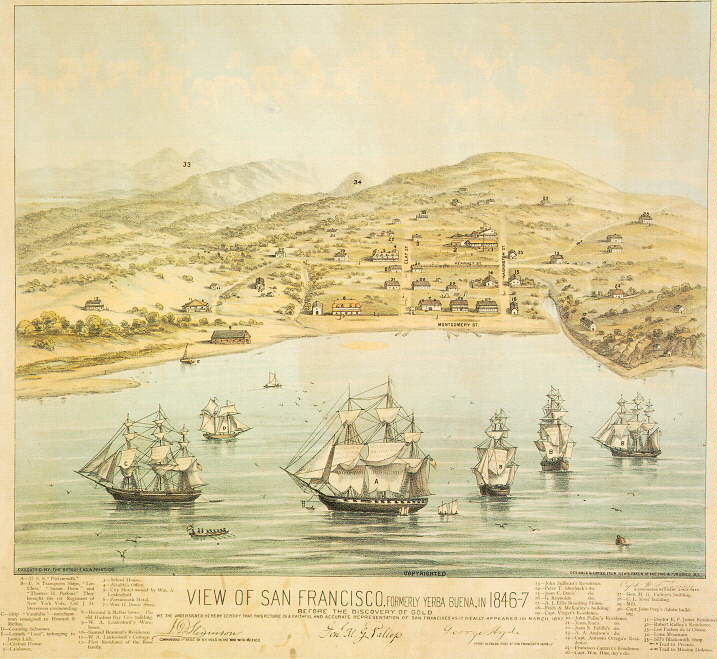
The rebirth of Leidesdorff Ranch Regional Park is now under consideration in Sacramento County. A nationwide network of agricultural professionals support the authentic restoration to California’s agricultural legacy, in memory of William Alexander Leidesdorff, Jr., (1810-1848) a prominent civic leader and founding pioneer in the successful quest for California to become the 31st state of the United States of America.
William Alexander Leidesdorff, Jr. was born in St. Croix, Danish Virgin Islands, in October 1810 to Anna Marie Sparks, of African Cuban ancestry and William Leidesdorff, of Danish Jewish ancestry.
He owned the largest home in San Francisco, was elected City Treasurer, constructed the City Hotel, built the first commercial shipping warehouse and wharf in S.F., elected President of the first California School Board and donated the land to build the first public school in California, owned and operated his 35,000+ acre agribusiness, Leidesdorff Ranch in Sacramento County.
In 1834, Leidesdorff was naturalized a U.S. Citizen and began to develop a lucrative maritime shipping business. The Negro Seamen Acts, at the second busiest port in the United States, New Orleans and the tragic ending to his love affair and engagement to be married, William decided to relocate to the Pacific Rim.
In 1840, Leidesdorff traveled to New York, NY and on his final plans east coast voyage he sailed through the ports in Cuba, Virgin Islands, Panama, Brazil, Argentina, Chile and Hawaii relocating to Alta Mexican California.
In 1841, Leidesdorff sailed the first United States shipping vessel, the Julia Ann, into the sleepy Mexican fishing Village of Yerba Buena, modern day San Francisco, to establish a world maritime center.
In 1843, he was naturalized as a Mexican citizen in order to facilitate acquiring a vast land grant from the Mexican authorities, and was an early advocate of creating dual United States citizenship.
In 1844, William Alexander Leidesdorff, Jr. obtained title to Rancho Rio de Los Americanos, well over 35,000+ acres of prime real estate along the south bank of the American River. His global trade and commerce projects financed, developed, and helped stabilize the Sacramento Valley.
In 1845, he accepted the position of United States Vice-Consul to the Mexican Alta California region; as such, he became the first African-American diplomat, affectionately known as "A Founding Father of California."
In 1846, he was an active leader in the Bear Flag Revolt during the Mexican-American War. He went on to captain the first and only steam ship in California prior to the Gold Rush of 1848, the Sitka. His maiden steam voyage up the Sacramento River is immortalized on the California State Seal and recognizes his vision for increased maritime transportation of California's agricultural products to world markets.
In 1848, prior to his untimely death from brain fever, he received official notification of vast quantities of gold on his immense cattle and wheat ranch along today's Route 50 corridor. May 18, 1848 he was buried just inside the front entrance of the Roman Catholic Church, Old San Francisco Mission Delores Basilica.
In 2004, the William Alexander Leidesdorff Jr. Memorial Highway was officially named by the California State Legislature and highway sign installations occurred Spring of 2005.
In 2007, the State of California, California Farmer, California Farm Bureau and California Chamber of Commerce and California State Fair inducted Leidesdorff Ranch into the prestigious, California Agricultural Heritage Club.
California Black History Month 2008, Leidesdorff Ranch Regional Park may become the official name of today’s Goethe Park, continuing a rebirth of the “Golden Legacy of William Alexander Leidesdorff, Jr.”
For more information contact
Michael Harris, Leidesdorff Project Director
LeidesdorffProject @ yahoo.com
(916) 220-5320
William Alexander Leidesdorff, Jr. was born in St. Croix, Danish Virgin Islands, in October 1810 to Anna Marie Sparks, of African Cuban ancestry and William Leidesdorff, of Danish Jewish ancestry.
He owned the largest home in San Francisco, was elected City Treasurer, constructed the City Hotel, built the first commercial shipping warehouse and wharf in S.F., elected President of the first California School Board and donated the land to build the first public school in California, owned and operated his 35,000+ acre agribusiness, Leidesdorff Ranch in Sacramento County.
In 1834, Leidesdorff was naturalized a U.S. Citizen and began to develop a lucrative maritime shipping business. The Negro Seamen Acts, at the second busiest port in the United States, New Orleans and the tragic ending to his love affair and engagement to be married, William decided to relocate to the Pacific Rim.
In 1840, Leidesdorff traveled to New York, NY and on his final plans east coast voyage he sailed through the ports in Cuba, Virgin Islands, Panama, Brazil, Argentina, Chile and Hawaii relocating to Alta Mexican California.
In 1841, Leidesdorff sailed the first United States shipping vessel, the Julia Ann, into the sleepy Mexican fishing Village of Yerba Buena, modern day San Francisco, to establish a world maritime center.
In 1843, he was naturalized as a Mexican citizen in order to facilitate acquiring a vast land grant from the Mexican authorities, and was an early advocate of creating dual United States citizenship.
In 1844, William Alexander Leidesdorff, Jr. obtained title to Rancho Rio de Los Americanos, well over 35,000+ acres of prime real estate along the south bank of the American River. His global trade and commerce projects financed, developed, and helped stabilize the Sacramento Valley.
In 1845, he accepted the position of United States Vice-Consul to the Mexican Alta California region; as such, he became the first African-American diplomat, affectionately known as "A Founding Father of California."
In 1846, he was an active leader in the Bear Flag Revolt during the Mexican-American War. He went on to captain the first and only steam ship in California prior to the Gold Rush of 1848, the Sitka. His maiden steam voyage up the Sacramento River is immortalized on the California State Seal and recognizes his vision for increased maritime transportation of California's agricultural products to world markets.
In 1848, prior to his untimely death from brain fever, he received official notification of vast quantities of gold on his immense cattle and wheat ranch along today's Route 50 corridor. May 18, 1848 he was buried just inside the front entrance of the Roman Catholic Church, Old San Francisco Mission Delores Basilica.
In 2004, the William Alexander Leidesdorff Jr. Memorial Highway was officially named by the California State Legislature and highway sign installations occurred Spring of 2005.
In 2007, the State of California, California Farmer, California Farm Bureau and California Chamber of Commerce and California State Fair inducted Leidesdorff Ranch into the prestigious, California Agricultural Heritage Club.
California Black History Month 2008, Leidesdorff Ranch Regional Park may become the official name of today’s Goethe Park, continuing a rebirth of the “Golden Legacy of William Alexander Leidesdorff, Jr.”
For more information contact
Michael Harris, Leidesdorff Project Director
LeidesdorffProject @ yahoo.com
(916) 220-5320
For more information:
http://local.yahoo.com/neighbors/s112
Add Your Comments
Latest Comments
Listed below are the latest comments about this post.
These comments are submitted anonymously by website visitors.
TITLE
AUTHOR
DATE
Way to Go!Our heritage and our history must be preserved
Wed, Jan 16, 2008 3:42PM
We are 100% volunteer and depend on your participation to sustain our efforts!
Donate

$110.00 donated
in the past month
Get Involved
If you'd like to help with maintaining or developing the website, contact us.
Publish
Publish your stories and upcoming events on Indybay.
Topics
More
Search Indybay's Archives
Advanced Search
►
▼
IMC Network