







 Publish to Newswire
 Add an Event
From the Open-Publishing Calendar
From the Open-Publishing Newswire
Indybay Feature
Tibetans gaining voice through films and photography
Links to High Def Tibetan films online
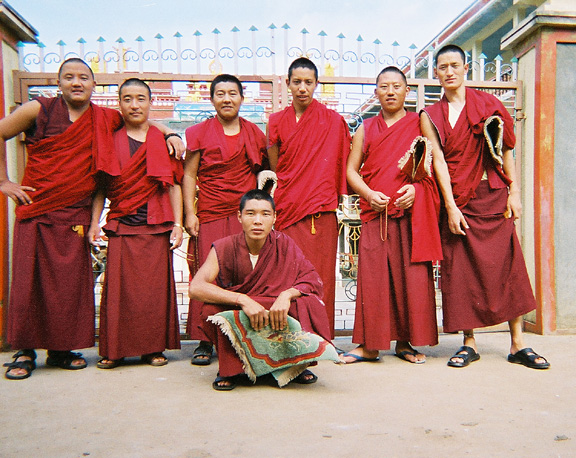
Tibetan films at The Tibetan Photo Project at
http://www.tibetanphotoproject.com/video_trailers.html
On Youtube at http://www.youtube.com/user/TibetanPhotoProject
And High Def Three clips at http://stage6.divx.com/The-Tibetan-Photo-Project
Three more High Def clips at http://stage6.divx.com/user/TibetanPhotoProject
The Tibetan Photo Project
Mission Statement
Recognizing that there is much that we can learn from the Tibetans:
The goal of The Tibetan Photo Project is to provide the tools and technical education in photography to create a voice from the films and photos by Tibetans.
While there have been thousands of great visual works documenting the Tibetans, most have been from the perspective of the Western eye.
The Tibetan Photo Project is working to present the Tibetans' own perspective through the Website, exhibits, films, DVDs and other visual programs created from their own photographic work or by film and photo efforts directed by Tibetans.
Please visit The Tibetan Photo Project at
http://www.tibetanphotoproject.com
First-time visitors, be sure to visit the update and founders' statement page
and the media coverage page to see how The Tibetan Photo Project is growing
a voice from the Tibetans.
http://www.tibetanphotoproject.com/video_trailers.html
On Youtube at http://www.youtube.com/user/TibetanPhotoProject
And High Def Three clips at http://stage6.divx.com/The-Tibetan-Photo-Project
Three more High Def clips at http://stage6.divx.com/user/TibetanPhotoProject
The Tibetan Photo Project
Mission Statement
Recognizing that there is much that we can learn from the Tibetans:
The goal of The Tibetan Photo Project is to provide the tools and technical education in photography to create a voice from the films and photos by Tibetans.
While there have been thousands of great visual works documenting the Tibetans, most have been from the perspective of the Western eye.
The Tibetan Photo Project is working to present the Tibetans' own perspective through the Website, exhibits, films, DVDs and other visual programs created from their own photographic work or by film and photo efforts directed by Tibetans.
Please visit The Tibetan Photo Project at
http://www.tibetanphotoproject.com
First-time visitors, be sure to visit the update and founders' statement page
and the media coverage page to see how The Tibetan Photo Project is growing
a voice from the Tibetans.
For more information:
http://www.tibetanphotoproject.com
Add Your Comments
Comments
(Hide Comments)
Maybe more Tibetans are "gaining voice" through communism, than ever had them under the theocracy of the Dalai Lama. That's because a "voice" starts with food in your stomach, literacy, and healthcare-- things that communism delivers and theocracies don't.
Who is this displaced Dalai Lama? Well, according to wikipedia:
"In Tibetan Buddhism, the successive Dalai Lamas form a lineage of allegedly reborn (tulku) magistrates which traces back to 1391. They are of the Gelug sect of Buddhism. Tibetan Buddhists believe the Dalai Lama to be one of innumerable incarnations of Avalokiteśvara ("Chenrezig" [spyan ras gzigs] in Tibetan), the bodhisattva of compassion.[1] Between the 17th century and 1959, the Dalai Lama was the head of the Tibetan government, administering a large portion of the country from the capital Lhasa. He is often styled "His Holiness" (HH) before his title."
[source:http://en.wikipedia.org/wiki/Dalai_Lama]
Magistrate. Head of government. "His Holiness."
Maybe the change will do the average Tibetan some good-- ever think of that? Or should the typical high-mountain peasant go back to eating prayers?
Who is this displaced Dalai Lama? Well, according to wikipedia:
"In Tibetan Buddhism, the successive Dalai Lamas form a lineage of allegedly reborn (tulku) magistrates which traces back to 1391. They are of the Gelug sect of Buddhism. Tibetan Buddhists believe the Dalai Lama to be one of innumerable incarnations of Avalokiteśvara ("Chenrezig" [spyan ras gzigs] in Tibetan), the bodhisattva of compassion.[1] Between the 17th century and 1959, the Dalai Lama was the head of the Tibetan government, administering a large portion of the country from the capital Lhasa. He is often styled "His Holiness" (HH) before his title."
[source:http://en.wikipedia.org/wiki/Dalai_Lama]
Magistrate. Head of government. "His Holiness."
Maybe the change will do the average Tibetan some good-- ever think of that? Or should the typical high-mountain peasant go back to eating prayers?
Maybe more Tibetans are "gaining voice" through communism, than ever had them under the theocracy of the Dalai Lama. That's because a "voice" starts with food in your stomach, literacy, and healthcare-- things that communism delivers and theocracies don't.
Who is this displaced Dalai Lama? Well, according to wikipedia:
"In Tibetan Buddhism, the successive Dalai Lamas form a lineage of allegedly reborn (tulku) magistrates which traces back to 1391. They are of the Gelug sect of Buddhism. Tibetan Buddhists believe the Dalai Lama to be one of innumerable incarnations of Avalokiteśvara ("Chenrezig" [spyan ras gzigs] in Tibetan), the bodhisattva of compassion.[1] Between the 17th century and 1959, the Dalai Lama was the head of the Tibetan government, administering a large portion of the country from the capital Lhasa. He is often styled "His Holiness" (HH) before his title."
[source:http://en.wikipedia.org/wiki/Dalai_Lama]
Magistrate. Head of government. "His Holiness."
Maybe the change will do the average Tibetan some good-- ever think of that? Or should the typical high-mountain peasant go back to eating prayers?
Who is this displaced Dalai Lama? Well, according to wikipedia:
"In Tibetan Buddhism, the successive Dalai Lamas form a lineage of allegedly reborn (tulku) magistrates which traces back to 1391. They are of the Gelug sect of Buddhism. Tibetan Buddhists believe the Dalai Lama to be one of innumerable incarnations of Avalokiteśvara ("Chenrezig" [spyan ras gzigs] in Tibetan), the bodhisattva of compassion.[1] Between the 17th century and 1959, the Dalai Lama was the head of the Tibetan government, administering a large portion of the country from the capital Lhasa. He is often styled "His Holiness" (HH) before his title."
[source:http://en.wikipedia.org/wiki/Dalai_Lama]
Magistrate. Head of government. "His Holiness."
Maybe the change will do the average Tibetan some good-- ever think of that? Or should the typical high-mountain peasant go back to eating prayers?
We are 100% volunteer and depend on your participation to sustain our efforts!
Donate

$140.00 donated
in the past month
Get Involved
If you'd like to help with maintaining or developing the website, contact us.
Publish
Publish your stories and upcoming events on Indybay.
Topics
More
Search Indybay's Archives
Advanced Search
►
▼
IMC Network