







 Publish to Newswire
 Add an Event
UC Fences In Oak Protesters!
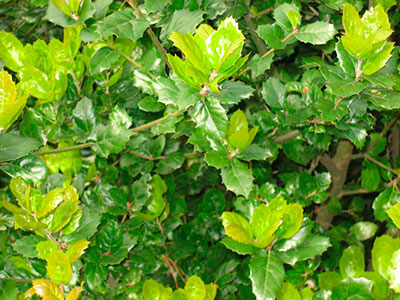
Coast Live Oaks are the primary woodland ecosystem of the east bay and a central part of what defines this region. Several years ago, Berkeley passed a law that prohibits their destruction. Under the law, which is called the Berkeley Coast Live Oak Moratorium (.pdf), it is illegal to cut down any mature Coast Live Oak within the Berkeley city limits which measures over six inches in diameter at chest height. All 38 threatened oaks in the Memorial Grove would be protected from destruction under the Berkeley moratorium, but the University has stated that because UC is part of state government, it is “not obliged to obey local environmental laws.”
Save the Oaks
-One fifth of Alameda County is oak tree habitat. Oaks are by no means threatened, even locally.
-The university is planting more trees that it will cut for the building of the new facilities. The University is also replacing a parking lot with a tree-lined pedestrian plaza to the north of the stadium. 20-30 years from now, the whole area will actually LOOK GREENER and HAVE MORE TREES than it has today.
-This new building can potentially SAVE THE LIVES of FIVE HUNDRED students and staff who currently train underneath an unsafe structure nearby.
You are grossly misrepresenting the environmental impact of cutting 38 mature trees and ignoring the accute need for the new facility. This effort to0 block construction is totally misguided at best, and potentially criminal at worst.
Environmentalism without any rational basis is not only stupid, it is a disservice to other real worthy causes.
But a real primary cause is the the unmitigated arrogance of a University, which ha been continuously displayed over the past four decades, (from the founding of peoples park in the late sixties, to erecting volleyball courts inn the same park in the early 90's, to tearing down the free boxes earlier this year).
You also said: -This new building can potentially SAVE THE LIVES of FIVE HUNDRED students and staff who currently train underneath an unsafe structure nearby.. Are you kidding? UC plans to build this project is across an majorEarthquake Faultline Do you really believe that the new structure will be safer than the old one?
But "Save the Oaks" own website says, and I quote: "Meanwhile, the Coast Live Oak is a threatened species.
http://www.saveoaks.com/SaveOaks/Learn%20More.html
The HEADER from that page says: "This site is of great value as a gene bank for the Coast Live Oak". This is utterly ridiculous. There are 38 mature live oaks in the grove, and 250,000,000 in the State of California. 100,000 acres of oak habitat in Alameda County alon. Save the Oaks is clearly lying when it tries to portray the trees next to the stadium as some sort of gene bank for a threatened species.
There have also been gross misrepresentations about this grove being the last group of oak trees in Berkeley. There are in fact at least 4 other oak groves in the city, many bigger, more important and nicer.
The protestors have also tried to invoke a number of dubious claims such as it being a Native American burial ground (part of "Running Wolf"'s fantasy word) and it being seismically unsafe.
Fact is, professional studies have confirmed that the new building is not DIRECTLY on the fault. Building NEXT TO a fault is actually safer than building in the Berkeley lowlands. Whereas WE KNOW that the current facilities that the new building is designed to replace IS STRUCTURALLY UNSAFE. We are talking about the lives of 500 students and staff here. It's really disconcerting that the protest movement around this project dismisses this point.
"Increased traffic congestion": I'm calling BS here again. The students and staff who will use the facilities ALREADY ARE ON CAMPUS using other facilities. This is not some kind of business for outsiders, it is a facilitiy for students who are already on campus and currently using adjacent unsafe facilities. Most of the traffic is pedestrian anyway. Straw man!
"Increased traffic congestion" is an argument that rich NIMBYs from Panoramic Hills (MEDIAN HOME PRICE OF $1.25 MILLION) have been using because they hate the students and the campus community. Their behavior and stance today is consistent with their past behavior where they opposed concerts at the Greek Theater. It is also the argument that they have used to oppose high-density corridors near public transit areas in Berkeley, despite the fact that higher urban densities is a far better approach environmentally speaking. It's the only alternative to urban sprawl.
I think it's also hypocritical of the City of Berkeley to block construction under the pretext of the trees when in fact it has been cutting urban trees BY THE THOUSANDS in the last two decades ONLY BECAUSE THEY DIDN"T WANT TO SPEND MONEY TO MAINTAIN THEM. As well, OVER TEN THOUSAND eucalyptus trees are going to be cut rigtht behind the stadium in the next few years.
What the University did with People Park 20 years ago is of no consequence in this case. At stake are the lives of 500 students and staff who are using unsafe facilities every day today.
http://www.zillow.com is imperfect, but a lot of houses in the flat area below campus are $1 million plus.
It's kind of ironic that the protesters are actually the foot soldiers for the rich sociopaths up on the hill who want to turn the univesity into their dog park.
Any fence or barrier device to segregate people from the oak forest deprives us of the human/forest connection. The purported sports fans who may be angry with the oak grove treesitters have not even been given the chance for any dialogue, thus maintaining the status quo of corporate media spinning this issue to their liking as "sports fans vs. eco-radical treesitter" with no middle ground in sight..
We are missing out on any potential to reintroduce the effective and energy rich food of oak acorns to the students and public if we allow these oaks to be destroyed. A few info plaques could help people understand the connections between indigenous North Americans and the oak groves, the nutritional value of acorns as a food source, some examples of acorn processing methods as utilized by native North Americans..
Even if we only consider our human selves in this process, wouldn't we as humans be better of with retianing the living forest ecosystem tah provides people shelter from elements (wind, rain, sun, etc..) and also physical beauty, acorns and wildlife habitat. What does a concrete walled gladiator, excuse me, spectator sports megastadium really supply the human community? Could the average working class Bay Area resident afford to visit these games? Or would watching the neighborhood teams play sports in local parks for free be a wiser investment for the entire community??
How about improving and increasing the region's neighborhood parks to encourage local participatory (instead of corporate spectator) sporting events? Wouldn't this be more affordable for taxpayers (and sports participants) and also encourage community building and better health and fitness??
These regional parks could be located on other sites throughout the region, adding to the greenway potential of the greater bay area..
Donate

$210.00 donated
in the past month
Get Involved
If you'd like to help with maintaining or developing the website, contact us.
Publish
Publish your stories and upcoming events on Indybay.