







 Publish to Newswire
 Add an Event
From the Open-Publishing Calendar
From the Open-Publishing Newswire
Indybay Feature
Walking to Omega
This is a review of John Morearty’s new book - Walking to Omega.
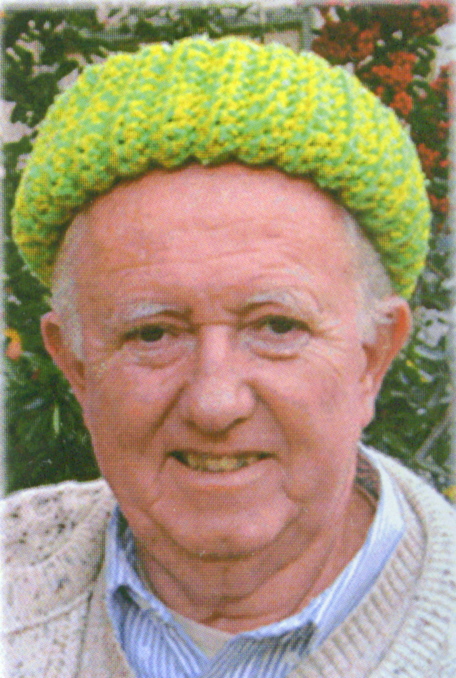
Walking to Omega
Tales of a Peacenik Carpenter
review by Mike Rhodes
The Central Valley is a harsh political environment for progressive political activists to thrive in. That is why it is so interesting to read a story about a man who has spent a great deal of his life here working for peace, social, and economic justice. What motivates him? What sustains him? What insights into life does John Morearty, who lives in Stockton, have to share with us?
John came to Stockton in the late 60's to teach at Callison College, which was a part of the University of the Pacific (UOP). Callison was an experimental/alternative educational school where a well educated and progressive graduate from the University of Chicago would fit right in. John doesn’t make this argument, but it might have been to his advantage that he did not grow up in the Central Valley. Coming from Chicago and having spent time in India gave him the opportunity to look at life here through a different set of eyes.
John did not become a political activist while teaching at Callison, but he did speak out against the war in Vietnam. He spoke at one demonstration on the UOP campus where 1,200 students and faculty turned out. The campus only had 3,000 students at the time. After the rally he recalled that “one evening came a knock on our front door. There stood a man my own age with wild red hair and beard. . . ‘Hey, man, are you the one who gave the speech against the war that was in the paper?’ ” He said he was, and the guy said “well, I agree with you a hundred percent. Those pigs are killing us. We gotta do some really radical stuff to stop this American imperialism crap. Whadya say you and I get together and get down?!” Morearty wisely said “no thanks.” This person pops up later in the book - his probable motivation reveled.
This story was interesting because something similar happened to me in Fresno. I too had a stranger knock on my door saying how he was “down with the revolution” and he was “there for me” if I needed any help robbing banks or offing the pigs. I told him not to call me but if I needed his services I would call him. I did not ask for his phone number. There were many instances during the 70's and 80's when law enforcement would try to set us up.
Another lesson John learned while working at Callison was the value of treating each other with mutual respect, especially when working in a small peace community in a middle American city. He writes, “if a tight group is engaged in valuable work, then its members must treat each other with respect. No badmouthing, no grudges; that will tear the work apart. Learn to accept difference, and to apologize.”
Total immersion in activism came after he had left his teaching position at Callison and realized, through an epiphany, that thermonuclear war could end his children’s lives. At 40, he found the Stockton Peace Life Group, who were already engaged in this work. As John writes, “they were happy to get a new recruit.” The new friends he found became his “community” and they supported and sustained each other. Reading about their adventures - organizing marches, leafleting at the post office on tax day, bringing speakers to town, showing films, was a lot like what people were doing in other valley towns.
John kept pushing and found himself more and more committed to organizing anti-nuclear actions. He was involved with the Nuclear Freeze, becoming a speaker at numerous events. He describes a scene at a rally in Marysville, the home of a nuclear bomber Air Force base. Speaking to the rally he said “and at a distance of 35 miles, a thermonuclear blast will set human hair on fire.” He cut off a patch of his long red hair and held a burning match to it. He writes that he was not sure if he should have been proud or embarrassed by the action.
But, don’t get the idea that this book is all about political activism in the Central Valley. There is also a spiritual quest that weaves throughout the pages and includes insights into Catholicism, Buddhism, and other religions. It is instructive how family, woodworking (his new career), community, political action, and the near constant search for a mate combined to sustain John when times got hard, as they inevitably do.
In a dream he had while in the Santa Rita jail, after participating in a civil disobedience action to stop the Livermore nuclear program, he glimpses his future. The vision, which was far from clear at the time, leads him to combine his love for teaching and political activism into a show on public access TV. The show, Talking it Through, lasted for years educating and entertaining the community. The show reached out to an audience (television land) that would not have heard many of the ideas about peace, social, and economic justice without it. He was also deeply involved with the local alternative/independent Stockton Connections newspaper and still writes the Sawznhammers column.
I loved the story about the sit in at congressman Norman Shumway’s office in protest of U.S. intervention in Central America. After weeks of protesting outside his office and asking to meet with Shumway, they decided to wait inside until he agreed to talk with them about that immoral and shameful war. Unlike the sit in we had in congressman Pashayan’s office in Fresno, they didn’t stop. After one group got arrested, they sent in a new crew the next day. This went on until they ran out of volunteers and then people started going back and getting arrested a second and third time. If you were active in Central America solidarity work in the 80's, you won’t want to miss this chapter. It is great reading!
Many political activists will relate to the story about supporting a progressive candidate as a way to bring about social change. There are predictable details about how the electoral system is stacked against progressive candidates like a Gerrymandered district set up for a Republican victory that runs from Stockton to the Oregon border. This is a tale of betrayal (at the last minute) by the Democratic party and hope that a grassroots campaign that does not accept PAC money (even from progressive groups) could win. Unfortunately, they don’t. But, there are lessons to learn even in our defeats.
John is a man with a big heart, he listens to his intuition, is good at what he does, and has lived life well. There is always something valuable to be learned by reading about a life well lived. If you are a progressive political activist in the Central Valley, you are in for a special treat. I’m sure everyone will find nuggets of wisdom and insight when they read Walking to Omega, Tales of a Peacenik Carpenter.
###
Walking to Omega
Tales of a Peacenik Carpenter
is available from http://www.lulu.com and http://www.johnmorearty.com
$24.95 + shipping.
Tales of a Peacenik Carpenter
review by Mike Rhodes
The Central Valley is a harsh political environment for progressive political activists to thrive in. That is why it is so interesting to read a story about a man who has spent a great deal of his life here working for peace, social, and economic justice. What motivates him? What sustains him? What insights into life does John Morearty, who lives in Stockton, have to share with us?
John came to Stockton in the late 60's to teach at Callison College, which was a part of the University of the Pacific (UOP). Callison was an experimental/alternative educational school where a well educated and progressive graduate from the University of Chicago would fit right in. John doesn’t make this argument, but it might have been to his advantage that he did not grow up in the Central Valley. Coming from Chicago and having spent time in India gave him the opportunity to look at life here through a different set of eyes.
John did not become a political activist while teaching at Callison, but he did speak out against the war in Vietnam. He spoke at one demonstration on the UOP campus where 1,200 students and faculty turned out. The campus only had 3,000 students at the time. After the rally he recalled that “one evening came a knock on our front door. There stood a man my own age with wild red hair and beard. . . ‘Hey, man, are you the one who gave the speech against the war that was in the paper?’ ” He said he was, and the guy said “well, I agree with you a hundred percent. Those pigs are killing us. We gotta do some really radical stuff to stop this American imperialism crap. Whadya say you and I get together and get down?!” Morearty wisely said “no thanks.” This person pops up later in the book - his probable motivation reveled.
This story was interesting because something similar happened to me in Fresno. I too had a stranger knock on my door saying how he was “down with the revolution” and he was “there for me” if I needed any help robbing banks or offing the pigs. I told him not to call me but if I needed his services I would call him. I did not ask for his phone number. There were many instances during the 70's and 80's when law enforcement would try to set us up.
Another lesson John learned while working at Callison was the value of treating each other with mutual respect, especially when working in a small peace community in a middle American city. He writes, “if a tight group is engaged in valuable work, then its members must treat each other with respect. No badmouthing, no grudges; that will tear the work apart. Learn to accept difference, and to apologize.”
Total immersion in activism came after he had left his teaching position at Callison and realized, through an epiphany, that thermonuclear war could end his children’s lives. At 40, he found the Stockton Peace Life Group, who were already engaged in this work. As John writes, “they were happy to get a new recruit.” The new friends he found became his “community” and they supported and sustained each other. Reading about their adventures - organizing marches, leafleting at the post office on tax day, bringing speakers to town, showing films, was a lot like what people were doing in other valley towns.
John kept pushing and found himself more and more committed to organizing anti-nuclear actions. He was involved with the Nuclear Freeze, becoming a speaker at numerous events. He describes a scene at a rally in Marysville, the home of a nuclear bomber Air Force base. Speaking to the rally he said “and at a distance of 35 miles, a thermonuclear blast will set human hair on fire.” He cut off a patch of his long red hair and held a burning match to it. He writes that he was not sure if he should have been proud or embarrassed by the action.
But, don’t get the idea that this book is all about political activism in the Central Valley. There is also a spiritual quest that weaves throughout the pages and includes insights into Catholicism, Buddhism, and other religions. It is instructive how family, woodworking (his new career), community, political action, and the near constant search for a mate combined to sustain John when times got hard, as they inevitably do.
In a dream he had while in the Santa Rita jail, after participating in a civil disobedience action to stop the Livermore nuclear program, he glimpses his future. The vision, which was far from clear at the time, leads him to combine his love for teaching and political activism into a show on public access TV. The show, Talking it Through, lasted for years educating and entertaining the community. The show reached out to an audience (television land) that would not have heard many of the ideas about peace, social, and economic justice without it. He was also deeply involved with the local alternative/independent Stockton Connections newspaper and still writes the Sawznhammers column.
I loved the story about the sit in at congressman Norman Shumway’s office in protest of U.S. intervention in Central America. After weeks of protesting outside his office and asking to meet with Shumway, they decided to wait inside until he agreed to talk with them about that immoral and shameful war. Unlike the sit in we had in congressman Pashayan’s office in Fresno, they didn’t stop. After one group got arrested, they sent in a new crew the next day. This went on until they ran out of volunteers and then people started going back and getting arrested a second and third time. If you were active in Central America solidarity work in the 80's, you won’t want to miss this chapter. It is great reading!
Many political activists will relate to the story about supporting a progressive candidate as a way to bring about social change. There are predictable details about how the electoral system is stacked against progressive candidates like a Gerrymandered district set up for a Republican victory that runs from Stockton to the Oregon border. This is a tale of betrayal (at the last minute) by the Democratic party and hope that a grassroots campaign that does not accept PAC money (even from progressive groups) could win. Unfortunately, they don’t. But, there are lessons to learn even in our defeats.
John is a man with a big heart, he listens to his intuition, is good at what he does, and has lived life well. There is always something valuable to be learned by reading about a life well lived. If you are a progressive political activist in the Central Valley, you are in for a special treat. I’m sure everyone will find nuggets of wisdom and insight when they read Walking to Omega, Tales of a Peacenik Carpenter.
###
Walking to Omega
Tales of a Peacenik Carpenter
is available from http://www.lulu.com and http://www.johnmorearty.com
$24.95 + shipping.
For more information:
http://www.johnmorearty.com
Add Your Comments
Latest Comments
Listed below are the latest comments about this post.
These comments are submitted anonymously by website visitors.
TITLE
AUTHOR
DATE
great post
Thu, Jul 5, 2007 1:28AM
We are 100% volunteer and depend on your participation to sustain our efforts!
Donate

$110.00 donated
in the past month
Get Involved
If you'd like to help with maintaining or developing the website, contact us.
Publish
Publish your stories and upcoming events on Indybay.
Topics
More
Search Indybay's Archives
Advanced Search
►
▼
IMC Network