







 Publish to Newswire
 Add an Event
From the Open-Publishing Calendar
From the Open-Publishing Newswire
Indybay Feature
150th Anniversary of Black Sacramento (1840 - 1865)
Leidesdorff Project Director, curates a Folsom History Museum, Black History Month Exhibit and co-hosts a free community reception, 150th Anniversary of Black Sacramento, Saturday, February 24, 2007, 5:30 p.m. to 7:30 p.m., 823 Sutter Street, Folsom, California.
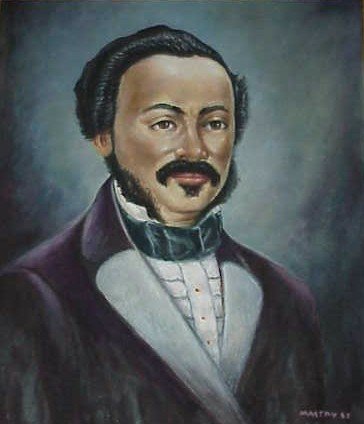
150th Anniversary of Black Sacramento
(1840-1865)
Documented reports of early Black Sacramento pioneers ‘Discovering Gold’ on Leidesdorff Ranch, Sacramento County begs the question, where did they come from and how did ‘free’ Black pioneers arrive in early California. Black History Month 2007 continues this wonderful journey.
For over 300 years European Conquistadors held many Black souls captive as they changed forever native people and culture in the land of California. The final 1790 Spanish census report shows nearly 1/4th of the population in California had various mixtures of Black ancestry. A short lived Mexican Independence in California (1821-1846) facilitated an official end to slavery and later the U.S. ~ Mexican War (1846-1850)
Spring of 1848, land squatters of many cultural ethnicities flocked to a natural ‘mile long sand and gravel treasure’ geographically known as Negro Bar, the verified official reports of U.S. Army Captain Reading documents the written record of Black History in the Gold Rush Era, specifically Leidesdorff Ranch.owned by the “African Founding Father of California.”
Michael Harris, Leidesdorff Project Director, curates a Folsom History Museum, Black History Month Exhibit and co-hosts a free community reception, 150th Anniversary of Black Sacramento, Saturday, February 24, 2007, 5:30 p.m. to 7:30 p.m., 823 Sutter Street, Folsom, California.
Today, we can provide an essential educational foundation for a broader discussion of the historic Black population in our greater Sacramento River Basin of Northern California that honors our unique contribution to the forward flow of humanity. In 1857, the first edition of the Sacramento Bee speaks of the high costs of purchasing “Virginia slaves” and one month later our U.S. Supreme Court ruled, “the black man, slave or free has no rights that the white man is bound to respect.”
We remain steadfast to our ancient spiritual authority and proud to do our part to “form a more perfect union” here in the land where we were born.
William Alexander Leidesdorff, Jr. was born on October 23, 1810, in the Danish Virgin Islands to Anna Marie, his African-Cuban mother and to William Alexander, his Danish-Jewish father. As the eldest son, he showcased the high cultural values of a strong Caribbean multi-ethnic heritage.
William Alexander Leidesdorff, Jr. was buried on May 18, 1848; his tombstone is inside the front entrance of Mission Dolores Basilica, Roman Catholic Church, and San Francisco, CA.
In 1834, Leidesdorff was naturalized a U.S. citizen in New Orleans, Louisiana and was a successful maritime merchant until 1838 when the Negro Seamen Acts were utilized and unwarranted fines at the Port of New Orleans facilitated his migration to the Pacific Rim. His successful maritime trade and commerce flourished, Captain Leidesdorff built the original S.F. shipping warehouse and ship building yards.
Leidesdorff obtained dual Mexican citizenship in 1844, and during the
U.S.~ Mexican War 1846 - 1848, he was a leading catalyst for California becoming our 31st State of the Union. He served as the U.S. Vice Consul of Mexican, Alta California, and first African American Diplomat in history.
Independence Day 1846, our U.S. Declaration of Independence was officially read in California for the first time on the garden veranda at the Leidesdorff S.F. residence, showcasing world-class cosmopolitan elegance.
In 1847, Leidesdorff was elected first City Treasurer of San Francisco and served as first President of the San Francisco Board of Education, opening the first public school in California, Portsmouth Square, S.F.
Leidesdorff owned and operated the only steam vessel in California prior to the Gold Rush of 1848. His steam vessel, the Sitka, is seen on the California State Seal, demonstrating modern transportation of agricultural products from his vast 35,000-acre ranch and store in the Sacramento Valley.
Today, Historic Leidesdorff Ranch remains a rapidly growing region offering unsurpassed cultural heritage tourism destinations and modern economic development opportunities that once agian “Discover Gold” in the ancient land of Queen Califia, the Great State of California.
(1840-1865)
Documented reports of early Black Sacramento pioneers ‘Discovering Gold’ on Leidesdorff Ranch, Sacramento County begs the question, where did they come from and how did ‘free’ Black pioneers arrive in early California. Black History Month 2007 continues this wonderful journey.
For over 300 years European Conquistadors held many Black souls captive as they changed forever native people and culture in the land of California. The final 1790 Spanish census report shows nearly 1/4th of the population in California had various mixtures of Black ancestry. A short lived Mexican Independence in California (1821-1846) facilitated an official end to slavery and later the U.S. ~ Mexican War (1846-1850)
Spring of 1848, land squatters of many cultural ethnicities flocked to a natural ‘mile long sand and gravel treasure’ geographically known as Negro Bar, the verified official reports of U.S. Army Captain Reading documents the written record of Black History in the Gold Rush Era, specifically Leidesdorff Ranch.owned by the “African Founding Father of California.”
Michael Harris, Leidesdorff Project Director, curates a Folsom History Museum, Black History Month Exhibit and co-hosts a free community reception, 150th Anniversary of Black Sacramento, Saturday, February 24, 2007, 5:30 p.m. to 7:30 p.m., 823 Sutter Street, Folsom, California.
Today, we can provide an essential educational foundation for a broader discussion of the historic Black population in our greater Sacramento River Basin of Northern California that honors our unique contribution to the forward flow of humanity. In 1857, the first edition of the Sacramento Bee speaks of the high costs of purchasing “Virginia slaves” and one month later our U.S. Supreme Court ruled, “the black man, slave or free has no rights that the white man is bound to respect.”
We remain steadfast to our ancient spiritual authority and proud to do our part to “form a more perfect union” here in the land where we were born.
William Alexander Leidesdorff, Jr. was born on October 23, 1810, in the Danish Virgin Islands to Anna Marie, his African-Cuban mother and to William Alexander, his Danish-Jewish father. As the eldest son, he showcased the high cultural values of a strong Caribbean multi-ethnic heritage.
William Alexander Leidesdorff, Jr. was buried on May 18, 1848; his tombstone is inside the front entrance of Mission Dolores Basilica, Roman Catholic Church, and San Francisco, CA.
In 1834, Leidesdorff was naturalized a U.S. citizen in New Orleans, Louisiana and was a successful maritime merchant until 1838 when the Negro Seamen Acts were utilized and unwarranted fines at the Port of New Orleans facilitated his migration to the Pacific Rim. His successful maritime trade and commerce flourished, Captain Leidesdorff built the original S.F. shipping warehouse and ship building yards.
Leidesdorff obtained dual Mexican citizenship in 1844, and during the
U.S.~ Mexican War 1846 - 1848, he was a leading catalyst for California becoming our 31st State of the Union. He served as the U.S. Vice Consul of Mexican, Alta California, and first African American Diplomat in history.
Independence Day 1846, our U.S. Declaration of Independence was officially read in California for the first time on the garden veranda at the Leidesdorff S.F. residence, showcasing world-class cosmopolitan elegance.
In 1847, Leidesdorff was elected first City Treasurer of San Francisco and served as first President of the San Francisco Board of Education, opening the first public school in California, Portsmouth Square, S.F.
Leidesdorff owned and operated the only steam vessel in California prior to the Gold Rush of 1848. His steam vessel, the Sitka, is seen on the California State Seal, demonstrating modern transportation of agricultural products from his vast 35,000-acre ranch and store in the Sacramento Valley.
Today, Historic Leidesdorff Ranch remains a rapidly growing region offering unsurpassed cultural heritage tourism destinations and modern economic development opportunities that once agian “Discover Gold” in the ancient land of Queen Califia, the Great State of California.
Add Your Comments
We are 100% volunteer and depend on your participation to sustain our efforts!
Donate

$110.00 donated
in the past month
Get Involved
If you'd like to help with maintaining or developing the website, contact us.
Publish
Publish your stories and upcoming events on Indybay.
Topics
More
Search Indybay's Archives
Advanced Search
►
▼
IMC Network