







 Publish to Newswire
 Add an Event
From the Open-Publishing Calendar
From the Open-Publishing Newswire
Indybay Feature
10 "Glocal" Artists Interpret Genocide
Recently arrived from the Congo, one survivor said that typically when genocide is conveyed in our culture, it extends the dehumanization he felt while targeted. This was echoed by a survivor from Bosnia, she added that this body of work is not disturbing but inspiring. Including images and 3 audio clips; 6,7 & 12 minutes long
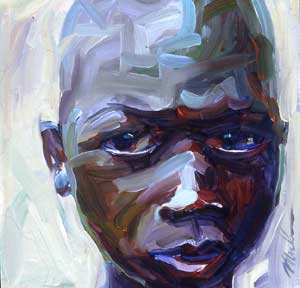
Just after World War II ended, British Prime Minister Winston Churchill called the atrocities that occurred “a crime that has no name.” But by the time the Nuremberg trials began, genocide was the very real name given the deliberate and systematic destruction of a racial, political, or cultural group.
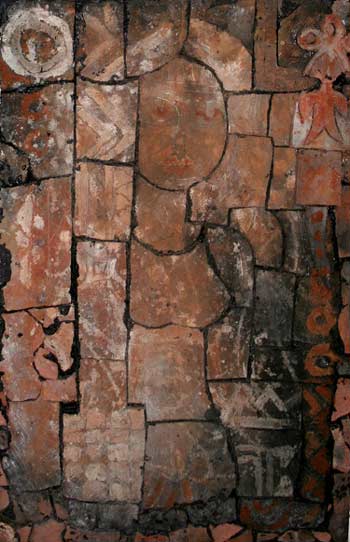
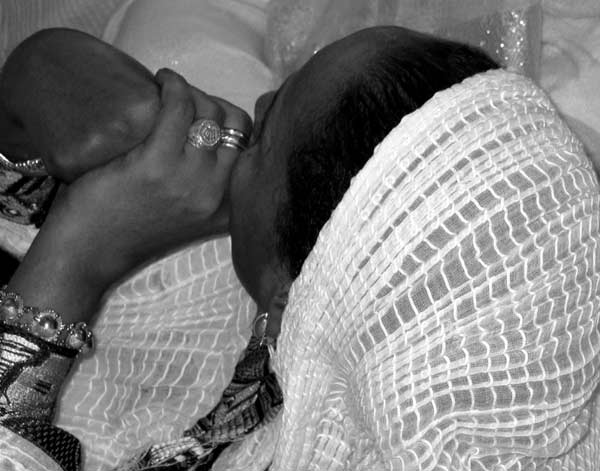
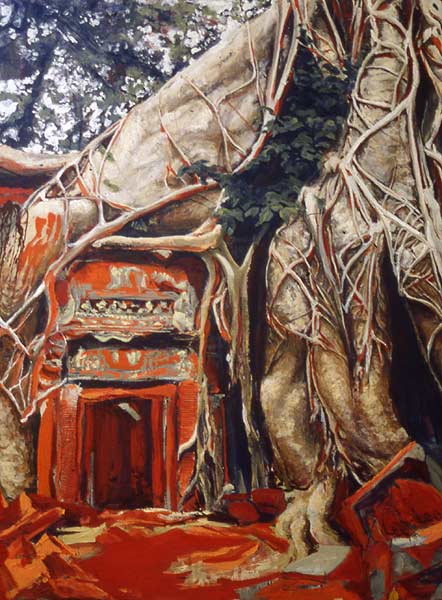
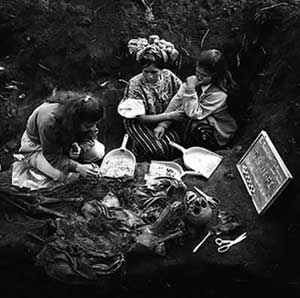
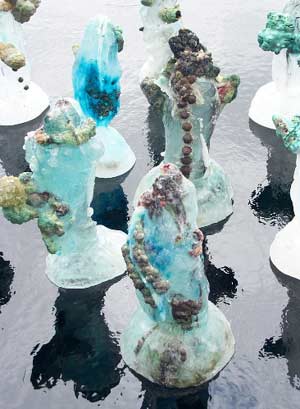
10 "Glocal" Artists Interpret Genocide displays fine art that deals with one of the most severe conditions of our world from an individual and human perspective. Participating artists address the issues of disregard for individual lives and the environment, memory, resilience, survival and reconciliation.
All of the artists present firsthand experiences through thoughtful and sensitive reflections without either sensationalizing or trivializing the subject. Indeed, much of the work comments in admiration on the strength and resilience of genocide survivors.
Through these varied mediums, the exhibition illuminates the realities of modern day genocide and seeks to motivate its viewers to begin dialogues with themselves and others, asking questions and demanding answers as to why and how genocide can be condoned today.
Recently arrived from the Congo, one survivor said that typically when genocide is conveyed in our culture, it extends the dehumanization he felt while targeted. This was echoed by a survivor from Bosnia, she added that this body of work is not disturbing but inspiring.
This body of work is unique in that it touches on human and environmental elements which are often overlooked. The long term effects of genocide are explored, focusing on the strengths that are necessary to survive the initial violence, mourn losses while displaced, and even come to points of reconciliation. Our existence in this world is intertwined. Whether or not we are directly connected to the situation, we are certainly able to feel compassion for those in the thick of it.
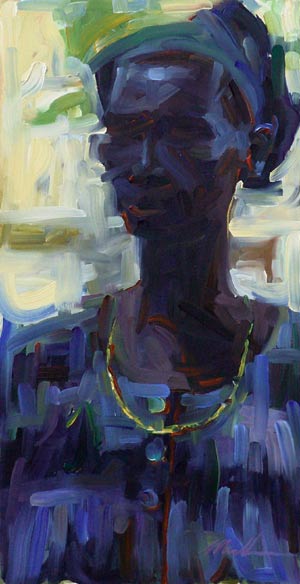
In a culture that is inundated with sensationalized media, this work holds a quiet power. All the artists have direct experience in the areas they portray – including Darfur, Guatemala, Cambodia and even in our own land. It is relevant to our community in several ways, including a series of portraits by Izabela Lundberg of the above mentioned survivors who are seeking asylum here. Our communities have much to learn from the stories conveyed here.
10 "Glocal" Artists Interpret Genocide displays fine art that deals with one of the most severe conditions of our world from an individual and human perspective. Participating artists address the issues of disregard for individual lives and the environment, memory, resilience, survival and reconciliation.
All of the artists present firsthand experiences through thoughtful and sensitive reflections without either sensationalizing or trivializing the subject. Indeed, much of the work comments in admiration on the strength and resilience of genocide survivors.
Through these varied mediums, the exhibition illuminates the realities of modern day genocide and seeks to motivate its viewers to begin dialogues with themselves and others, asking questions and demanding answers as to why and how genocide can be condoned today.
Recently arrived from the Congo, one survivor said that typically when genocide is conveyed in our culture, it extends the dehumanization he felt while targeted. This was echoed by a survivor from Bosnia, she added that this body of work is not disturbing but inspiring.
This body of work is unique in that it touches on human and environmental elements which are often overlooked. The long term effects of genocide are explored, focusing on the strengths that are necessary to survive the initial violence, mourn losses while displaced, and even come to points of reconciliation. Our existence in this world is intertwined. Whether or not we are directly connected to the situation, we are certainly able to feel compassion for those in the thick of it.
In a culture that is inundated with sensationalized media, this work holds a quiet power. All the artists have direct experience in the areas they portray – including Darfur, Guatemala, Cambodia and even in our own land. It is relevant to our community in several ways, including a series of portraits by Izabela Lundberg of the above mentioned survivors who are seeking asylum here. Our communities have much to learn from the stories conveyed here.
For more information:
http://www.virtualvoices.org/genocide/
Listen now:
Listen now:
Listen now:
Add Your Comments
Comments
(Hide Comments)
We are 100% volunteer and depend on your participation to sustain our efforts!
Donate

$110.00 donated
in the past month
Get Involved
If you'd like to help with maintaining or developing the website, contact us.
Publish
Publish your stories and upcoming events on Indybay.
Topics
More
Search Indybay's Archives
Advanced Search
►
▼
IMC Network