







 Publish to Newswire
 Add an Event
From the Open-Publishing Calendar
From the Open-Publishing Newswire
Indybay Feature
Time to change the system
"Even though the League of Women Voters claims to be non-partisan, the reality is that they are mostly comprised of Democrats. Did they exclude Peter Camejo, knowing that their candidate, Phil Angelides, is a weak candidate, and many Democrats would find Camejo, who is intelligent, charismatic, and truly progressive, very appealing?"
Martensen points out that excluding third party candidates from debates is censorship, and that the the Republican and Democratic Parties are not really interested in any election reform that could fix a broken system.
Martensen points out that excluding third party candidates from debates is censorship, and that the the Republican and Democratic Parties are not really interested in any election reform that could fix a broken system.
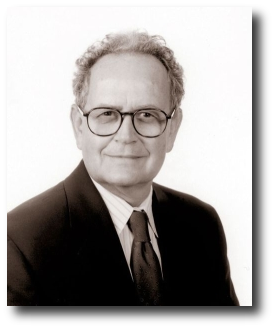
Time to change the system
By Erica Martenson
Tuesday, November 7, 2006 12:03 AM PST
There have been several letters regarding the precarious state of our democracy on a national level. However, very little is being said about the state of our democracy closer to home right here in California. Our democracy is in serious trouble when there is only one debate before the election of the most important political position in the state, the position of governor, and when independent and third party candidates are excluded from that single debate, preventing Californians from being exposed to all of their options and other viewpoints.
The incumbent, in this case Schwarzenegger, should not get to choose how many debates there are and the time they are held. There should be a certain minimum number of debates prescribed, and one is certainly not enough to flesh out the views and personalities of the various candidates. Was Arnold afraid that he might get too many questions about his lack of support for education, the special election he called that cost the tax payers millions of dollars, and his recent turnaround, as he is now all of a sudden promoting a more democratic agenda that would be palatable to more Californians? Why didn’t he agree to more debates, if he felt confident in his prior record and his positions?
In addition, why did the League of Women Voters, which organized the debate, exclude Peter Camejo, the Green Party candidate, from participating? Even though the League of Women Voters claims to be non-partisan, the reality is that they are mostly comprised of Democrats. Did they exclude Peter Camejo, knowing that their candidate, Phil Angelides, is a weak candidate, and many Democrats would find Camejo, who is intelligent, charismatic, and truly progressive, very appealing?
Excluding candidates, such as Greens, from debates is wrong on a number of levels and should be a great concern to everyone, regardless of their political persuasion. First of all, it’s censorship. People should have the right to become familiar with all of the candidates and should have the right to hear what they have to say. Secondly, third party and independent candidates make a debate and an election more interesting by bringing out more ideas and viewpoints. The debate between Schwarzenegger and Angelides couldn’t have been more boring, and I have never seen so little excitement during a gubernatorial election. Where are the signs and bumper stickers? They are nowhere to be found. We say that competition brings out the best in people, yet we restrict competition during the electoral process, and during this election, we have seen the dismal result. Lastly, third party and independent candidates can be the conscience of the two major parties; not having taken large campaign donations from big business and special interest groups, they can say what they really think and can advocate for real change that would benefit the average person.
We need a major overhaul on our election process, in order to stimulate greater political interest and participation. First of all, Proposition 89 would move us in the right direction by providing monies through a tax on large corporations, so that third party and independent candidates could compete financially with candidates of the major parties. Secondly, we need preferential voting in which a person could vote for more than one candidate, ranking the choices in order of preference. That way, a person could vote for who they really want, not for who they think can win. For example, oftentimes, people say they want to vote for the Green candidate, but they are afraid of splitting the vote. With preferential voting, a person could vote for the Green candidate as number one and the Democratic or Republican candidate as number two, and if in the end, the Green wasn’t in the final top two, the vote would then automatically revert to their second choice. Incidentally, only the Green Party is advocating this type of election reform, which would be a step towards breaking the monopoly the two major parties have on our government. In the meantime, in my view, people should vote for whom they really want regardless of the outcome. Anything less is a compromise that again makes this current system of ours so uninspiring. Plus, if people don’t start doing that, nothing will ever really change.
(Martenson lives in Napa.)
By Erica Martenson
Tuesday, November 7, 2006 12:03 AM PST
There have been several letters regarding the precarious state of our democracy on a national level. However, very little is being said about the state of our democracy closer to home right here in California. Our democracy is in serious trouble when there is only one debate before the election of the most important political position in the state, the position of governor, and when independent and third party candidates are excluded from that single debate, preventing Californians from being exposed to all of their options and other viewpoints.
The incumbent, in this case Schwarzenegger, should not get to choose how many debates there are and the time they are held. There should be a certain minimum number of debates prescribed, and one is certainly not enough to flesh out the views and personalities of the various candidates. Was Arnold afraid that he might get too many questions about his lack of support for education, the special election he called that cost the tax payers millions of dollars, and his recent turnaround, as he is now all of a sudden promoting a more democratic agenda that would be palatable to more Californians? Why didn’t he agree to more debates, if he felt confident in his prior record and his positions?
In addition, why did the League of Women Voters, which organized the debate, exclude Peter Camejo, the Green Party candidate, from participating? Even though the League of Women Voters claims to be non-partisan, the reality is that they are mostly comprised of Democrats. Did they exclude Peter Camejo, knowing that their candidate, Phil Angelides, is a weak candidate, and many Democrats would find Camejo, who is intelligent, charismatic, and truly progressive, very appealing?
Excluding candidates, such as Greens, from debates is wrong on a number of levels and should be a great concern to everyone, regardless of their political persuasion. First of all, it’s censorship. People should have the right to become familiar with all of the candidates and should have the right to hear what they have to say. Secondly, third party and independent candidates make a debate and an election more interesting by bringing out more ideas and viewpoints. The debate between Schwarzenegger and Angelides couldn’t have been more boring, and I have never seen so little excitement during a gubernatorial election. Where are the signs and bumper stickers? They are nowhere to be found. We say that competition brings out the best in people, yet we restrict competition during the electoral process, and during this election, we have seen the dismal result. Lastly, third party and independent candidates can be the conscience of the two major parties; not having taken large campaign donations from big business and special interest groups, they can say what they really think and can advocate for real change that would benefit the average person.
We need a major overhaul on our election process, in order to stimulate greater political interest and participation. First of all, Proposition 89 would move us in the right direction by providing monies through a tax on large corporations, so that third party and independent candidates could compete financially with candidates of the major parties. Secondly, we need preferential voting in which a person could vote for more than one candidate, ranking the choices in order of preference. That way, a person could vote for who they really want, not for who they think can win. For example, oftentimes, people say they want to vote for the Green candidate, but they are afraid of splitting the vote. With preferential voting, a person could vote for the Green candidate as number one and the Democratic or Republican candidate as number two, and if in the end, the Green wasn’t in the final top two, the vote would then automatically revert to their second choice. Incidentally, only the Green Party is advocating this type of election reform, which would be a step towards breaking the monopoly the two major parties have on our government. In the meantime, in my view, people should vote for whom they really want regardless of the outcome. Anything less is a compromise that again makes this current system of ours so uninspiring. Plus, if people don’t start doing that, nothing will ever really change.
(Martenson lives in Napa.)
For more information:
http://www.napavalleyregister.com/articles...
Add Your Comments
We are 100% volunteer and depend on your participation to sustain our efforts!
Donate

$95.00 donated
in the past month
Get Involved
If you'd like to help with maintaining or developing the website, contact us.
Publish
Publish your stories and upcoming events on Indybay.
Topics
More
Search Indybay's Archives
Advanced Search
►
▼
IMC Network