







 Publish to Newswire
 Add an Event
From the Open-Publishing Calendar
From the Open-Publishing Newswire
Indybay Feature
The Left Must Support a Democratic and Socialist Kurdistan
We have no faith in Iraqi Kurdish leaders Jalal Talabani and Massoud Barzani. The Kurds’ only real hope is in prison in Imrali Island.
TURKISH KURDS, WATCHING SATELLITE TV, WARILY EYE KIRKUK
Nicolas Birch: 4/10/03
Kurdish forces reportedly took control of the northern Iraqi city of Kirkuk on April 10, a day after central Baghdad came under the effective control of American-led tanks. Turkey, after discussions with US Secretary of State Colin Powell, announced plans to send "observers" to the area to make sure Kurds do not try to set up a government. Ankara is concerned that the Kurds of northern Iraq may spill into cities like Diyarbakir and, echoing separatist groups like the Kurdistan Workers’ Party (PKK), seek to carve out an independent state. Passions have run high for weeks in Diyarbakir, scarcely 100 miles from Iraq’s northern border, for weeks. But a satellite signal originating in Brussels may make Kurds on the Turkish side less likely to embrace their Iraqi counterparts than Ankara fears.
"Iraq’s future can’t be entrusted to Iraqi Kurds – they’re tribes, not democrats," says the elderly Abdulaziz, one of several ethnic Kurds in a Diyarbakir cafe. The young man beside him, Sehmus, butts in: "the only reason their leaders aren’t begging for Turkish money is that the United States is filling their pockets with dollars." These are common sentiments among Turkish officials, who watch Iraqi Kurdish military cooperation with American-led forces with growing concern. On April 10, according to reports, some 100 American soldiers directed several hundred Kurdish fighters in the seizure of Kirkuk in northern Iraq. Officials worry that the sight of such close collaboration may stir pan-Kurdish aspirations among Turkey’s own restive Kurdish minority. Many cafe patrons had to flee their villages during the Turkish state’s 15-year war with the PKK. Yet, while they oppose Turkish plans to send troops into northern Iraq, their solidarity with Kurds in Iraq is, at best, lukewarm.
Nine months after laws were passed permitting limited radio and television broadcasts in minority languages like Kurdish, Turkish television is still exclusively Turkish. But most patrons of the Diyarbakir cafe – and most Kurds in Turkey – could not care less. Since 1994, anybody with enough money to buy a satellite dish and decoder has been able to watch Kurdish programming 24 hours a day, beamed in from the Brussels headquarters of Medya-TV. "Thanks to Medya, our only reason for watching Turkish TV now is to see how much it lies," says Muzaffer, a patron of the cafe. "Only Medya is objective, the eyes and ears of our people."
"Of course I would disapprove if Turkish forces clashed with the Kurdish militia," says Muzaffer, adding that he "might go to a press conference [in protest]." This is hardly the sort of reaction that the government fears, but his friends nod their agreement. "We have no faith in [Iraqi Kurdish] leaders Jalal Talabani and Massoud Barzani, you see," Muzaffer continues. "The Kurds’ only real hope is in prison in Imrali Island."
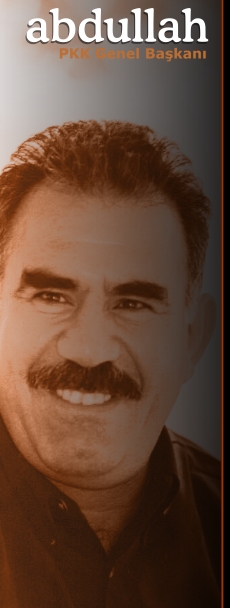
Muzaffer is referring to PKK leader Abdullah Ocalan, in solitary confinement since 1999 off the coast of Istanbul. [For background, see the Eurasia Insight archive]. These men see Iraqi Kurds as enemies of their hero, Ocalan. PKK fighters have been since the early 1990s in northern Iraq; de facto autonomous Kurdish authorities there have sometimes collaborated with Ankara’s attempts to flush the combustible PKK out of its Iraqi mountain bases. Although the PKK now consists of roughly 4,000 fighters in camps on Iraq’s border with Iran, it uses a secret weapon to retain Turkish Kurds’ loyalty: the innumerable satellite dishes clustered on roofs throughout the region.
Turkish Kurds sometimes seem more devoted to Medya than to traditions. "I sold one of my three cows to buy the equipment," says Sabri Hatipoglu, a villager in the north of Diyarbakir province. "Medya is the only channel which deals with issues relevant to me and my people," he says. "It has transformed our image of ourselves." Like Al Jazeera, the independent Qatar-based news service by which many in the Arab world swear, Medya has provoked some charges of bias. "Like its predecessor Med-TV, Medya is the mouthpiece of the PKK," says Celal Baslangic, an expert on Kurdish affairs who writes for the liberal newspaper Radikal. "Most people only watch it because there’s nothing else on."
In years past, Ankara cracked down on its audiences in an attempt to squelch PKK propaganda. Satellite dishes were regularly smashed and their owners arrested for "incitement to separatist hatred." Med-TV, which had operated out of London, shut down per orders of the British government after Turkish diplomats accused it of inciting terrorism in 1999. The service reappeared later in Belgium. In recent years, Ankara seems grudgingly to have accepted Medya’s existence.
Like the degree of danger Ankara faces from an unstable Kirkuk, Medya’s psychological effects are very hard to calculate. Kemal Kirisci, a political scientist at Istanbul’s Bogazici University and author of several books on Turkey’s Kurdish question, says the government’s indulgence toward the service "has to do with the realization that its propaganda has little ideological effect on its audience." Yet Bayram Bozyel, the Diyarbakir representative of a small Kurdish party strongly critical of the PKK’s ex-Marxist cadres, voices the opposite suspicion. "Quite frankly, I wouldn’t be surprised if Medya was working with Ankara," he says, half-joking. "By presenting Kurds in Iraq as the enemy, people not supporting the PKK as the enemy, Medya has done an excellent job dividing the Kurdish people."
Of course, another dividing factor may be simple geography. "Medya indoctrination is stronger the further you get from the Iraqi border," adds Kendal Nezan, director of the Kurdish Institute in Paris. "Down in the frontier region of Silopi and Cizre, families overlap the border, and years of close economic links have brought the two sides together." Further towards Ankara, Kurds seem more unified in their fealty to Medya – a faithfulness that may keep Kurdish nationalism from becoming the roar that Ankara fears.
http://www.eurasianet.org/departments/insight/articles/eav041003.shtml
Nicolas Birch: 4/10/03
Kurdish forces reportedly took control of the northern Iraqi city of Kirkuk on April 10, a day after central Baghdad came under the effective control of American-led tanks. Turkey, after discussions with US Secretary of State Colin Powell, announced plans to send "observers" to the area to make sure Kurds do not try to set up a government. Ankara is concerned that the Kurds of northern Iraq may spill into cities like Diyarbakir and, echoing separatist groups like the Kurdistan Workers’ Party (PKK), seek to carve out an independent state. Passions have run high for weeks in Diyarbakir, scarcely 100 miles from Iraq’s northern border, for weeks. But a satellite signal originating in Brussels may make Kurds on the Turkish side less likely to embrace their Iraqi counterparts than Ankara fears.
"Iraq’s future can’t be entrusted to Iraqi Kurds – they’re tribes, not democrats," says the elderly Abdulaziz, one of several ethnic Kurds in a Diyarbakir cafe. The young man beside him, Sehmus, butts in: "the only reason their leaders aren’t begging for Turkish money is that the United States is filling their pockets with dollars." These are common sentiments among Turkish officials, who watch Iraqi Kurdish military cooperation with American-led forces with growing concern. On April 10, according to reports, some 100 American soldiers directed several hundred Kurdish fighters in the seizure of Kirkuk in northern Iraq. Officials worry that the sight of such close collaboration may stir pan-Kurdish aspirations among Turkey’s own restive Kurdish minority. Many cafe patrons had to flee their villages during the Turkish state’s 15-year war with the PKK. Yet, while they oppose Turkish plans to send troops into northern Iraq, their solidarity with Kurds in Iraq is, at best, lukewarm.
Nine months after laws were passed permitting limited radio and television broadcasts in minority languages like Kurdish, Turkish television is still exclusively Turkish. But most patrons of the Diyarbakir cafe – and most Kurds in Turkey – could not care less. Since 1994, anybody with enough money to buy a satellite dish and decoder has been able to watch Kurdish programming 24 hours a day, beamed in from the Brussels headquarters of Medya-TV. "Thanks to Medya, our only reason for watching Turkish TV now is to see how much it lies," says Muzaffer, a patron of the cafe. "Only Medya is objective, the eyes and ears of our people."
"Of course I would disapprove if Turkish forces clashed with the Kurdish militia," says Muzaffer, adding that he "might go to a press conference [in protest]." This is hardly the sort of reaction that the government fears, but his friends nod their agreement. "We have no faith in [Iraqi Kurdish] leaders Jalal Talabani and Massoud Barzani, you see," Muzaffer continues. "The Kurds’ only real hope is in prison in Imrali Island."
Muzaffer is referring to PKK leader Abdullah Ocalan, in solitary confinement since 1999 off the coast of Istanbul. [For background, see the Eurasia Insight archive]. These men see Iraqi Kurds as enemies of their hero, Ocalan. PKK fighters have been since the early 1990s in northern Iraq; de facto autonomous Kurdish authorities there have sometimes collaborated with Ankara’s attempts to flush the combustible PKK out of its Iraqi mountain bases. Although the PKK now consists of roughly 4,000 fighters in camps on Iraq’s border with Iran, it uses a secret weapon to retain Turkish Kurds’ loyalty: the innumerable satellite dishes clustered on roofs throughout the region.
Turkish Kurds sometimes seem more devoted to Medya than to traditions. "I sold one of my three cows to buy the equipment," says Sabri Hatipoglu, a villager in the north of Diyarbakir province. "Medya is the only channel which deals with issues relevant to me and my people," he says. "It has transformed our image of ourselves." Like Al Jazeera, the independent Qatar-based news service by which many in the Arab world swear, Medya has provoked some charges of bias. "Like its predecessor Med-TV, Medya is the mouthpiece of the PKK," says Celal Baslangic, an expert on Kurdish affairs who writes for the liberal newspaper Radikal. "Most people only watch it because there’s nothing else on."
In years past, Ankara cracked down on its audiences in an attempt to squelch PKK propaganda. Satellite dishes were regularly smashed and their owners arrested for "incitement to separatist hatred." Med-TV, which had operated out of London, shut down per orders of the British government after Turkish diplomats accused it of inciting terrorism in 1999. The service reappeared later in Belgium. In recent years, Ankara seems grudgingly to have accepted Medya’s existence.
Like the degree of danger Ankara faces from an unstable Kirkuk, Medya’s psychological effects are very hard to calculate. Kemal Kirisci, a political scientist at Istanbul’s Bogazici University and author of several books on Turkey’s Kurdish question, says the government’s indulgence toward the service "has to do with the realization that its propaganda has little ideological effect on its audience." Yet Bayram Bozyel, the Diyarbakir representative of a small Kurdish party strongly critical of the PKK’s ex-Marxist cadres, voices the opposite suspicion. "Quite frankly, I wouldn’t be surprised if Medya was working with Ankara," he says, half-joking. "By presenting Kurds in Iraq as the enemy, people not supporting the PKK as the enemy, Medya has done an excellent job dividing the Kurdish people."
Of course, another dividing factor may be simple geography. "Medya indoctrination is stronger the further you get from the Iraqi border," adds Kendal Nezan, director of the Kurdish Institute in Paris. "Down in the frontier region of Silopi and Cizre, families overlap the border, and years of close economic links have brought the two sides together." Further towards Ankara, Kurds seem more unified in their fealty to Medya – a faithfulness that may keep Kurdish nationalism from becoming the roar that Ankara fears.
http://www.eurasianet.org/departments/insight/articles/eav041003.shtml
Add Your Comments
We are 100% volunteer and depend on your participation to sustain our efforts!
Donate

$110.00 donated
in the past month
Get Involved
If you'd like to help with maintaining or developing the website, contact us.
Publish
Publish your stories and upcoming events on Indybay.
Topics
More
Search Indybay's Archives
Advanced Search
►
▼
IMC Network