







 Publish to Newswire
 Add an Event
From the Open-Publishing Calendar
From the Open-Publishing Newswire
Indybay Feature
Black Agriculture in Gold Rush California
Negro Hill, California, a journey towards a greater measure of freedom (1840-1865) highlights the wealthiest part of the Gold Mining District and the contributions from people of African descent to the Great State of California. In the California Mother Lode, high above the confluence of the North and South Fork of the American River Basin, a “planned” Black Agriculture community was established an nurtured the development of a young Leland Stanford and Charles Crocker, yet it remains taboo for official education peer review or a formal cultural resourse study required for establishing a U.S. National Monument for California Pioneers of African ancestry.
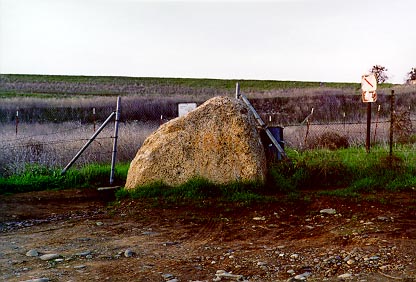
Black Agriculture in the Gold Rush California ~ Proposed Negro Hill U.S. National Monument
California is named after Queen Califia who led the battle against Hernan Cortes and the Spanish Conquistadors quest for the riches and bounty of the land and sea, in 1535, Baja California.
During the Age of Sail, prior to the Gold Rush Era, people of African descent lived throughout Alta and Baja California in harmony with many diverse Native Tribal communities from Mt. Shasta to the La Paz.
The broader inclusive story of California is told on an amazing mural in the largest room in the California State Capitol, the historic California Room renamed for the living legacy of John Burton.
Today, our focus is upon the journey (1840-1865) with the wealthiest part of the Gold Mining District. In the California Mother Lode, high above the confluence of the North and South Fork of the American River Bas, a “planned” Black Agriculture community was established.
Documenting and organizing the authenic record may reach the essential criteria elements required to establish a U.S. National Monument erected in honor of the Black Pioneers in Gold Rush California.
In 1845, William Alexander Leidesdorff, Jr., “the African Founding Father of California” acquired a 35,500 acre land grant along the American River, sadly the authentic records of several years of development of his vast property and his U.S. Government military contracts helped secure California for the United States of America remains outside the scope of official inquiry.
However, Black History Month 2012, the Sacramento Bee has included the first U.S. Diplomat of African descent, as one of the top 25 African Americans in California history. The tip of a vast iceberg authentic California Black History may become widely known, mirroring the polar ice cap melting due to global climate change, unique “California Grown” racial hatred is slowly melting as part of environmental change, facilited by new hate crime law.
In 1849, first California Governor Peter Burnett, in his inaugural speech proposed to export all people of African descent out of the State of California,“they will forever be a scourge upon our society” articulating his values and beliefs of “legal white supremacy.“ Near today's Sacramento Valley Amtrack Station, a few blocks from the California State Capitol, once stood the home of Daniel and Henrietta Blue.
Given the “neighbors” articulated vision and after many basement prayer meetings, the first Black Church west of the Mississippi River was established. Today’s St. Andrews AME Church brought together people of African ancestry seeking a maintain a greater measure of freedom holding fast to the courage, faith and action essential to make change.
The golden legacy of the political, cultural and financial hub of the Gold Mining District of Negro Hill, California 1848 – 1863 surpassed the size and scope of any town in the region, yet our Gold Rush success story of Black Agriculture in the California Gold Rush remains an unspoken taboo in official peer review circles and formal U.S. institutions of higher learning.
How and why the region of Negro Hill was redistricted from Placer County into the boundaries of El Dorado County, Gold County in the Spanish language, is a modern question some elected officials continue to cover up as part of a probable ongoing hate crimes against humanity, time will tell. The U.S. Army Corps of Engineers is leading the way sharing partial records of the Negro Hill region of California.
What is certain, for over 300 year’s California was part of the Spanish colony, apart of the vast Alta California, that included legal chattel slavery under religious and military authority of the Spainsh authority based in Havana, Cuba. General Vincente Guerrero, asended to the 2nd Presidency of Mexico and ended slavery in the vast Mexican Territory including California. The U.S. - Mexican War reestablished legal and tolerated enslavement of people of African descent in Alta California and the Texas Republic (1846 – 1848.)
“Planned community migration” from “New England States” to the “California Mother Lode” reached a zenith in the community surrounding Negro Hill, CA, that supplied vast amounts of ventue capital essential to finance the Underground Railroad throughout the United States of America and the African diaspora. The Methodist church helped established a footprint of people of African descent throughout the Gold Mining District, mining for freedom and utilizing agriculture to sustain communities.
California Black pioneers created a new generation of Black Abolitionist building upon the foundation of David Walker, Fredrick Douglass and most importantly Mammy Pleasant, “the Mother of Civil Rights in California” who personally travelled back to the deep south organizing the end of chattel slavery in America, 1857 to 1859, before returning to San Francisco, CA. It was Mary Ellen Pleasant and a strong regional network that provided safety for the surviving widow and family of John Brown, Harpers Ferry, South Carolina.
Today, the hidden golden legacy Black Agriculture in Gold Rush California is an open secret best understood by completing an official cultural resource study of the vast community represented by the missing Negro Hill ~ California Historical Landmark and 36 grave markers, Unknown, moved from “Negro Hill” Cemetery, by U.S. Government in 1954.
A new generation of Black Farmers and Agriculturalists will restore our agriculture traditions by embracing the scientific methodology of New Farmers in America, throughout the Central Valley of California, “the greatest garden in the world.”
Michael Harris, Project Director
Negro Hill Burial Ground Project
California is named after Queen Califia who led the battle against Hernan Cortes and the Spanish Conquistadors quest for the riches and bounty of the land and sea, in 1535, Baja California.
During the Age of Sail, prior to the Gold Rush Era, people of African descent lived throughout Alta and Baja California in harmony with many diverse Native Tribal communities from Mt. Shasta to the La Paz.
The broader inclusive story of California is told on an amazing mural in the largest room in the California State Capitol, the historic California Room renamed for the living legacy of John Burton.
Today, our focus is upon the journey (1840-1865) with the wealthiest part of the Gold Mining District. In the California Mother Lode, high above the confluence of the North and South Fork of the American River Bas, a “planned” Black Agriculture community was established.
Documenting and organizing the authenic record may reach the essential criteria elements required to establish a U.S. National Monument erected in honor of the Black Pioneers in Gold Rush California.
In 1845, William Alexander Leidesdorff, Jr., “the African Founding Father of California” acquired a 35,500 acre land grant along the American River, sadly the authentic records of several years of development of his vast property and his U.S. Government military contracts helped secure California for the United States of America remains outside the scope of official inquiry.
However, Black History Month 2012, the Sacramento Bee has included the first U.S. Diplomat of African descent, as one of the top 25 African Americans in California history. The tip of a vast iceberg authentic California Black History may become widely known, mirroring the polar ice cap melting due to global climate change, unique “California Grown” racial hatred is slowly melting as part of environmental change, facilited by new hate crime law.
In 1849, first California Governor Peter Burnett, in his inaugural speech proposed to export all people of African descent out of the State of California,“they will forever be a scourge upon our society” articulating his values and beliefs of “legal white supremacy.“ Near today's Sacramento Valley Amtrack Station, a few blocks from the California State Capitol, once stood the home of Daniel and Henrietta Blue.
Given the “neighbors” articulated vision and after many basement prayer meetings, the first Black Church west of the Mississippi River was established. Today’s St. Andrews AME Church brought together people of African ancestry seeking a maintain a greater measure of freedom holding fast to the courage, faith and action essential to make change.
The golden legacy of the political, cultural and financial hub of the Gold Mining District of Negro Hill, California 1848 – 1863 surpassed the size and scope of any town in the region, yet our Gold Rush success story of Black Agriculture in the California Gold Rush remains an unspoken taboo in official peer review circles and formal U.S. institutions of higher learning.
How and why the region of Negro Hill was redistricted from Placer County into the boundaries of El Dorado County, Gold County in the Spanish language, is a modern question some elected officials continue to cover up as part of a probable ongoing hate crimes against humanity, time will tell. The U.S. Army Corps of Engineers is leading the way sharing partial records of the Negro Hill region of California.
What is certain, for over 300 year’s California was part of the Spanish colony, apart of the vast Alta California, that included legal chattel slavery under religious and military authority of the Spainsh authority based in Havana, Cuba. General Vincente Guerrero, asended to the 2nd Presidency of Mexico and ended slavery in the vast Mexican Territory including California. The U.S. - Mexican War reestablished legal and tolerated enslavement of people of African descent in Alta California and the Texas Republic (1846 – 1848.)
“Planned community migration” from “New England States” to the “California Mother Lode” reached a zenith in the community surrounding Negro Hill, CA, that supplied vast amounts of ventue capital essential to finance the Underground Railroad throughout the United States of America and the African diaspora. The Methodist church helped established a footprint of people of African descent throughout the Gold Mining District, mining for freedom and utilizing agriculture to sustain communities.
California Black pioneers created a new generation of Black Abolitionist building upon the foundation of David Walker, Fredrick Douglass and most importantly Mammy Pleasant, “the Mother of Civil Rights in California” who personally travelled back to the deep south organizing the end of chattel slavery in America, 1857 to 1859, before returning to San Francisco, CA. It was Mary Ellen Pleasant and a strong regional network that provided safety for the surviving widow and family of John Brown, Harpers Ferry, South Carolina.
Today, the hidden golden legacy Black Agriculture in Gold Rush California is an open secret best understood by completing an official cultural resource study of the vast community represented by the missing Negro Hill ~ California Historical Landmark and 36 grave markers, Unknown, moved from “Negro Hill” Cemetery, by U.S. Government in 1954.
A new generation of Black Farmers and Agriculturalists will restore our agriculture traditions by embracing the scientific methodology of New Farmers in America, throughout the Central Valley of California, “the greatest garden in the world.”
Michael Harris, Project Director
Negro Hill Burial Ground Project
For more information:
http://www.spk.usace.army.mil/NegroHillCem...
Add Your Comments
Latest Comments
Listed below are the latest comments about this post.
These comments are submitted anonymously by website visitors.
TITLE
AUTHOR
DATE
Why would a post containing the salient conversation be deleted?
Fri, Feb 17, 2012 12:34PM
Why would a post missing the salient conversation be posted?
Fri, Feb 10, 2012 11:44PM
Black Agriculture ~ primary source documentation trumps good conversation
Fri, Feb 10, 2012 11:26PM
We are 100% volunteer and depend on your participation to sustain our efforts!
Donate

$115.00 donated
in the past month
Get Involved
If you'd like to help with maintaining or developing the website, contact us.
Publish
Publish your stories and upcoming events on Indybay.
Topics
More
Search Indybay's Archives
Advanced Search
►
▼
IMC Network