







 Publish to Newswire
 Add an Event
From the Open-Publishing Calendar
From the Open-Publishing Newswire
Indybay Feature
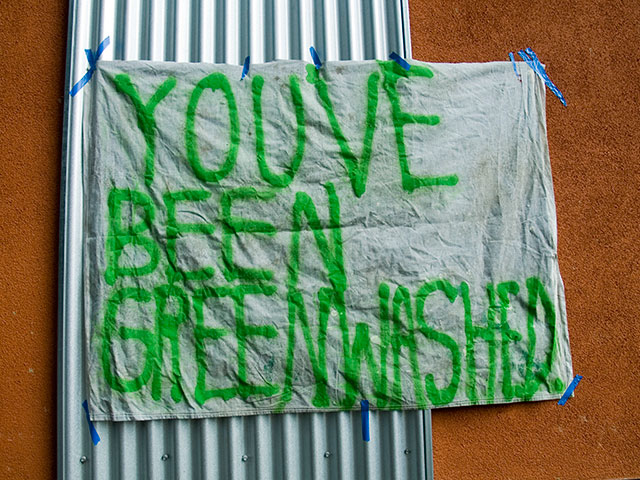
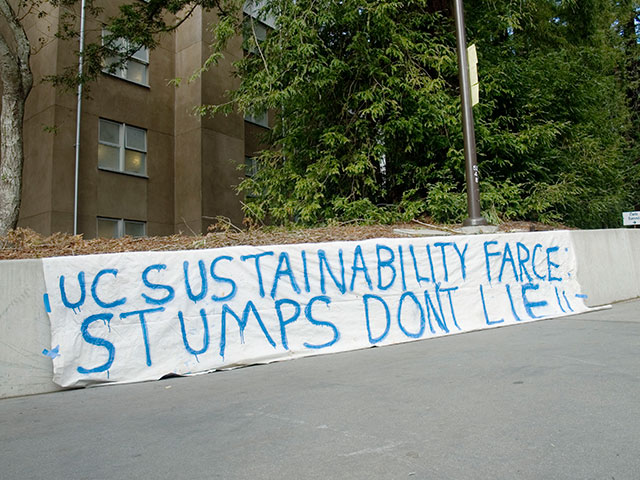
Campus Earth Summit: Sustainability Focus or Farce?
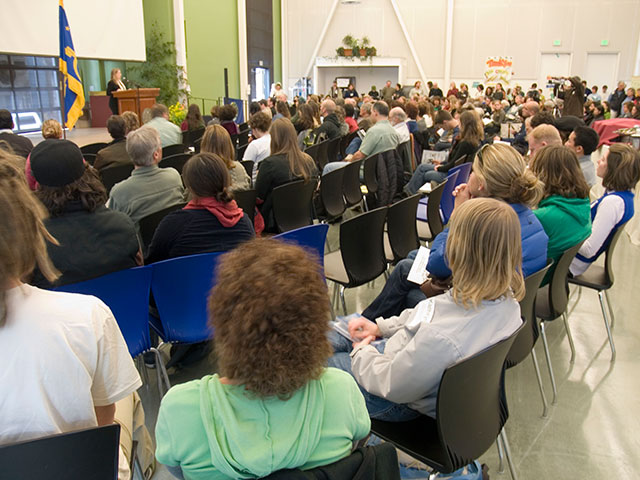
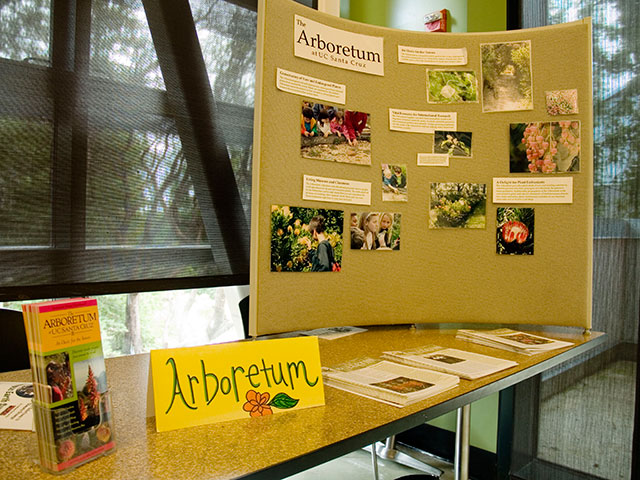
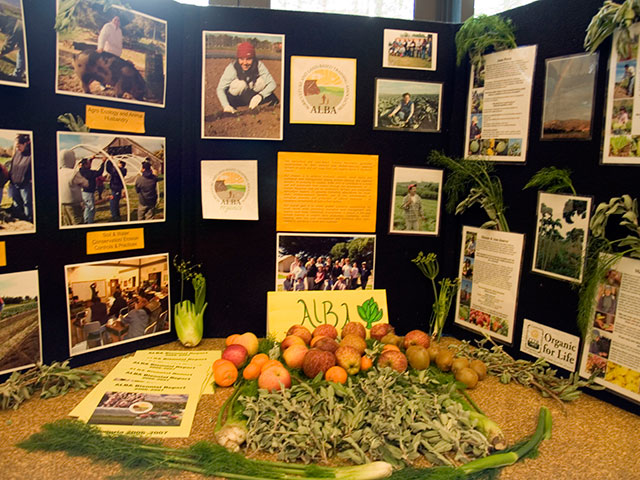
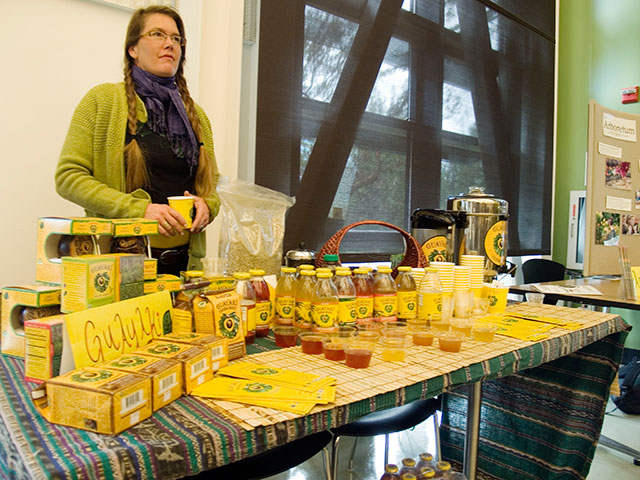
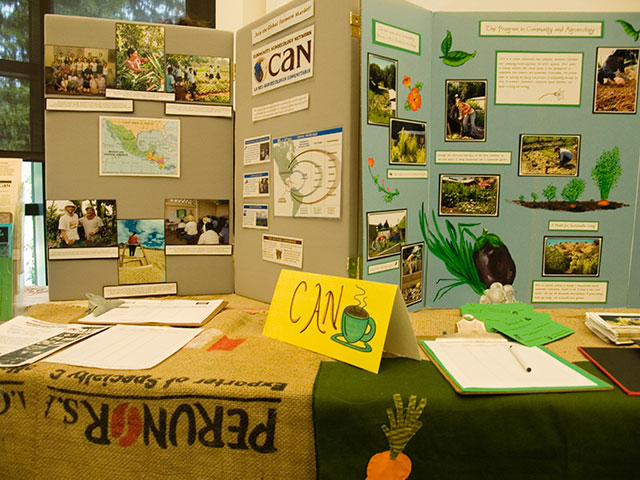
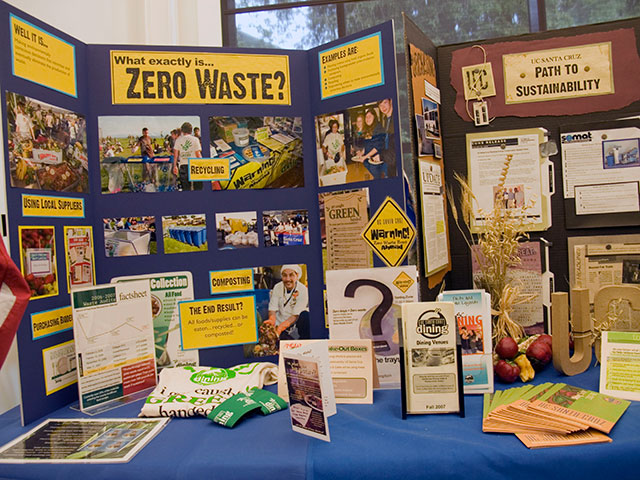
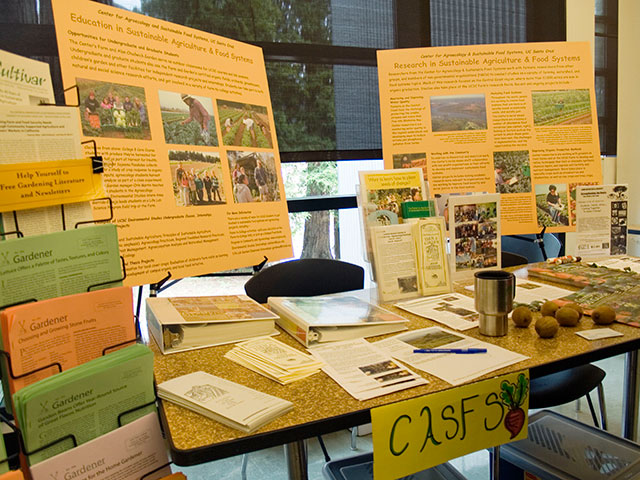
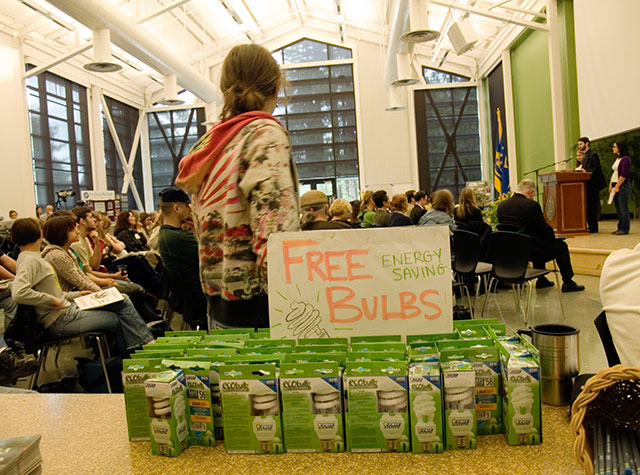
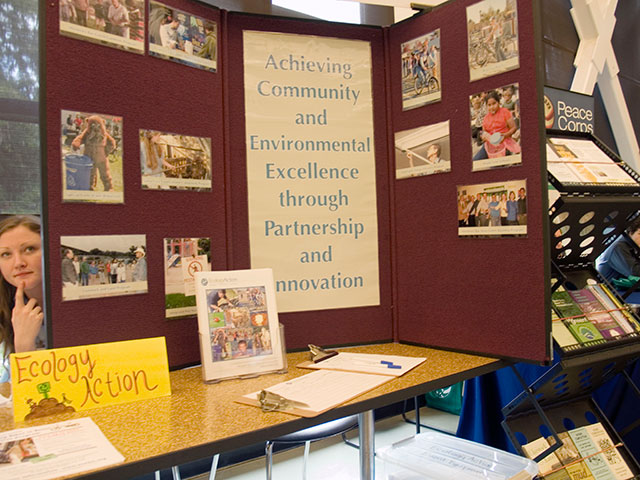
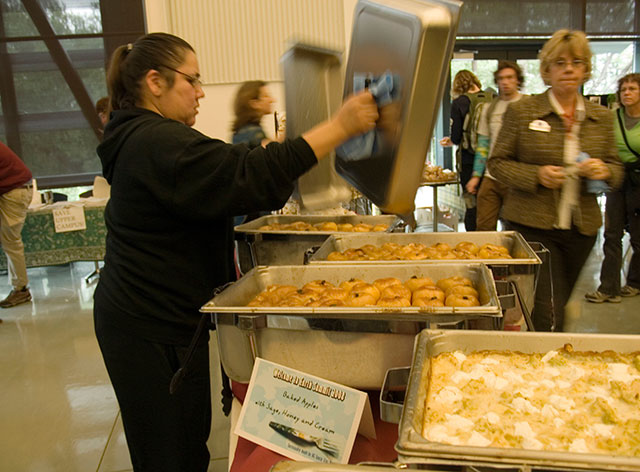
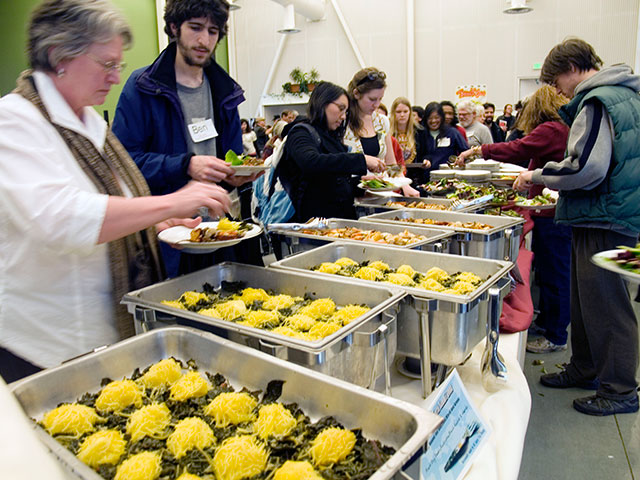
The 7th annual Campus Earth Summit was held on January 31st at the College 9/10 Multipurpose Room at UC Santa Cruz. The well-attended event was organized by the Student Environmental Center and the Sustainability Office at UCSC and featured local speakers, a 'low carbon' lunch sourced from local organic farms, workshops on reducing 'carbon footprints' and conversations about environmental sustainability at UCSC. The summit was held in conjunction with Focus the Nation, a nationwide climate change teach-in happening simultaneously at over 1,000 colleges and universities across the USA.
There was so much excitement and talk about the future, but actions of the past were hardly discussed at all. None of the keynote speakers mentioned that on December 21st, 1991, the Coalition to Move Colleges Nine and Ten issued a press release about the destruction of "Elfland" through the logging of approximately 100 redwood trees where the College 9/10 Multipurpose Room stands today. The press release stated, "Elfland, as the area is called, is unique to the UCSC campus. Huge ferns grow in the valleys next to giant trees; tiny highland meadows support deer and endangered native grasses. It is a wildlife corridor and biologically diverse area on campus. Giant sinkholes pock the area, which overlies limestone caverns and has an important and poorly understood connection to the campus underground hydrology."
There was so much excitement and talk about the future, but actions of the past were hardly discussed at all. None of the keynote speakers mentioned that on December 21st, 1991, the Coalition to Move Colleges Nine and Ten issued a press release about the destruction of "Elfland" through the logging of approximately 100 redwood trees where the College 9/10 Multipurpose Room stands today. The press release stated, "Elfland, as the area is called, is unique to the UCSC campus. Huge ferns grow in the valleys next to giant trees; tiny highland meadows support deer and endangered native grasses. It is a wildlife corridor and biologically diverse area on campus. Giant sinkholes pock the area, which overlies limestone caverns and has an important and poorly understood connection to the campus underground hydrology."
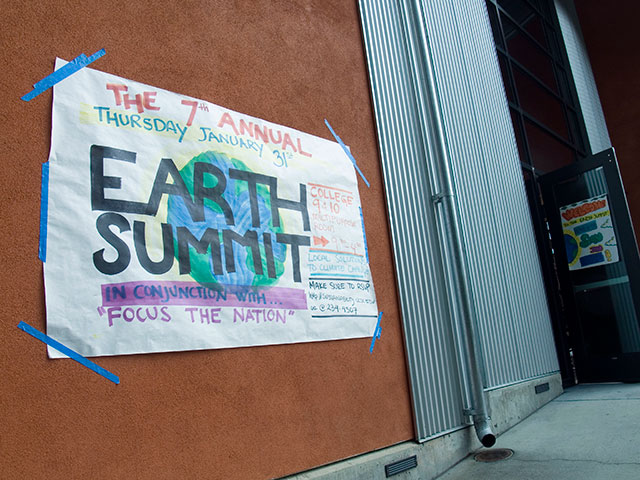
One guest speaker educated the audience on the popularity of 'going green' and explained that many of the world's most influential corporations are catching on to the new wave of 'green investment.' Indeed, the cooptation of the environmental movement can be both profitable for a corporation and priceless for their public relations! UCSC administrators are on the cutting-edge of this cooptation and were therefore pleased that Chancellor George Blumenthal was invited to be a keynote speaker at the Campus Earth Summit.
Asking Blumenthal to be a keynote speaker on sustainability at a Campus Earth Summit organized by the Student Environmental Center is like asking the UC Regents if the Student Environmental Center can be used as a rubber stamp for gaining approval of UCSC's highly controversial 2005 Long Range Development Plan.
Bicicleta Bandito has written a critique of the Campus Earth Summit that includes an account of Blumenthal's speech which was disrupted by a barrage of boos and hisses from the crowd and the blaring alarm of an emergency exit. The critique can be found at the following link:
UCSC Earth Summit - A Crack in the Facade
http://www.indybay.org/newsitems/2008/02/01/18476346.php
A lot of great people and organizations put their time, energy and skills into the Campus Earth Summit, and their dedication should be recognized and appreciated.
Asking Blumenthal to be a keynote speaker on sustainability at a Campus Earth Summit organized by the Student Environmental Center is like asking the UC Regents if the Student Environmental Center can be used as a rubber stamp for gaining approval of UCSC's highly controversial 2005 Long Range Development Plan.
Bicicleta Bandito has written a critique of the Campus Earth Summit that includes an account of Blumenthal's speech which was disrupted by a barrage of boos and hisses from the crowd and the blaring alarm of an emergency exit. The critique can be found at the following link:
UCSC Earth Summit - A Crack in the Facade
http://www.indybay.org/newsitems/2008/02/01/18476346.php
A lot of great people and organizations put their time, energy and skills into the Campus Earth Summit, and their dedication should be recognized and appreciated.




Add Your Comments
Latest Comments
Listed below are the latest comments about this post.
These comments are submitted anonymously by website visitors.
TITLE
AUTHOR
DATE
Check yer facts boy - LANL and LLNL not campuses
Wed, Feb 20, 2008 8:52AM
"Green campuses"
Sat, Feb 16, 2008 12:09AM
Of course it was a sham.
Thu, Feb 7, 2008 9:44AM
Another step
Mon, Feb 4, 2008 1:26AM
We are 100% volunteer and depend on your participation to sustain our efforts!
Donate

$180.00 donated
in the past month
Get Involved
If you'd like to help with maintaining or developing the website, contact us.
Publish
Publish your stories and upcoming events on Indybay.
Topics
More
Search Indybay's Archives
Advanced Search
►
▼
IMC Network