







 Publish to Newswire
 Add an Event
From the Open-Publishing Calendar
From the Open-Publishing Newswire
Indybay Feature
University of California San Francisco (UCSF) "Research" on Dogs, Monkeys & Cats (Current)
DOG EXPERIMENTS:
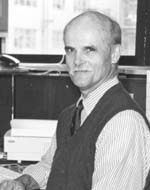
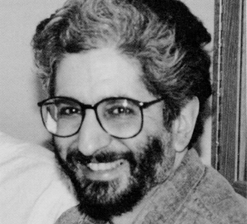
Dr. Jeffrey E. Olgin's latest projects would abuse 750 dogs in a three-year period. (The NIH has funded his dog experiments since 1992.)
Dr. Jeffrey E. Olgin's latest projects would abuse 750 dogs in a three-year period. (The NIH has funded his dog experiments since 1992.)
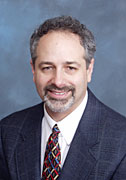
1st Dog Experiment by Jeffrey Olgin:
Title: Remodeling in Atrial Fibrillation
Claimed Purpose: “To study the stages of congestive heart failure."
Procedures: 150 dogs would be surgically implanted with one pacemaker. Another 150 dogs would be implanted with two pacemakers. Yet another 150 dogs would be subjected to “mitral valve avulsion," a surgical procedure that tears a portion of the mitral valve of the dog's heart in order to cause “mitral regurgitation," or the blood to flow backwards. Another 100 dogs will be used as controls. The 450 dogs who undergo surgery are expected to survive 4 weeks to 6 months. However, “the only animals that would survive for up to 6 months are the RAP (rapid atrial pacing) dogs, and this is very rare." The dogs “will be monitored weekly, and daily if problems arise." Problems may be “infection in pacemaker pocket, signs of heart failure (i.e., ascites, lethargy), appearance of continued pain such as crying, flinching from touch, limping or in any way favoring incision area, or weight loss." Some dogs will be given “experimental drugs"; i.e., Ace inhibitor, PAI-1 inhibitor, TFG-B antagonist, and Pirfenidone. Thirty percent of the surgically impaired dogs are expected to die before the project ends. All 550 dogs, if they survive, will eventually undergo a terminal 8-hour-long electrophysiological study. While the dogs are under general anesthesia, their chests are cut open. “To support the heart, a pericardial cradle is made by suturing each corner of the cut pericardium to the skin. Recordings of the heart's internal blood pressure, EKG, PQRST intervals, and heart rates are taken for later analysis. Finally, the dogs will be euthanized and their hearts removed for optical mapping, cellular electrophysiology and histology analysis."
2nd Dog Experiment by Jeffrey Olgin:
Title: Effects of Congestive Heart Failure on Electrophysiology and Remodeling
Claimed Purpose: “To understand the mechanism by which heart failure causes atrial fibrillation [arrhythmia]."
Procedures: Experimenters plan to implant pacemakers in 160 dogs. 40 dogs will be used as controls. Three to five days after surgery, the pacemakers will be programmed to rapidly pace at 200 to 250 beats per minute for 2-6 weeks and/or until the dogs show symptoms of heart failure. There is the potential for severe pain as "adverse effects" include "abdominal bloating from heart failure, pulmonary edema and coughing" and infection from the implantation of the pacemakers. The dogs will receive analgesics “on an as needed basis." Pain will be assessed by “whether the dog flinches when touched, cries out when touched or in any way favors the incision [from the surgery], or fails to eat and drink." It is planned for the dogs to live from 2-7 weeks after surgery. Five percent of dogs are expected to die due to heart failure during the course of the experiment. The dogs will undergo weekly EKG's “to assess the degree of heart failure and/or mitral regurgitation." All dogs, including those in the control group, will be euthanized in the end and their hearts cut out for “optical mapping, cellular electrophysiology and histology analysis" or autoradiography.
-----------------------------------------------------------------------------------------
[NO PHOTO]
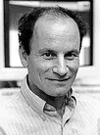
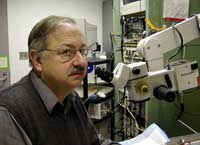
Experiment by Michael W. Dae
Title: Noninvasive Assessment of Cardiac Adrenergic Function.
Purpose: “To show that myocardial ischemia, infarction, or congetive heart failure lead to partial denervation of the heart (and) that increases in activity to the nerves of the heart from the central nervous system are delivered unevenly to the partially denervated myocardium."
Procedures: German shepherd/mongrel puppies, one to three days old, undergo surgical removal of the right or left stellate ganglion (a mass of nerve cells located in the region between the neck and upper chest). Two weeks later, the puppies undergo general anesthesia to have their hearts cut out and "processed for autoradiography and in vitro studies." Other puppies will be injected with drugs to cause their nerves to malfunction. The puppies used as controls will also be killed and have their hearts taken out. Aside from the 64 German shepherd/mongrel pups, 64 pigs, 218 rabbits, 75 mice and 80 rats meet similar fates in related experiments.
Title: Remodeling in Atrial Fibrillation
Claimed Purpose: “To study the stages of congestive heart failure."
Procedures: 150 dogs would be surgically implanted with one pacemaker. Another 150 dogs would be implanted with two pacemakers. Yet another 150 dogs would be subjected to “mitral valve avulsion," a surgical procedure that tears a portion of the mitral valve of the dog's heart in order to cause “mitral regurgitation," or the blood to flow backwards. Another 100 dogs will be used as controls. The 450 dogs who undergo surgery are expected to survive 4 weeks to 6 months. However, “the only animals that would survive for up to 6 months are the RAP (rapid atrial pacing) dogs, and this is very rare." The dogs “will be monitored weekly, and daily if problems arise." Problems may be “infection in pacemaker pocket, signs of heart failure (i.e., ascites, lethargy), appearance of continued pain such as crying, flinching from touch, limping or in any way favoring incision area, or weight loss." Some dogs will be given “experimental drugs"; i.e., Ace inhibitor, PAI-1 inhibitor, TFG-B antagonist, and Pirfenidone. Thirty percent of the surgically impaired dogs are expected to die before the project ends. All 550 dogs, if they survive, will eventually undergo a terminal 8-hour-long electrophysiological study. While the dogs are under general anesthesia, their chests are cut open. “To support the heart, a pericardial cradle is made by suturing each corner of the cut pericardium to the skin. Recordings of the heart's internal blood pressure, EKG, PQRST intervals, and heart rates are taken for later analysis. Finally, the dogs will be euthanized and their hearts removed for optical mapping, cellular electrophysiology and histology analysis."
2nd Dog Experiment by Jeffrey Olgin:
Title: Effects of Congestive Heart Failure on Electrophysiology and Remodeling
Claimed Purpose: “To understand the mechanism by which heart failure causes atrial fibrillation [arrhythmia]."
Procedures: Experimenters plan to implant pacemakers in 160 dogs. 40 dogs will be used as controls. Three to five days after surgery, the pacemakers will be programmed to rapidly pace at 200 to 250 beats per minute for 2-6 weeks and/or until the dogs show symptoms of heart failure. There is the potential for severe pain as "adverse effects" include "abdominal bloating from heart failure, pulmonary edema and coughing" and infection from the implantation of the pacemakers. The dogs will receive analgesics “on an as needed basis." Pain will be assessed by “whether the dog flinches when touched, cries out when touched or in any way favors the incision [from the surgery], or fails to eat and drink." It is planned for the dogs to live from 2-7 weeks after surgery. Five percent of dogs are expected to die due to heart failure during the course of the experiment. The dogs will undergo weekly EKG's “to assess the degree of heart failure and/or mitral regurgitation." All dogs, including those in the control group, will be euthanized in the end and their hearts cut out for “optical mapping, cellular electrophysiology and histology analysis" or autoradiography.
-----------------------------------------------------------------------------------------
[NO PHOTO]
Experiment by Michael W. Dae
Title: Noninvasive Assessment of Cardiac Adrenergic Function.
Purpose: “To show that myocardial ischemia, infarction, or congetive heart failure lead to partial denervation of the heart (and) that increases in activity to the nerves of the heart from the central nervous system are delivered unevenly to the partially denervated myocardium."
Procedures: German shepherd/mongrel puppies, one to three days old, undergo surgical removal of the right or left stellate ganglion (a mass of nerve cells located in the region between the neck and upper chest). Two weeks later, the puppies undergo general anesthesia to have their hearts cut out and "processed for autoradiography and in vitro studies." Other puppies will be injected with drugs to cause their nerves to malfunction. The puppies used as controls will also be killed and have their hearts taken out. Aside from the 64 German shepherd/mongrel pups, 64 pigs, 218 rabbits, 75 mice and 80 rats meet similar fates in related experiments.




We are 100% volunteer and depend on your participation to sustain our efforts!
Donate

$140.00 donated
in the past month
Get Involved
If you'd like to help with maintaining or developing the website, contact us.
Publish
Publish your stories and upcoming events on Indybay.
Topics
More
Search Indybay's Archives
Advanced Search
►
▼
IMC Network