







 Publish to Newswire
 Add an Event
Feature Archives
Mon Aug 25 2008 (Updated 09/01/08)
Struggles for the Streets in the Mile High City
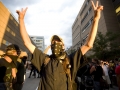
Protests around the 2008 Democratic National Convention in Denver, Colorado, August 25th through August 28th, brought thousands of people to the Mile High City. Although numbers were far lower than expected, Recreate 68 had originally anticipated 25,000 to 50,000 would descend on Denver for the demonstrations. The largest demo took place on Wednesday, where more than 10,000 people marched through the streets of Denver behind 70 Iraq Veterans Against the War following a free Rage Against the Machine concert.



Wed Aug 20 2008 (Updated 08/25/08)
Bay Area Activists Heading to Denver to Protest the DNC
Many activist groups intend to travel from the Bay Area in the coming week to protest the Democratic National Convention in Denver, Colorado. Indybay will be featuring reports by activists who will be at the DNC, protesting the Democrats. We encourage all people who are going to the DNC to publish photos, videos, and reports from the streets.
Wed Jul 23 2008 (Updated 08/31/08)
UA in the Bay Plans for Actions at RNC on Sept. 1st
Latest Indybay 2008 RNC News
UPDATE: RNC Welcoming Committee Convergence Center in St. Paul Raided by Police 8/29.
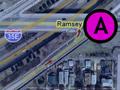
Northern California radicals have banded together as "Unconventional Action (UA) in the Bay" and collectively chosen to adopt Sector 4 in downtown St. Paul, MN during the Republican National Convention. UA in the Bay has announced a Barricade Building Contest and named three street intersections as convergence points for the morning of September 1st. A pre-RNC UA in the Bay meeting was held in St. Paul on August 30th.
UPDATE: RNC Welcoming Committee Convergence Center in St. Paul Raided by Police 8/29.
Northern California radicals have banded together as "Unconventional Action (UA) in the Bay" and collectively chosen to adopt Sector 4 in downtown St. Paul, MN during the Republican National Convention. UA in the Bay has announced a Barricade Building Contest and named three street intersections as convergence points for the morning of September 1st. A pre-RNC UA in the Bay meeting was held in St. Paul on August 30th.
Sat Jul 19 2008
The FISA Amendment Act is Signed into Law
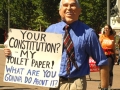
On July 10th, Bush signed into law the FISA Amendment Act. The law allows the government to spy on emails, phone calls, web surfing, and other communications without warrants. The law also guarantees immunity to telecommunication companies who participated in the secret and illegal spying conducted by the Bush Administration. Many have stated that the bill excuses President Bush's lawless behavior, is an assault on the first and fourth Amendment, and is a further justification to spy on activists.

Wed Jul 16 2008
Successful Challenge to US Blockade of Cuba
In response to international pressure, US officials returned to members of Pastors for Peace 32 computers bound for Cuba. Federal agents seized the computers from the humanitarian group as they attempted to cross the Pharr International Bridge early on July 3 at the US-Mexico border. The confiscated computers were officially released by US authorities early this week and are now en route to Cuba.
Wed Jul 16 2008
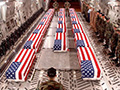
Obama Lays Out Plans for Continued War
In a July 14th, New York Times Op Ed, Barack Obama says, "As I’ve said many times, we must be as careful getting out of Iraq as we were careless getting in. We can safely redeploy our combat brigades at a pace that would remove them in 16 months. That would be the summer of 2010 — two years from now, and more than seven years after the war began. After this redeployment, a residual force in Iraq would perform limited missions: going after any remnants of Al Qaeda in Mesopotamia, protecting American service members and, so long as the Iraqis make political progress, training Iraqi security forces."
Tue Jul 15 2008
Viacom Backs Off Demand for YouTube Viewers Histories
A federal court earlier this month ordered Google's YouTube to hand over usernames, IP addresses, and viewing histories to Viacom sparking a controversy over Internet privacy.
This week Viacom and the other litigants backed off their demand for YouTube user viewing histories and an agreement was reached with Google to anonymize the data. While some YouTube users say Viacom is now "off the hook" for intruding on people's online privacy, others question why Google was allowed to amass and use all this private data in the first place.
U.S.:
 69
69

69