







 Publish to Newswire
 Add an Event
Feature Archives



Sat May 3 2014 (Updated 05/04/14)
Confronting the San Francisco Association of Realtors
San Francisco has seen a 178% increase in Ellis Act evictions over the last 3 years. A group of seniors, people with disabilities, supporters, and co-sponsors confronted the San Francisco Association of Realtors on April 22. The San Francisco Board of realtors has opposed legislation beneficial to tenants in the past. The activists delivered a letter of demands and then held a rally and press conference with testimonies from seniors and people with disabilities.

Sat Apr 26 2014 (Updated 04/28/14)
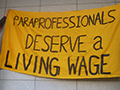
SF Teachers and Paraprofessionals Fight For Their Rights
Over one hundred San Francisco public school teachers, paraprofessionals, and education staff who are members of United Educators of San Francisco (UESF) rallied on April 22 at the San Francisco Unified School District school board building. UESF workers are demanding a living wage after an 8-year wage freeze. The massive speculative housing bubble is driving workers out of San Francisco and forcing them to commute long distances. Many are unable to afford healthcare.

Sat Apr 26 2014 (Updated 04/28/14)
International Day of Peasant Resistance: Who Is the Movimento Sem Terra?
On April 17, International Day of Peasant Resistance, and to mark the 30th anniversary of the Movimento Sem Terra (Landless Workers Movement) in Brazil, Bay Area delegates from the 6th MST Congress presented a report on what they had experienced and learned during their trip. The presentation at La Peña in Berkeley took a look at many aspects of the MST and the difficult and sometimes deadly struggle for poverty reduction and agrarian reform in Brazil.



Sat Apr 26 2014 (Updated 05/04/14)
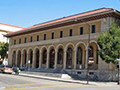
Historic Post Offices Should Not Be For Sale
JP Massar writes: On April 17th, the Advisory Council on Historic Preservation issued its Preserving Historic Post Offices report to Congress "on compliance with Section 106 of the National Historic Preservation Act for the closure and disposal of its historic postal facilities." This report was requested by legislation initiated by Berkeley's United States Representative in Congress, Barbara Lee. On April 24, postal workers protested USPS privatization at a Staples store in San Francisco.

Mon Apr 21 2014 (Updated 04/22/14)
Oakland's Proposal for Massive Influx of New West Oakland Residents
Advance the Struggle writes: What follows is a critique of the West Oakland Specific Plan – WOSP – which the city of Oakland hopes will help in “developing” West Oakland and is attempting to pass in the coming weeks. The development that’s presented is about attracting an influx of capital investment – retail, industrial, and high wage residents – and transforming West Oakland into a center of commerce for a new set of residents. New growth is about raising property values and attracting new residents and businesses, not improving the situations of those who already live there.
Sat Apr 19 2014
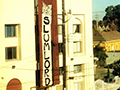
Interview with East Bay Solidarity Network
FireWorks writes: Modeled after the Seattle Solidarity Network (SeaSol), EBSN is a group of workers and tenants who use direct action to fight landlords and bosses. Working against both wage theft at workplaces, despicable conditions in housing complexes, as well as against foreclosures, EBSN has worked to combat abuses and build power among workers and tenants. FireWorks through email reached out to the group to get more information on them and what it is they do in the East Bay.
Fri Apr 4 2014 (Updated 04/05/14)
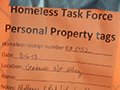
What It Is Like to Be Homeless in Downtown Fresno
Homeless people in downtown Fresno can no longer set up encampments. They must put up a tent in the evening and take it down early in the morning. During the day, they have to stay with their property or it will be taken and put into storage. On March 6, the Fresno City Council passed an ordinance that makes it easier for the police to remove shopping carts from the homeless. These “quality of life” ordinances add pressure to be constantly on the move and never have a place to stay that is safe and secure.